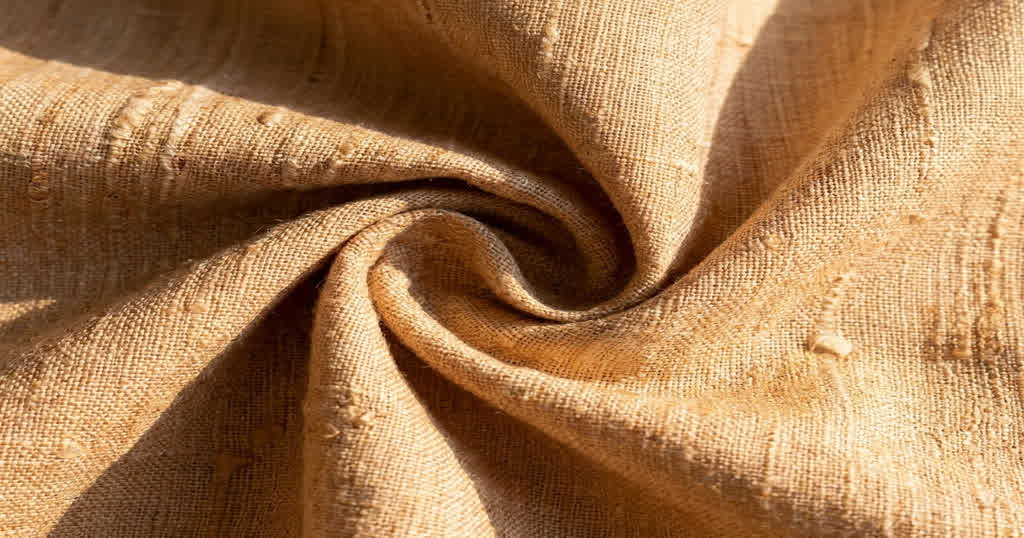
What Makes Tussar Silk Different From Other Silks?

Designers building a low-impact collection often face a choice between conventional cultivated fibers and wild-harvested alternatives. Selecting tussar silk is a specific technical decision that alters a garment's drape, dye uptake, and thermal properties. The shift away from synthetic blends requires materials that offer both structural integrity and a verifiable origin story. Sourcing wild silk directly impacts the sustainability narrative a brand can communicate to its buyers.
Understanding the biological and mechanical differences of this fiber allows sourcing teams to justify costs and predict fabric performance. We will examine the exact material science, regional origins, and supply chain realities that separate this wild fiber from standard commercial silks.
The Wild Roots: Tracing Tussar Silk Origin in India
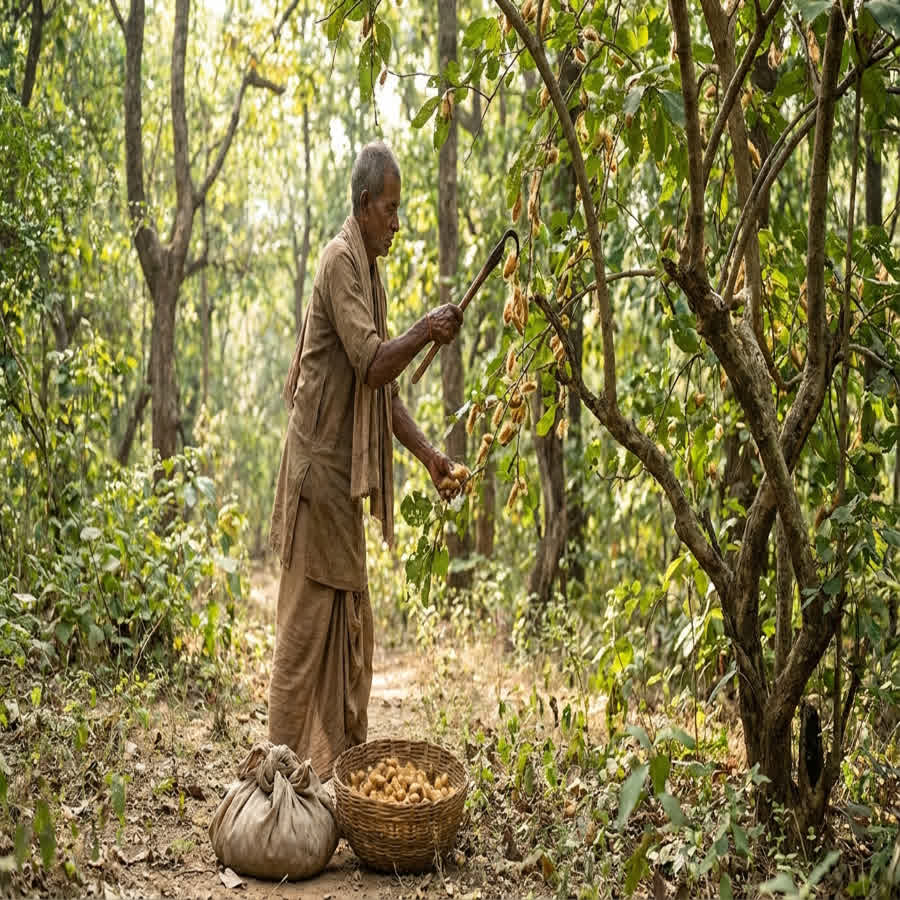
The origin of this wild silk lies in the dense forests of Eastern India, where tribal communities harvest cocoons directly from native trees.
Understanding tussar silk origin requires looking at the specific geography of Jharkhand, Chhattisgarh, and Bihar. These regions provide the exact climatic conditions needed for the wild moths to thrive. We partner with artisan clusters in these areas to maintain a decentralized supply chain. This approach supports local economies while preserving traditional knowledge.
The Forest-Based Craft of Eastern India
Unlike domesticated sericulture, rearing wild moths is an indigenous, forest-based craft. The local communities do not cultivate the moths in controlled indoor environments. Instead, they protect the natural habitats where the insects feed and spin their cocoons. This method ensures the ecological balance of the forest remains undisturbed.
The historical significance of tussar silk in india is deeply intertwined with the socio-economic fabric of these rural artisans. For generations, forest-dwelling families have relied on this seasonal harvest as a primary source of income. The practice requires an intimate understanding of the local flora and the life cycle of the insects. By maintaining these traditions, artisans produce a fiber with distinctive cultural authenticity.
Sustainable Harvesting by Tribal Communities
The harvesting process is inherently low-impact and relies on passive forest management. Artisans monitor the trees and collect the cocoons only after the insects have completed their spinning phase. This careful observation prevents over-harvesting and protects the future population of the moths. Sourcing from these communities provides fashion brands with strong eco-credentials.
To ensure a sustainable yield, the tribal communities follow specific environmental practices. These methods directly contribute to the zero-waste credentials of the final fabric. The key practices include:
- Regulated collection cycles that align with the natural breeding seasons of the moths.
- Protection of host trees to prevent deforestation and maintain the local canopy.
- Non-violent harvesting options where cocoons are gathered after the moth has naturally emerged.
By supporting tussar silk origin in india, B2B buyers directly fund forest conservation efforts. The financial viability of the craft incentivizes local populations to protect their natural surroundings. This creates a transparent, ethical artisan impact that resonates with modern consumers.
Antheraea Mylitta: The Biology of the Tussar Silk Worm and Moth
The wild diet of the endemic moth species produces a naturally golden, highly breathable fiber that is structurally distinct from cultivated silks.
The specific biology of the tussar silk moth dictates the physical properties of the resulting textile. Known scientifically as Antheraea mylitta, this species is entirely wild and cannot be domesticated. Its natural life cycle in the open forests exposes it to fluctuating weather conditions. This exposure forces the insect to spin a thicker, more resilient cocoon for protection.
The Diet Behind the Golden Hue
The signature tussar silk colour is a direct result of the insect's specific forest diet. The tussar silk worm feeds exclusively on the tannin-rich leaves of native host plants, primarily the Asan and Arjun trees. These natural tannins are absorbed into the insect's body and secreted into the silk filaments. This biological process creates a rich, natural golden or copper tone that cannot be replicated synthetically.
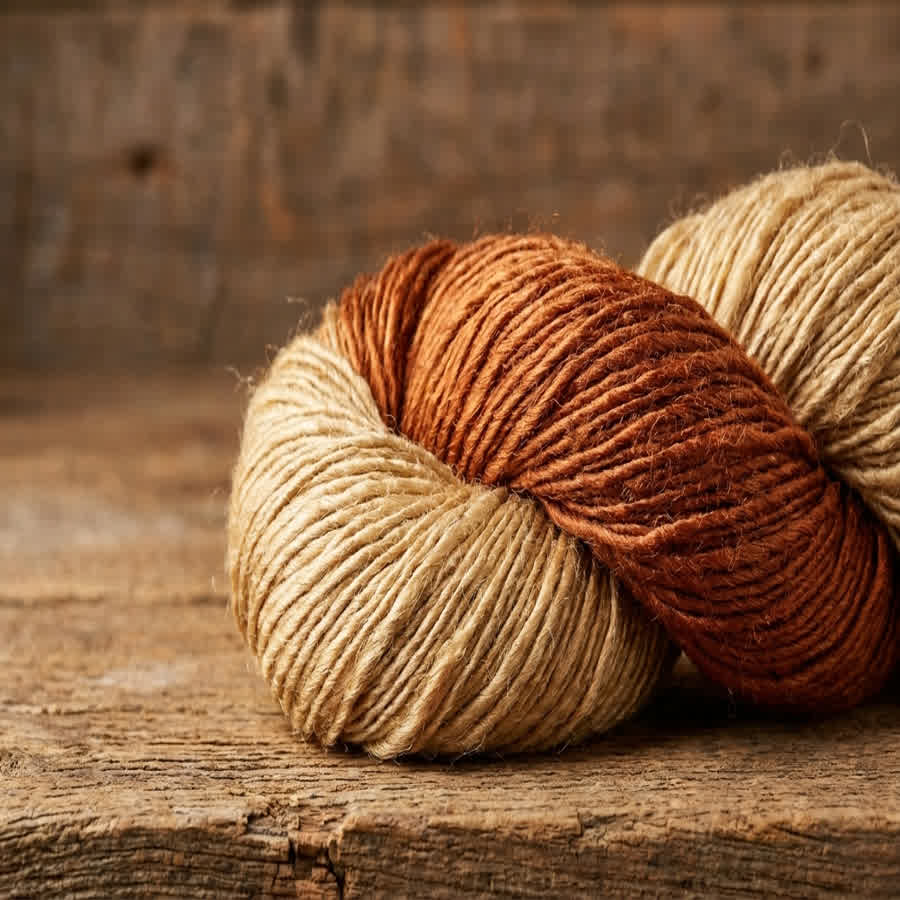
Because the diet is entirely wild, the exact shade of the fiber varies from harvest to harvest. This natural variation is a marker of authentic wild silk and is highly prized by boutique designers. The presence of these tannins also affects how the fiber interacts with commercial dyes. Understanding this chemistry is crucial for predicting dye uptake in custom collections.
Structural Impact of Wild Rearing
The physical structure of the fiber is fundamentally altered by the wild environment. Unlike the continuous filaments produced by indoor moths, the wild tussar silk worm produces fibers that are shorter and thicker. This irregular structure creates a highly porous material with a dry, crisp hand-feel. The resulting fabric offers exceptional moisture-wicking properties.
The biological characteristics of the moth translate directly into specific textile specifications. Designers specifying this material can expect several distinct structural benefits. These inherent properties include:
- High tensile strength due to the thicker diameter of the individual wild filaments.
- Superior thermal regulation caused by the porous nature of the spun yarn.
- A distinct tactile slub that adds visual depth and texture to the finished garment.
These biological realities make the fiber ideal for specific applications in the fashion industry. The natural sericin retention in the wild cocoons gives the yarn a stiffer drape initially. This stiffness softens over time, creating a garment that molds to the wearer while maintaining its structural integrity.
From Cocoon to Loom: The Art of Spinning Tussar Silk Yarn
Processing wild cocoons requires specialized hand-spinning techniques by rural artisans to preserve the natural texture and strength of the fiber.
The transformation from raw cocoon to finished textile is a labor-intensive process that defines the quality of tussar silk yarn. Because the wild moths often break their cocoons upon emerging, the continuous filament is severed. This requires the fibers to be carefully degummed and spun by hand. We work directly with rural handloom weavers who possess the generational skill required to handle this delicate material.
Decentralized Hand-Spinning Techniques
The spinning process begins with the careful boiling of the cocoons to soften the natural sericin. Artisans must monitor the temperature precisely to ensure the fibers are not damaged. Once softened, the short fibers are drawn out and twisted into yarn using a traditional spinning wheel or drop spindle. This manual twisting is what creates the yarn's characteristic uneven thickness.
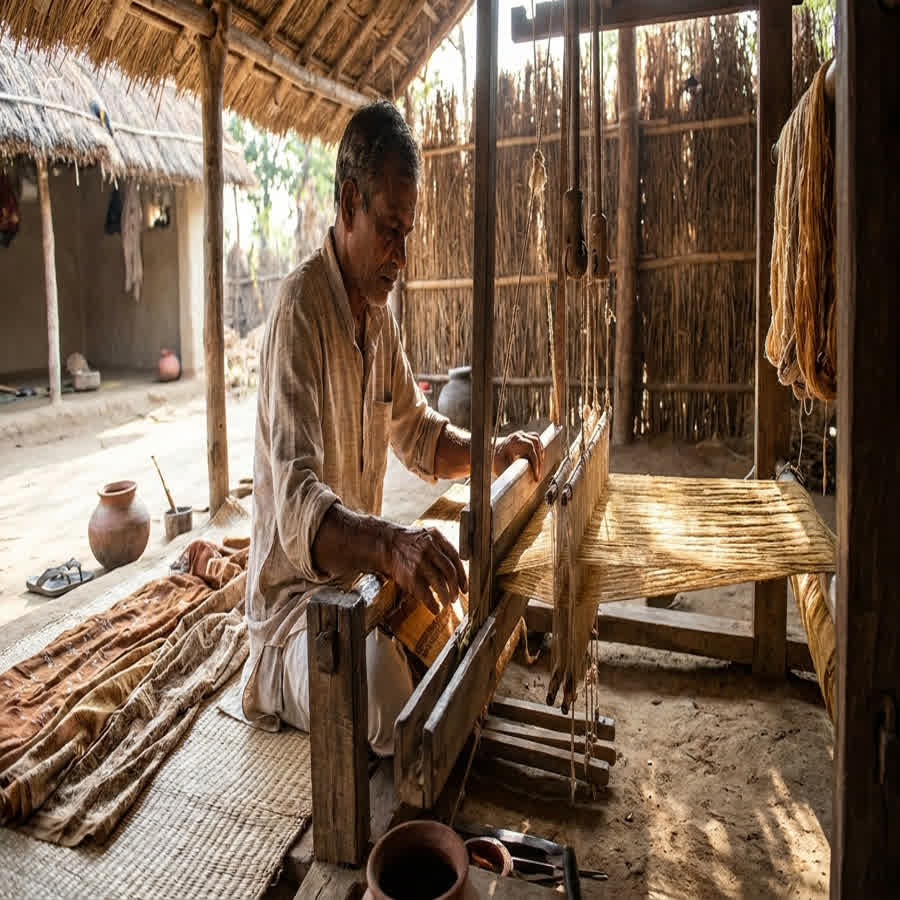
Maintaining a decentralized supply chain for spinning ensures that the economic benefits remain within the rural communities. Instead of shipping raw cocoons to large industrial mills, the processing happens at the village level. This approach drastically reduces the carbon footprint of the production cycle. It also allows for strict quality control over the tension and twist of the spun yarn.
The Handloom Weaving Process
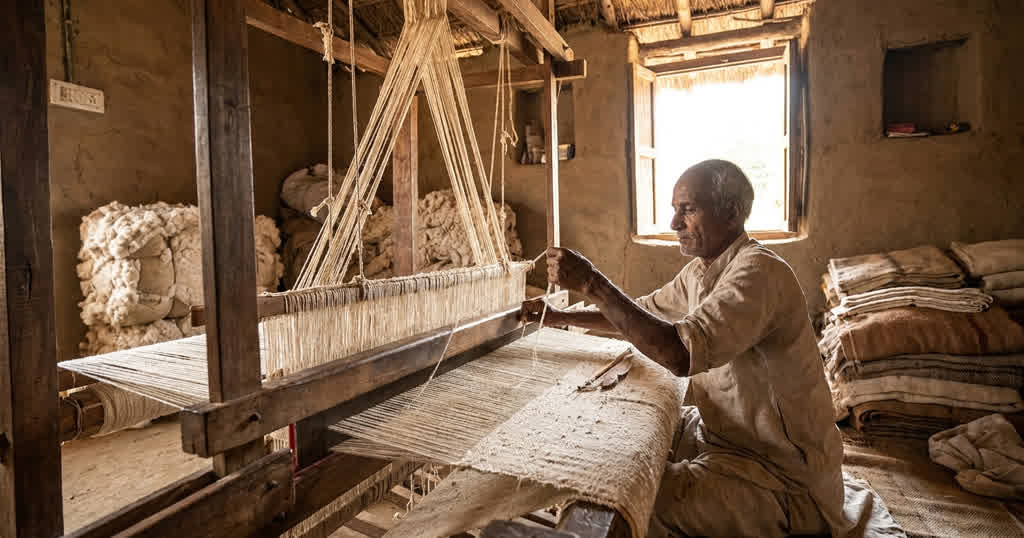
Once the yarn is spun, it is transferred to the weavers who prepare the warps and wefts. Weaving wild silk requires a specific loom setup to accommodate the textured slub of the yarn. The weavers must constantly adjust the tension to prevent the thicker sections of the yarn from snapping. This careful, manual adjustment results in a fabric with a dense, resilient handle.
The handloom process adds significant value to the final textile. The slow speed of the wooden looms ensures that the yarn is not subjected to the high stress of power looms. This gentle weaving method preserves the structural integrity of the fiber. The key technical steps in this weaving process include:
- Manual warp sizing using natural starches to protect the yarn during weaving.
- Careful selvedge formation to ensure the edges of the fabric remain straight and secure.
- Low-tension beating to maintain the natural porosity and breathability of the weave.
The resulting fabric is a testament to the skill of the artisans. By sourcing this handwoven material, brands are investing in a verifiable artisan craft. The slight variations in the weave serve as proof of the human hand, offering a compelling narrative for transparent sourcing initiatives.
Understanding Tussar Silk Among India’s Silk Traditions
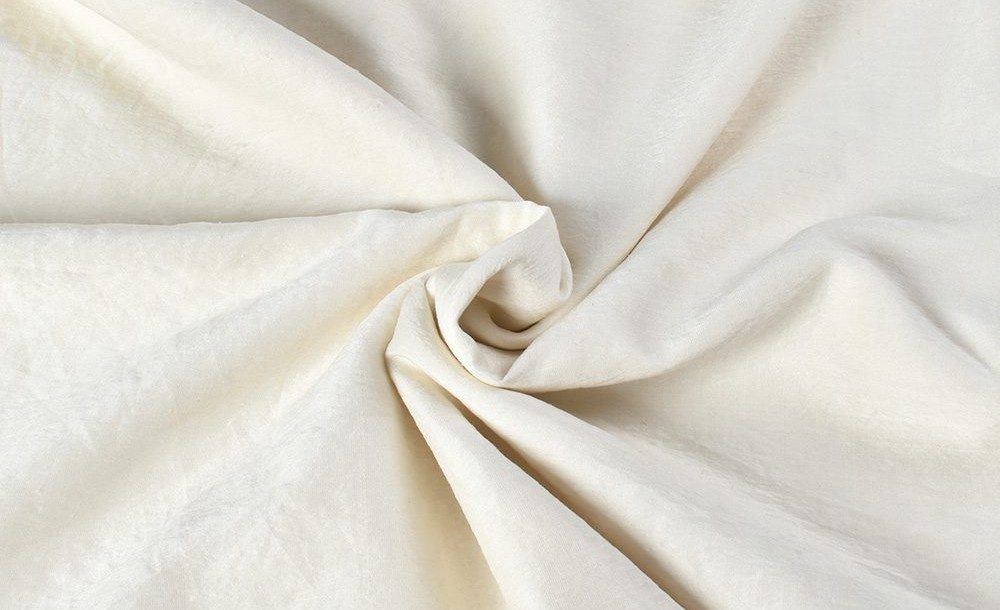
Mulberry Silk vs. Tussar Silk
While Mulberry silk is known for its smooth, continuous filaments and refined lustre, Tussar silk is made from shorter, spun fibres that create a more textured and naturally irregular surface. This difference gives Tussar its characteristic matte-to-subtle sheen, tactile slub, and organic appearance, making it particularly suited to designers looking for structure and natural texture rather than a highly polished finish.
Tussar Silk vs. Eri Silk
Tussar silk and Eri silk both offer a distinctive alternative to smooth Mulberry silk, but their textures and hand-feel differ. Tussar is recognised for its crisp, textured surface and subtle lustre, while Eri is generally softer, warmer, and more matte. Tussar works well for structured apparel and statement pieces, whereas Eri is often preferred for comfortable, softer garments.
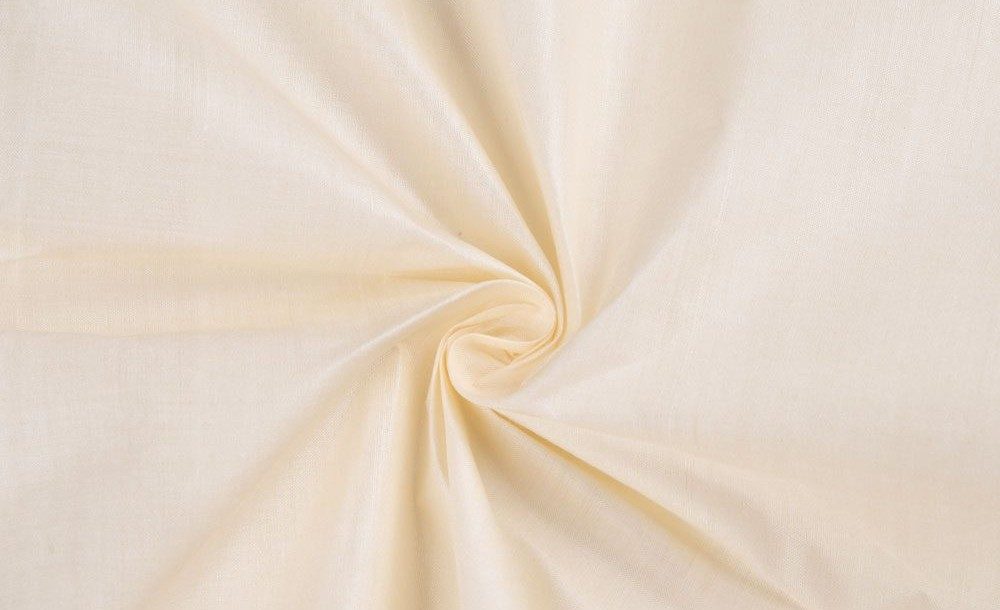
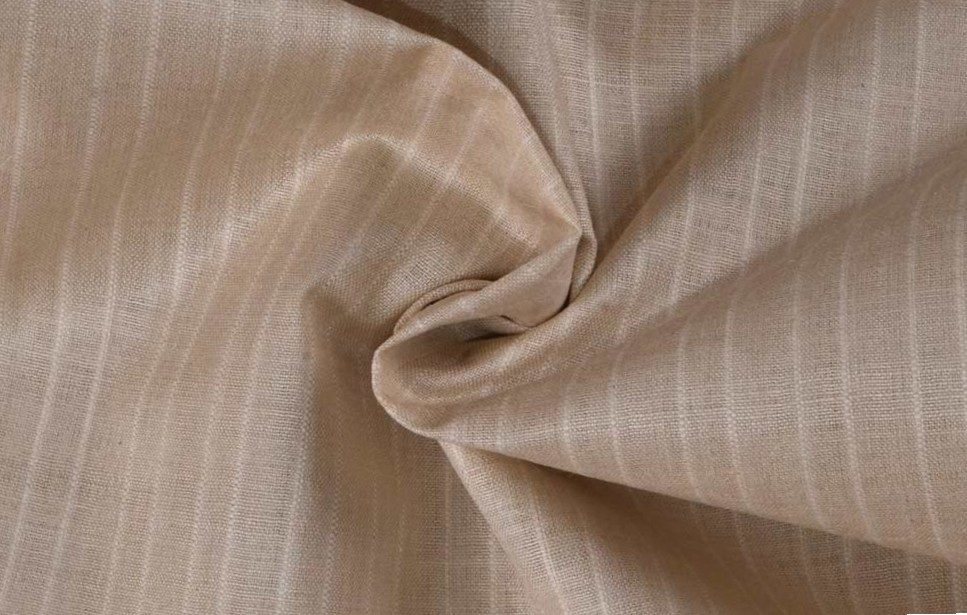
Tussar Silk vs. Muga Silk
Both Tussar silk and Muga silk are associated with India's rich wild-silk traditions, but they have distinctly different visual identities. Tussar is valued for its earthy tones, natural texture, and understated lustre, while Muga is renowned for its naturally rich golden colour and distinctive sheen. Tussar suits designs seeking an organic, textured aesthetic, while Muga brings a more luminous and luxurious character to traditional and contemporary garments.
Manage Tussar Silk Fabric Price and B2B Sourcing Strategies
Sourcing this fabric requires understanding how yarn quality, artisan wages, and wild yield fluctuations directly dictate the final wholesale cost.
For sourcing teams, evaluating the tussar silk fabric price involves analyzing several distinct supply chain variables. Unlike synthetic materials with fixed production costs, wild raw silk is an agricultural product subject to environmental changes. The price reflects the labor-intensive nature of hand-spinning and the fair wages paid to the artisans. Buyers must look beyond the per-meter cost to understand the embedded value of the textile.
Understanding Cost Factors in Wholesale
The primary driver of cost is the quality and preparation of the yarn. Highly uniform, finely spun yarn requires more time and skill to produce, increasing the baseline price. Additionally, the natural yield of the wild cocoons fluctuates based on seasonal rainfall and forest health. When sourcing tussar silk fabric online, buyers should expect price variations that reflect these environmental realities.
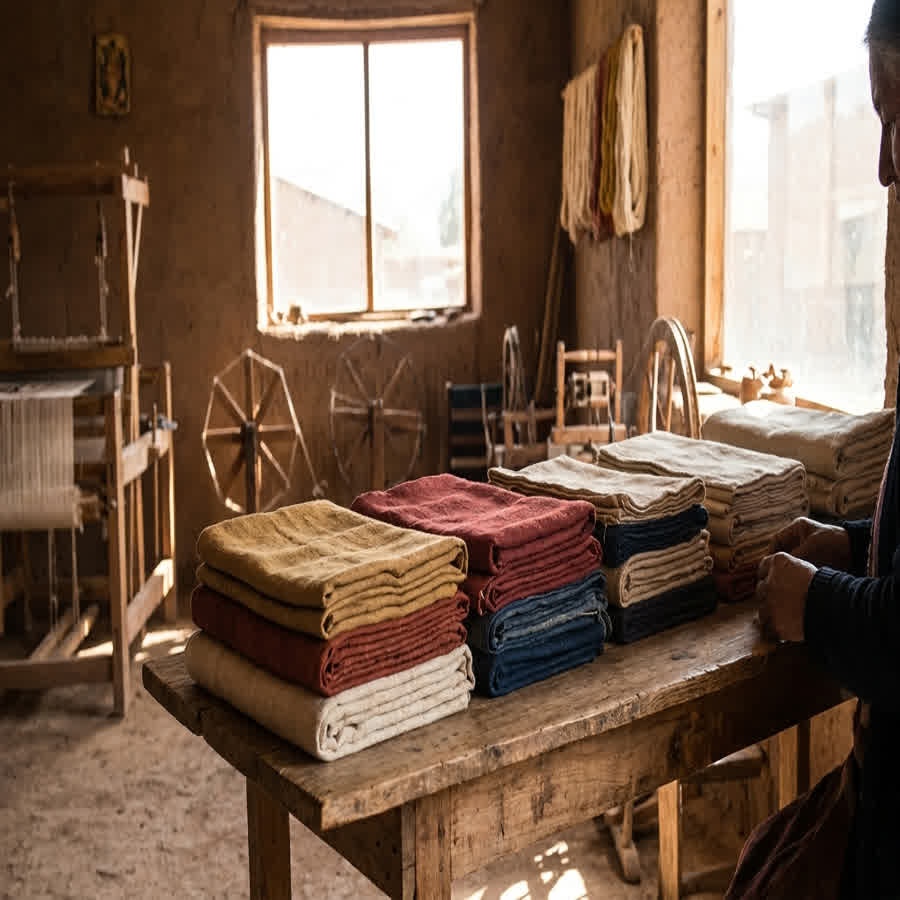
Another significant cost factor is the complexity of the weave structure. A standard plain weave will cost less than a fabric featuring intricate dobby or jacquard patterns. The width of the fabric also impacts the price, as wider looms require more physical effort from the weaver. Transparent pricing models from reliable suppliers will clearly break down these manufacturing variables.
Evaluating Ethical Manufacturers
Identifying reputable tussar silk manufacturers in india is critical for maintaining brand integrity. Sourcing managers must verify that the suppliers adhere to fair trade principles and environmental regulations. This involves checking for traceability back to the specific forest clusters where the cocoons were harvested. A reliable partner will provide clear documentation of their supply chain transparency.
When evaluating potential suppliers, B2B buyers should look for specific operational standards. These standards ensure that the fabric meets both technical specifications and ethical requirements. The critical criteria for selecting a manufacturing partner include:
- Verified artisan compensation that guarantees fair wages for spinners and weavers.
- Consistent quality control protocols to manage the natural variations in the wild yarn.
- Transparent lead times that account for the slow nature of handloom production.
By partnering with a decentralized network, fashion brands secure a reliable source of high-quality textiles. This strategy mitigates the risks associated with centralized industrial production. It also provides the brand with a powerful, authentic marketing narrative centered on rural empowerment and ecological preservation.
Explore Our Collection
Anuprerna works directly with handloom artisan clusters to weave tussar silk for designers and brands building considered collections. To source it for your next line, explore the range below.
frequently asked questions
What factors influence the tussar silk fabric price in B2B wholesale?
Price is dictated by the yarn quality (reeled vs. spun), the complexity of the handloom weave, the natural yield fluctuations of the wild tussar silk worm, and the fair-trade wages paid to the decentralized artisan supply chain. These variables mean the cost reflects both the environmental conditions of the forest harvest and the manual labor required to spin and weave the irregular fibers.
Can the natural tussar silk colour be dyed consistently for commercial production?
While its natural rich gold or copper hue is highly prized, Tussar can be dyed. However, due to its porous nature and wild origin, it absorbs dyes differently than Mulberry silk, often resulting in a beautiful, slightly muted, or dual-tone finish that requires skilled dyeing techniques. Brands should request lab dips to verify the exact color uptake for their specific collections.
How do tussar silk manufacturers in India ensure the sustainability of wild silk harvesting?
Ethical manufacturers work closely with forest-dwelling communities who practice regulated or non-violent (Ahimsa) harvesting of the tussar silk moth cocoons. This prevents over-harvesting, ensures the continuation of the moth's life cycle, and promotes forest conservation. By maintaining the local tree canopy, the artisans protect the natural habitat required for future yields.
What is the typical GSM and application for handwoven Tussar silk?
Handwoven Tussar typically ranges from 40 to 90 GSM. Its high breathability, moisture-wicking properties, and structural drape make it ideal for transitional weather apparel, structured jackets, and luxury home textiles. The natural stiffness of the sericin provides excellent shape retention for tailored garments.
How does the dye uptake of Tussar silk compare to synthetic fabrics?
Tussar silk absorbs natural and reactive dyes deeply due to its highly porous, spun fiber structure, unlike synthetics which require high-heat disperse dyes. The natural tannins present in the wild fiber can interact with the dyes, creating rich, complex undertones. This requires experienced dyers to achieve consistent batch-to-batch color matching in commercial runs.
More Blogs
jacquard fabric: what it is, how it’s made & how to choose the right fabric
banana fiber fabric and bamboo fiber fabric: the future of plant-based textiles
buying hemp fabric: what fashion brands need to know
eco print fabric: why botanical textiles are becoming the future of sustainable luxury
traditional indian fabrics every designer should know
a complete guide to buying cotton fabric wholesale