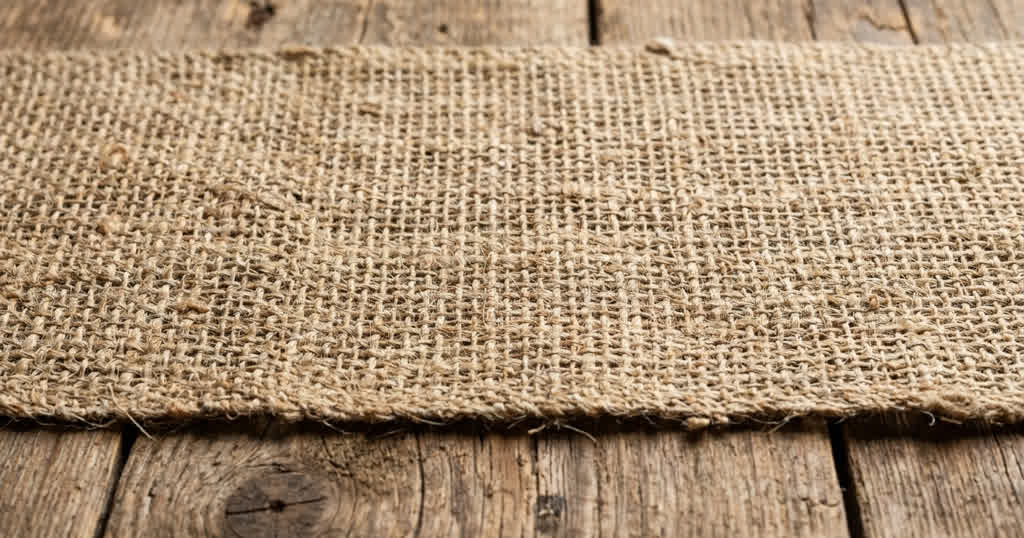
Buying Hemp Fabric: What Fashion Brands Need to Know

The search for a durable, low-impact textile often leads designers straight to hemp fabric, a material with a rich history in ancient Asian textiles. While traditionally overshadowed by cotton and silk in India, this ancient bast fiber is experiencing a major resurgence on traditional handlooms. Sourcing this material requires more than just selecting a swatch from a catalog. The decision to buy hemp fabric involves understanding its unique lignocellulosic structure, matching the correct GSM to a garment, and ensuring the supply chain supports genuine ecological and social impact.
Why Hemp Fabric is the Future of Sustainable Fashion Sourcing
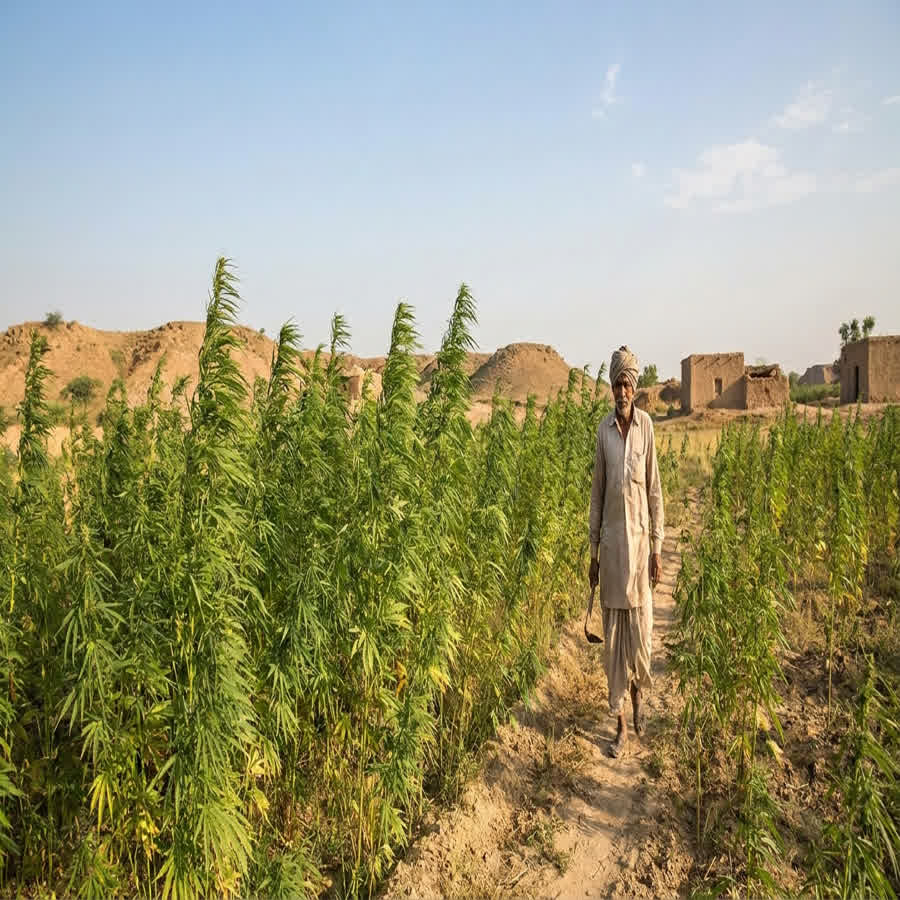
Hemp fabric is rapidly becoming the baseline for sustainable sourcing because it requires minimal water, eliminates the need for pesticides, and yields exceptionally high biomass per acre. Forward-thinking brands are shifting to this ancient bast fiber to meet strict ESG goals and lower their overall carbon footprint.
The Ecological Baseline of Bast Fibers
The cultivation of hemp sets a high standard for ecological agriculture. As a highly durable bast fiber, much like banana fiber, the plant grows densely, naturally suppressing weeds without chemical intervention. Its deep root system prevents soil erosion and actively returns nutrients to the earth.
When comparing agricultural inputs, the benefits become clear. Hemp requires approximately half the land and significantly less water than conventional cotton to produce the same yield. This high biomass production makes it a highly efficient crop for textile applications.
The environmental advantages extend into the processing phase. We rely on low-impact retting processes to separate the fibers from the stalk. This preserves the natural tensile strength of the material while minimizing water pollution.
Meeting ESG Compliance Through Traceability
For a B2B fashion brand, sustainability claims must be backed by verifiable data. Sourcing from decentralized artisan networks provides a transparent view into the origins of the material. This traceability is crucial for meeting strict ESG goals and satisfying conscious consumers.
Documenting the journey from farm to fabric is a core requirement for modern sourcing. Buyers need to know exactly where their apparel-grade hemp is grown and spun. We work closely with farming communities in regions like Karnataka to ensure ethical labor standards are maintained at every step.
A transparent supply chain simplifies compliance reporting. Brands can confidently market their zero-waste credentials when they have full visibility into the production process.
- Water footprint reduction: Hemp relies primarily on rainwater, drastically cutting irrigation needs compared to conventional crops.
- Pesticide-free cultivation: The natural resilience of the plant eliminates the need for harmful agricultural chemicals.
- Soil regeneration: Deep taproots aerate the soil and prevent degradation over time.
- Carbon sequestration: High biomass yields absorb significant amounts of atmospheric carbon dioxide during the growth cycle.
Decoding Hemp Fabric: GSM, Weaves, and Material Science
The technical profile of hemp fabric is defined by its exceptional tensile strength, high porosity for dyeing, and a versatile weight range spanning from 120 GSM to over 350 GSM. Understanding these material science properties allows designers to specify the exact weave, whether a simple plain weave or a complex jacquard fabric, and weight required for their specific garment applications.
Tensile Strength and Lignocellulosic Structure
Hemp is recognized as one of the strongest natural fibers available. Its lignocellulosic structure provides up to three times the tensile strength of standard cotton. This structural integrity ensures that garments maintain their shape and resist wear over years of use.
Unlike synthetic fibers that degrade, hemp softens progressively with washing. The rigid bast fibers break in over time, developing a supple, lived-in drape without losing their underlying durability. This unique aging process is a major selling point for premium fashion collections.
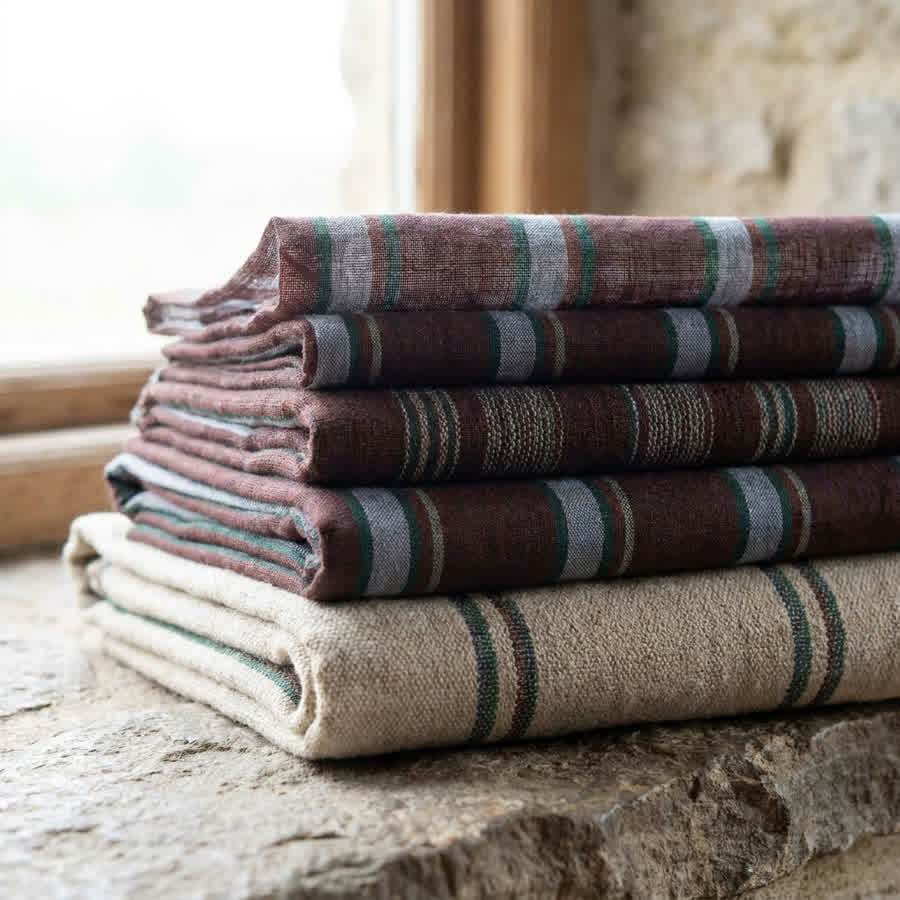
The fiber also boasts inherent functional properties. It is naturally antimicrobial and UV resistant, making it highly suitable for close-to-skin applications. Its high porosity allows it to absorb moisture quickly, keeping the wearer cool in warm climates.
Matching GSM to Garment Application
Selecting the correct fabric weight is critical for garment construction. Designers looking to buy hemp fabric must match the GSM (Grams per Square Meter) to the intended silhouette. A mismatch can result in garments that are either too stiff or lack necessary structure.
For lightweight applications, a 120 GSM plain weave offers excellent breathability. This weight is ideal for summer shirting, blouses, and flowing dresses. The crisp, dry hand-feel of lightweight hemp provides a structured yet comfortable fit.
Mid-weight and heavyweight options serve entirely different purposes. A 250 to 350+ GSM canvas provides the rigidity needed for outerwear, trousers, and structured jackets, often serving as a sustainable alternative to traditional denim fabric. These heavier weaves showcase the raw, textural variations of the fiber.
- 120-150 GSM: Ideal for lightweight shirting, breathable summer dresses, and delicate plain weaves.
- 180-220 GSM: Suited for mid-weight trousers, transitional layering pieces, and durable twills.
- 250-350+ GSM: Built for heavyweight canvas outerwear, structured jackets, and high-abrasion accessories.
- Dye uptake: High porosity allows the fiber to absorb azo-free and natural dyes exceptionally well, resulting in deep, lasting colors.
Handloomed vs. Mill-Made: The Anuprerna Hemp Difference
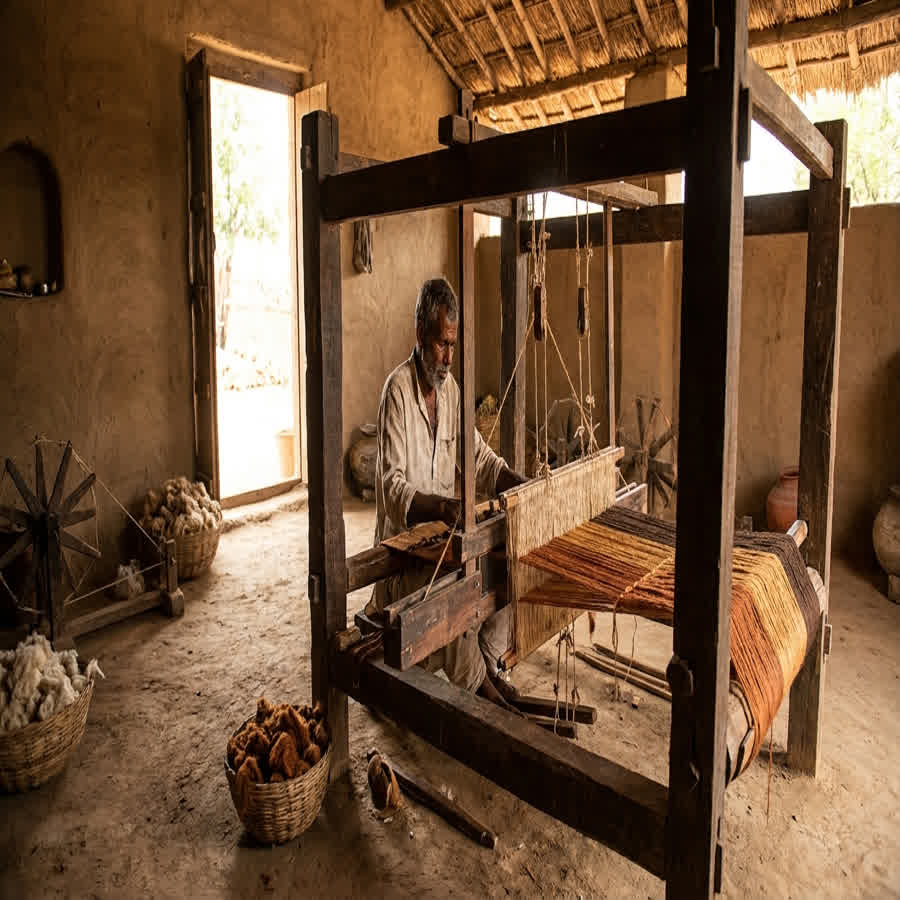
Handloomed hemp offers a unique, low-carbon texture and distinct artisanal variations that industrial mega-mills cannot replicate. Sourcing from decentralized rural Indian weavers provides a bespoke textile while directly supporting socio-economic development and preserving traditional craftsmanship.
The Textural Value of Handloom Weaving
Industrialized textile production prioritizes uniformity, often stripping natural fibers of their character. In contrast, traditional handloom weaving preserves the inherent irregularities of the hemp yarn. These subtle variations create a rich, tactile surface that enhances the final garment.
The slow, deliberate pace of the handloom produces a superior low-carbon texture. The tension applied by the weaver is adjusted manually, resulting in a fabric that breathes better than tightly packed, machine-milled alternatives. This bespoke quality is highly sought after by boutique fashion brands.
We currently work with artisan clusters across Bengal, including skilled weavers in Murshidabad and Malda. These artisans blend ancient weaving techniques with modern design requirements. The resulting textiles offer a distinct aesthetic that differentiates a brand in a crowded sustainable market.
Decentralized Supply Chains and Social Impact
Choosing to source from a decentralized artisan supply chain goes beyond acquiring a physical material. It is an investment in rural economies and the preservation of heritage skills. This model empowers rural Indian handloom weavers by providing consistent, fair-wage employment.
A decentralized model also offers significant environmental benefits. By avoiding large-scale industrial factories, the overall carbon footprint of the weaving process remains exceptionally low. The looms are manually operated, requiring zero electricity to produce luxury-grade textiles.
For an eco-conscious brand founder, this supply chain provides a compelling narrative. The story of empowering artisans and utilizing low-impact weaving techniques becomes a core part of the garment's value proposition.
- Artisanal variations: Subtle slubs and textural shifts that highlight the natural origin of the bast fiber.
- Zero-electricity production: Manually operated looms ensure a minimal carbon footprint during the weaving phase.
- Socio-economic impact: Direct support for rural weaving clusters, ensuring fair wages and community development.
- Bespoke customization: The flexibility of handlooms allows for unique weave structures tailored to specific capsule collections.
How to Buy Hemp Fabric: A Step-by-Step B2B Sourcing Guide
To successfully buy hemp fabric, B2B brands must manage specific minimum order quantities, account for artisan lead times, and implement strict quality control protocols. Working with reliable hemp fabric manufacturers can help buyers source consistent, apparel-grade textiles while ensuring that production schedules and quality expectations are met. A structured sourcing approach makes hemp fabric wholesale purchasing more efficient for designers and brands.
Managing MOQs and Lead Times
Sourcing from artisan networks requires a different timeline than ordering from industrial mega-mills. The manual nature of traditional handlooms means that production scales differently. Buyers must factor in the time required for yarn preparation, natural dyeing, and the weaving process itself.
One of the primary advantages of a decentralized artisan model is flexibility in order size. While industrial mills often demand thousands of meters, we can accommodate much lower Minimum Order Quantities. This makes hemp fabric wholesale sourcing more accessible for independent designers who want to test materials for small production runs without overcommitting capital.
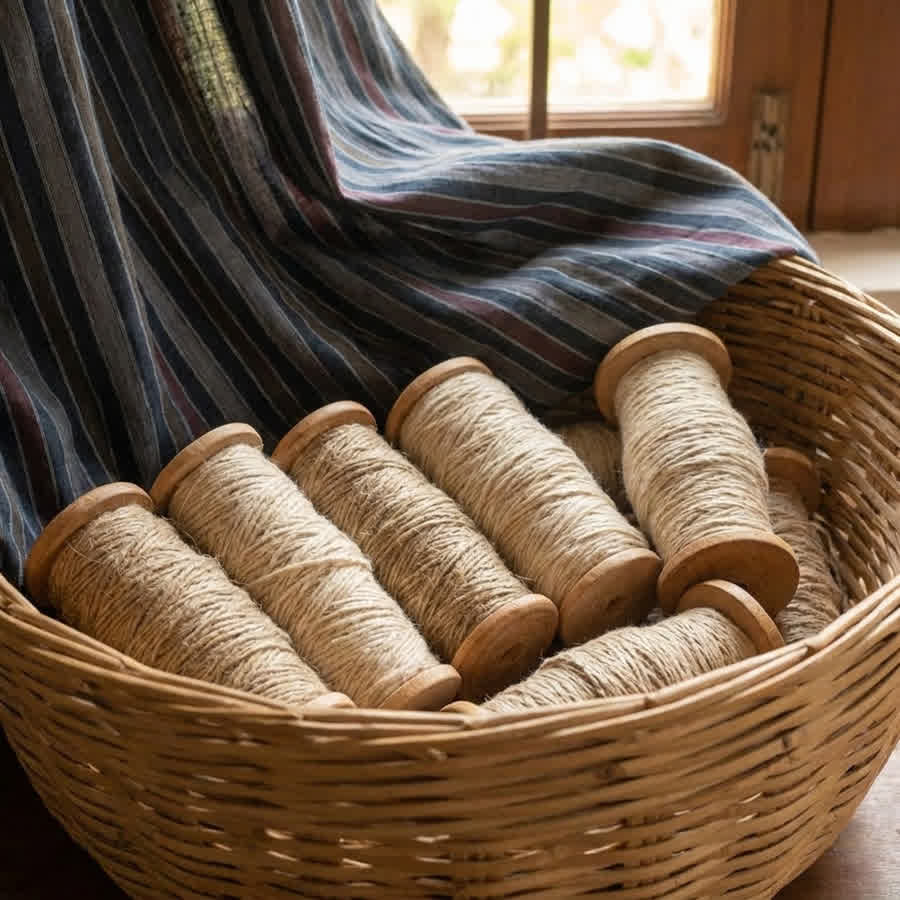
Clear communication regarding lead times is essential for a smooth production cycle. Brands looking to buy hemp fabric should request swatches early in the design phase. Factoring in a buffer for artisan production schedules ensures that seasonal deadlines are met without compromising quality.
Quality Control in Artisan Networks
Maintaining consistency across handloomed textiles requires strict oversight. We implement strict quality control protocols at the cluster level to ensure the fabric meets commercial standards. This involves inspecting the tensile strength of the yarn before it even reaches the loom.
Post-weaving inspections focus on weave density, selvedge integrity, and color consistency. Because hemp takes azo-free and natural dyes so well, we monitor the dye baths closely to ensure uniform saturation. Any yardage that does not meet our apparel-grade specifications is diverted from the main order.
Designers should always request a pre-production sample before authorizing the full run. This sample serves as the benchmark for the final delivery.
- Requesting swatches: Always evaluate the drape and hand-feel of the specific GSM before placing a bulk order.
- Understanding MOQs: Use the flexibility of artisan clusters to produce smaller, targeted capsule collections.
- Factoring lead times: Account for the manual processes of yarn spinning, dyeing, and handloom weaving in your production calendar.
- Evaluating shrinkage: Request pre-washed samples to accurately gauge the 5-7% shrinkage typical of this bast fiber.
Blending Hemp: Enhancing Drape and Softness for Premium Apparel
Blending hemp with fibers like cotton, silk, or wool modifies its natural rigidity, resulting in a softer hand-feel and improved drape for luxury garments. These strategic blends solve the common roughness objection while maintaining the high durability and ecological benefits of the core bast fiber.
Hemp-Cotton and Hemp-Silk Formulations
While 100% hemp is highly durable, some designers require a softer initial touch for specific silhouettes. Blending hemp with organic cotton creates a balanced textile that is immediately comfortable against the skin, making it a practical option for brands sourcing hemp fabric organic for everyday apparel. This combination retains the high tensile strength of hemp while benefiting from cotton's familiar softness.
For premium eveningwear or delicate blouses, a hemp-silk blend offers an exceptional solution. The addition of silk introduces a subtle luster and a fluid, elegant drape. This blend transforms the raw bast fiber into a luxury category, well suited for high-end fashion brands.
The blending process also impacts dye uptake. When combining fibers, the different materials absorb natural dyes at varying rates, sometimes creating a beautiful, subtle melange effect. This adds visual depth to the handloomed textile and makes blended hemp fabrics adaptable across different apparel categories.
Hemp-Wool Blends for Trans-seasonal Collections
Hemp is traditionally viewed as a summer fabric due to its high breathability, similar to bamboo linen fabric. However, blending it with fine wool creates a highly versatile material for trans-seasonal collections. The wool provides thermal insulation, while the hemp ensures structural integrity and moisture-wicking properties.
This specific formulation is ideal for tailored suits, lightweight coats, and autumn trousers. The hemp-wool blend resists pilling better than pure wool, extending the lifespan of the garment. It is a strategic choice for brands focused on garment longevity and sustainable consumption.
When sourcing these blends, it is crucial to verify the origins of both fibers. We ensure that any companion fibers meet the same strict ethical sourcing standards as our core hemp supply.
- Hemp-Cotton blends: Softens the initial crisp hand-feel, making it ideal for everyday casual wear and comfortable shirting.
- Hemp-Silk blends: Adds a luxurious sheen and improves the drape for premium apparel and eveningwear.
- Hemp-Wool blends: Provides thermal regulation and structural durability for trans-seasonal outerwear.
- Dye variations: Different fiber compositions create unique, multi-tonal effects when processed with azo-free dyes.
Explore Our Collection
Anuprerna works directly with handloom artisan clusters to weave hemp fabric for designers and brands building considered collections. To source it for your next line, explore the range below.
frequently asked questions
Q: What is the standard MOQ when looking to buy hemp fabric from artisan weavers?
A: Unlike industrial mills that require thousands of meters, decentralized artisan networks like Anuprerna can often accommodate lower Minimum Order Quantities (e.g., 50-100 meters). This flexibility allows B2B brands to test capsule collections before committing to large-scale production.
Q: How does the shrinkage of hemp fabric compare to conventional cotton?
A: Hemp typically shrinks about 5-7% upon the first wash, which is slightly more than pre-shrunk cotton. B2B buyers and designers should account for this in their pattern grading or request pre-washed yardage during the sourcing phase.
Q: Can handloomed hemp fabric be dyed using natural or azo-free dyes?
A: Yes. Hemp fibers are highly porous and take dye exceptionally well. Anuprerna utilizes azo-free and natural dyes, ensuring that the chemical footprint of the dyeing process remains as low as the agricultural footprint of the hemp itself.
Q: What GSM is best for summer apparel versus structured outerwear?
A: For summer shirts, blouses, and lightweight dresses, a 120-150 GSM plain weave is ideal for breathability. For trousers, jackets, or structured outerwear, a heavier 250-350 GSM canvas or twill weave is recommended for durability and structure.
Q: Does hemp fabric provide natural UV resistance for apparel?
A: Yes, hemp fabric naturally blocks a significant portion of ultraviolet rays due to its dense molecular structure. This inherent UV resistance makes it an excellent choice for summer collections and outdoor wear, adding functional value to the garment.
More Blogs
banana fiber fabric and bamboo fiber fabric: the future of plant-based textiles
eco print fabric: why botanical textiles are becoming the future of sustainable luxury
traditional indian fabrics every designer should know
a complete guide to buying cotton fabric wholesale
khadi cotton fabric leads india's climate-friendly textile movement
can one fabric feel luxurious and sustainable? meet the silk-bamboo blend