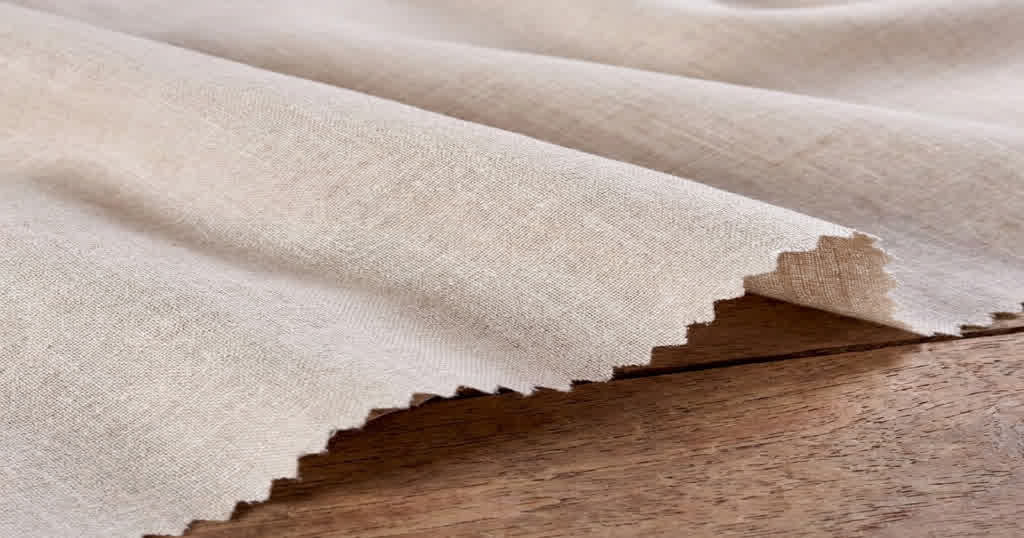
Banana Fiber Fabric and Bamboo Fiber Fabric: The Future of Plant-Based Textiles

Designers are actively replacing synthetic blends and thirsty conventional cotton with bast fibers that offer both structural integrity and a low carbon footprint. Sourcing authentic bamboo fabric has become a critical technical choice for brands aiming to build a verifiable sustainability narrative without sacrificing garment longevity or dye uptake. The shift toward these materials is driven by a need for traceable, low-impact textiles that perform reliably in commercial applications. Understanding the extraction processes behind banana fiber fabric and mechanical bamboo textiles allows independent brands to secure materials that meet strict ESG goals while supporting decentralized, artisanal supply chains.
Decoding Bamboo Silk Fabric vs. Viscose: The True Eco-Friendly Choice
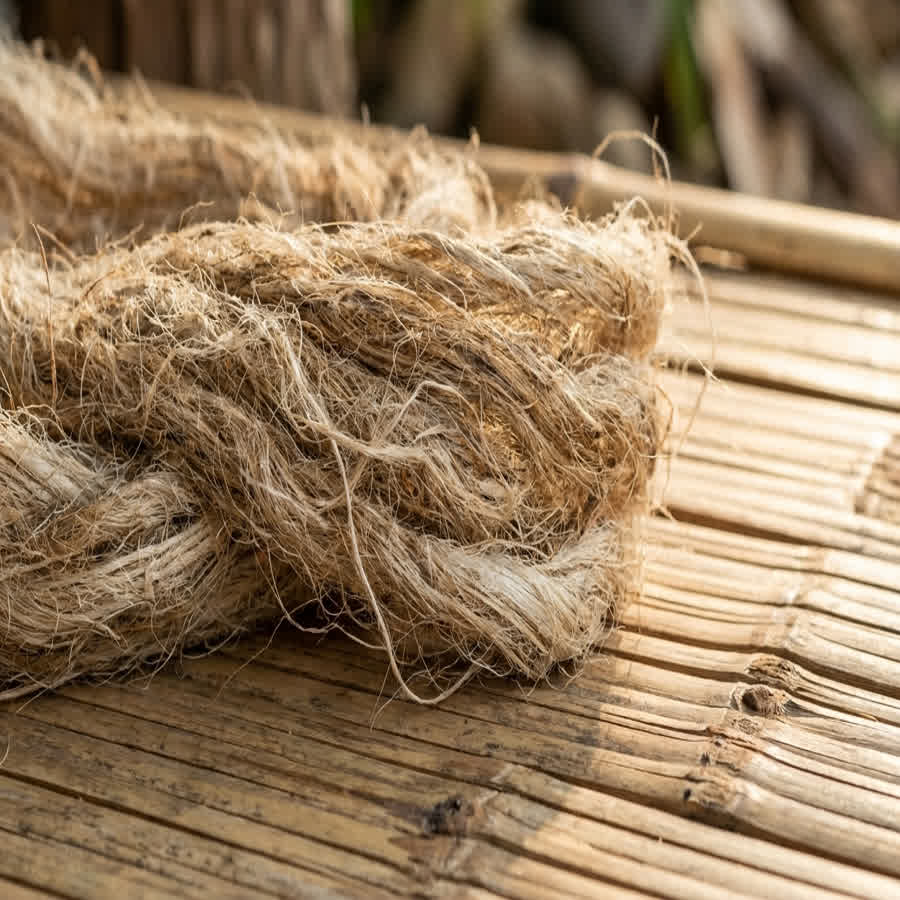
Bamboo silk fabric combines the natural qualities of bamboo with the refined feel of silk. Depending on the construction and blend, it can offer softness, breathability, and a smooth surface, making it suitable for contemporary fashion collections.
At Anuprerna, bamboo is explored through both pure and blended textiles. Our Plain White Pure Bamboo fabric highlights the natural character of bamboo, while our White Mulberry Silk and Bamboo blend combines mulberry silk's softness and subtle sheen with bamboo's breathable qualities.
The Appeal of Bamboo Silk Fabric
The growing interest in bamboo silk fabric comes from its combination of softness, breathability, and a refined appearance. For sustainable fashion brands, it is important to consider the fiber composition, processing method, and fabric construction, as these factors influence the material's properties and environmental profile.
For designers and sourcing teams, checking the bamboo fiber content, manufacturing process, and blend composition helps ensure they understand the material they are sourcing.
This mechanical approach ensures the final textile maintains its structural integrity and natural performance characteristics. The resulting fabric typically offers a GSM of 120-200, providing excellent durability for structured garments.
The benefits of mechanical extraction include:
- High moisture wicking: The natural micro-gaps in the fiber remain intact, pulling moisture away from the skin.
- Antimicrobial retention: The inherent bamboo kun bio-agent survives the physical processing.
- Zero toxic discharge: The absence of carbon disulfide ensures the surrounding water systems remain unpolluted.
Why Chemical Viscose Falls Short
When buyers ask if bamboo fabric eco friendly claims are valid, the answer depends entirely on the supply chain. Standard viscose production requires intensive chemical baths that discharge toxic effluents, negating the agricultural benefits of the fast-growing bamboo plant.
By choosing mechanically processed bamboo, designers secure a textile that aligns with rigorous environmental standards. This choice directly impacts the brand's sustainability story, offering a verifiable alternative to greenwashed synthetics.
The Anatomy of Banana Fiber Fabric: Strength, Sheen, and Sustainability
Banana fiber fabric derives its exceptional tensile strength and natural silk-like sheen from its high lignin content, making it a highly durable, sustainable vegan alternative to animal-derived silks. The fiber is extracted from the pseudostem of the Musa plant, utilizing agricultural waste that would otherwise be discarded.
The extraction of this bast fiber has ancient roots, dating back to 13th-century Japanese Bashofu and Southeast Asian traditions. We adapt these ancient extraction techniques to India's rich handloom heritage, empowering rural artisans through decentralized production.
High Lignin and Tensile Strength
The structural core of banana fiber content is heavily defined by lignin, a complex organic polymer that gives the plant its rigidity. This high lignin ratio translates directly into a textile with low elongation and high resistance to friction.
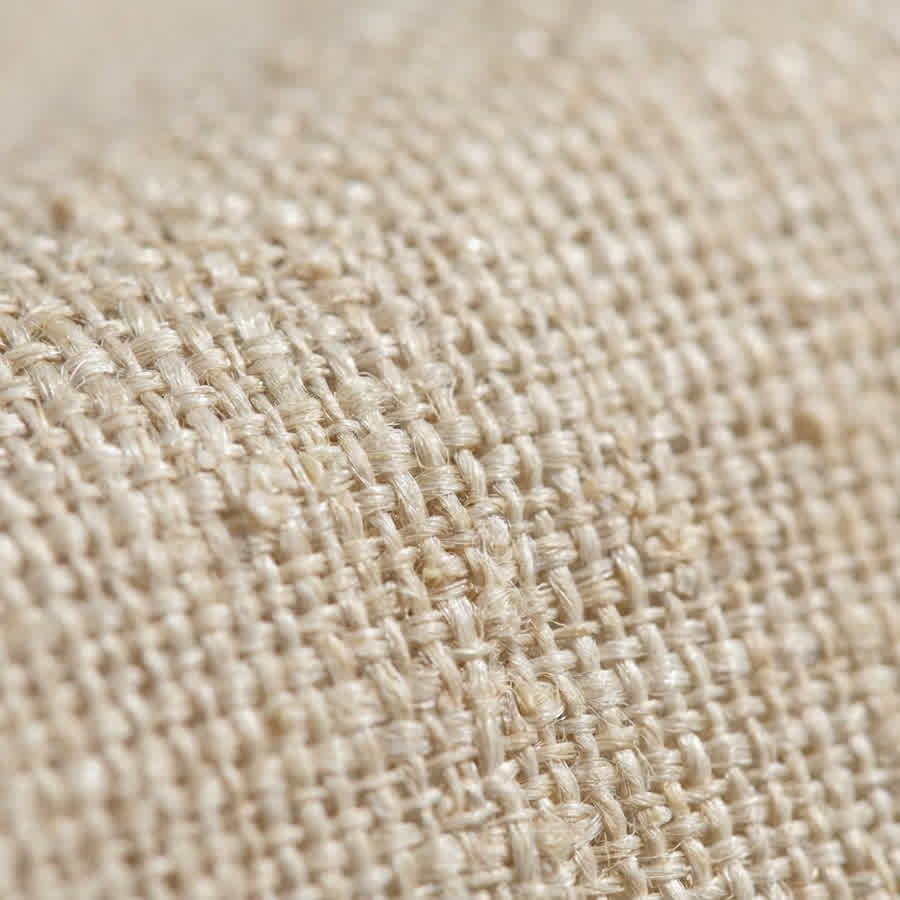
For a designer, this means garments hold their shape exceptionally well over time. The natural stiffness requires careful handling during the spinning phase, where rural Indian artisans hand-spin the fibers to maintain their structural silhouette.
Key technical properties of this fiber include:
- Exceptional tensile strength: The bast fibers resist tearing and degradation, ensuring long-term garment durability.
- Low elongation: The fabric maintains its structural silhouette without sagging after repeated wear.
- High moisture absorption: The porous nature of the fiber allows it to take up dyes efficiently and breathe well in humid climates.
A Vegan Alternative to Silk
Because of its natural lustrous sheen, pure banana textile is increasingly sourced as a cruelty-free replacement for conventional silk. The visual texture offers a subtle, organic variation that factory-extruded fibers cannot replicate.
When woven on traditional pit looms, the resulting fabric possesses a unique tactile quality that appeals to boutique fashion brands. This combination of visual elegance and zero-waste credentials provides a compelling narrative for eco-conscious collections.
Formulating the Well suited Blend: Bamboo Cotton and Banana Cotton Fabric
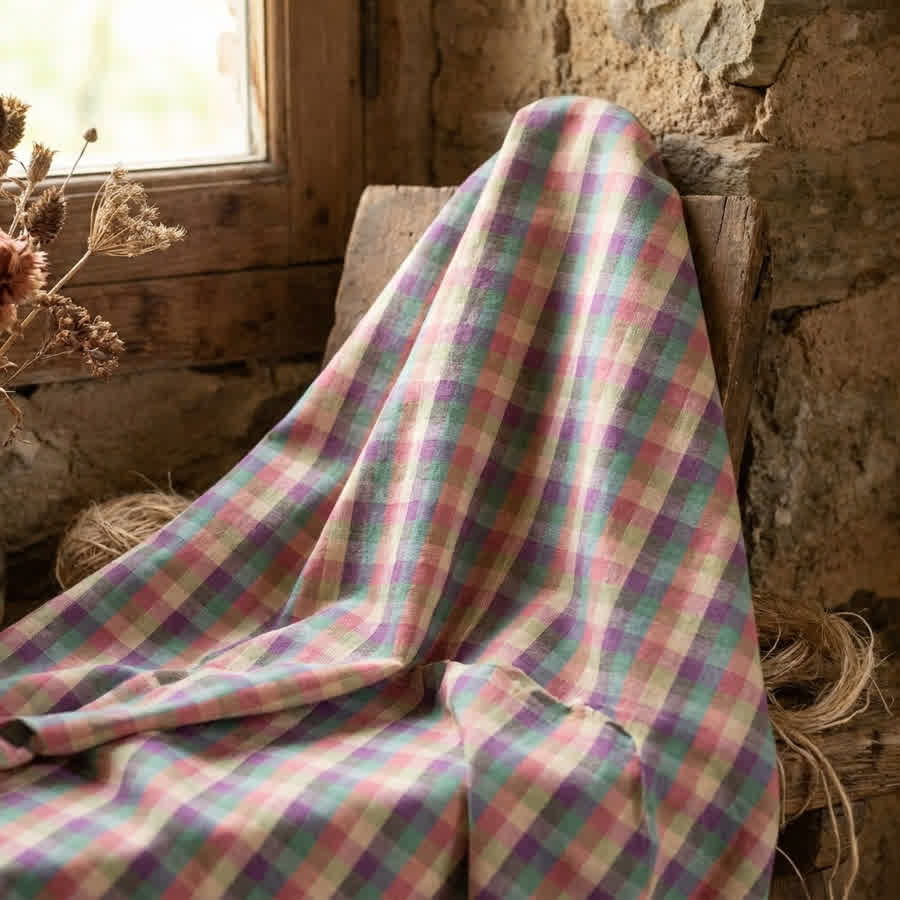
Blending these bast fibers with cotton to create bamboo cotton material or banana cotton fabric optimizes both drape and durability, making the textiles highly workable for commercial fashion applications. These strategic blends balance the natural stiffness of raw plant fibers with the familiar softness of cotton.
Pure bast fibers can sometimes present challenges for everyday apparel due to their rigid structure. By introducing cotton into the spinning or weaving process, we achieve a versatile textile that meets the tactile expectations of modern consumers.
Optimizing Drape with Bamboo Cotton
A well-engineered bamboo cotton blend softens the inherent crispness of pure bamboo linen, resulting in a fluid, supple drape. This combination is particularly effective for lightweight shirting, dresses, and breathable summer collections.
The cotton acts as a stabilizing agent during the weaving process, reducing the risk of yarn breakage on the handloom. This synergy allows weavers to produce consistent yardage while maintaining the eco-friendly profile of the primary fiber.
The technical advantages of this blend include:
- Enhanced breathability: The combination of two highly porous cellulose fibers maximizes air circulation.
- Improved dye uptake: The blended yarns absorb natural and azo-free dyes deeply, yielding rich, colorfast hues.
- Workable softness: The addition of cotton provides a gentle hand-feel suitable for direct skin contact.
Structural Integrity in Banana Cotton Material
When formulating banana cotton fabric, the goal is to temper the high lignin stiffness of the banana fiber without losing its characteristic strength. The resulting blend typically yields a highly versatile GSM of 80-150.
This specific weight range is ideal for transitional outerwear and structured tailoring. The cotton fibers fill the microscopic gaps between the coarser banana yarns, creating a dense, cohesive weave.
For sourcing managers, this blend offers a reliable, consistent material that scales well for artisanal capsule collections. It bridges the gap between experimental plant-based textiles and commercially viable fashion fabrics.
Manage Banana Fabric Price and B2B Sourcing Economics
The banana fabric price is driven by the labor-intensive manual extraction of the fibers, the intricate hand-spinning process, and the decentralized handloom weaving technique required to produce it. This cost structure reflects a premium, artisanal textile that guarantees fair wages for rural weavers and a low carbon footprint.
B2B buyers often compare plant-based textiles to mass-produced synthetics, but the economic model of artisanal handlooms is fundamentally different. The value lies in the traceability, the social impact, and the zero-waste nature of the raw material.
The Cost of Artisanal Extraction
Extracting usable fiber from the banana pseudostem is a meticulous physical process that cannot be easily mechanized without damaging the bast fibers. Artisans manually scrape the sheaths to separate the fibrous core from the pulpy biomass.
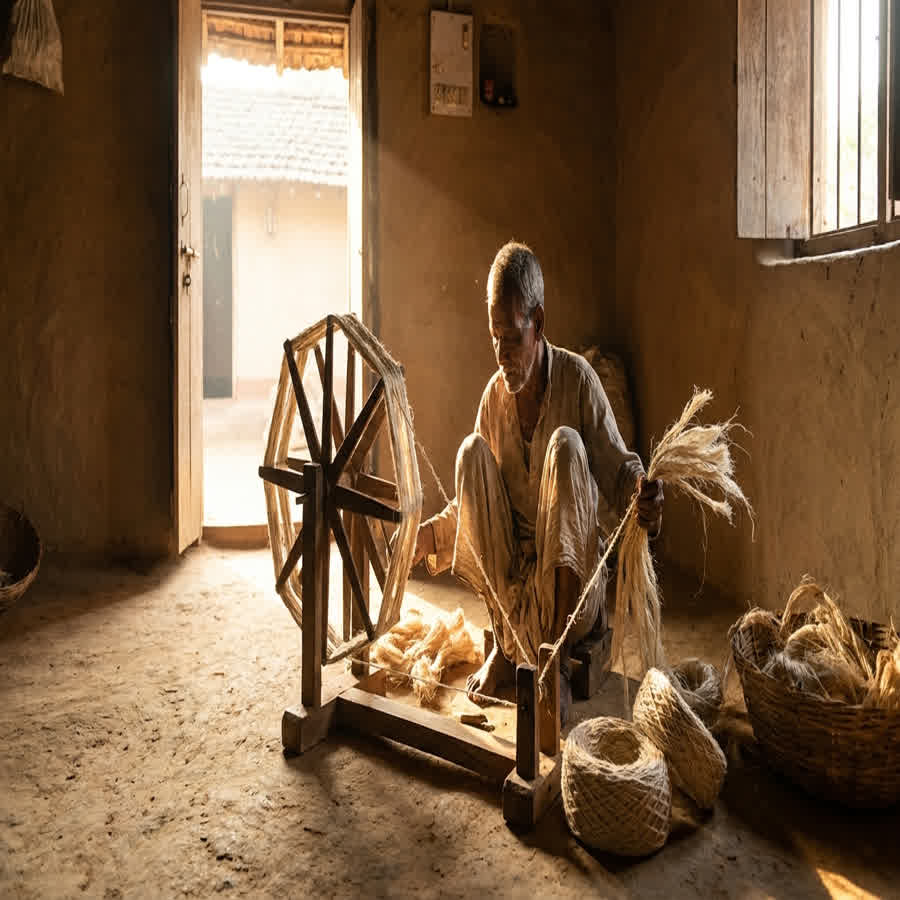
This slow, deliberate extraction ensures the high quality yarn, but it inherently limits daily yield. The pricing reflects this low-volume, high-quality production model, which is essential for maintaining the structural integrity of the fiber.
The primary factors influencing the wholesale cost include:
- Manual fiber extraction: The labor required to process the raw pseudostem into spinnable bast fibers.
- Hand-spinning complexities: The skill needed to draft and spin high-lignin fibers into uniform yarns.
- Decentralized weaving: The time-intensive nature of setting up and operating traditional handlooms across rural clusters.
Value Beyond the Price Tag
For a sustainable sourcing manager, the investment in this textile goes beyond the raw material cost. Purchasing these fabrics directly funds rural Indian livelihoods and preserves generational weaving knowledge.
The resulting textile offers a unique, textured hand-feel and a compelling farm-to-fabric story that brands can market to their end consumers. In a market saturated with opaque supply chains, this level of transparency justifies the premium positioning of the final garment.
Empowering Rural Artisans: The Decentralized Supply Chain of Plant-Based Textiles
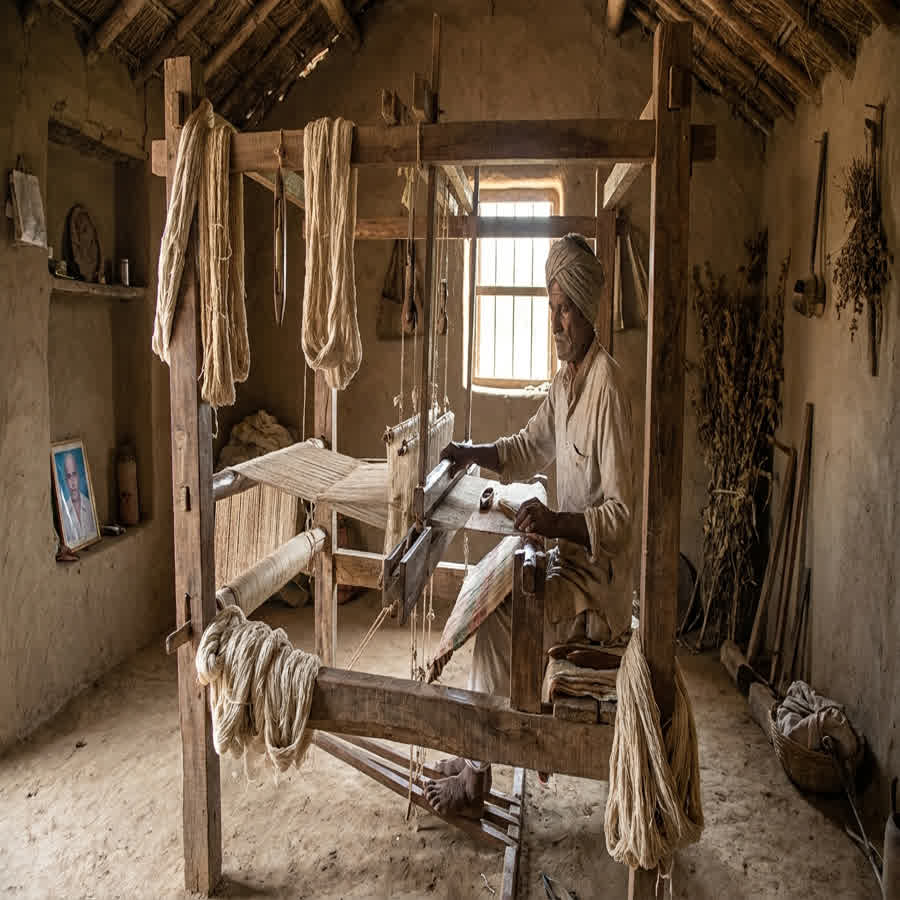
Anuprerna connects rural Indian handloom weavers of plant-based fibers to global B2B buyers, providing a decentralized supply chain that ensures ethical craftsmanship and direct social impact. By adapting ancient bast fiber extraction techniques to India's rich handloom heritage, we offer low-carbon-footprint materials that factory-made textiles cannot replicate.
Centralized industrial factories often strip the character from natural fibers and disconnect the buyer from the maker. Our model relies on a network of skilled artisans across rural clusters, ensuring that every meter of fabric supports a localized economy.
Adapting Ancient Traditions to Modern Handlooms
The integration of bamboo linen fabric and banana fibers into traditional Indian weaving requires significant skill and adaptation. Weavers accustomed to standard cotton, silk, or intricate jacquard fabric must adjust their loom tension and handling techniques to accommodate these unique bast fibers.
This adaptation preserves the heritage of the handloom while pushing the boundaries of sustainable material science. The resulting textiles carry the subtle, organic irregularities that signify true hand-craftsmanship.
The benefits of this decentralized approach include:
- Low minimum order quantities (MOQs): Artisanal clusters can accommodate small-batch capsule collections for independent designers.
- Zero-carbon production: Handlooms operate entirely without electricity, drastically reducing the environmental impact of the weaving phase.
- Preservation of craft: Continuous demand for these complex fibers keeps traditional weaving techniques economically viable.
Traceability in Decentralized Production
B2B designers require absolute transparency when making eco-friendly claims. Our decentralized model allows us to trace the journey of the fiber from the agricultural waste of the banana farm to the specific weaving cluster in Bengal.
This farm-to-fabric visibility arms the designer with both the technical data and the narrative required to market their collections effectively. It proves that high-quality, sustainable textiles can be sourced reliably without relying on opaque, centralized manufacturing.
Explore Our Collection
Anuprerna works directly with handloom artisan clusters to weave bamboo linen fabric for designers and brands building considered collections. To source it for your next line, explore the range below.
frequently asked questions
What is the technical difference between bamboo cotton material and pure bamboo linen fabric?
Pure bamboo linen fabric is mechanically extracted directly from the bamboo culm, similar to flax, retaining its natural tensile strength and a slightly *textured hand-feel*. Bamboo cotton material blends bamboo fibers (often mechanically processed or closed-loop lyocell) with cotton to soften the drape, increase breathability, and optimize the fabric for everyday apparel.
How does the banana fiber content affect the final textile's properties?
Higher banana fiber content increases the fabric's tensile strength, moisture absorption, and natural sheen, but can result in a stiffer drape due to the fiber's high lignin content. Blending it to create banana cotton fabric balances this stiffness with wearable softness and structural integrity.
Is bamboo fabric eco friendly if it is processed chemically?
Standard bamboo viscose requires heavy chemicals like carbon disulfide, which is not eco-friendly. We advocate for mechanical bamboo linen fabric or closed-loop processing, which preserves the fiber's natural integrity without discharging toxic effluents into the environment.
What factors influence the banana fabric price for wholesale buyers?
The banana fabric price is primarily driven by the labor-intensive, manual extraction of bast fibers from the banana pseudostem, the intricate hand-spinning process, and the decentralized handloom weaving technique. This reflects a premium, artisanal textile that supports fair wages for rural weavers.
What is the ideal GSM for a bamboo cotton blend used in commercial fashion?
A bamboo cotton blend optimized for commercial shirting and lightweight apparel typically falls within a GSM of 120-200. This specific weight provides the necessary durability for daily wear while maintaining a fluid, *breathable drape* that designers require for summer collections.
More Blogs
buying hemp fabric: what fashion brands need to know
eco print fabric: why botanical textiles are becoming the future of sustainable luxury
traditional indian fabrics every designer should know
a complete guide to buying cotton fabric wholesale
khadi cotton fabric leads india's climate-friendly textile movement
can one fabric feel luxurious and sustainable? meet the silk-bamboo blend