A Complete Guide to Buying Cotton Fabric Wholesale

A designer reviewing a tech pack often faces a critical choice between synthetic blends and natural fibers. Sourcing cotton fabric wholesale requires balancing strict aesthetic demands with increasingly rigorous environmental standards. Many brands struggle to find traceable textile sources that offer both consistent material quality and a verifiable origin story. The shift away from opaque, mass-produced supply chains makes direct artisan partnerships highly valuable for modern production.
Securing authentic handloom cotton directly from rural weaving clusters ensures strict ESG compliance and provides the unique fabric character that premium consumers expect. This approach replaces commodity purchasing with a transparent, low-carbon sourcing model that directly supports the communities crafting the material.
Decoding Cotton Fabric Wholesale: Mill-Made vs. Artisan Handloom
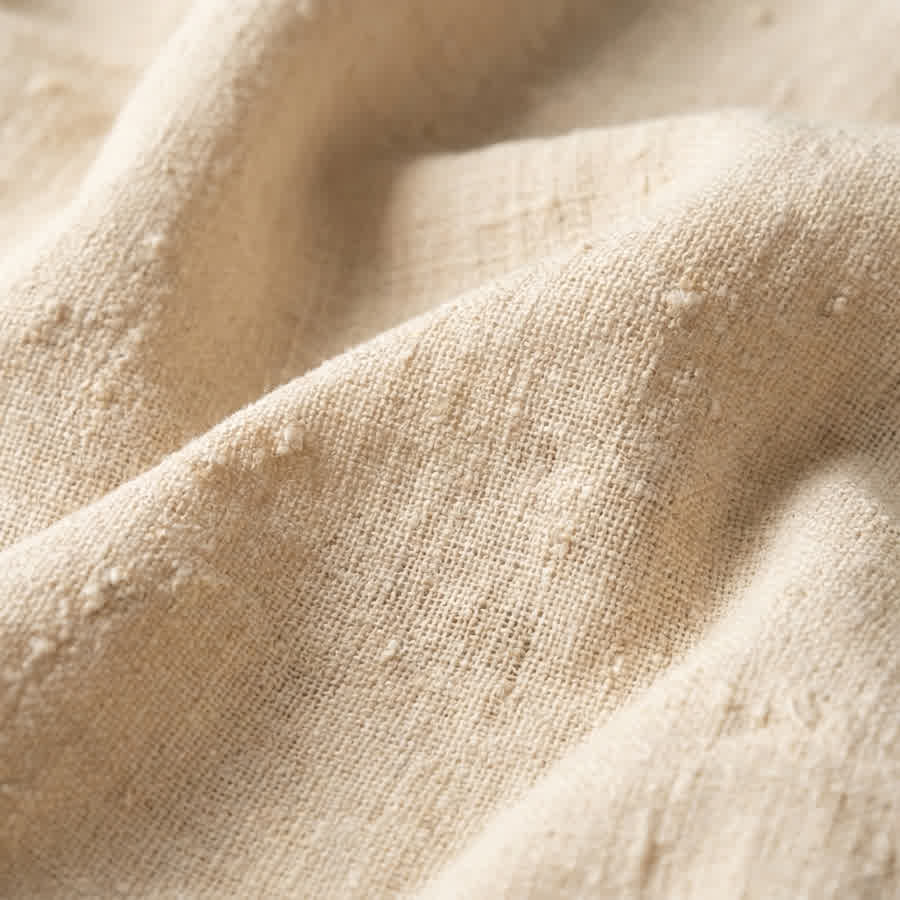
Buying cotton fabric wholesale involves choosing between uniform, high-volume mill production and the distinct, low-carbon craftsmanship of artisan handlooms. Mill-made fabrics offer absolute uniformity for mass production, while handloom textiles provide superior breathability and unique textural variations suited for premium collections.
The Mechanics of Mill-Made Production
Power looms and commercial mills prioritize speed and exact replication across thousands of meters of yardage. This automated method produces tightly packed yarns that create a flat, highly uniform surface across the entire roll. While this suits mass-market apparel, the heavy reliance on electricity and water significantly increases the environmental footprint of the final garment.
Buyers seeking Cotton fabric for premium or boutique collections often find these machine-made materials lack tactile depth. The aggressive tension applied by power looms flattens the natural structure of the fiber. This results in a textile that, while durable, often requires chemical finishing to achieve a softer hand-feel.
The Handloom Advantage
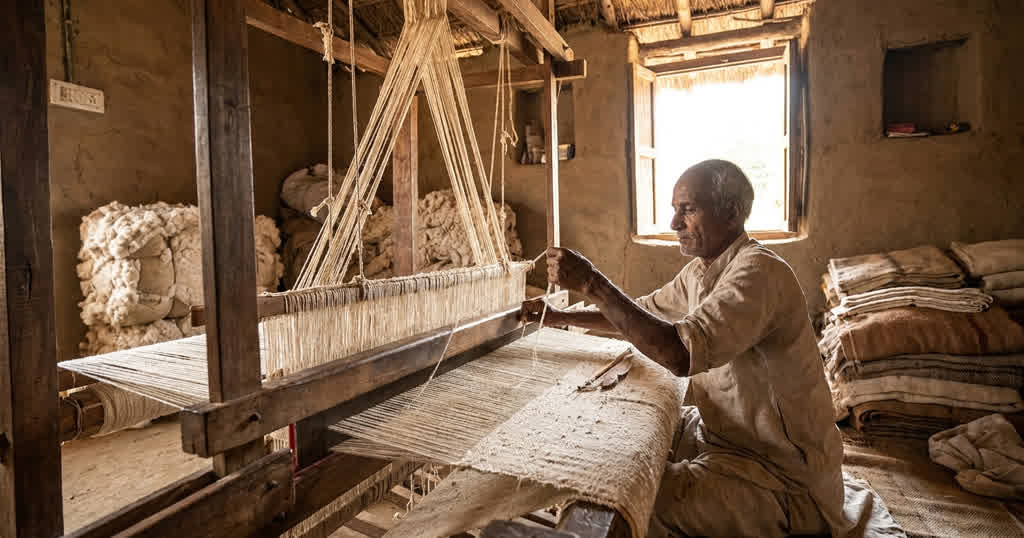
Hand-spun and handwoven traditions, such as Khadi and Muslin, represent centuries of decentralized production in regions like Bengal. The manual weaving process introduces textural irregularities that give the fabric a distinct, dry, crisp hand-feel. These subtle variations are not defects but structural features that enhance the performance of the material.
- Micro-gaps: Manual tensioning creates tiny spaces between threads, drastically improving air permeability and comfort.
- Moisture-wicking: The natural structure of the yarn remains intact, allowing the fabric to pull sweat away from the skin efficiently.
- Zero-waste credentials: Handloom production operates entirely off the grid, resulting in a low-carbon textile process.
Both production methods can produce fabrics ranging from 60 to 250+ GSM. However, a 150 GSM handloom fabric will drape differently than a 150 GSM power-loom fabric due to the yarn tension. Designers specifying materials for their collections must account for this difference in their tech packs, as the soft drape of handwoven material often requires less structural interfacing.
The Decentralized Supply Chain: Achieving True Traceability in B2B Sourcing
True traceability in B2B sourcing is achieved by bypassing opaque factory networks and partnering directly with decentralized rural artisan clusters. This model mitigates supply chain risks while ensuring ethical labor practices and complete transparency from yarn to yardage.
Mapping the Artisan Network
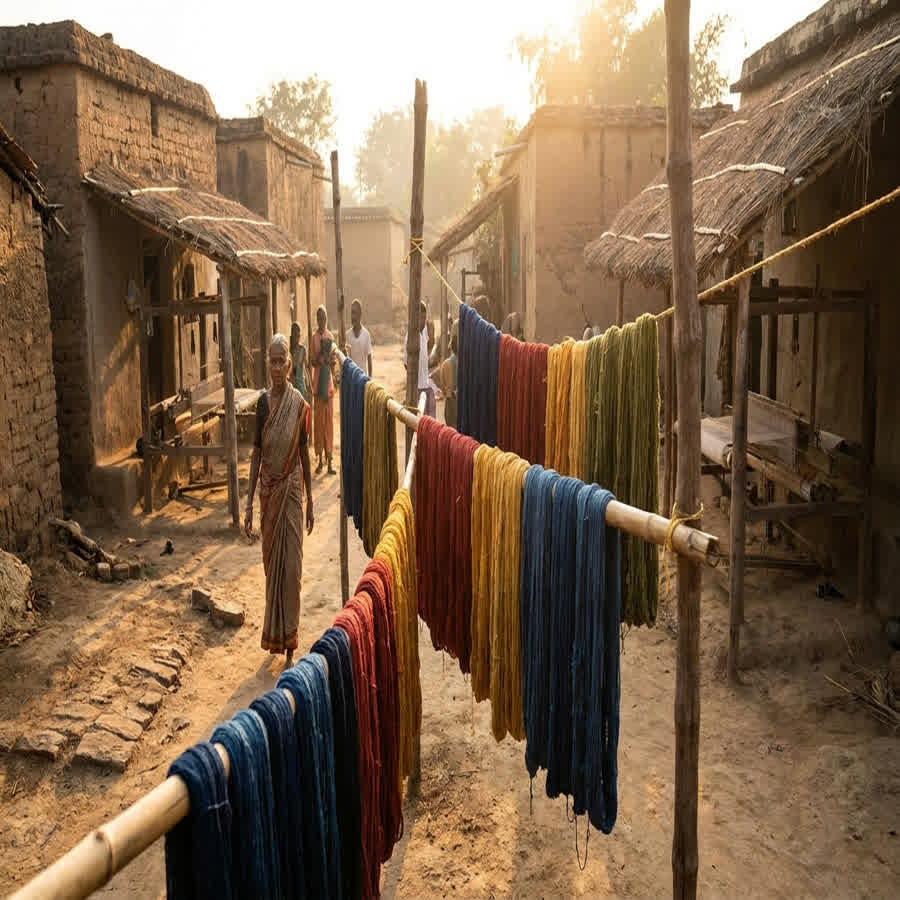
Conventional textile sourcing often obscures the origin of the raw materials behind multiple middlemen and regional aggregators. A decentralized supply chain operates differently, distributing production across specific weaving villages in regions like Murshidabad and Malda. We currently work with numerous artisan clusters, allowing buyers to trace their Cotton fabric back to the exact community that wove it.
This direct line provides a powerful sustainability narrative for brands to share with their consumers. Knowing the exact origin of the material allows designers to market the heritage and human skill embedded in the garment. It transforms a basic raw material into a value-added component of the brand's identity.
Mitigating Supply Chain Risks
Relying on massive centralized factories exposes brands to significant disruptions and hidden ethical violations. Sourcing cotton fabric wholesale through decentralized networks spreads the production volume across multiple independent looms. This structure inherently protects against localized shutdowns and ensures ethical labor practices are maintained at the community level.
- Direct communication: Working closely with cluster leaders ensures accurate timelines and immediate updates on production capacity.
- Fair compensation: Removing intermediaries guarantees that a larger percentage of the purchase price goes directly to the rural artisans.
- ESG compliance: Transparent cluster mapping satisfies increasingly strict corporate sustainability requirements for B2B buyers.
Brands transitioning to this model often find that the relationship becomes collaborative rather than purely transactional. Designers can request specific yarn counts or dye techniques directly from the source. This level of control over the raw material specifications is rarely possible in conventional wholesale markets without massive minimum order commitments.
Understanding GSM, Weaves, and Applications for Cotton Fabric
Selecting the correct GSM and weave structure determines whether a cotton textile is suited for lightweight apparel or durable home goods. Understanding these material science specifications allows designers to match the fabric's physical properties to their exact product requirements.
Weave Structures and Tactile Properties
The architecture of the weave dictates the durability, drape, and visual appeal of the material. A standard plain weave offers a balanced, breathable structure ideal for everyday shirting and lightweight linings. In contrast, a twill weave creates diagonal ribbing, resulting in a heavier, more durable textile with a structured drape.
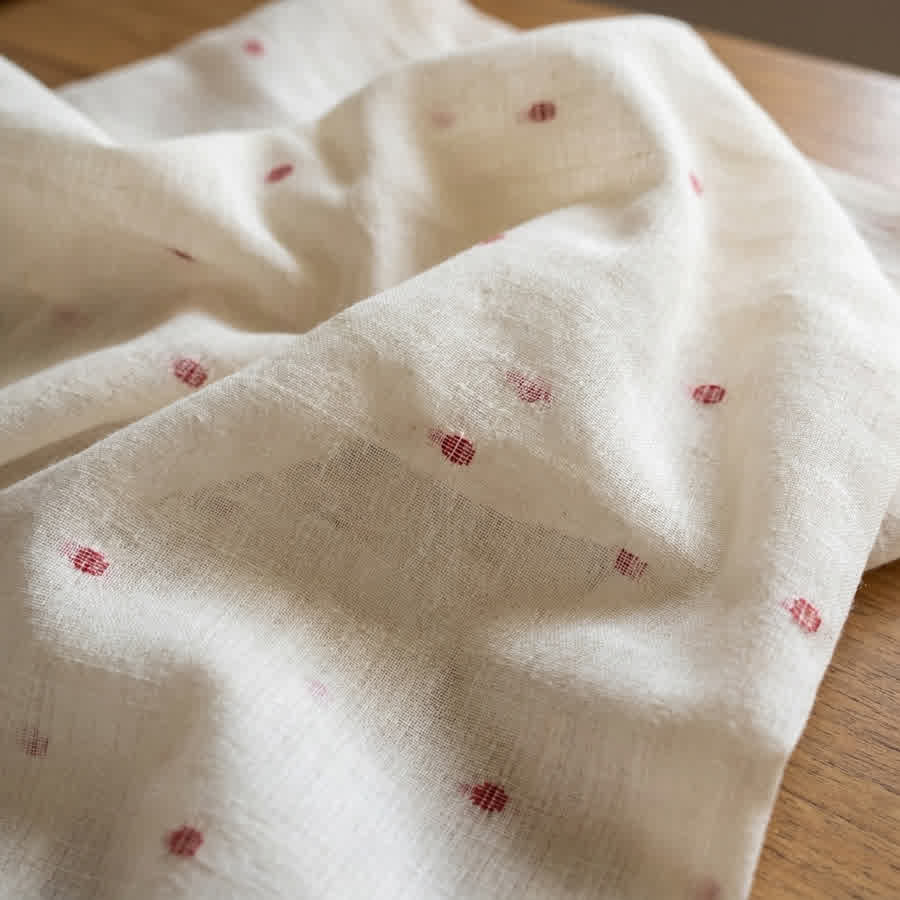
For premium collections, artisanal techniques like Jamdani introduce supplementary weft motifs directly into the loom. This creates intricate, un-backed patterns that appear to float on the surface of the Cotton fabric. Specifying the correct weave is just as critical as selecting the fiber itself, as it fundamentally alters how the garment will hold its shape.
Matching GSM to Product Categories
Weight is a primary factor when purchasing cotton fabric wholesale, measured in Grams per Square Meter. The GSM specification directly impacts the fabric's opacity, thermal properties, and suitability for different climates. Designers must specify the correct weight to ensure the material performs as intended in the final product.
- 60 to 90 GSM: Highly breathable and semi-sheer, well suited for summer blouses, linings, and lightweight apparel.
- 100 to 150 GSM: The industry standard for dresses and button-down shirts, offering a balance of durability and drape.
- 180 to 250+ GSM: Heavy and opaque, utilizing long-staple fibers for trousers, jackets, and boutique home textiles.
The choice of fiber length also plays a crucial role in the fabric's longevity and surface texture. Long-staple cotton produces smoother yarns that resist pilling over time, maintaining a clean finish. When sourcing materials for high-wear items like upholstery or heavy outerwear, specifying long-staple yarns ensures the product maintains its integrity through repeated washing.
Manage MOQs, Lead Times, and Wholesale Pricing with Artisans
Managing inventory with artisan networks requires understanding their unique production rhythms, which offer lower MOQs but necessitate flexible lead times. Negotiating fair wholesale terms based on these factors supports rural economies while providing brands with exclusive, high-quality textiles.
Rethinking Minimum Order Quantities
Commercial mills typically demand minimums in the thousands of meters, locking small to mid-sized brands out of custom production. Decentralized artisan networks offer a distinct advantage by accommodating lower MOQs, often starting around 50 to 100 meters. This flexibility allows boutique brands to source cotton fabric wholesale without overextending their inventory budgets or warehouse space.
However, highly complex weaves or custom natural dye lots may require slightly higher minimums to justify the setup time on the loom. Buyers must balance their desire for exclusivity with the practical realities of preparing the warp threads. Establishing a core range of standard fabrics alongside seasonal custom weaves is a proven strategy for managing these minimums.
Aligning Production Timelines
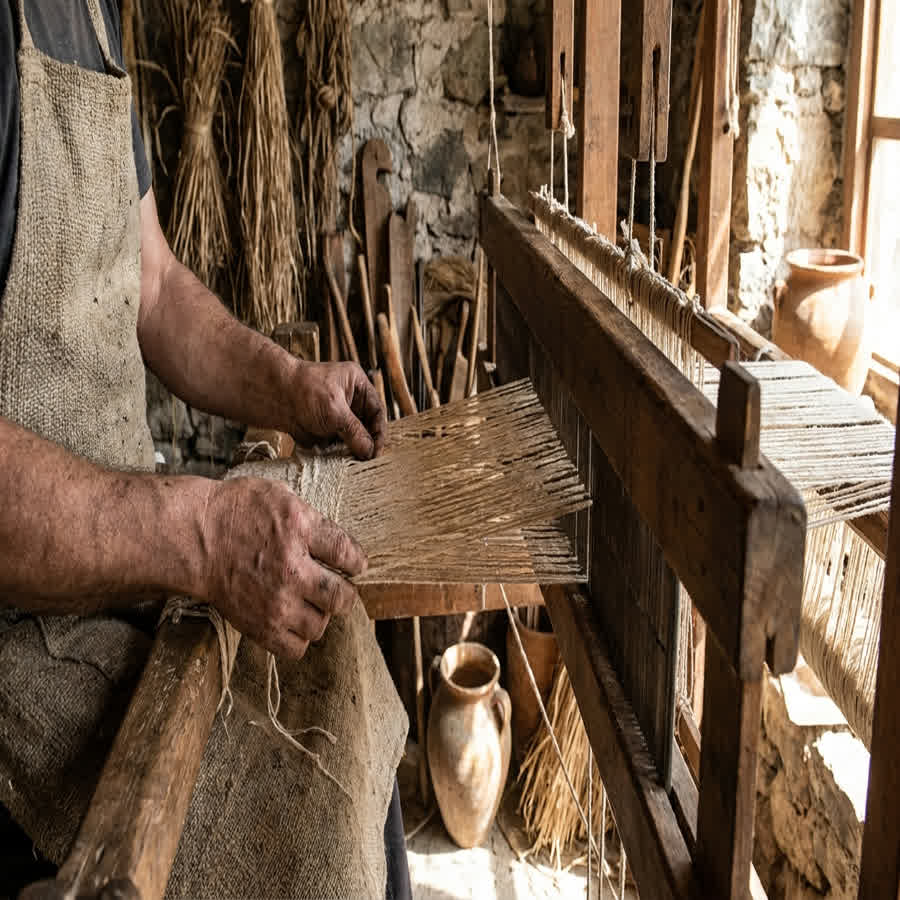
Handloom production is an organic process tied to human labor and environmental conditions. Unlike automated factories, artisan lead times are influenced by factors such as monsoon seasons, which directly affect yarn drying times. Buyers must build these variables into their sourcing calendars to avoid production bottlenecks and missed delivery dates.
- Loom setup: Preparing the warp threads is a labor-intensive process that dictates the initial production timeline.
- Weather dependencies: Natural dyeing and sizing require ample sunlight, making seasonal planning essential for timely delivery.
- Capacity planning: Distributing large orders across multiple weaving clusters can expedite production without compromising quality.
Pricing in this sector reflects the true cost of skilled human labor and sustainable practices. While the per-meter cost of artisanal Cotton fabric may be higher than commodity textiles, the value lies in the fabric character and the ethical supply chain. Transparent pricing models ensure that artisans receive fair compensation, support long-term stability for both the weavers and the sourcing brands.
Evaluate the Production Process, Not Just the Fabric
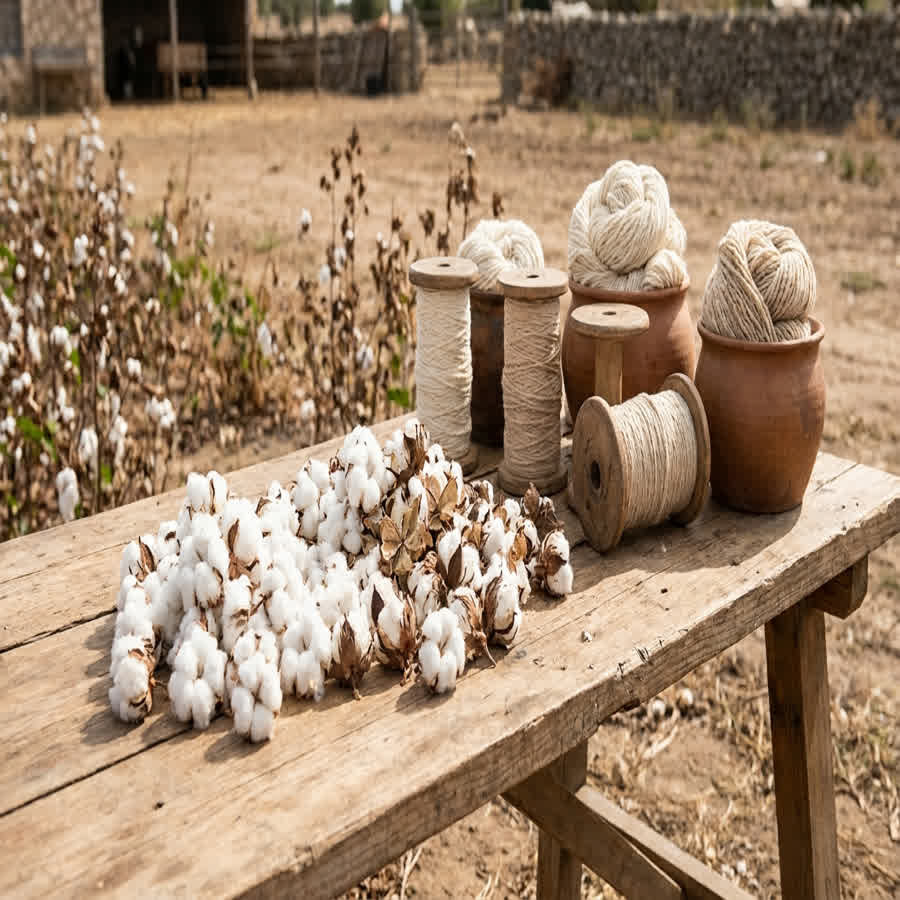
When buying cotton fabric wholesale, it's important to understand how the fabric is produced, not just how it looks or feels. The manufacturing process influences quality, consistency, environmental impact, and the overall value of the fabric.
Hand-spun and handwoven cotton, for example, is crafted using traditional techniques that require minimal energy. Unlike industrial production, which depends on automated machinery, handloom weaving relies on skilled artisans, resulting in a lower environmental footprint while preserving exceptional craftsmanship.
For wholesale buyers, evaluating the production process also means looking beyond price. Consider factors such as fibre quality, weaving consistency, finish, and transparency in sourcing. Suppliers who can clearly explain where the cotton comes from and how it is processed are often better positioned to deliver consistent quality over long-term partnerships.
What to Consider Before Choosing a Supplier
A fabric's environmental impact is shaped not only by the raw material but also by how it is made. Traditional hand-spinning and hand-weaving consume significantly less energy than conventional mill production, making handloom cotton a lower-impact choice for brands seeking responsibly crafted textiles.
- Fabric consistency: Ensure the weave, colour, and texture remain uniform across bulk orders.
- Production capacity: Confirm the supplier can meet your required quantities and delivery schedules.
- Transparency: Choose suppliers who openly share information about fibre sourcing and production methods.
- Craftsmanship: Handwoven cotton offers unique texture, durability, and authenticity that machine-made fabrics cannot replicate.
- Customization: Check whether the supplier can provide custom colours, GSMs, weaves, or finishes for your collection.
For brands that prioritize sustainability, handwoven cotton provides an additional advantage. Its low-energy production process, combined with the expertise of skilled artisans, supports responsible sourcing while creating textiles with lasting quality and character.
Explore Our Collection
Anuprerna works directly with handloom artisan clusters to weave cotton fabric wholesale for designers and brands building considered collections. To source it for your next line, explore the range below.
frequently asked questions
What is the typical MOQ for wholesale handloom cotton fabric?
The typical MOQ for wholesale handloom cotton ranges from 50 to 100 meters, depending on the supplier and the complexity of the weave. Unlike conventional mills that require thousands of meters, decentralized artisan networks like Anuprerna offer these **lower MOQs** to support boutique brands. Custom weaves and specific **natural dye lots** may require slightly higher minimums to cover the labor-intensive loom setup costs.
How does the GSM of handloom cotton compare to power-loom cotton?
Handloom cotton achieves the exact same GSM ranges, typically 60 to 250 GSM, as power-loom fabrics, but offers a softer drape and better airflow at identical weights. The manual weaving process creates **micro-gaps** in the yarn structure, offering superior breathability. This structural difference means a 150 GSM handwoven **Cotton fabric** will feel distinctively different from a 150 GSM machine-made fabric.
Can I request custom dyeing and printing for wholesale cotton orders?
Yes, B2B buyers can request custom AZO-free or natural dyeing, as well as artisanal block printing or screen printing for their wholesale orders. Lead times will vary based on the complexity of the design and the **artisan cluster's capacity**. Weather conditions also play a critical role, as **natural dyeing** requires ample sunlight for proper drying and color setting.
How do I verify the traceability of my wholesale cotton fabric?
You verify traceability by partnering with suppliers who provide detailed, cluster-level transparency mapping the fabric back to specific rural weaving villages. Anuprerna tracks the fabric directly to the source, ensuring buyers know exactly who made their material. This level of documentation confirms the **weaving techniques** used and the **ethical conditions** of the workspace.
What is the difference between carded and combed cotton in wholesale sourcing?
Combed cotton undergoes an additional processing step to remove short fibers and impurities, resulting in a smoother, stronger yarn than basic carded cotton. When sourcing **cotton fabric wholesale**, specifying combed cotton ensures higher durability and a softer hand-feel for premium garments. Carded cotton remains slightly fuzzier and is often used for heavier, more textured **rustic weaves**.
More Blogs
traditional indian fabrics every designer should know
khadi cotton fabric leads india's climate-friendly textile movement
can one fabric feel luxurious and sustainable? meet the silk-bamboo blend
handwoven jamdani vs machine-made: what wholesale buyers should know
raw silk fabrics: uses, texture, and styling ideas
french terry vs. fleece: choosing the right loopback fabric for your collection