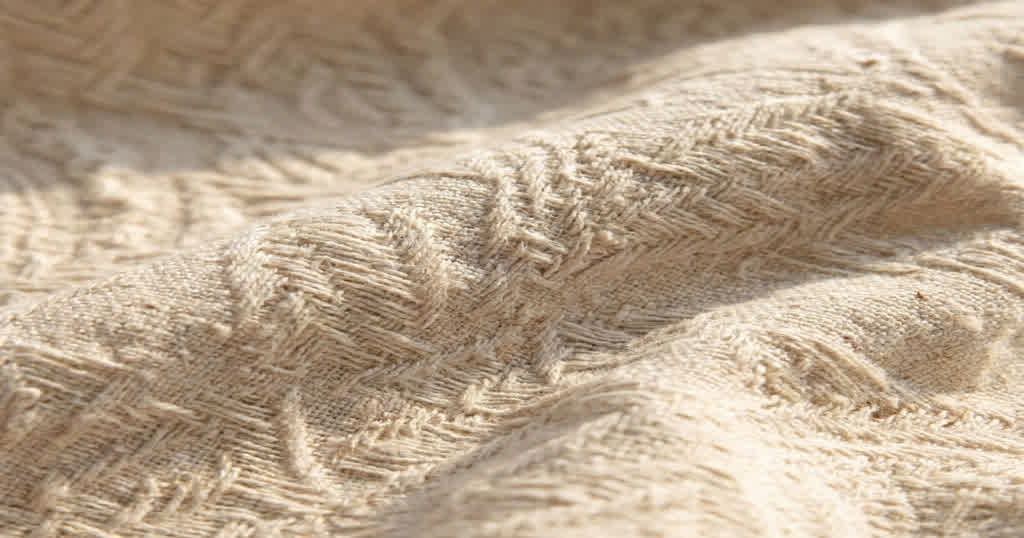
Jacquard Fabric: What It Is, How It’s Made & How to Choose the Right Fabric

Designing a structured jacket or a bespoke evening gown often leads a creator straight to jacquard fabric. The challenge arises when standard commercial swatches feel stiff, heavy, and entirely disconnected from a brand's sustainability goals. Mass-produced synthetic blends dominate the market, leaving independent creators searching for textiles that offer both structural integrity and a low-carbon footprint. The decision to source this complex weave in natural fibers directly impacts garment longevity, dye uptake, and the ethical narrative a brand shares.
Moving away from industrial powerlooms to decentralized artisan networks allows for intricate, raised motifs that retain a soft, breathable hand-feel. Understanding the mechanics behind this textile ensures better sourcing decisions for collections that require both aesthetic depth and environmental responsibility.
What is Jacquard Fabric? Beyond the Industrial Loom
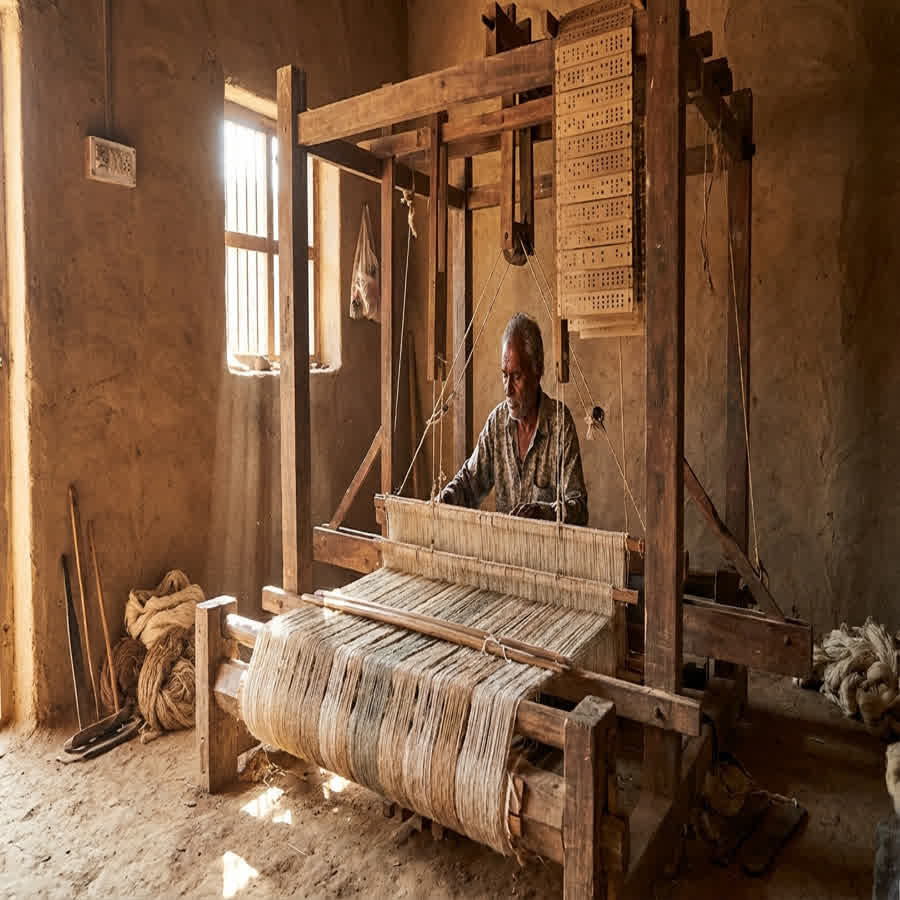
What is jacquard fabric? It is a specialized weaving mechanism that produces structural, raised patterns directly into the textile, rather than printing or embroidering them onto a finished surface.
Invented by Joseph Marie Jacquard in 1804, the original system utilized a punch-card mechanism to control individual warp threads independently. This engineering breakthrough revolutionized complex pattern weaving, allowing for highly detailed, repeating motifs that were previously impossible to achieve at scale. It is crucial to understand that the term refers strictly to the weave construction, not the raw material or fiber used.
The Adaptation to Indian Handlooms
In India, this historical mechanism was ingeniously adapted to traditional pit looms and frame looms. Rural artisans integrate a scaled-down jacquard lifting mechanism directly above the loom structure. This setup allows weavers to execute intricate, raised motifs with exceptional precision while operating entirely without electricity.
This localized adaptation maintains the low-carbon, handcrafted soul of heritage textiles. We currently work with artisan clusters in Bengal where weavers manually operate the jacquard shedding motion, synchronizing their foot pedals with the overhead punch cards. This manual control allows for micro-adjustments in tension, resulting in a textile that feels distinctly human and bespoke.
Defining the Jacquard Texture
The resulting jacquard texture is inherently structural and often reversible. Because the pattern is physically woven through the interlacing of warp and weft yarns, the fabric possesses a three-dimensional quality. This structural depth provides a rich, tactile surface that increases the perceived value of the final garment.
Understanding the physical properties of this weave helps designers plan for garment construction:
- Integrated pattern durability: The motifs are locked into the weave, ensuring they will never wash off or peel over time.
- High dimensional stability: The dense interlacing of yarns naturally reduces fabric stretch, making it ideal for tailored silhouettes.
- Reversible colorways: The back of the fabric often displays the negative image of the front pattern, offering designers dual-sided application options.
What is Jacquard Fabric Made Of? The Shift to Natural Yarns
What is jacquard fabric made of? It can be woven from any yarn, but B2B sustainable brands increasingly specify natural fibers like cotton, silk, and linen over conventional synthetic blends.
Historically, industrial mills favored polyester and nylon to reduce costs and prevent yarn breakage during high-speed powerloom weaving. However, these synthetic options trap heat and shed microplastics into the water supply during washing. Shifting to natural yarns requires higher quality raw materials and slower weaving speeds, but yields a vastly superior product in terms of breathability and environmental impact.
Specifications for Jacquard Fabric Silk
For luxury apparel, jacquard fabric silk offers exceptional drape, natural luster, and high tensile strength. Woven typically between 80 and 120 GSM, this lightweight variant is ideal for evening wear and fluid silhouettes. The natural sericin retention in artisanal silk provides a smooth, cool hand-feel that synthetics cannot replicate.
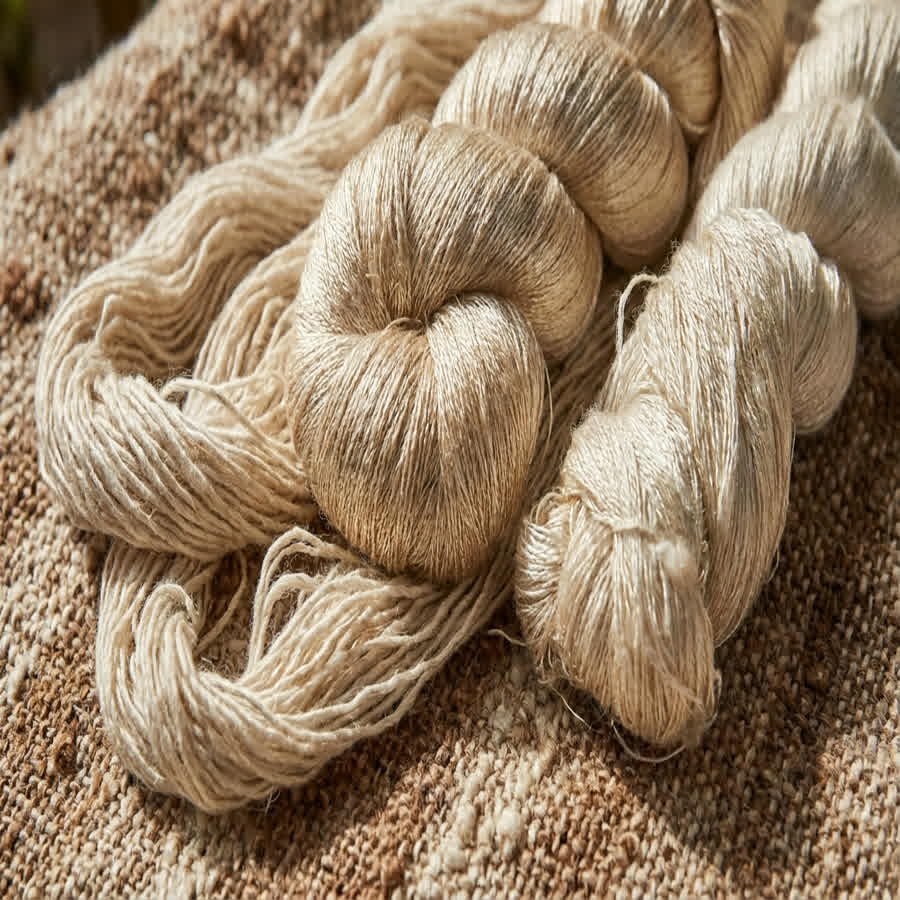
Working with pure silk on a handloom requires immense skill and patience. The weaver must maintain consistent tension to prevent the delicate warp threads from snapping under the weight of the lifting mechanism. The result is a fabric that absorbs natural dyes beautifully, yielding deep, saturated colors that appeal to high-end boutiques.
Specifications for Jacquard Fabric Cotton
Conversely, jacquard fabric cotton provides a heavier, more structured option for everyday wear and home textiles. Ranging from 150 to 300+ GSM, this variant offers high dimensional stability and low stretch across the bias. The durable interlacing of the cotton warp and weft creates a strong textile that softens with each wash while maintaining its structural pattern.
Designers specifying cotton should consider the following technical properties:
- High moisture absorbency: Natural cotton fibers wick sweat away from the body, making the fabric suitable for warmer climates.
- Matte finish: Unlike silk, cotton provides a dry, crisp hand-feel with a muted aesthetic that suits contemporary, minimalist designs.
- Structural weight: The higher GSM supports tailored applications like jackets, trousers, and structured skirts without requiring heavy interfacing.
Decoding Jacquard Fabric Design and Texture
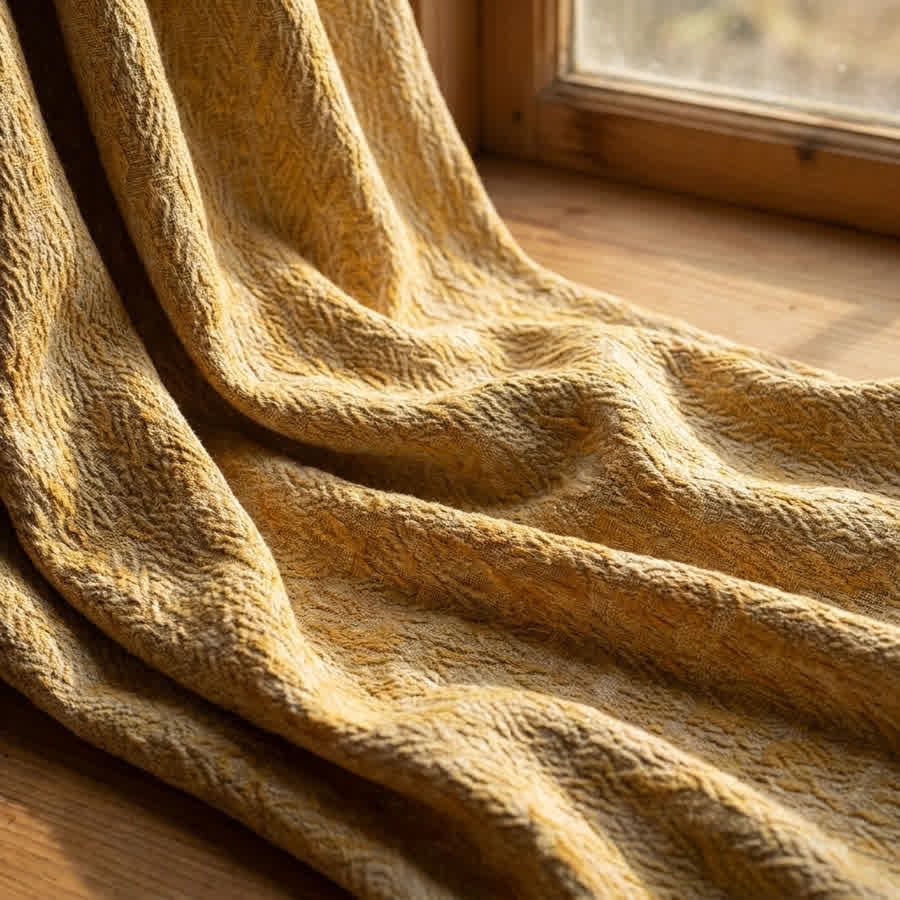
A successful jacquard fabric design relies on the precise mathematical calculation of warp and weft intersections to create distinct textures and structural integrity.
The beauty of this textile lies in its structural complexity and engineering. Unlike plain weaves where yarns alternate in a simple one-over-one pattern, this mechanism allows yarns to float over multiple intersecting threads. These yarn floats create the visible motifs, but they also dictate the fabric's overall durability and drape.
Managing Weave Tension and Drape
The length of the yarn floats directly impacts the jacquard texture. Longer floats create a more pronounced, glossy pattern but are susceptible to snagging during daily wear. Shorter, tighter interlacing results in a flatter, more durable surface that withstands frequent use. B2B buyers must balance aesthetic desires with the practical end-use of the garment.
The tension applied during the handloom process also affects the final drape of the material. A loosely beaten weft yields a fabric with more movement, suitable for dresses, while a tightly beaten weft produces a rigid textile ideal for outerwear. Artisanal weavers can adjust this beat-up force based on the designer's specific requirements, offering a level of control absent in automated mills.
Common Structural Variations
Within this category, several distinct structural variations exist, each serving a different commercial application. Understanding these sub-types helps sourcing managers specify the exact material needed for their upcoming collections.
Key variations include:
- Brocade construction: Features supplementary weft threads that create raised, often metallic, floral or geometric designs on the fabric surface.
- Damask weaving: Produces a reversible, flatter textile typically featuring a glossy satin weave motif against a matte plain background.
- Matelassé techniques: Mimics a quilted or padded surface without actual padding, creating a blistered, puckered texture ideal for lightweight jackets.
The Artisan Advantage: Sourcing Jacquard Fabric India
Sourcing jacquard fabric india through a decentralized artisan network provides B2B buyers with bespoke customization, low minimum order quantities, and a transparent, ethical supply chain.
Modern sustainable fashion brands are actively shifting away from mass-produced, opaque manufacturing models. India holds a unique position in the global textile market due to its vast network of skilled handloom weavers. By bypassing industrial factories, brands can access heritage craftsmanship while directly supporting rural economies and reducing their carbon footprint.
Decentralized Manufacturing and Socio-Economic Impact
A decentralized supply chain means production occurs in the weavers' own homes or small village clusters, rather than in centralized urban factories. This model allows artisans to work within their communities, preserving family structures and local traditions. The socio-economic impact of this sourcing strategy is profound, ensuring fair wages and safe working conditions for rural populations.
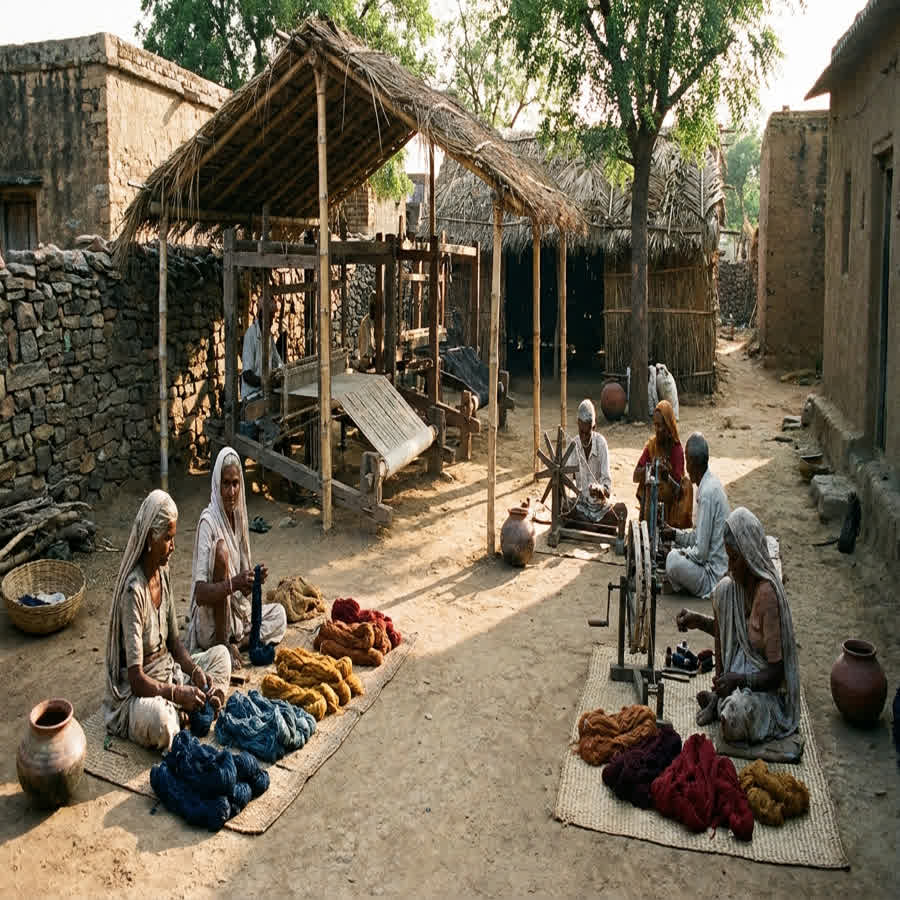
For the sourcing manager, this translates to a compelling sustainability narrative. Brands can trace their raw material origins and share the human story behind the textile with their customers. This level of transparency resonates deeply with conscious consumers who demand accountability from the labels they support.
Bespoke Customization and Low MOQs
Industrial powerlooms require massive setup costs and extensive yarn warping, making custom designs financially unviable unless ordered in thousands of meters. In contrast, the manual setup of an artisan handloom allows for high flexibility and rapid adaptation to new designs.
The advantages of this artisanal system include:
- Low Minimum Order Quantities (MOQs): Brands can order small batches for capsule collections without incurring prohibitive surcharge fees.
- Custom motif development: Designers can translate their unique artwork into custom punch cards, ensuring exclusive patterns not found in commercial catalogs.
- Iterative sampling: The manual process allows for rapid prototyping of different colorways and yarn blends on the same warp setup.
How to Choose the Right Jacquard Fabric Supplier Online
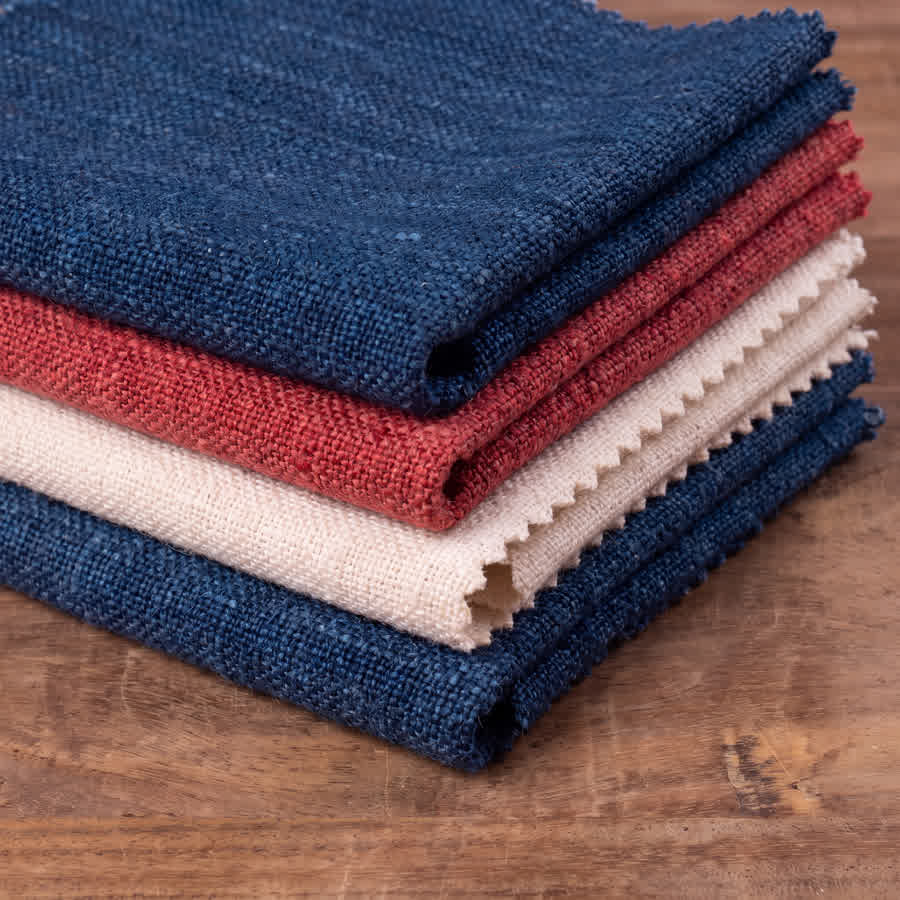
To choose the right jacquard fabric supplier online, B2B buyers must rigorously evaluate the supplier's ethical certifications, minimum order quantities, and transparency regarding dye quality and raw materials.
Finding a reliable partner in a digital market requires looking beyond glossy catalog images. When sourcing jacquard fabric online india, the focus must remain on the supplier's ability to deliver consistent quality while upholding strict environmental and social standards. A true partner acts as an extension of your own production team, communicating openly about potential challenges.
Evaluating Transparency and Certifications
The first step in vetting a supplier is assessing their supply chain transparency. A reputable textile house will openly share the locations of their weaving clusters and the origin of their yarns. Look for suppliers that provide concrete data on their artisan impact metrics and environmental practices.
Certifications offer an additional layer of security for B2B buyers. While not every rural artisan holds international paperwork, the supplier managing the network should adhere to recognized industry standards. Prioritize partners who utilize azo-free dyes and can provide documentation for organic or sustainably harvested fibers.
Managing the Sampling and Production Process
Before committing to bulk production, a rigorous sampling phase is essential. Buying jacquard fabric online requires physical verification of the fabric's weight, drape, and color accuracy. A professional supplier will have a structured protocol for developing custom swatches and strike-offs to ensure alignment with your vision.
When initiating the sampling process, ensure you clarify the following parameters:
- Lead times for custom punch cards: Understand the timeline required to translate your design into the physical weaving mechanism.
- Dye lot consistency: Establish acceptable tolerances for color variation, as natural fibers and artisanal dyeing processes naturally yield slight differences.
- Shrinkage and testing data: Request information on the fabric's dimensional stability post-washing to ensure accurate garment pattern drafting.
Explore Our Collection
Anuprerna works directly with handloom artisan clusters to weave jacquard fabric for designers and brands building considered collections. To source it for your next line, explore the range below.
frequently asked questions
Q: Is jacquard fabric suitable for summer apparel?
A: Yes, provided it is woven with natural fibers. A lightweight jacquard fabric cotton (around 100-150 GSM) offers excellent breathability and moisture-wicking properties, whereas synthetic jacquards tend to trap heat and are better suited for colder climates or upholstery.
Q: What is the difference between brocade, damask, and standard jacquard?
A: Jacquard is the overarching weaving mechanism used to create complex patterns. Brocade is a specific type of heavily patterned jacquard with raised floral or geometric designs (often using supplementary weft threads), while damask is a reversible, flatter jacquard typically featuring a satin weave against a plain background.
Q: How do I verify the authenticity of a handloom jacquard fabric supplier in India?
A: Look for a jacquard fabric supplier that offers transparency into their decentralized supply chain. Authentic suppliers will provide artisan impact data, traceability of raw materials, and often hold certifications like the India Handloom Brand or GOTS for their organic cotton.
Q: Can I customize a jacquard fabric design for my brand with low MOQs?
A: Yes. Partnering with an artisanal handloom network allows for bespoke jacquard fabric design. Because handlooms do not require the massive setup costs of industrial powerlooms, decentralized suppliers can often accommodate custom motifs and colorways at significantly lower Minimum Order Quantities (MOQs).
Q: Does jacquard fabric shrink after washing?
A: Yes, natural fiber jacquards will experience some shrinkage during the first wash if not pre-shrunk. A cotton jacquard weave typically shrinks between 3% to 5%, so designers must factor this dimensional change into their pattern grading or request pre-washed yardage from their supplier.
More Blogs
what makes tussar silk different from other silks?
banana fiber fabric and bamboo fiber fabric: the future of plant-based textiles
buying hemp fabric: what fashion brands need to know
eco print fabric: why botanical textiles are becoming the future of sustainable luxury
traditional indian fabrics every designer should know
a complete guide to buying cotton fabric wholesale