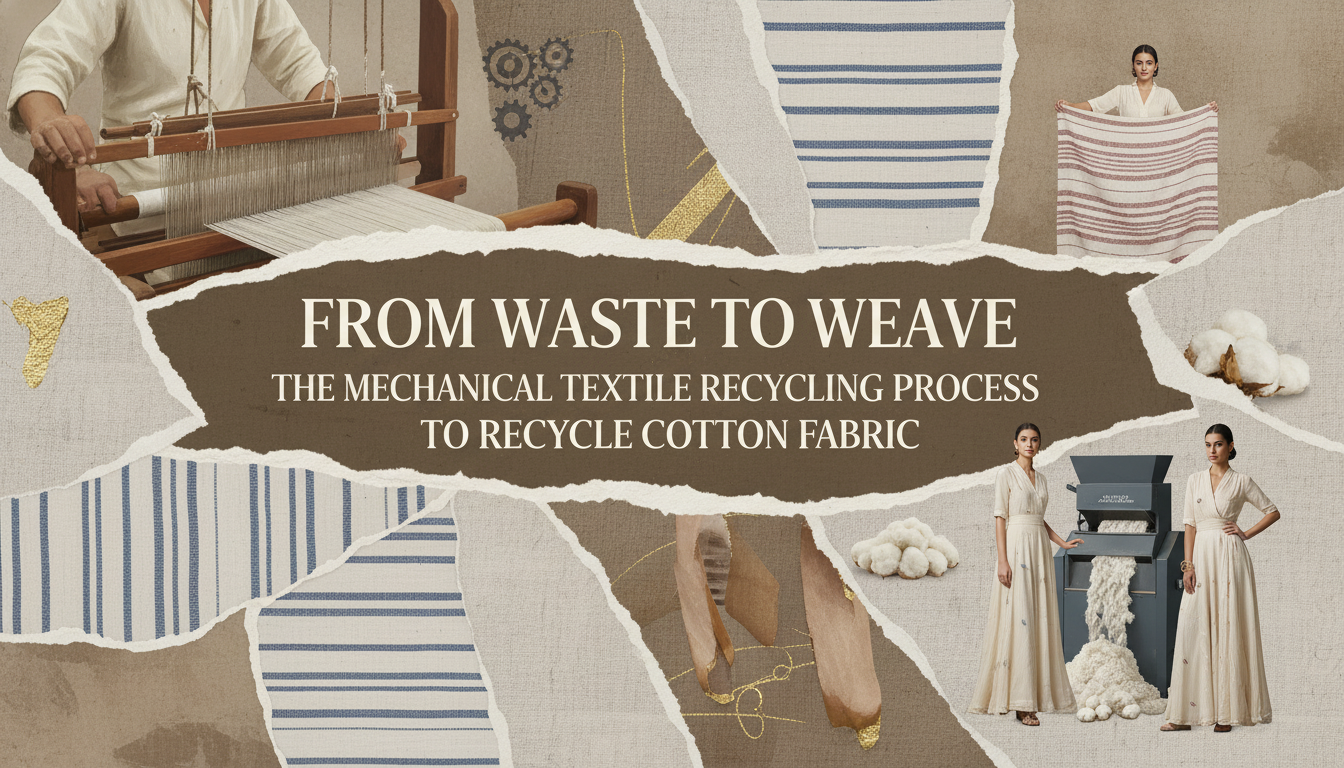
From Waste to Weave: The Mechanical Textile Recycling Process to Recycle Cotton Fabric

The global fashion industry is at a crossroads. Every second, the equivalent of one garbage truck of textiles is landfilled or burned. For B2B fashion brands and designers, the pressure to transition from a linear "take-make-waste" model to a circular economy has never been greater. At the heart of this transformation is the ability to recycle cotton fabric, turning pre-consumer and post-consumer waste back into high-quality yarns and textiles.
But how exactly does a discarded garment or a factory cutting scrap become a pristine roll of fabric again? The journey from waste to weave is a complex, fascinating process known as mechanical textile recycling. Unlike chemical recycling, which uses solvents to break down fibers at a molecular level, mechanical recycling preserves the inherent properties of the natural fiber through physical processes.
In this comprehensive guide, we will explore the intricate steps of fiber-to-fiber recycling, the technical challenges of maintaining fiber integrity, and how Anuprerna is bridging the gap between ancient Indian handweaving traditions and modern circularity. Whether you are a sourcing manager or a sustainability-focused designer, understanding how recycled fabric is made is essential for building a transparent and ethical supply chain.
The Step-by-Step Journey: How Recycled Fabric is Made
To recycle fabric mechanically is to engage in a delicate dance of deconstruction and reconstruction. The process is primarily used for natural fibers like cotton and wool, as their structure allows them to be pulled apart and respun.
1. Sourcing and Feedstock Collection

The process begins with the collection of textile waste. In the B2B sector, this is often categorized into two types:
- Pre-consumer waste: Factory offcuts, selvedge scraps, and unsold inventory. This is the "cleanest" source to Khesh recycle cotton fabric because the composition is known and there are no contaminants like zippers or buttons.
- Post-consumer waste: Garments discarded by consumers. This is more challenging due to the presence of blended fibers (like poly-cotton) and hardware.
2. Manual Sorting and Preparation
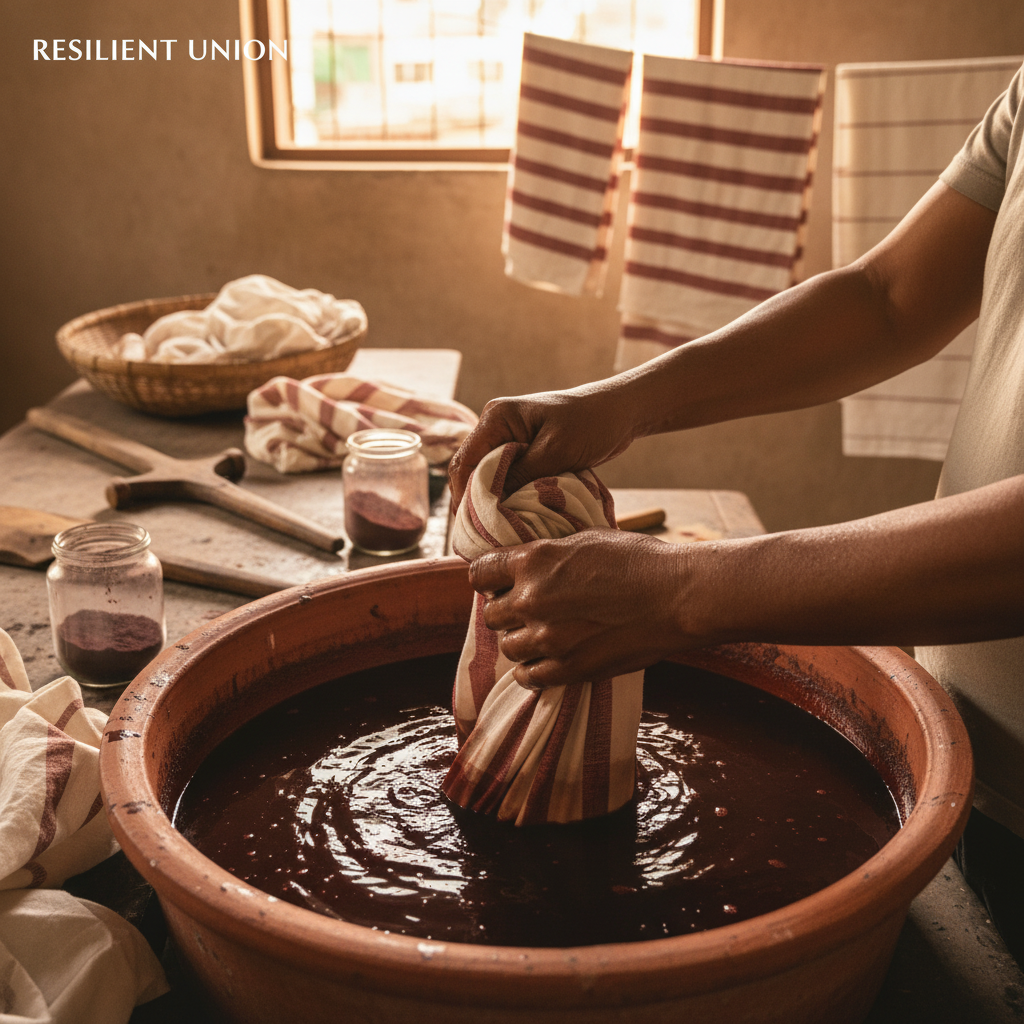
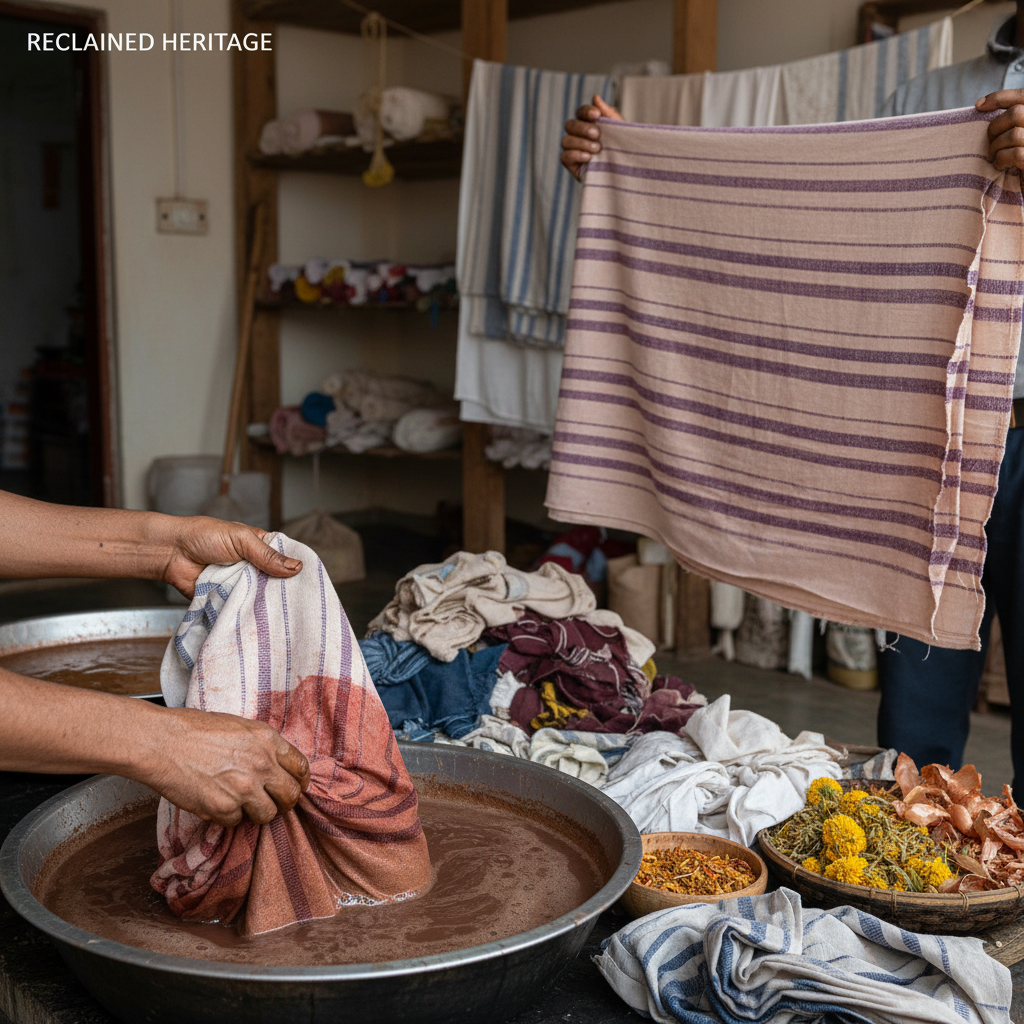
Before any machinery is involved, human expertise is required. Scraps are sorted by color and material composition. Sorting by color is a critical step in sustainable manufacturing; by grouping similar shades together, we can often avoid the need for intensive re-dyeing, significantly reducing water and chemical consumption. During this stage, non-textile elements like buttons, labels, and zippers are removed.
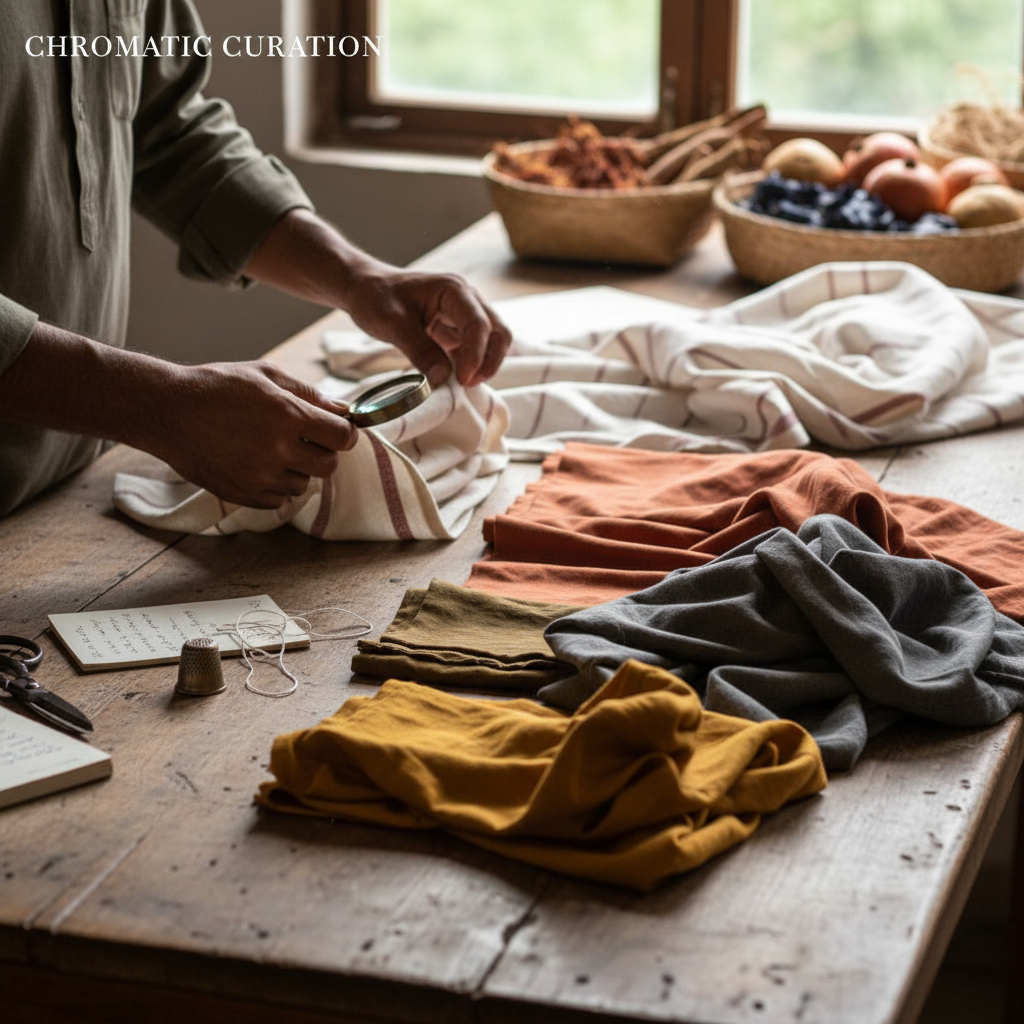
3. Shredding and "Garnetting"
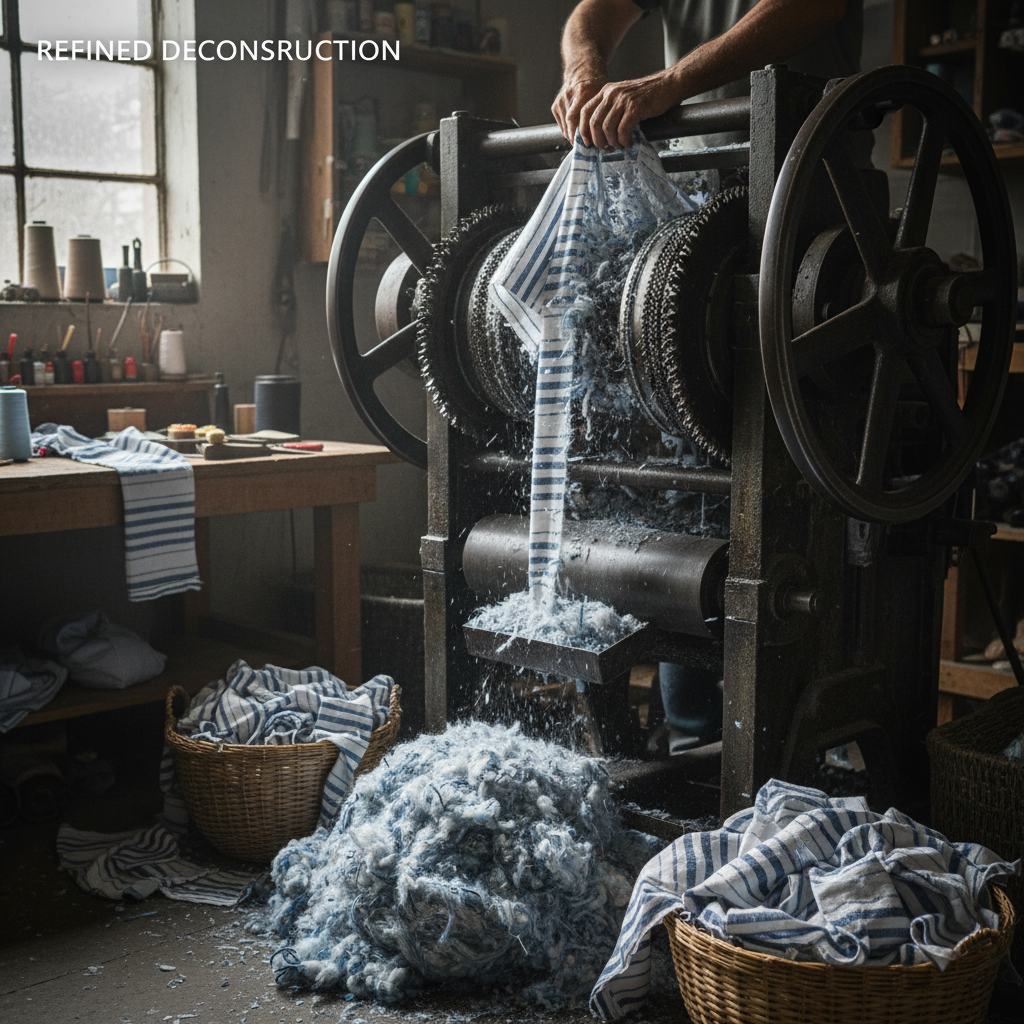
This is the core of mechanical recycling. The sorted fabric is fed into a series of machines with rotating drums equipped with thousands of tiny teeth. These teeth "tear" the fabric apart, breaking it back down into a fibrous state. This stage is often called "Garnetting." The result is a fluffy, cloud-like mass of Khesh recycled cotton fibers.
4. Carding and Aligning
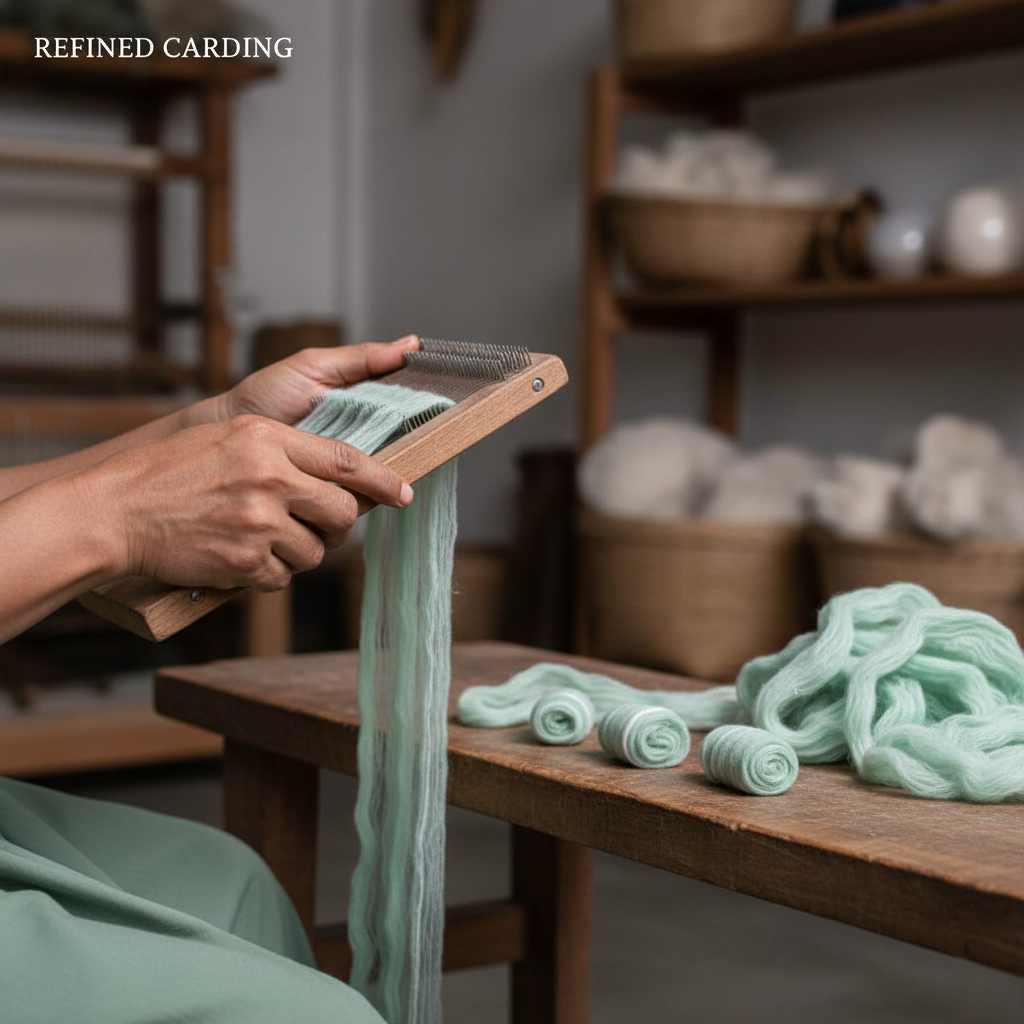
The shredded fibers are then carded. Carding is a mechanical process that combs the fibers, disentangling them and laying them parallel to one another. This creates a "web" of fibers that can then be drawn into a "sliver"—a thick rope of untwisted fiber ready for spinning.
5. Spinning into New Yarn
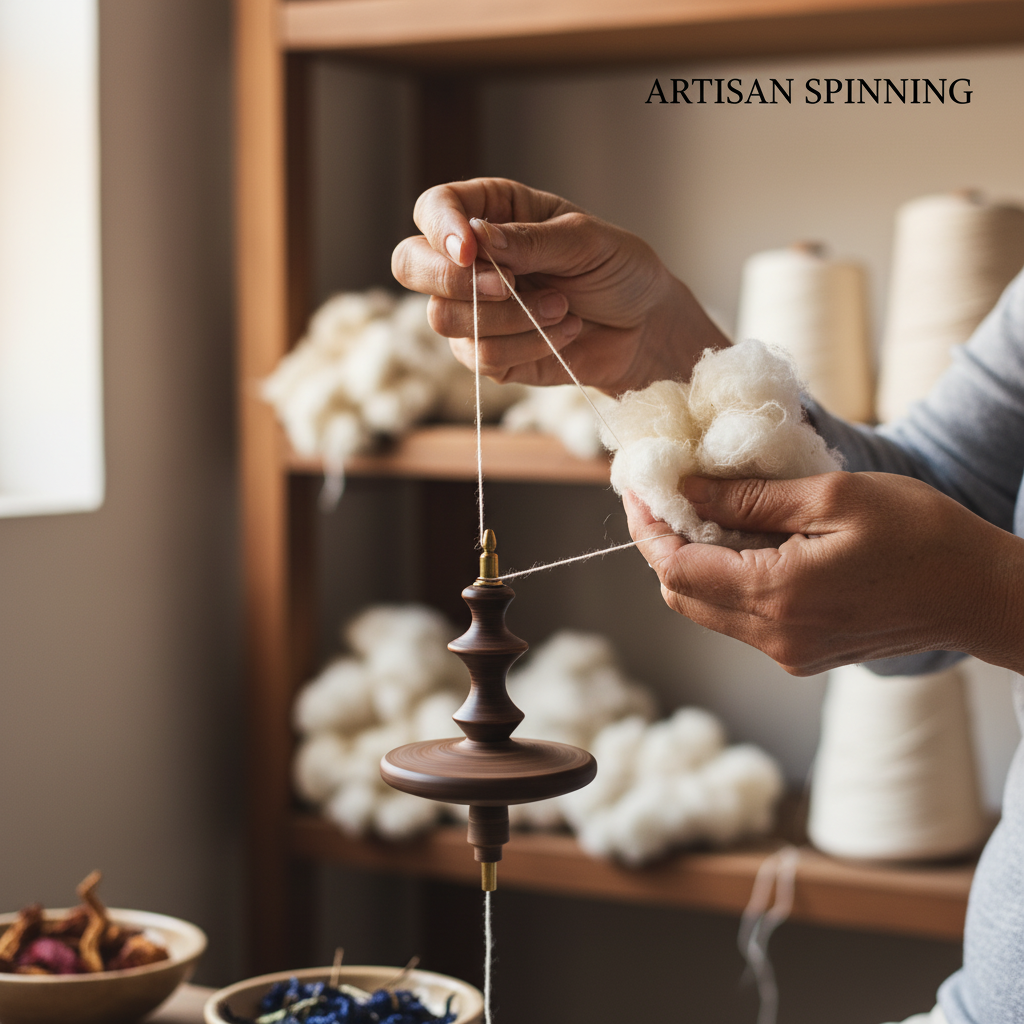
The sliver is spun into new yarn. Because the mechanical shredding process naturally shortens the length of the cotton fibers (staple length), recycled cotton is often blended with "virgin" organic cotton or recycled polyester to ensure the resulting yarn has the tensile strength required for high-quality weaving.
For brands looking for lightweight, breathable options, our White Recycled Cotton 80 Gsm Fabric represents the pinnacle of this process, offering a soft hand-feel that rivals virgin textiles while maintaining a significantly lower environmental footprint.
Fiber-to-Fiber Recycling: The Challenge of Staple Length
One of the most frequent questions we receive from B2B partners is: Is recycled cotton as strong as virgin cotton?
The honest answer lies in the science of fiber-to-fiber recycling. When we recycle fabric mechanically, the shredding process inevitably breaks some of the long-staple cotton fibers. In the textile world, fiber length is directly proportional to yarn strength and smoothness. Shorter fibers (known as "noils") can result in a hairier yarn that is more prone to pilling if not handled correctly.
Overcoming the Strength Gap
To ensure that recycled cotton meets the rigorous standards of international fashion brands, manufacturers use several strategies:
- Strategic Blending: By mixing 30% to 50% recycled fiber with long-staple virgin organic cotton, we create a yarn that possesses both the soul of sustainability and the strength of traditional textiles.
- Advanced Carding: Modern carding machines are becoming more "gentle," preserving as much fiber length as possible during the deconstruction phase.
- Twist Optimization: Increasing the "twist" during the spinning process can help lock shorter recycled fibers in place, improving the durability of the final fabric.
The Environmental Impact: Why We Must Recycle Fabric
The move to recycle cotton fabric is not just a trend; it is an ecological necessity. Cotton is a thirsty crop. It is estimated that it takes approximately 2,700 liters of water to produce a single virgin cotton t-shirt, enough for one person to drink for 2.5 years.
Water and Energy Savings

Mechanical recycling bypasses the most resource-intensive stages of textile production: agriculture, ginning and often dyeing. By using recycled cotton, brands can achieve:
- Up to 70% reduction in water consumption: Since the cotton is already grown, the "water footprint" of the fiber is essentially zero.
- Reduced Carbon Emissions: Eliminating the need for synthetic fertilizers and heavy machinery used in cotton farming significantly lowers CO2 output.
- Land Preservation: Recycling reduces the demand for new agricultural land, preventing deforestation and biodiversity loss.
Diverting Waste from Indian Landfills
In India, the textile industry is a cornerstone of the economy, but it also generates massive amounts of pre-consumer waste. By implementing mechanical recycling at the source, we can transform these "scraps" into high-value exports. This circular approach supports the science of breathability found in handwoven textiles, as recycled fibers often retain the porous, airy qualities of natural cotton.
Integrating Recycled Cotton into B2B Collections
For a fashion brand, transitioning to recycled cotton requires a shift in mindset. It’s about embracing the "perfectly imperfect" nature of circular materials.
Aesthetics and Texture
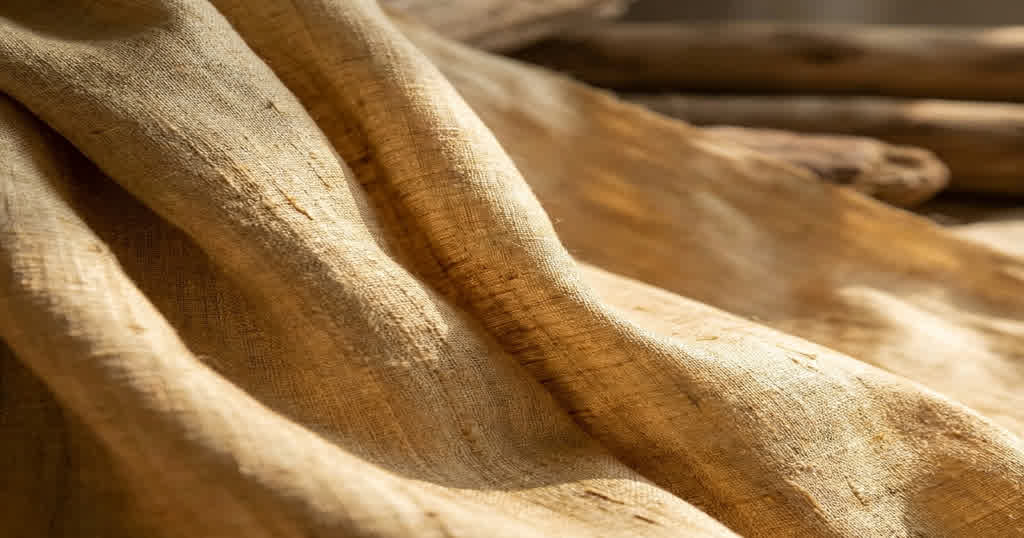
Recycled fabrics often have a unique, slightly heathered texture. Because the fibers come from various sources, the yarn may have subtle variations in tone and "slubs" (small lumps). For many sustainable brands, these characteristics are not defects; they are "beauty marks" that tell the story of the fabric's previous life.
GSM and Application
When choosing a recycled cotton fabric, the GSM (Grams per Square Meter) is a key indicator of its use case:
- Low GSM (80-100): Ideal for lightweight shirts, scarves, and summer dresses. Our White Recycled Cotton 80 Gsm Fabric is a favorite for ethical resort wear.
- Medium GSM (110-150): Perfect for structured blouses, lightweight trousers, and jacquard patterns. For instance, a Stripe Yellow Lavender Jacquard can offer a sophisticated look while maintaining sustainable integrity.
- High GSM (200+): Best for outerwear, canvas bags, and upholstery.
Transparency and Certification
In the B2B world, claims must be backed by proof. When you recycle fabric, ensure your supplier provides certifications like the Global Recycled Standard (GRS). This ensures that the recycled content is tracked from the source to the final product, providing the transparency that modern consumers demand.
The Anuprerna Difference: Handweaving the Future
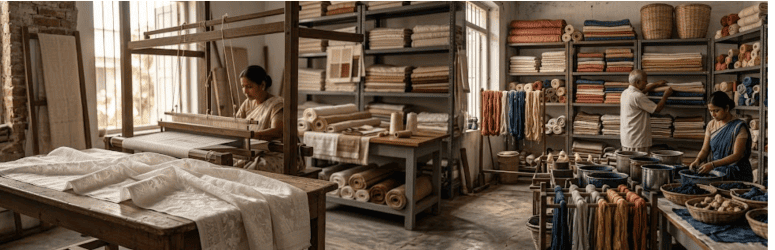
At Anuprerna, we believe that sustainability should not come at the cost of craftsmanship. While many large-scale mills use recycled cotton for mass-produced industrial textiles, we bring it back to the wooden looms of East India.
By combining mechanically recycled yarns with the ancient art of handweaving, we create a product that is doubly sustainable. Handweaving requires zero electricity, provides dignified livelihoods to artisan communities, and produces a fabric with a superior drape and breathability.
Our approach to how recycled fabric is made is rooted in the "Slow Fashion" movement. We don't just see waste; we see the potential for a new heritage. When you source from us, you aren't just buying a textile; you are supporting a circular ecosystem that respects both the planet and the person behind the loom.
Conclusion
The journey to recycle cotton fabric through mechanical means is a vital component of the modern textile industry. By understanding how recycled fabric is made—from the initial sorting and shredding to the delicate spinning and weaving, B2B brands can make informed decisions that align with their ESG goals.
While challenges like fiber length and blending remain, the environmental benefits of fiber-to-fiber recycling are undeniable. As we move toward a more circular future, the integration of recycled cotton with traditional crafts like handweaving offers a path forward that is both ecologically responsible and culturally rich.
Are you ready to incorporate circularity into your next collection? Explore our range of sustainable textiles and join us in weaving a better future.
most questions asked
Can you recycle cotton fabric infinitely?
No, unlike aluminum or glass, cotton cannot be mechanically recycled infinitely. Each time you recycle fabric through mechanical shredding, the fibers become shorter and weaker. Eventually, the fibers become too short to be spun into yarn. However, these "ultra-short" fibers can still be used for paper making, insulation, or eventually composted if they are 100% natural and free of toxic dyes. This is why blending with virgin fibers is currently necessary for high-quality apparel.
Is recycled cotton more expensive than virgin cotton?
In many cases, yes, recycled cotton can be slightly more expensive. This is due to the labor-intensive nature of sorting and cleaning the waste, as well as the specialized machinery required for "Garnetting." However, as the infrastructure for textile collection improves and consumer demand grows, the price gap is narrowing. For B2B brands, the slightly higher cost is often offset by the marketing value and the reduction in environmental impact fees.
How do I care for garments made from recycled cotton?
Garments made from recycled cotton should be treated with the same care as high-quality virgin cotton. To extend the life of the shorter fibers, we recommend washing in cold water, using eco-friendly detergents, and air-drying. Avoiding high-heat dryers prevents the fibers from becoming brittle and reduces pilling. Because recycled fabrics often have a beautiful natural texture, they typically require less ironing.
Does mechanical recycling use harmful chemicals?
One of the greatest benefits of mechanical recycling is that it is primarily a physical process. Unlike chemical recycling, which dissolves fibers in solvents, mechanical recycling uses blades and combs. The only chemicals involved might be in the cleaning or re-dyeing phase. At Anuprerna, we focus on utilizing the original color of the waste to minimize the need for additional dyes, further enhancing the eco-friendly profile of the recycle fabric process.
What is the difference between pre-consumer and post-consumer recycled cotton?
Pre-consumer recycled cotton comes from manufacturing waste—the scraps left on the cutting room floor. It is high-quality and easy to recycle because it hasn't been worn or washed. Post-consumer waste comes from used clothing. This is more difficult to process because it must be collected from the public, sorted for quality, and stripped of all hardware. Both are essential for a truly circular textile economy.
More Blogs
can one fabric feel luxurious and sustainable? meet the silk-bamboo blend
handwoven jamdani vs machine-made: what wholesale buyers should know
raw silk fabrics: uses, texture, and styling ideas
french terry vs. fleece: choosing the right loopback fabric for your collection
how emerging eco-conscious designers source ethical fabrics
designing with tussar silk: drape, texture, and application in modern wear