How Emerging Eco-Conscious Designers Source Ethical Fabrics

A designer building a new collection often hits a wall when trying to secure low-minimum, traceable materials that match their values. The reality of ethical fabric sourcing for designers involves filtering through vague supplier claims to find textiles that offer both verifiable origin data and high-quality construction. Without direct visibility into the spinning and weaving processes, brands risk buying into commercial greenwashing rather than securing the indigenous natural fibers they actually need for their garments.
This bottleneck forces a choice between accepting prohibitively high minimums from commercial mills or compromising on the sustainability narrative they intend to market. By shifting focus to a decentralized artisan supply chain, independent brands can secure custom yardage while backing up their eco-claims with concrete facts about zero-electricity production and generational craft.
Decoding Ethical Fabric Sourcing for Designers: Beyond the Greenwashing
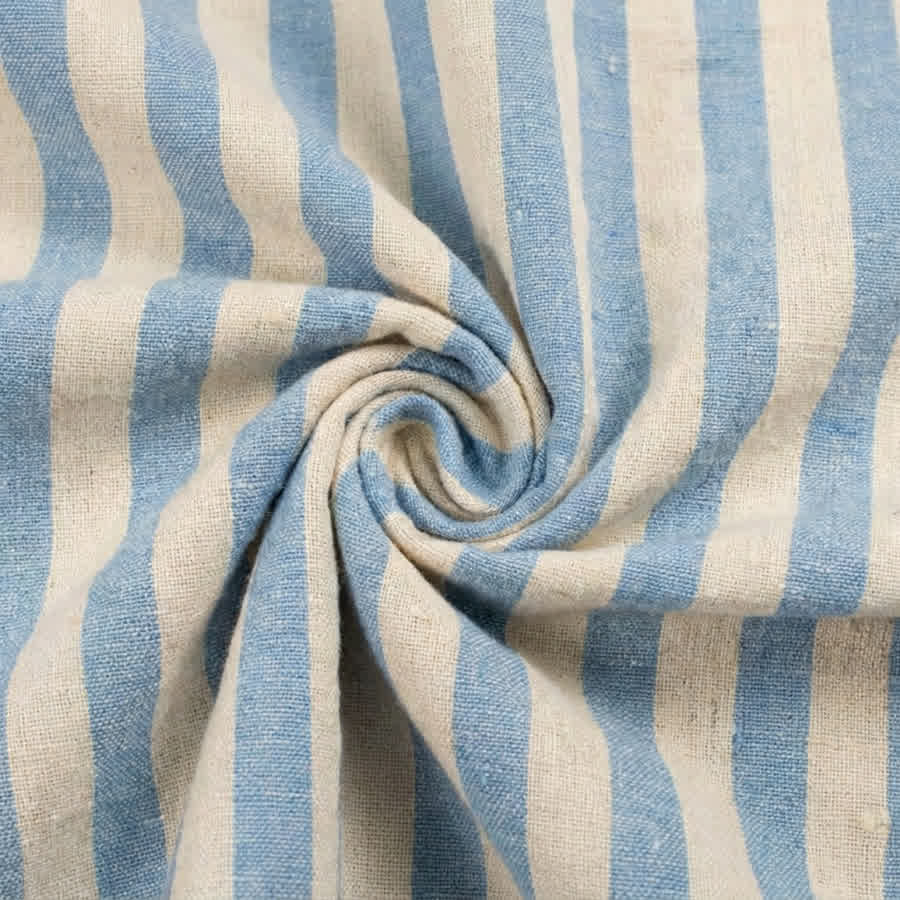
Ethical sourcing requires moving past vague eco-labels to demand verifiable origin data, specific fiber properties, and direct visibility into the spinning and weaving processes.
For independent brands, finding reliable materials means looking past marketing buzzwords to examine the actual supply chain mechanics. Commercial mills often label fabrics as sustainable based on a small percentage of recycled content, obscuring the heavy water usage and chemical processing involved. True ethical fabric sourcing for designers demands a rigorous approach to material science and origin tracking. Buyers must ask for specific details about fiber cultivation, dye chemistry, and the labor conditions at the weaving site.
Identifying True Traceability
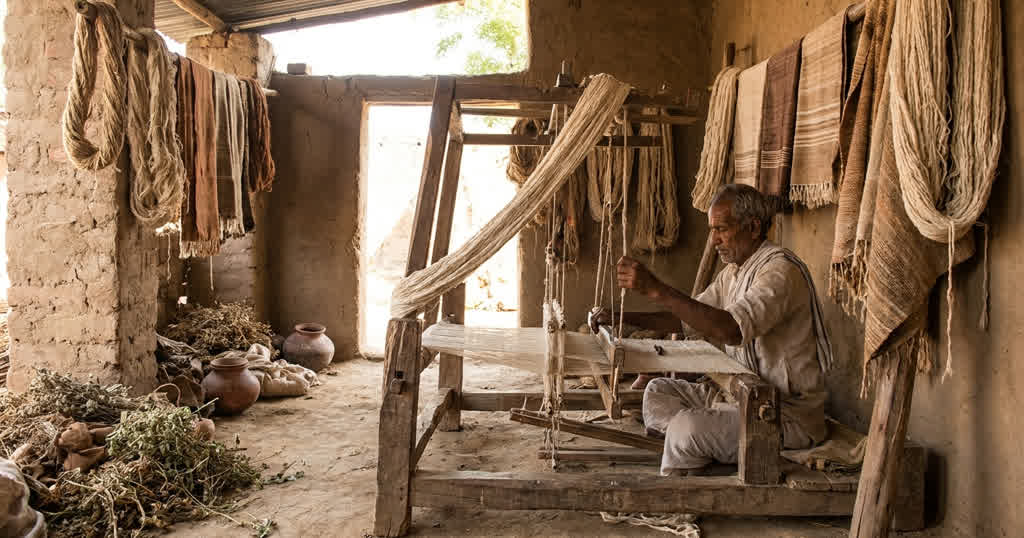
Traceability is not just a certificate on a wall. It is the ability to track a textile back to the specific rural Indian handloom weavers who crafted it. Designers need concrete data points to build a credible brand storytelling asset. When evaluating a new supplier, look for these specific indicators of transparency:
- Village-level origin data detailing exactly where the yarn was spun and woven, such as specific clusters in Murshidabad or Malda.
- Dye testing reports confirming the absence of harmful chemicals or heavy metals in the finishing process.
- Fiber species identification, such as specifying rain-fed Kala cotton rather than generic organic cotton.
The Difference Between Commercial and Artisan Textiles
The distinction between mass-produced sustainable fabrics and genuine artisan-made textiles lies in the production method. Commercial facilities rely on high-speed power looms that require massive energy inputs and uniform synthetic blends to prevent yarn breakage. In contrast, a decentralized artisan supply chain operates on human-powered wooden looms.
This zero-electricity production method preserves the natural integrity of the yarn. The resulting fabric features a soft, breathable hand-feel and subtle textural variations that commercial machines cannot replicate. By choosing these materials, designers invest in generational artisan weaving techniques that prioritize environmental health over sheer volume.
The Decentralized Artisan Supply Chain: How Direct Sourcing Works
Direct sourcing bypasses traditional middlemen by connecting brands straight to rural handloom clusters, ensuring fair wages for weavers and complete transparency for the buyer.
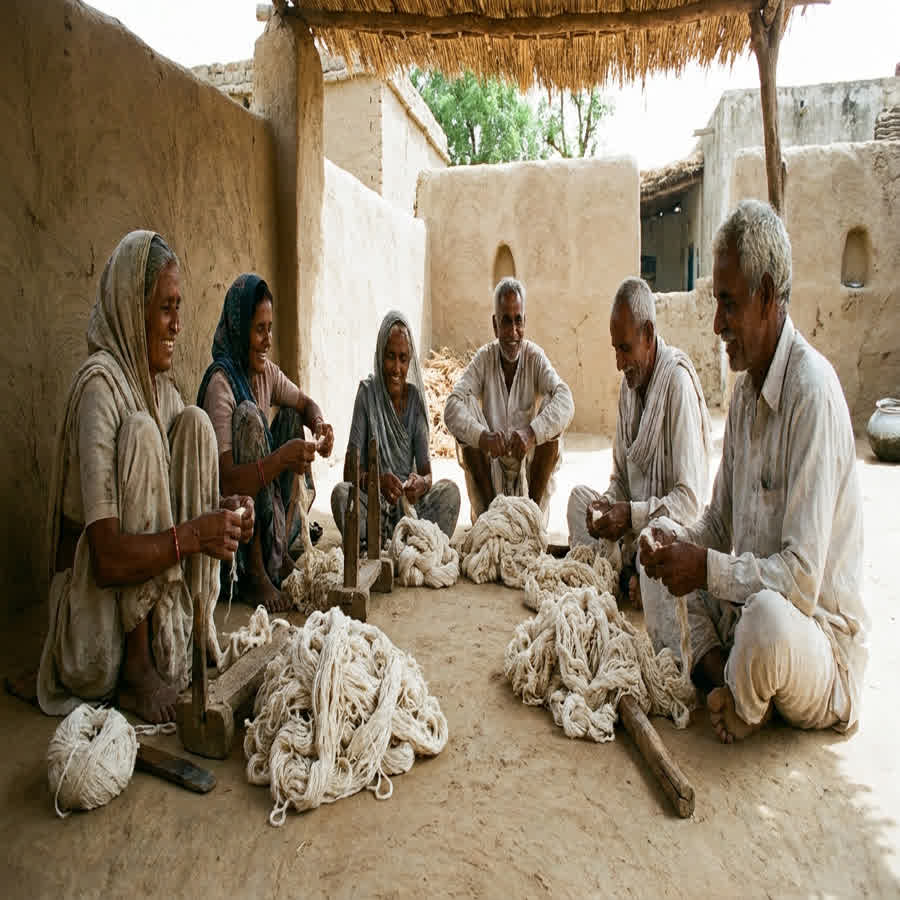
The conventional textile industry relies on a complex network of brokers, aggregators, and wholesalers. This structure inflates costs and strips away any visibility into the working conditions of the actual makers. By engaging with a decentralized artisan supply chain, designers can source directly from the source. This model is rooted in the village-based Khadi and handloom movements of India, emphasizing self-reliance and the preservation of heritage skills.
Bypassing the Middlemen
Working directly with weaving communities fundamentally changes the B2B sourcing dynamic. Instead of selecting from a static catalog of mass-produced yardage, designers collaborate with artisans to develop custom textiles. This direct relationship removes the opacity of traditional supply chains. It allows brands to verify their ethical fabric sourcing for designers by communicating directly with the cluster coordinators. The benefits of this direct model include:
- Customized weave structures tailored to specific garment requirements and GSM targets.
- Transparent pricing models that clearly show the percentage going directly to the artisans.
- Reduced carbon footprints by eliminating unnecessary transportation between multiple intermediary warehouses.
Socio-Economic Impact in Rural Clusters
Sourcing from decentralized clusters does more than just secure high-quality handloom fabrics. It provides consistent, dignified employment for rural artisans, allowing them to work from their own homes rather than migrating to crowded industrial centers. This localized production model supports the entire village economy.
When a brand commits to ethical fabric sourcing for designers, they are actively funding the continuation of generational artisan weaving techniques. The financial stability provided by consistent B2B orders ensures that these specialized skills are passed down to the next generation. This creates a resilient supply of low-impact textiles for the future fashion industry.
Manage MOQs and Lead Times with Handloom Weavers
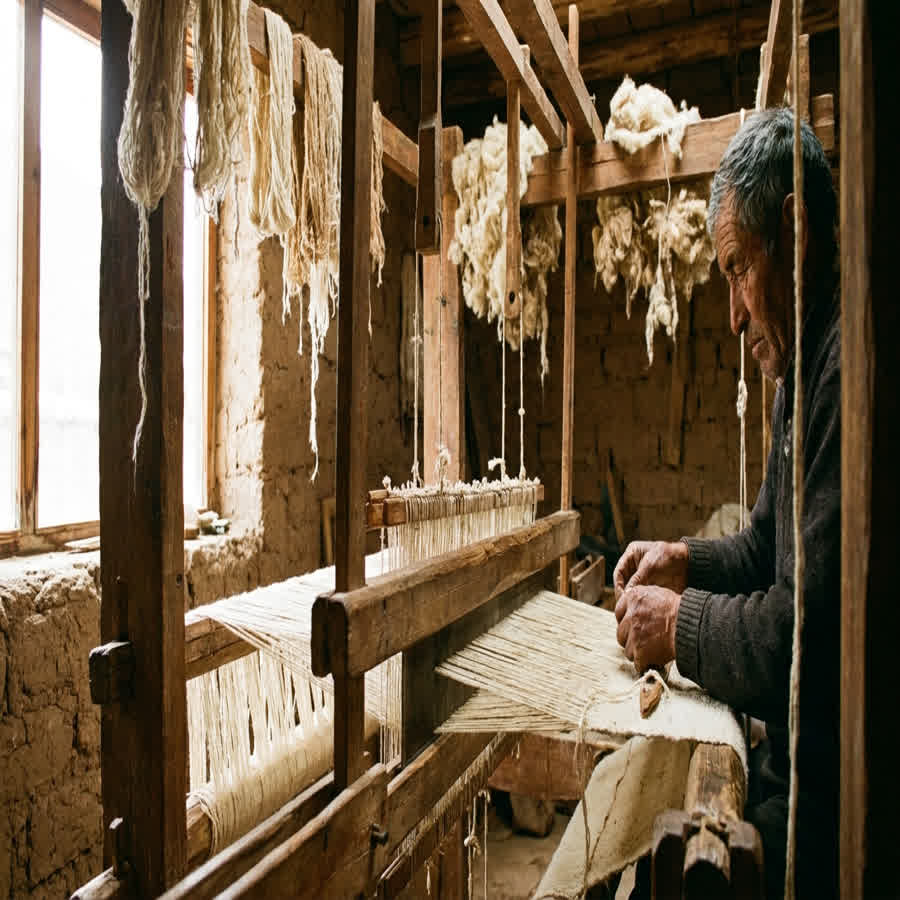
Designers can secure low MOQs by partnering with decentralized artisan networks that weave to order, though they must adjust their calendars for the slower pace of hand-spun production.
One of the most critical bottlenecks for emerging brands is the high minimum order quantity demanded by commercial mills. Traditional factories often require orders of 1,000 meters or more per style, which forces small brands into holding expensive deadstock waste. A decentralized artisan supply chain inherently solves this problem. Because handlooms are operated manually, artisans can easily set up shorter warps for small-batch production.
Strategies for Low Minimums
Working with rural clusters allows for highly flexible production runs. This flexibility is a major advantage of ethical fabric sourcing for designers, enabling them to test new styles without massive financial risk. To make the most of these low-MOQ fabrics, designers should adopt specific sourcing strategies:
- Consolidate warp colors across multiple fabric styles to maximize weaving efficiency on the loom.
- Commit to ongoing partnerships with specific clusters to build trust and secure priority scheduling for seasonal drops.
- Utilize stock yarns in natural or unbleached states, applying custom botanical dyes only after the fabric is woven.
Adapting to Sustainable Production Cycles
While handloom weaving offers incredible flexibility, it operates on a fundamentally different timeline than mechanized production. The zero-electricity production process is inherently slower and subject to environmental factors like monsoon seasons, which can affect yarn drying times.
Designers must factor these artisanal timelines into their seasonal calendars. A custom handloom order typically requires 60 to 90 days from yarn preparation to final finishing. By planning collections further in advance, brands can accommodate these slower cycles. This deliberate pacing aligns perfectly with the ethos of sustainable fashion, rejecting the frantic speed of the fast-fashion industry in favor of intentional craftsmanship.
Material Science of Sustainability: From Kala Cotton to Ahimsa Silk
Sustainable material science relies on low-impact, indigenous natural fibers dyed with botanical extracts to ensure biodegradability, skin safety, and reduced effluent runoff.
The foundation of any sustainable garment is the raw material itself. Ethical fabric sourcing for designers requires a deep understanding of fiber properties and their environmental impact. Moving away from synthetic blends and thirsty conventional crops, conscious brands are turning to low-impact indigenous natural fibers. These materials are adapted to their local climates, requiring significantly less water and chemical intervention during cultivation.
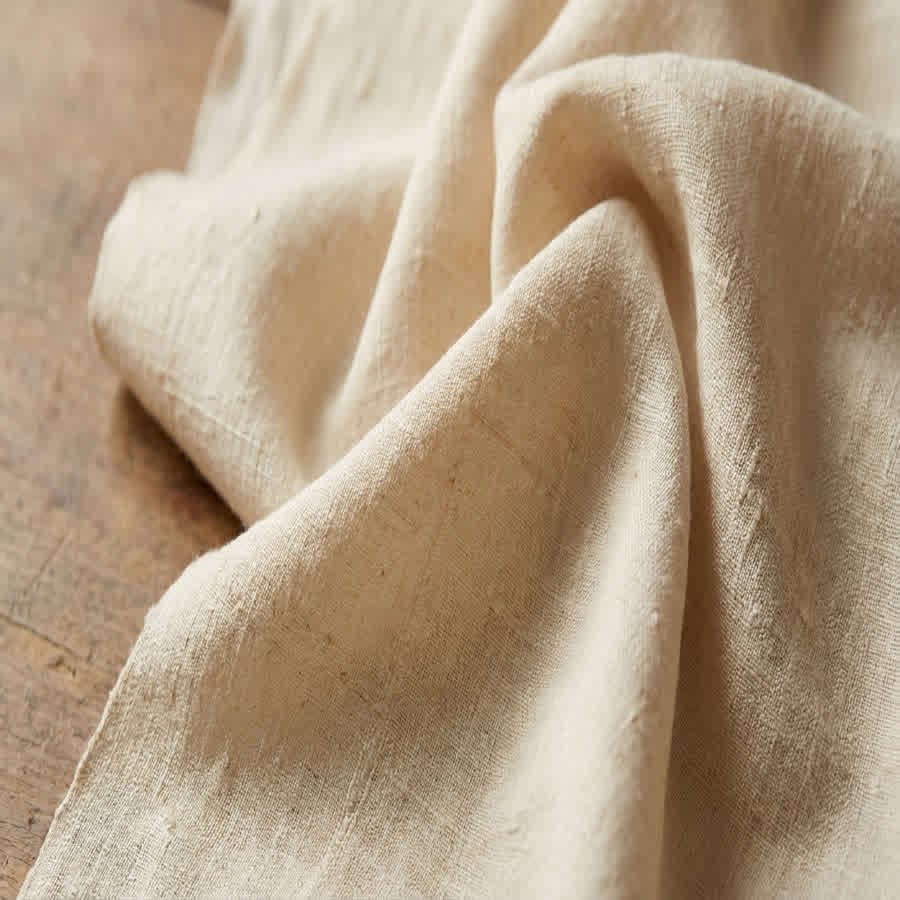
Indigenous Fibers and GSM Ranges
Selecting the right fiber and weight is crucial for garment performance. The handloom sector excels at producing a wide variety of textures, from delicate sheer layers to sturdy outerwear fabrics. Understanding the GSM ranges of these indigenous materials helps designers make accurate sourcing decisions. Key materials in this category include:
- Rain-fed Kala cotton, a resilient, drought-tolerant crop that yields a dry, crisp hand-feel ideal for structured shirts (110-150 GSM).
- Ahimsa peace silk, processed without killing the pupae, resulting in a highly breathable, textured fabric (80-120 GSM).
- Unbleached linen, spun from durable bast fibers, offering excellent moisture-wicking properties for heavy twills and suiting (180-250 GSM).
Azo-Free and Botanical Dyeing
The dyeing process is historically one of the most polluting stages of textile manufacturing. To mitigate this, artisan clusters utilize Azo-free or natural botanical dyes. Azo-free synthetic dyes are formulated without carcinogenic compounds, ensuring skin safety for the end consumer.
Natural dyes, extracted from roots, leaves, and minerals, offer complete biodegradability. Both methods drastically reduce toxic effluent runoff, protecting the local waterways surrounding the weaving villages. By specifying these clean dyeing techniques, designers ensure their fabrics meet tightening global sustainability regulations while achieving a rich, nuanced color palette for their collections.
Verifying Impact: Traceability and Fair Trade in Rural Clusters
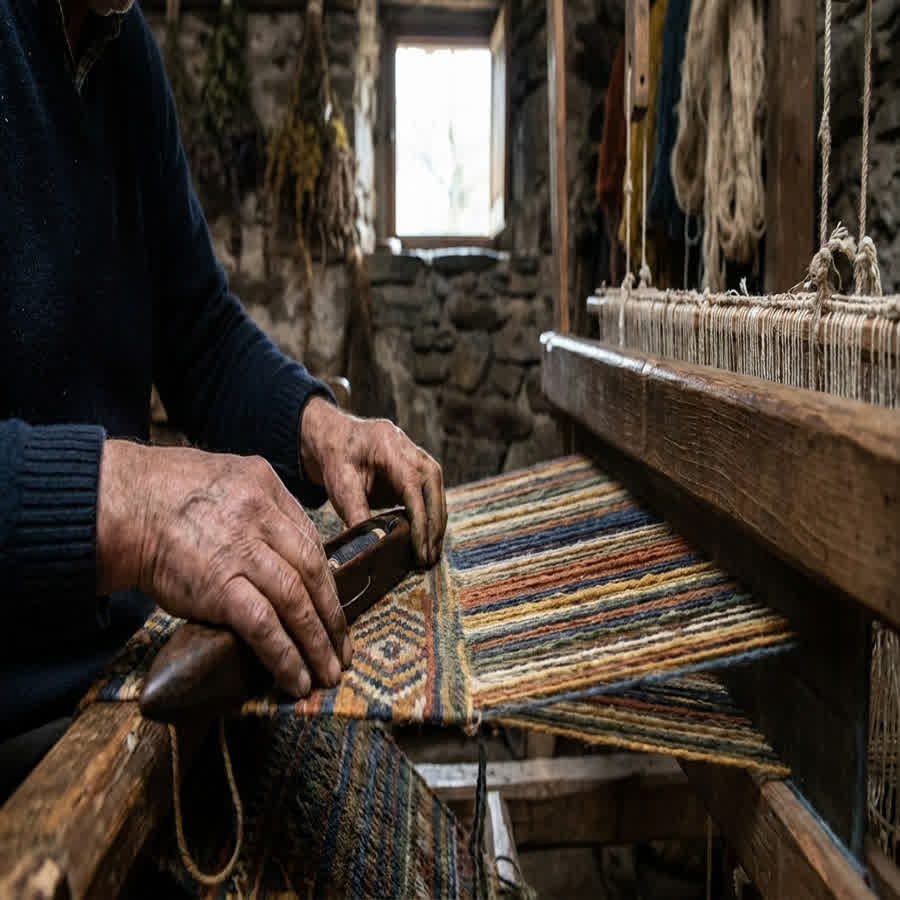
Brands prove their ethical claims by mapping the supply chain down to the village level, sharing artisan stories, and relying on localized certifications.
In a market saturated with vague sustainability claims, end-consumers demand proof. Ethical fabric sourcing for designers is only effective if the brand can transparently communicate the origin and impact of their materials. B2B buyers need concrete evidence to back up their eco-claims and differentiate their brand narratives. This requires a shift from relying solely on broad international audits to embracing localized, community-level verification.
Transparent Supply Chain Mapping
Mapping a decentralized supply chain involves documenting every step from the farm to the final fabric. This level of detail is a powerful tool against greenwashing. When a brand can name the specific district in Bengal or Karnataka where their Ahimsa peace silk was woven, they build immediate trust with their audience. Effective supply chain mapping should include:
- Geographic coordinates or specific village names for the spinning and weaving clusters.
- Visual documentation of the artisans working on the specific order to prove active engagement.
- Clear wage structures demonstrating fair compensation above local minimums for the weavers.
Localized Certifications and Artisan Stories
While global standards like GOTS are valuable, they are often prohibitively expensive for small rural cooperatives. Instead, designers can look for recognized localized certifications like Craftmark, which specifically verify authentic handloom production.
Beyond certificates, the most compelling proof of ethical fabric sourcing for designers is the human element. Sharing the stories of the rural Indian handloom weavers connects the consumer to the heritage craft behind their garment. Highlighting the zero-electricity production methods and the generational skill required to weave complex patterns transforms a simple piece of fabric into a meaningful, high-value product.
frequently asked questions
What is a realistic MOQ when sourcing ethical fabrics from artisan clusters?
Unlike commercial mills that typically require 1,000+ meters per style, decentralized artisan clusters can often accommodate MOQs as low as 50 to 100 meters. This flexibility is specifically designed to support emerging designers and reduce deadstock waste. Because handlooms are set up manually, artisans can prepare shorter warps, allowing brands to test new materials without massive financial commitments.
How do I verify the ethical claims of a fabric supplier?
Look for transparent supply chain mapping that connects you directly to the weaving clusters. Request Azo-free or natural dye testing reports, ask for visibility into wage structures, and look for recognized localized certifications like Craftmark or global standards like GOTS where applicable. A reliable supplier will gladly provide village-level origin data and visual documentation of the weaving process.
Are handloom fabrics suitable for scalable fashion collections?
Yes, but they require a shift in production planning. Handloom fabrics feature natural variations that add unique value, but they have longer lead times (typically 60-90 days for custom weaving). Designers must factor these artisanal timelines into their sourcing calendar. By planning seasonal drops further in advance, brands can successfully scale their collections while maintaining their commitment to zero-electricity production.
What is the technical difference between Ahimsa silk and conventional silk in sourcing?
Ahimsa (peace) silk allows the moth to hatch before the cocoon is processed, which breaks the continuous filament. It requires specialized staple spinning, resulting in a textured, highly breathable fabric (typically 80-120 GSM) with a matte finish, compared to the smooth, continuous-filament finish of conventional silk. This process preserves the life of the moth and creates a fabric with superior drape and thermal regulation.
What are the primary benefits of using rain-fed Kala cotton?
Rain-fed Kala cotton requires zero irrigation or synthetic pesticides, making it one of the most water-efficient and low-impact fibers available. It produces a highly durable, textured fabric with excellent breathability, ideal for designers seeking resilient materials. Sourcing this indigenous fiber directly supports regenerative agricultural practices and provides a compelling sustainability narrative for eco-conscious brands.
More Blogs
malmal cloth in english: understanding the global appeal of mul cotton
wholesale cotton fabric: how to choose the right supplier
screen printing on fabric: techniques, process & applications in fashion

linen gym wear: can you really workout in natural fibers?
what to look for during khadi online shopping?
top 5 upcycled fabric products you can make at home