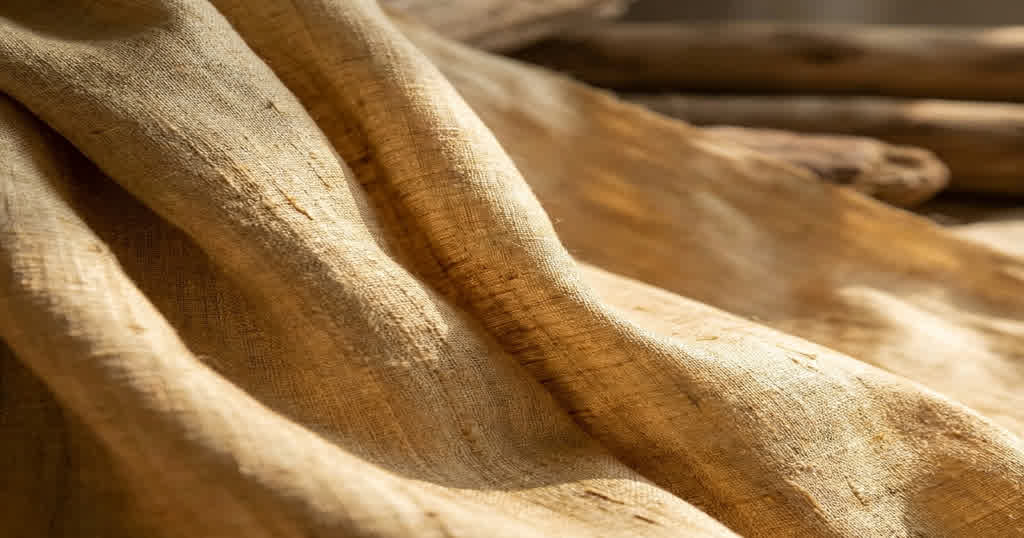
Designing with Tussar Silk: Drape, Texture, and Application in Modern Wear

Modern fashion houses are shifting away from high-impact conventional fabrics toward materials offering structural integrity and a verifiable eco-narrative. For a contemporary brand, designing with tussar silk provides a distinct advantage by delivering a highly textured, crisp hand-feel that holds architectural shapes. This wild silk, traditionally foraged from the forests of Eastern India, bridges the gap between luxury aesthetics and low-impact production. The decision to specify this particular fiber goes beyond its visual appeal and directly impacts garment longevity, thermal regulation, and the final silhouette.
Understanding the specific drape mechanics and weight of this material allows creators to build tailored jackets and A-line skirts that stand out in the market. We will examine the exact material science, dye behavior, and sourcing realities required to successfully integrate this premium wild silk into modern collections.
The Anatomy of Tussar: Understanding Slub, Texture, and GSM
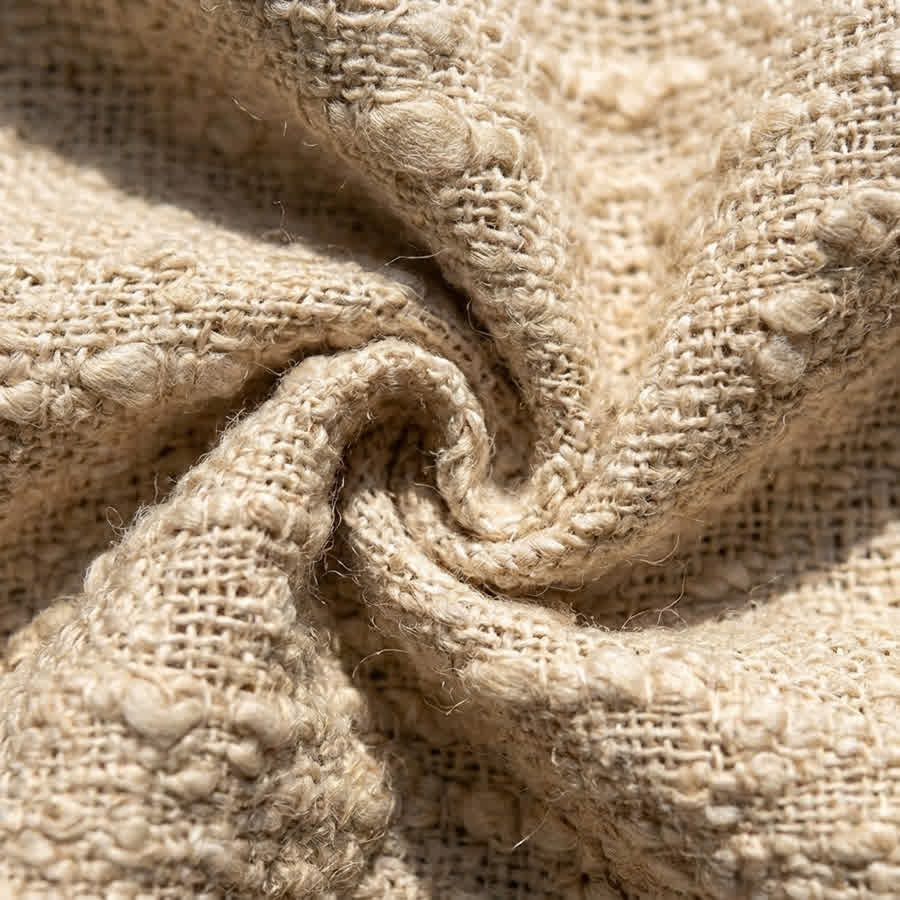
The anatomy of Tussar silk is defined by its short, thick fibers that create a naturally slubby texture and typically yield a fabric weight between 80 and 130 GSM. This unique structure gives the material its high porosity and exceptional breathability.
Fiber Structure and Porosity
Unlike cultivated Mulberry silk, Tussar is a wild Vanya silk foraged from the forests of Jharkhand, Chhattisgarh, and West Bengal. The caterpillars feed on local oak and jamun leaves, which directly influences the shorter fiber length and thicker diameter of the spun yarn. This irregular thickness produces a characteristic slubby texture that adds visual depth to the finished yardage.
Because the fibers are less uniform, the resulting weave contains microscopic gaps that enhance the fabric's thermal regulation. This structural porosity allows air to circulate freely, making the material highly breathable for the wearer. The handloom weaving process further emphasizes this organic tactile quality, as artisans carefully interlock the uneven yarns. Designers often select this fabric specifically for its rich surface variation, which cannot be replicated by synthetic alternatives.
Weight and Breathability
When specifying yardage for a collection, understanding the GSM range is critical for predicting how the garment will perform. Tussar typically falls into a medium-weight category, which provides enough substance for outerwear while maintaining comfort.
The specific weight of the fabric dictates its best end-use in a collection:
- 80 to 90 GSM: Ideal for lighter blouses, offering a soft, airy drape with slight translucency.
- 100 to 115 GSM: Serves as a versatile mid-weight option for structured dresses and tailored trousers.
- 120 to 130 GSM: Provides the necessary structural rigidity for architectural jackets and heavy winter layering.
This natural variance in weight allows for diverse applications across a single collection. By matching the correct fabric density to the intended silhouette, creators ensure the final piece maintains its shape while offering superior comfort.
Mastering the Drape: Structural Integrity in Modern Silhouettes
Tussar silk drapes with a distinct structural stiffness due to its high tensile strength and lower elasticity compared to conventional silks. This crisp behavior makes it the ideal foundation for tailored, architectural garments rather than fluid, clinging styles.
Tensile Strength vs. Elasticity
The mechanical properties of this wild silk dictate how it moves and rests on the body. It possesses high tensile strength, meaning the fabric resists tearing and holds tension well across seams. However, it has notably lower elasticity than cultivated varieties, which prevents it from stretching or draping closely against the wearer's form.
This lack of stretch results in a voluminous drape that holds its own shape independently of the body beneath it. When designing with tussar silk, creators must account for this rigidity by utilizing darts, pleats, and precise tailoring rather than relying on the fabric to mold to the figure. The material naturally wants to stand away from the skin, creating a sculptural silhouette.
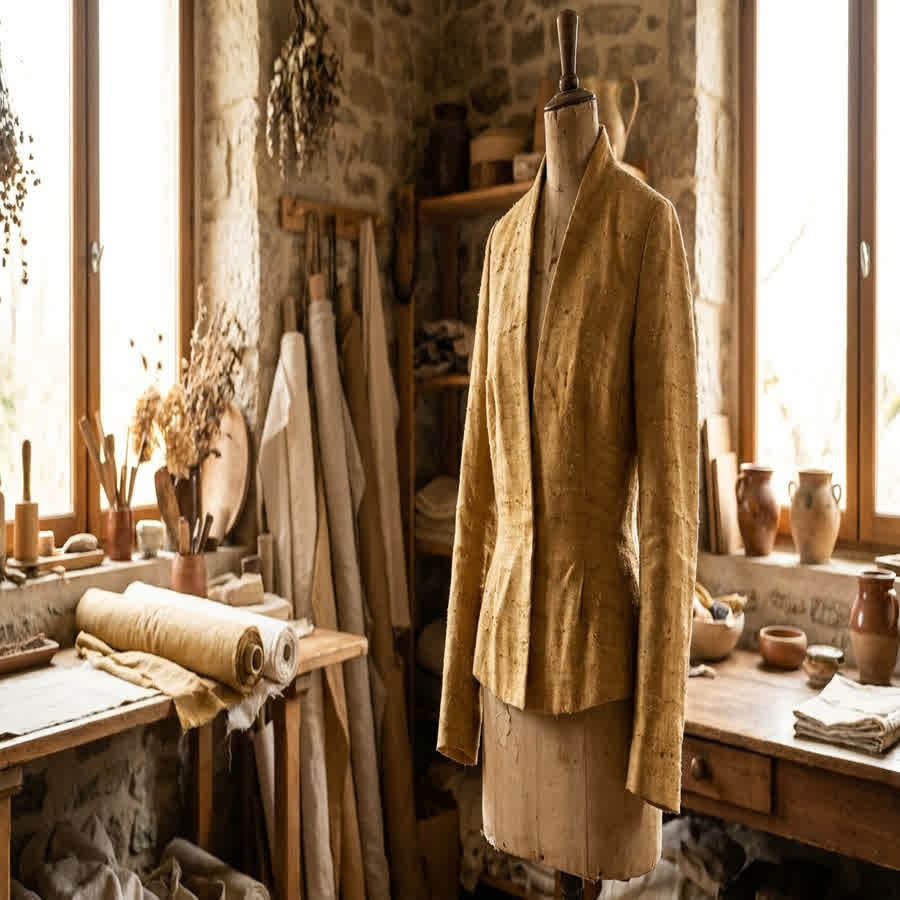
Tailoring for Contemporary Wear
Modern B2B buyers frequently source this material to bridge the gap between luxury eveningwear and structured daywear. The fabric's inherent structural integrity supports complex pattern making without the need for heavy interfacing or synthetic backing.
To maximize the potential of this textile, designers focus on specific garment categories:
- Tailored Jackets: The natural stiffness holds crisp lapels and sharp shoulder lines without sagging over time.
- A-Line Skirts: The fabric's volume supports wide, sweeping hems that maintain their architectural flare in motion.
- Structured Dresses: The low elasticity ensures that corseted bodices and geometric folds retain their exact proportions.
By leaning into the material's natural tendencies, fashion houses can construct garments that feel substantial and premium. The resulting pieces offer a low-impact alternative to conventional heavy silks, providing a sustainable luxury option for contemporary collections.
Dyeing and Finishing: Maximizing Tussar's Natural Gold Undertones
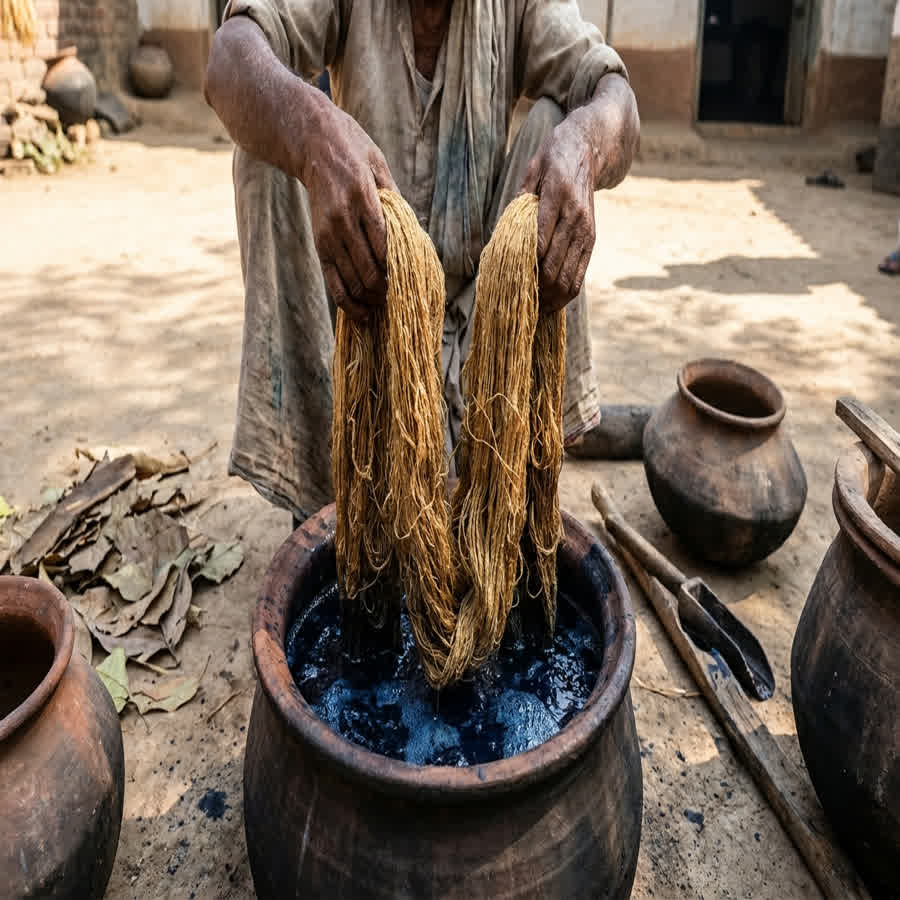
Tussar silk absorbs natural and AZO-free dyes exceptionally well due to its high porosity, though its inherent golden-tan base color shifts the final hue. Designers achieve a strong results by working with this natural sheen rather than attempting to bleach it out.
Porosity and Dye Uptake
The microscopic gaps within the short-fiber structure allow dye molecules to penetrate deeply into the yarn. This high porosity means the fabric takes on rich, saturated colors when processed with AZO-free dyes or plant-based extracts. However, achieving exact color matching requires careful testing, as the wild diet of the silkworms leaves a permanent residue in the fibers.
Because the material is rarely subjected to harsh chemical bleaching, it retains a high degree of its original character. Proper mordanting techniques are essential to ensure colorfastness, particularly when applying deep shades like indigo or madder root. The resulting colors often exhibit a subtle heathered effect, adding visual complexity to the finished yardage.
Working with the Golden Base
Unlike the stark white base of cultivated silk, Vanya silk naturally occurs in shades ranging from pale honey to deep copper. When designing with tussar silk, this underlying warmth will interact with any applied pigment, warming up cool tones and intensifying earthy colors.
Fashion brands can utilize this characteristic to create unique, nuanced palettes:
- Earthy Neutrals: Over-dyeing with light taupes or olives enhances the golden undertones, creating a rich, organic appearance.
- Deep Jewel Tones: Applying dark emeralds or burgundies over the natural base yields a luminous depth that synthetic fabrics cannot replicate.
- Unaltered Natural: Leaving the fabric completely undyed highlights the raw texture and communicates a strong zero-waste aesthetic.
By embracing the fabric's original color profile, designers reduce the need for intensive chemical processing. This approach not only preserves the tensile strength of the fibers but also strengthens the brand's commitment to low-impact manufacturing.
Designing with Tussar Silk: From Forest to Fashion Week
Sourcing Tussar silk through a decentralized artisan network ensures ethical foraging and weaving, which translates directly into premium brand value on the runway. By connecting forest-based livelihoods to modern fashion, designers secure bespoke yardage while supporting a verifiable, low-impact supply chain.
The Artisan Supply Chain
The journey of this wild silk begins with indigenous tribal communities, such as the Santhals, who have practiced symbiotic forest foraging for centuries. These communities carefully collect the cocoons from wild oak trees after the moths have naturally emerged, preserving the local ecosystem. We work directly with these rural Indian handloom weavers to transform the raw silk fiber into high-quality yardages suitable for western apparel.
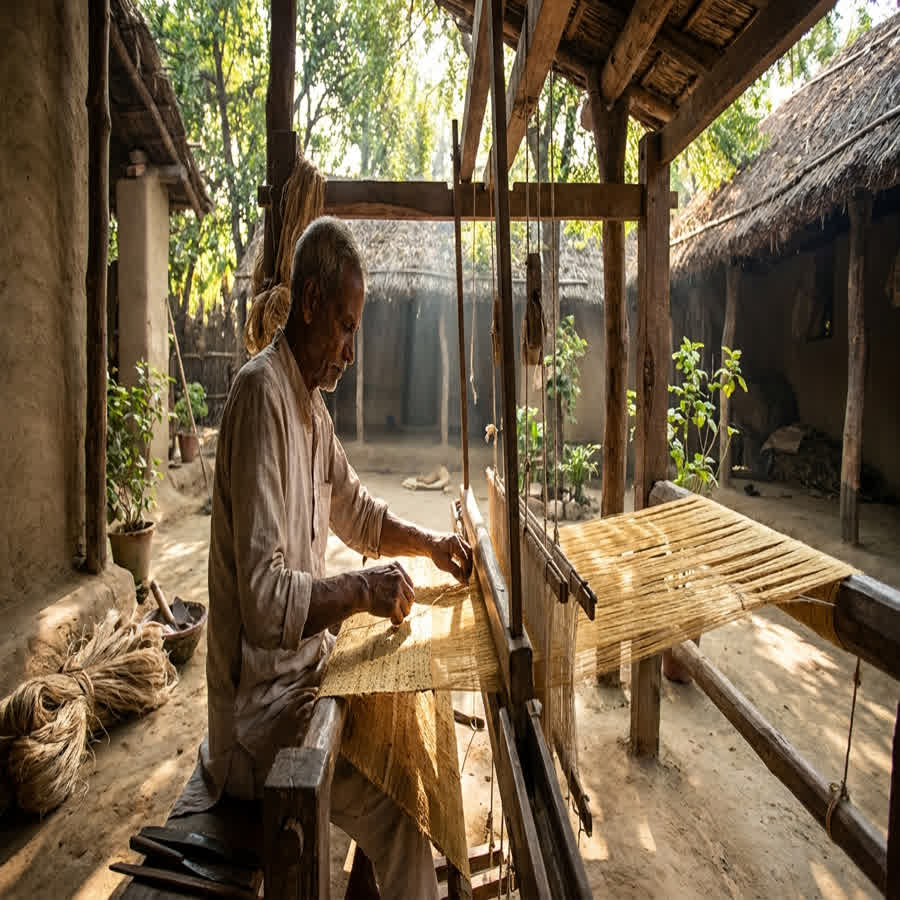
This decentralized artisan network bypasses industrial factories, relying instead on generational knowledge and manual looms. Because the production happens at the village level, boutique sourcing directors can access custom weave structures and specific widths that are often unavailable in mass-market catalogs. This direct relationship ensures that the artisanal craftsmanship is preserved and fairly compensated.
Building a Sustainable Narrative
For a modern B2B fashion brand, the origin story of a material is as critical as its physical performance. Integrating this fabric into a collection provides a transparent narrative of ethical sourcing and environmental stewardship.
When designing with tussar silk, brands can market several distinct value propositions to their end consumers:
- Cruelty-Free Options: The wild foraging process often aligns with peace silk principles, appealing to conscious consumers.
- Forest Conservation: Supporting this industry provides economic incentives for communities to protect their native woodlands, ensuring long-term biodiversity.
- Carbon Reduction: The reliance on manual handlooms and natural processing significantly lowers the carbon footprint of the final garment.
By communicating these specific sourcing facts, designers position their collections beyond mere aesthetics. The resulting garments represent a tangible commitment to sustainable textile sourcing, offering buyers a product that is both structurally beautiful and ethically sound.
Explore Our Collection
Anuprerna works directly with handloom artisan clusters to weave designing with tussar silk for designers and brands building considered collections. To source it for your next line, explore the range below.
frequently asked questions
What is the ideal GSM of Tussar silk for structured modern apparel?
For structured modern apparel like jackets or tailored trousers, a GSM of 100-130 is ideal. For lighter blouses or flowing dresses, an 80-90 GSM Tussar provides the right balance of opacity and drape.
How does Tussar silk respond to natural dyeing processes?
Tussar is highly porous and takes natural dyes beautifully, though its natural golden-tan base color will influence the final shade. It requires careful mordanting to ensure colorfastness, especially for deep, saturated hues.
What is the shrinkage rate of handloomed Tussar silk?
Handloomed Tussar silk typically experiences a minimal shrinkage of 2-4% upon first wash. We recommend pre-washing or dry-cleaning the yardage before cutting for precise tailoring.
Can Tussar silk be blended with other fibers for different drape effects?
Yes, Tussar is frequently blended with cotton (Tussar-Cotton) to increase softness, improve drape fluidity, and reduce cost, or with Eri silk to enhance thermal properties and yield a more relaxed silhouette.
What is the typical lead time for sourcing custom Tussar silk yardage?
The typical lead time for custom handloomed Tussar silk ranges from 45 to 60 days, accounting for yarn spinning, dyeing, and manual weaving. Factoring in this production window is essential for fashion brands planning their seasonal collections.
More Blogs
malmal cloth in english: understanding the global appeal of mul cotton
wholesale cotton fabric: how to choose the right supplier
screen printing on fabric: techniques, process & applications in fashion
linen gym wear: can you really workout in natural fibers?
what to look for during khadi online shopping?
top 5 upcycled fabric products you can make at home