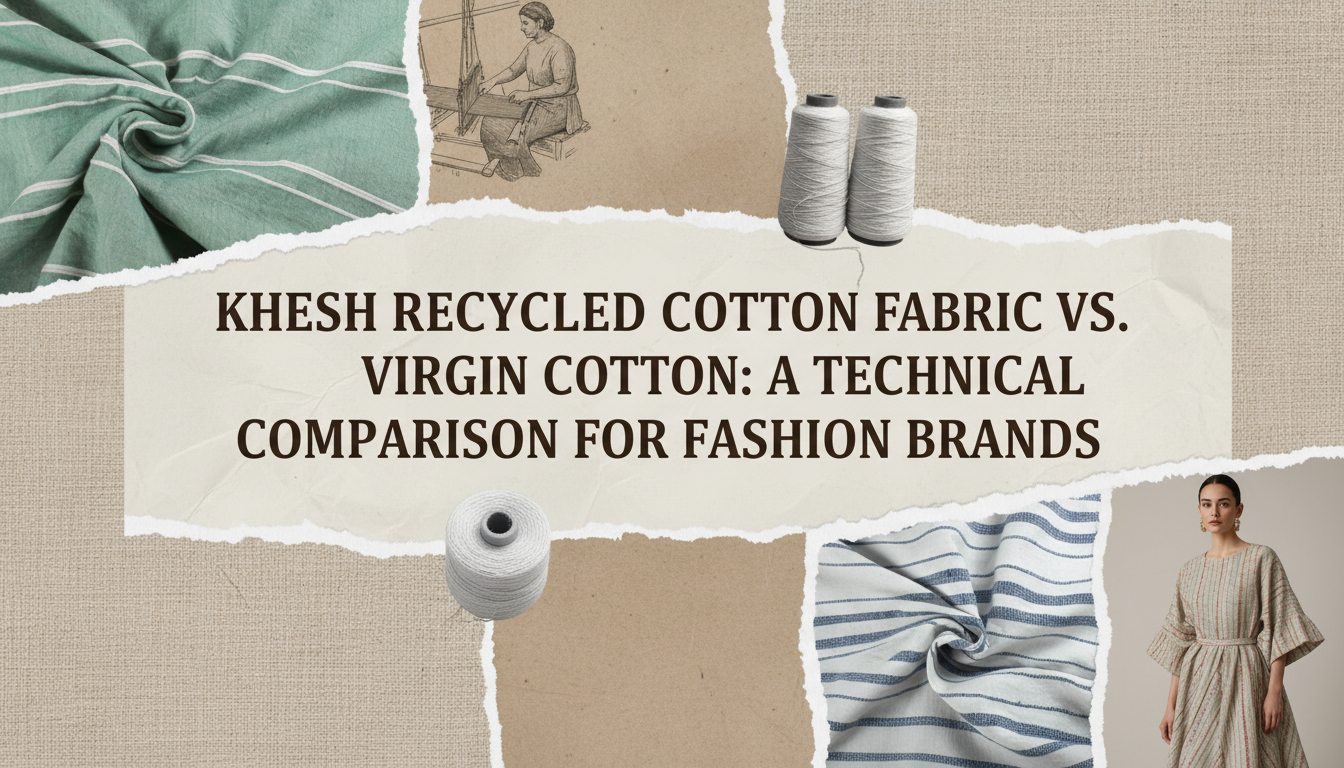
Khesh Recycled Cotton Fabric vs. Virgin Cotton: A Technical Comparison for Fashion Brands

For decades, virgin cotton has been the undisputed king of the textile industry, valued for its breathability, strength, and versatility. However, as the fashion industry grapples with its environmental footprint, consuming trillions of liters of water and contributing to massive landfill waste, the spotlight has shifted toward more circular alternatives. Enter the Khesh recycled cotton fabric, a material that promises to close the loop by repurposing existing textile waste into high-quality garments.
For B2B fashion brands and designers, the transition from virgin to recycled materials isn't just a marketing choice; it’s a technical one. Understanding the nuances of recycled yarn properties is essential for maintaining garment longevity and meeting consumer expectations. While virgin cotton offers long, stable fibers, recycled cotton introduces unique textures and environmental benefits that are reshaping the "Made in India" narrative.
In this comprehensive guide, we will break down the technical differences between recycled and virgin cotton, explore the sourcing landscape for recycled cotton fabric wholesale, and provide actionable insights into how your brand can integrate these sustainable textiles without compromising on quality or aesthetics.
Understanding the Lifecycle: From Post-Consumer Waste Textiles to New Fabric
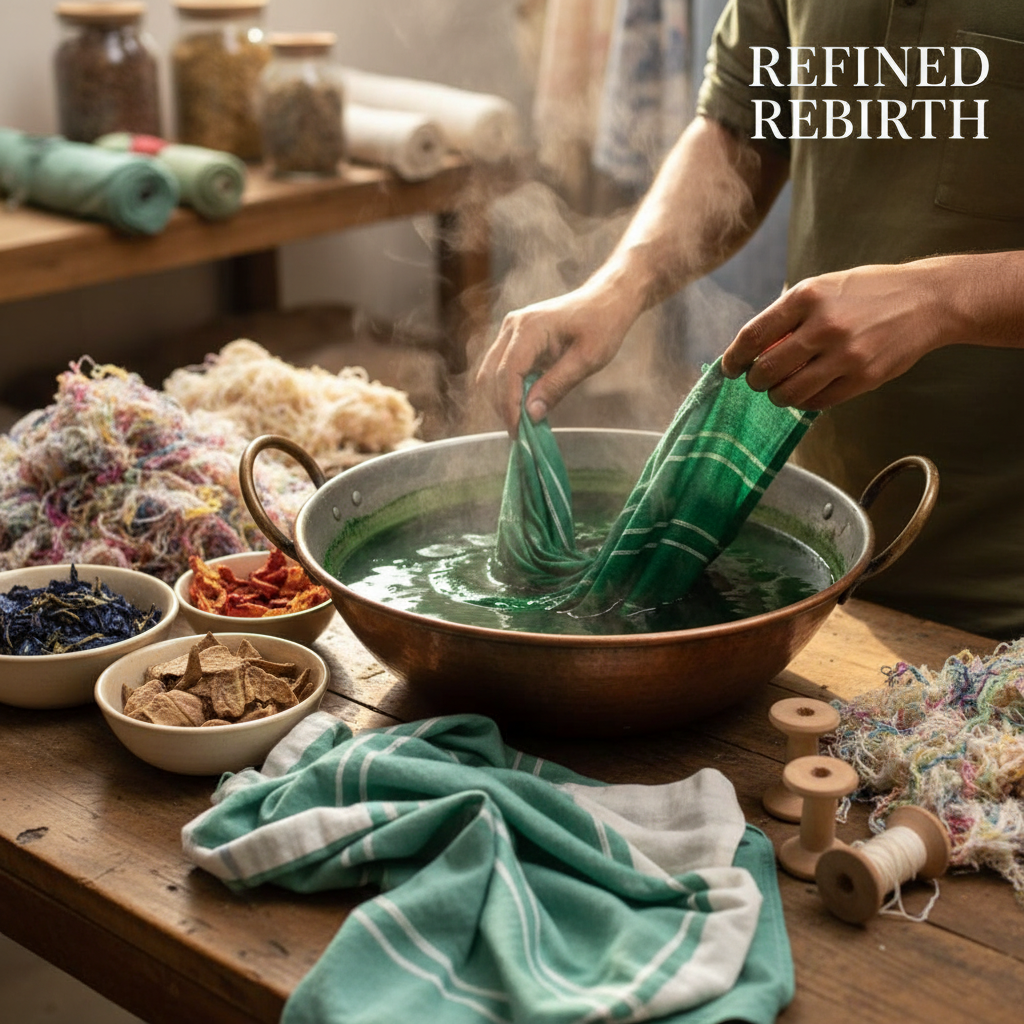
To understand why a recycled fabric behaves differently than a virgin one, we must first look at how it is made. Unlike virgin cotton, which is harvested directly from the cotton plant, recycled cotton is derived from two primary sources: pre-consumer waste (scraps from the cutting floor) and post-consumer waste textiles (used garments and household items).
The Mechanical Recycling Process
In India, the hub of textile craftsmanship, the process of creating recycled yarn is largely mechanical.
- Sorting: Textiles are sorted by color and material composition. Sorting by color is a critical step because it reduces the need for additional dyeing, further saving water and chemicals.
- Shredding: The fabric is put through a "garnetting" machine that shreds the cloth back into raw fiber form.
- Carding and Spinning: These shredded fibers are then carded and spun into new yarn.
Pro Tip: Because the shredding process is aggressive, it inevitably shortens the fiber length. To maintain the structural integrity of the final recycled cotton fabric, these short fibers are often blended with a carrier fiber, such as virgin cotton or recycled polyester, to ensure the yarn is strong enough for high-speed weaving.
At Anuprerna, we emphasize the balance between heritage techniques and modern circularity. When brands look to source fabrics wholesale in India, understanding this mechanical limitation is key to selecting the right weight and weave for their collections.
Technical Comparison: Khesh Recycled Yarn Properties vs. Virgin Cotton
When evaluating recycled cotton for a new collection, designers must weigh several technical parameters. Here is how the two materials stack up:
1. Fiber Length and Tensile Strength
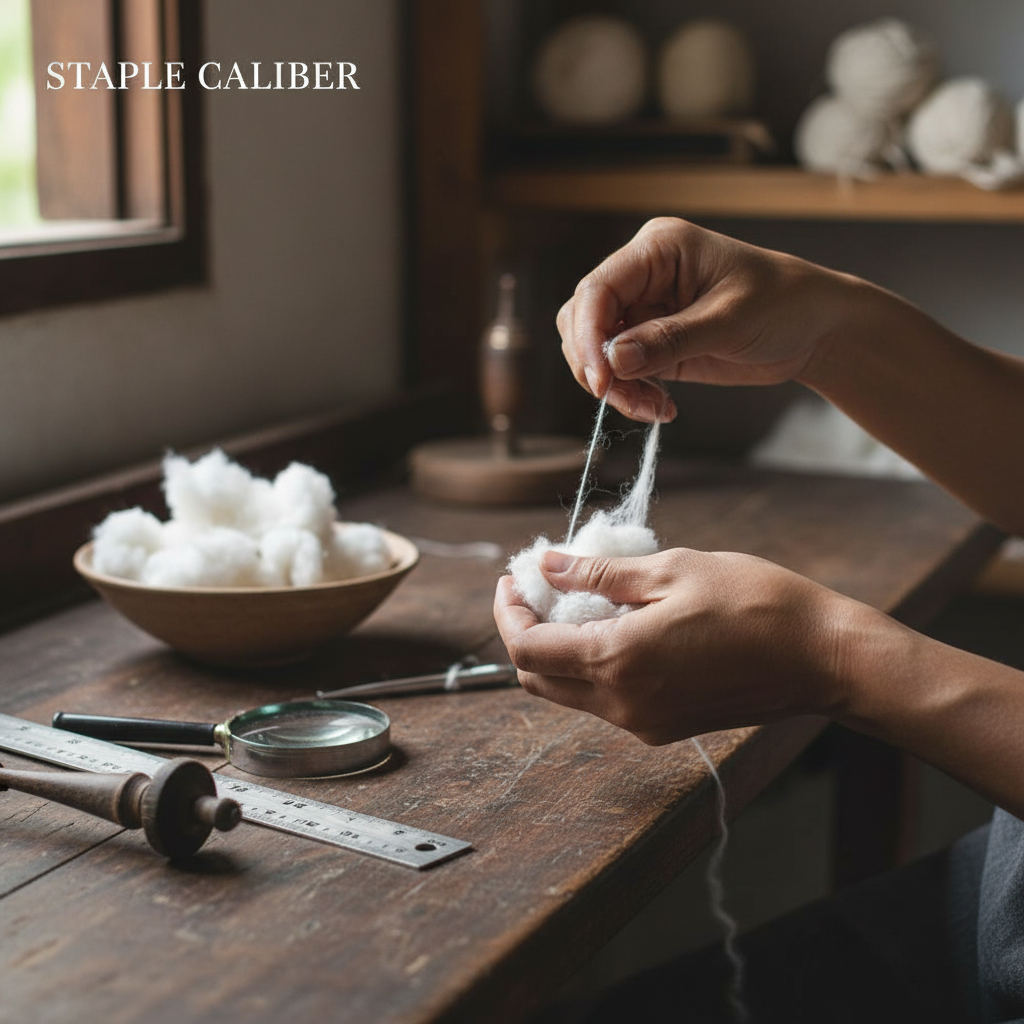
Virgin cotton fibers can range from 2.5 cm to over 6 cm (especially in extra-long-staple varieties). In contrast, the mechanical recycling of recycled fabric results in much shorter fibers.
- Virgin Cotton: High tensile strength, ideal for fine shirting and high-stress seams.
- Recycled Cotton: Lower tensile strength on its own. This is why you will often see it used in heavier weights or blended. For instance, a White Recycled Cotton 80 Gsm Fabric provides a lightweight feel but requires careful construction to maintain durability.
2. Texture and Hand-Feel
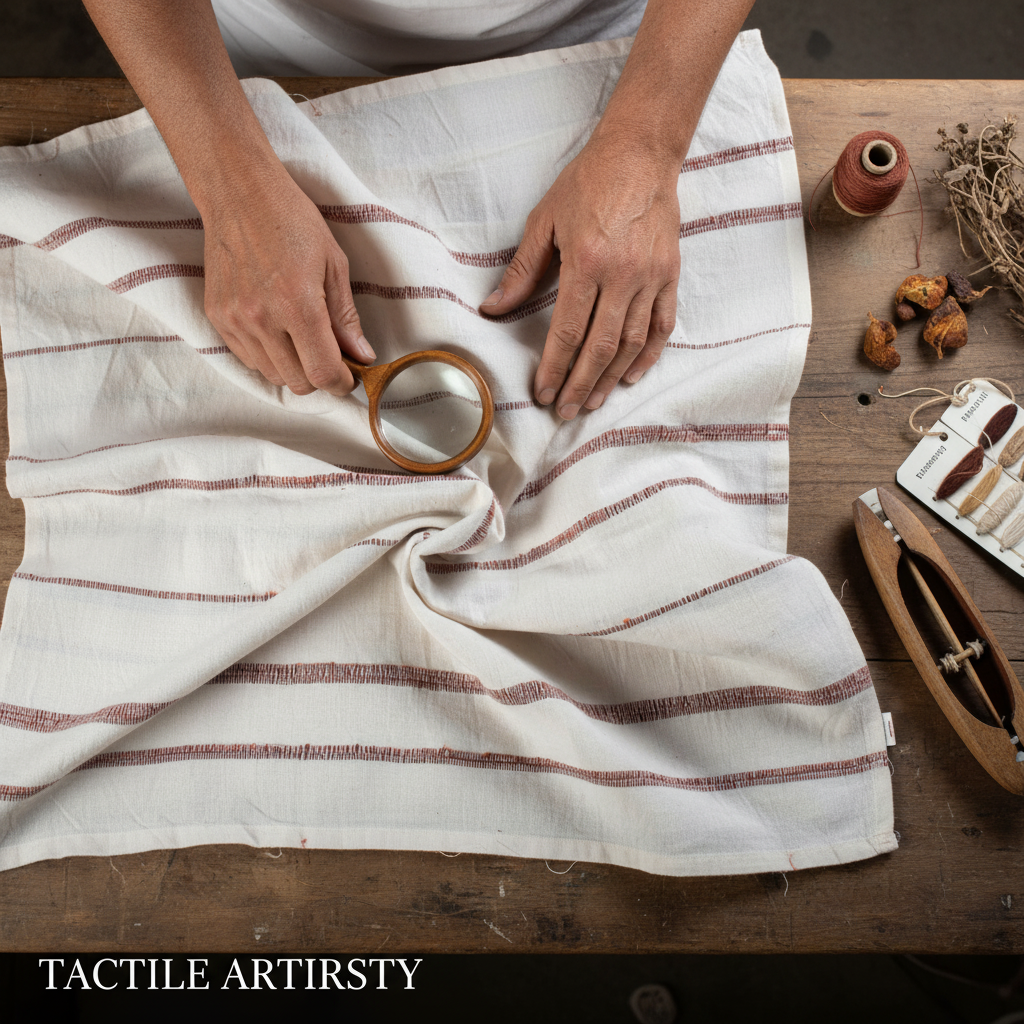
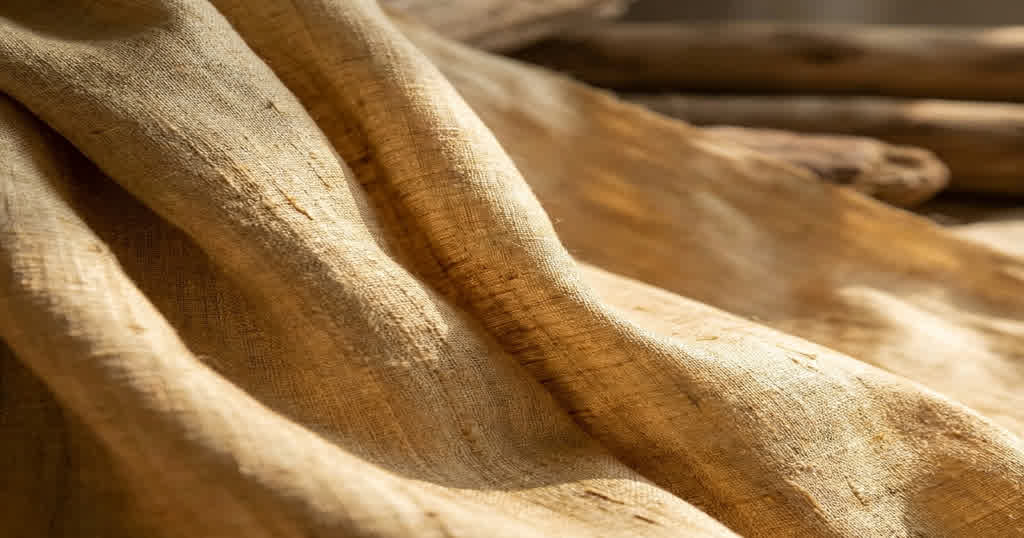
Virgin cotton is known for its smoothness. Recycled cotton, however, possesses a more "organic" and slightly irregular texture. This "slubby" appearance is highly sought after by ethical fashion brands looking to communicate a sense of authenticity and hand-crafted quality.
3. Dye Absorption and Color Consistency
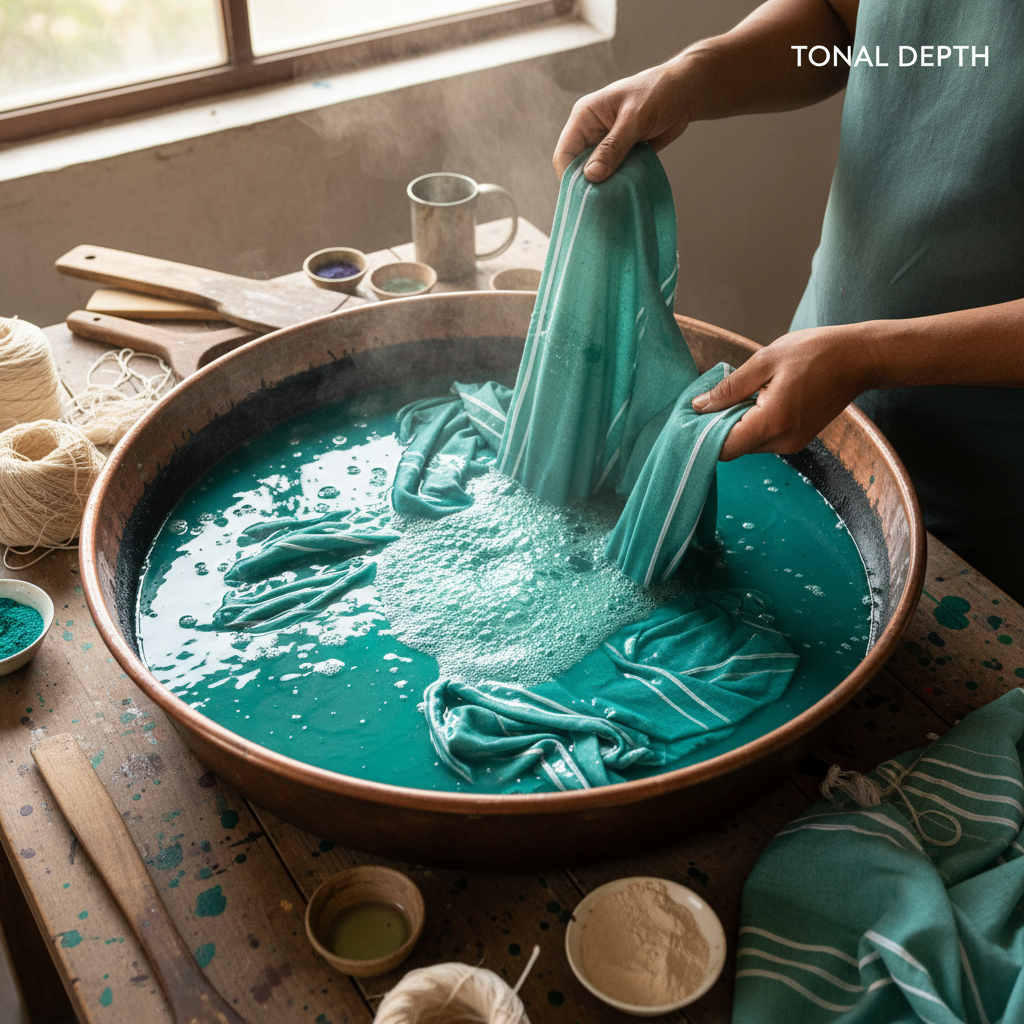
Since many recycled yarns are created by blending pre-colored scraps, the resulting recycled cotton fabric wholesale lots might have slight color variations. While virgin cotton provides a "blank canvas" for precise Pantone matching, recycled cotton offers a unique depth of color that reflects its previous life. For brands focusing on khadi cotton fabric by color, integrating recycled fibers can add a beautiful, heathered effect to the palette.
The Sustainability Ledger: Why Khesh Recycle Fabric Wins
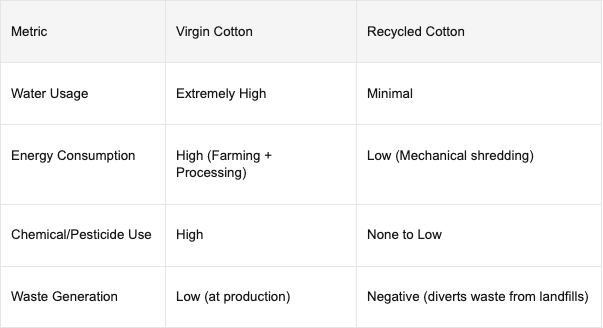
The environmental argument for recycled cotton is overwhelming. To produce 1kg of virgin cotton, it can take up to 20,000 liters of water, depending on the region.
Environmental Impacts at a Glance:
- Water Conservation: Recycled Khesh cotton requires almost zero water during the "growth" phase because the fiber already exists. The only water used is in the cleaning and occasional re-dyeing process.
- Pesticide Reduction: Virgin cotton is one of the most chemically intensive crops in the world. By using post-consumer waste textiles, brands bypass the agricultural chemical cycle entirely.
- Land Use: Shifting to recycled materials frees up agricultural land for food crops, a vital consideration in a country with a large population like India.
Comparison Table: Environmental Footprint
Designing with Khesh Recycled Cotton: A Guide for Fashion Brands
Integrating Khesh recycled cotton fabric into your production line requires a slight shift in design thinking. Because the fibers are shorter, the way the fabric drapes and wears will differ from standard powerloom cotton.
What You'll Need to Consider
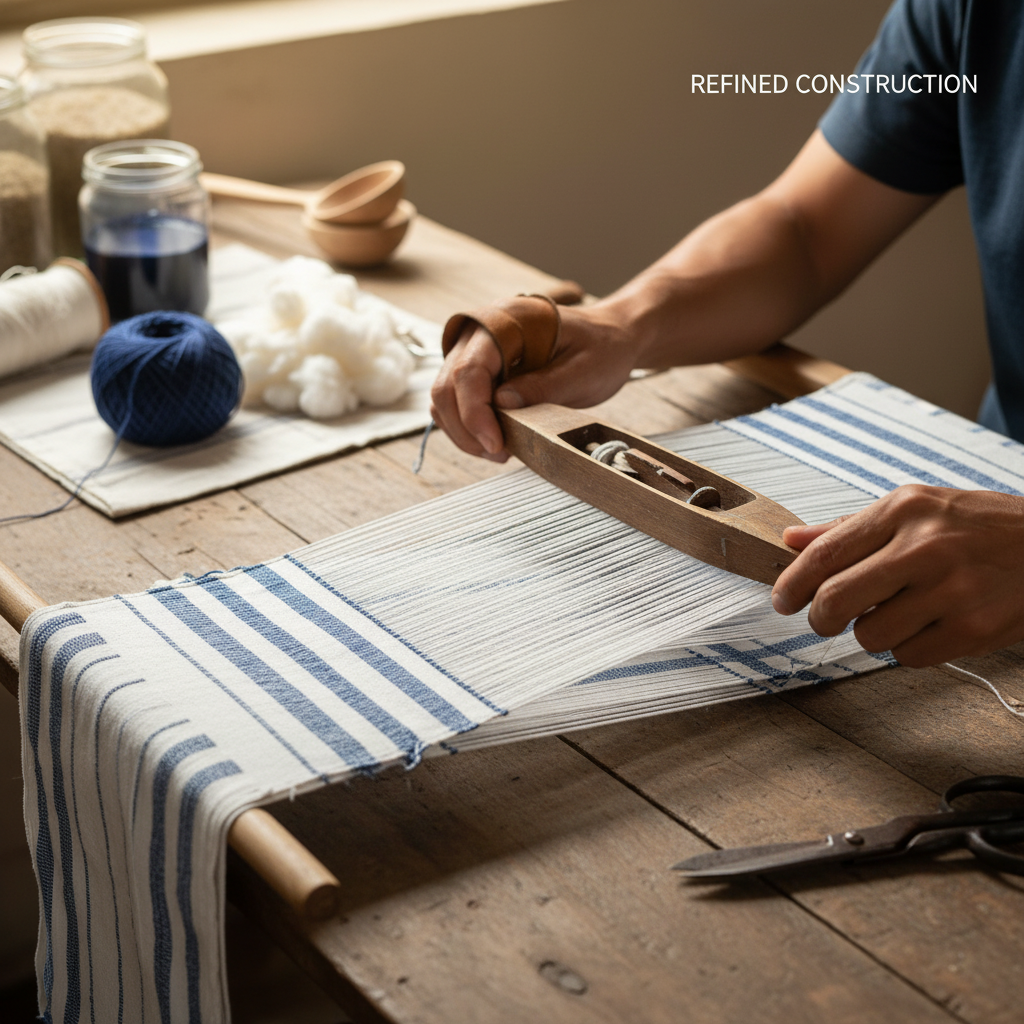
- Fabric Weight (GSM): Heavier GSMs are generally more stable for recycled cotton. However, lightweight options like our white Khesh recycled cotton 80 Gsm fabric are excellent for layered garments, scarves or relaxed summer tunics.
- Seam Reinforcement: Use slightly wider seam allowances or French seams to ensure the shorter fibers don't pull apart under tension.
- Blending Ratios: Most high-quality Khesh recycled cotton fabric wholesale options use a 30/70 or 50/50 blend with virgin cotton. This provides the "eco-friendly" badge while ensuring the garment survives multiple washes.
Common Mistakes to Avoid
- Treating it like Silk: Do not expect the same sheen or drape as Eri or Mulberry silk. Recycled cotton is matte and rustic.
- Ignoring Shrinkage: Recycled fibers can sometimes have higher shrinkage rates during the first wash. Always request pre-shrunk samples or perform rigorous wash tests before bulk production.
- Over-Processing: The beauty of Khesh recycled fabric lies in its sustainability. Excessive chemical finishing or bleaching defeats the purpose of choosing an eco-friendly material.

Sourcing Recycled Cotton Fabric Wholesale in India
India has a sophisticated ecosystem for textile recycling, particularly in regions like Panipat and Tirupur. However, for B2B brands, finding a partner that combines this recycling capability with ethical craftsmanship is crucial.
When navigating fabrics wholesale, brands should look for:
- Transparency: Can the supplier trace the source of the post-consumer waste textiles?
- Certifications: Look for Global Recycled Standard (GRS) certification to ensure the recycled content claims are verified.
- Customization: At Anuprerna, we work with brands to develop specific weaves that highlight the unique recycled yarn properties while supporting our artisan communities.
Expert Tip: When ordering samples, ask for both the "loom state" (unfinished) and "finished" versions of the fabric. This allows your design team to see the true potential of the recycled fibers.
Conclusion
The choice between recycled and virgin cotton is no longer just about cost, it's about the future of your brand's legacy. While virgin cotton remains a staple for certain high-performance applications, Khesh recycle cotton fabric offers a compelling, character-rich alternative that resonates with the modern, conscious consumer.
By understanding the technical nuances of recycled yarn properties and the environmental impact of post-consumer waste textiles, fashion brands can create collections that are not only beautiful but also restorative. As you look to scale your sustainable offerings, partnering with manufacturers who value both the planet and the craft is the first step toward a truly circular fashion economy.
Ready to explore sustainable textiles for your next collection? Browse our collection of Khesh recycled cotton fabrics or contact us for wholesale inquiries to see how we can bring your ethical designs to life.
most asked questions
Is recycle cotton fabric as durable as virgin cotton?
Pure recycled cotton is generally less durable than virgin cotton because the recycling process shortens the fibers. However, when blended with virgin cotton or recycled polyester (typically a 50/50 or 30/70 mix), the durability is comparable to standard textiles. For B2B brands, we recommend using recycled blends for apparel to ensure the longevity of the garment while still achieving significant environmental savings.
Why is recycled cotton often more expensive than virgin cotton?
While the raw material (waste) might seem cheaper, the process of collecting, sorting by color, removing buttons/zippers, and mechanically shredding post-consumer waste textiles is labor-intensive. Additionally, the lower yield and specialized machinery required for spinning short fibers into high-quality recycled cotton fabric wholesale lots contribute to the cost. However, the marketing value and environmental benefits often outweigh the slight price premium.
Does recycled cotton fabric pill more easily?
Because of the shorter fiber length inherent in recycled yarn properties, there is a slightly higher tendency for pilling compared to long-staple virgin cotton. This can be mitigated by choosing tighter weaves, using blends, or applying eco-friendly anti-pilling finishes during the textile processing stage. Designers should test fabric swatches for abrasion resistance during the sampling phase.
Can I dye recycle fabric to any color?
Recycled cotton is often sorted by color before shredding, which creates a "base color" for the new yarn. While you can over-dye this fabric, it is most sustainable to use the natural colors resulting from the blended waste. If you require a specific Pantone match, it is easier to achieve on "white" recycled cotton, which is made from bleached pre-consumer scraps, though this increases the chemical footprint.
What are the best applications for 80 GSM recycled cotton?
A lightweight Khesh recycled cotton fabric is ideal for summer tops, scarves, linings for sustainable jackets, and lightweight pocketing. Its breathable nature and soft hand-feel make it perfect for "slow fashion" pieces that prioritize comfort and ethical sourcing. It is also a popular choice for eco-friendly packaging and reusable tote bags.
More Blogs
can one fabric feel luxurious and sustainable? meet the silk-bamboo blend
handwoven jamdani vs machine-made: what wholesale buyers should know
raw silk fabrics: uses, texture, and styling ideas
french terry vs. fleece: choosing the right loopback fabric for your collection
how emerging eco-conscious designers source ethical fabrics
designing with tussar silk: drape, texture, and application in modern wear