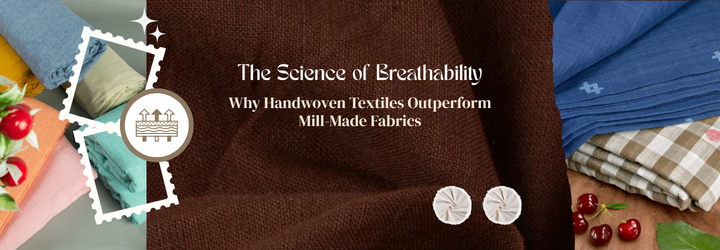
The Science of Breathability: Why Handwoven Textiles Outperform Mill-Made Fabrics

Summer fabrics require specific technical properties to keep the wearer cool, primarily high moisture vapor transmission rates (MVTR) and low thermal resistance. When evaluating materials for Spring/Summer (SS) collections, the structural difference between handwoven and mill-made textiles becomes glaringly apparent. Machine-milled fabrics often feature tightly packed, uniform yarns that restrict airflow and trap body heat. In contrast, artisanal handloom fabrics utilize hand-spun yarns that inherently possess a lower, more irregular twist which is the secret to superior thermal regulation.
Understanding Moisture Vapor Transmission Rates (MVTR)
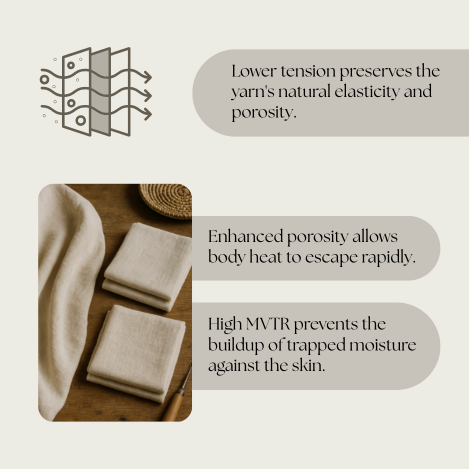
MVTR measures the speed at which perspiration passes through a fabric, a critical metric for any summer garment. Handwoven textiles excel in this area because their construction naturally facilitates better air permeability. The weaving process on a traditional handloom exerts less tension on the yarn than industrial power looms.
- Lower tension preserves the yarn's natural elasticity and porosity.
- Enhanced porosity allows body heat to escape rapidly.
- High MVTR prevents the buildup of trapped moisture against the skin.
Designers prioritizing functional cooling must look beyond fiber type and consider the mechanical construction of the weave itself.
The Role of Hand-Spun Yarn in Capillary Action
The true magic of handwoven summer fabrics lies at the microscopic level of the hand-spun yarn. The irregular twist of these yarns creates tiny micro-pockets of air throughout the fabric's architecture. These air pockets act as natural ventilation channels, significantly enhancing the fabric's capillary action.
- Micro-air pockets draw moisture away from the skin.
- Capillary action spreads moisture across a wider surface area for rapid evaporation.
- The resulting evaporative cooling effect mimics the body's natural temperature regulation.
By partnering with organic fabric suppliers in India, designers gain access to these technically superior, low-GSM (60-150) fabrics. This artisanal approach ensures that every yard of fabric not only looks organic but actively performs as a breathable, climate-responsive second skin.
Khadi & Muslin: India’s Ancient Answer to Global Warming
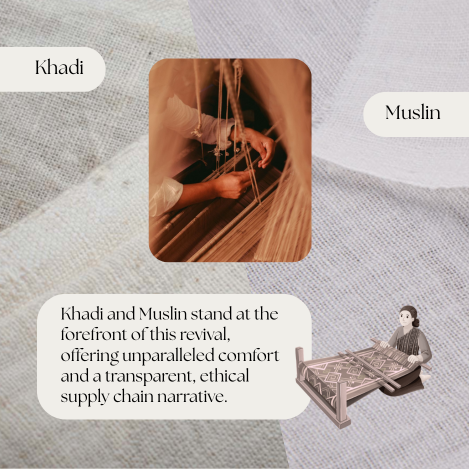
Khadi & Muslin: Climate-Responsive Fabrics for Summer Collections
India's handloom heritage originated as a direct, practical response to the subcontinent's sweltering, unforgiving summers. Long before the advent of modern synthetic cooling technologies, artisanal weavers in Bengal engineered ultra-breathable textiles designed to combat extreme heat. Today, these historical fabrics are experiencing a massive resurgence among global designers shifting away from synthetic blends. Khadi and Muslin stand at the forefront of this revival, offering unparalleled comfort and a transparent, ethical supply chain narrative.
The Heritage of Bengal Muslin
Bengal Muslin is historically celebrated as one of the finest, most lightweight fabrics ever created. Woven with extraordinary precision, this sheer fabric typically falls within an ultra-low GSM range of 60 to 80. The delicate nature of Muslin makes it the ultimate choice for lightweight blouses, sheer overlays, and flowing summer dresses.
- Ultra-fine hand-spun yarns create a nearly weightless drape.
- The open weave structure maximizes air circulation around the body.
- Natural cotton fibers provide a soft, non-irritating touch against sun-exposed skin.
Sourcing authentic Bengal Muslin allows B2B buyers to infuse their SS collections with a fabric that is both historically significant and technically optimized for heat.
Khadi’s Climate-Responsive Architecture
Khadi, a fabric that is both hand-spun and handwoven, represents the pinnacle of climate-responsive textile engineering. Unlike uniform machine-made cotton, Khadi's inherent textural variations give it a unique, tactile appeal that modern consumers crave. It is famously known for keeping the wearer cool in the summer and warm in the winter due to its dynamic thermal resistance.
- The fabric's porous nature adapts to fluctuating environmental temperatures.
- A typical GSM of 100 to 150 provides structure without sacrificing breathability.
- Its zero-carbon footprint aligns perfectly with sustainable fashion mandates.
As leading organic fabric suppliers in India, Anuprerna preserves these centuries-old techniques through a decentralized artisan model. This ensures that the Khadi produced retains its cultural authenticity while meeting the rigorous quality standards expected by global luxury brands.
Linen and Kala Cotton: Structuring the Perfect Summer Silhouette
While sheer and lightweight fabrics are essential for summer, designers also require materials that can hold a crisp, tailored shape. Creating structured garments like trousers, blazers, and architectural dresses demands fabrics with higher tensile strength and distinct textural profiles. Linen and Kala Cotton are the premier choices for achieving these structured yet highly breathable summer silhouettes. Both fibers offer exceptional durability and unique aesthetic qualities that elevate any premium SS collection.
The Tensile Strength and Drape of Linen
Linen is universally recognized as a luxury summer staple, prized for its crisp hand-feel and elegant drape. Derived from the flax plant, linen fibers are naturally thicker and longer than cotton, resulting in a fabric with remarkable tensile strength. This strength allows designers to craft tailored pieces that maintain their shape even in high humidity.
- High moisture absorbency keeps the skin dry and comfortable.
- The stiff nature of the fiber prevents the fabric from clinging to the body.
- Natural luster and slub textures add visual depth to minimalist designs.
When woven on traditional handlooms, linen acquires an even softer drape while retaining its structural integrity, making it a versatile asset for B2B apparel collections.
Kala Cotton’s Rain-Fed Resilience
For brands seeking the ultimate sustainable narrative, Kala Cotton offers an extraordinary solution. This indigenous, old-world cotton species (Gossypium herbaceum) is grown primarily in the arid regions of Kutch, India. It is a completely rain-fed crop, requiring absolutely no synthetic fertilizers, pesticides, or artificial irrigation to thrive.
- High drought resistance makes it one of the most water-efficient cottons globally.
- The coarse, durable texture provides excellent structure for summer workwear.
- High breathability ensures comfort despite its rugged, earthy appearance.
Integrating Kala Cotton into your sourcing strategy demonstrates a profound commitment to environmental stewardship. By working with dedicated organic fabric suppliers in India, designers can access this rare, resilient fiber to build summer collections that are as ecologically responsible as they are structurally sound.
Sourcing Ethically: Navigating Organic Fabric Suppliers in India
The global shift toward natural, climate-responsive textiles has fundamentally changed how B2B buyers approach their sourcing strategies. Today's consumers demand more than just functional cooling properties; they require a transparent, ethical supply chain narrative. Navigating the landscape of organic fabric suppliers in India requires partnering with organizations that prioritize both ecological integrity and fair labor practices. Anuprerna bridges this gap by offering a sourcing model that empowers rural artisans while delivering export-grade sustainable textiles.
The Power of a Decentralized Artisan Supply Chain
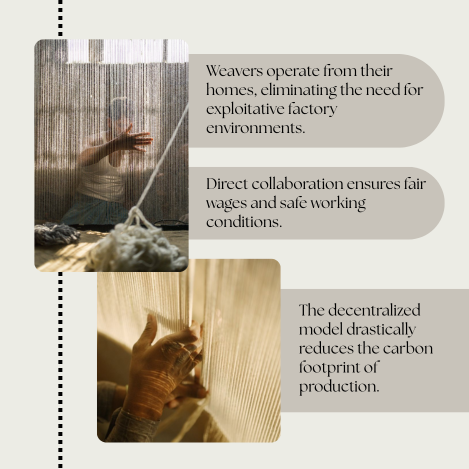
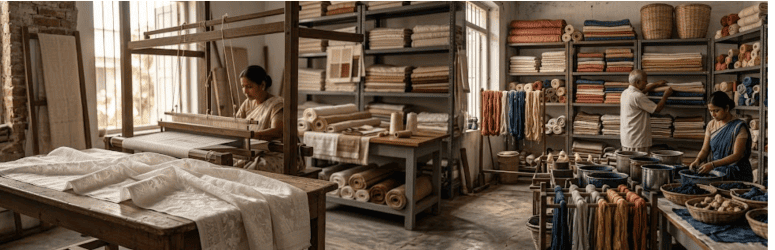
Traditional centralized manufacturing often disconnects the buyer from the maker, obscuring the realities of labor and environmental impact. Anuprerna operates on a decentralized artisan supply chain, working directly with rural Indian handloom weavers in their own communities. This model preserves centuries-old weaving techniques while fostering economic independence for artisan clusters.
- Weavers operate from their homes, eliminating the need for exploitative factory environments.
- The decentralized model drastically reduces the carbon footprint of production.
- Direct collaboration ensures fair wages and safe working conditions.
This ethical framework allows global designers to source premium summer fabrics with complete confidence in their social impact.
Traceability and Flexible MOQs for B2B Buyers
For B2B sourcing managers, flexibility and traceability are just as critical as fabric quality. Anuprerna understands the unique challenges faced by independent designers and mid-sized brands when developing SS collections. We offer streamlined solutions that make ethical sourcing accessible and highly efficient.
- Transparent supply chains provide complete traceability from yarn to finished yardage.
- Flexible Minimum Order Quantities (MOQs) allow for agile, low-waste production runs.
- Rigorous pre-loom and post-loom quality control protocols guarantee consistency.
By choosing reliable organic fabric suppliers in India, brands can seamlessly integrate artisanal Khadi, Muslin, and Linen into their lines. This strategic partnership not only elevates the technical quality of the garments but also enriches the brand's overarching sustainability narrative.
Designing for the Heat: How to Select the Right GSM for Your SS Collection
Selecting the perfect fabric for a summer collection is a delicate balancing act between aesthetic vision and technical performance. The weight of the fabric, measured in Grams per Square Meter (GSM), dictates how a garment will drape, breathe, and function in hot climates. For B2B designers, mastering the relationship between GSM and weave structure is essential for creating successful SS collections. Partnering with knowledgeable artisanal suppliers can help streamline this selection process, ensuring every textile aligns perfectly with its intended end-use.
Matching Fabric Weight to Garment Function
The ideal GSM range for peak summer fabrics typically falls between 60 and 150. Understanding where specific garments fit within this spectrum allows designers to optimize both comfort and durability. Lighter fabrics maximize airflow, while slightly heavier options provide necessary opacity and structure.
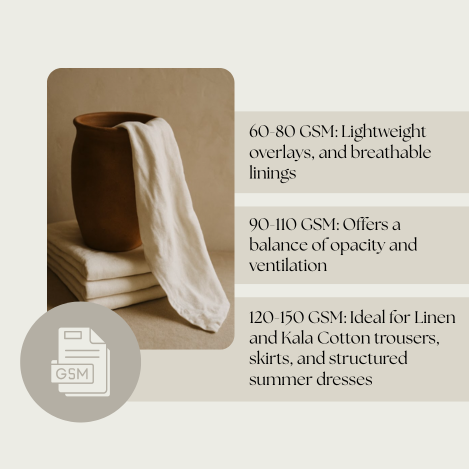
- 60-80 GSM: Perfect for sheer Muslin blouses, lightweight overlays, and breathable linings.
- 90-110 GSM: The sweet spot for classic Khadi shirting, offering a balance of opacity and ventilation.
- 120-150 GSM: Ideal for Linen and Kala Cotton trousers, skirts, and structured summer dresses.
By carefully matching the GSM to the garment's function, designers can build a cohesive, climate-responsive wardrobe that meets the diverse needs of their clientele.
Integrating Jamdani Extra-Weft Motifs
Beyond basic fabric weight, the weave structure itself plays a crucial role in summer garment design. Traditional embellishments like heavy embroidery can add unnecessary weight and trap heat against the body. Jamdani, an ancient extra-weft weaving technique, offers a brilliant, breathable alternative for adding intricate patterns.
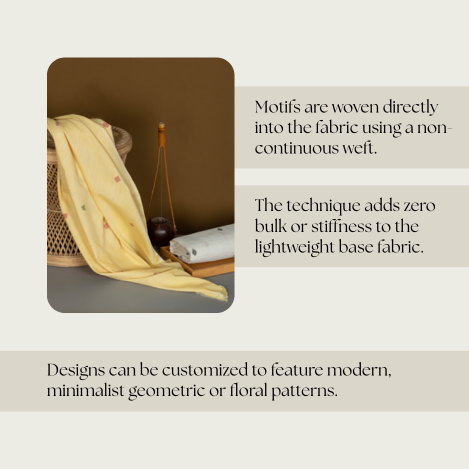
- Motifs are woven directly into the fabric using a non-continuous weft.
- The technique adds zero bulk or stiffness to the lightweight base fabric.
- Designs can be customized to feature modern, minimalist geometric or floral patterns.
This artisanal detailing elevates the perceived value of the garment without compromising its cooling properties. By leveraging these specialized techniques, designers can create visually stunning, highly functional summer pieces that stand out in the competitive global market.
Stop Designing for Summer. Start Designing for Heat.
Most summer collections fail for one simple reason: they’re built around aesthetics first, performance second.
Breathability isn’t a fabric label. It’s a function of structure, yarn, and weave. That’s why handwoven textiles consistently outperform mill-made alternatives where it actually matters: heat, moisture, and wearability. Khadi and Muslin solve for airflow and cooling. Linen and Kala Cotton bring structure without trapping heat. Jamdani adds design without adding weight. Each fabric is not just a choice, it’s a role within your collection.
If you’re still selecting fabrics based on how they look on a hanger, you’re designing for display, not for use. The shift is simple: match fabric performance to garment function. That’s where comfort, durability, and real product differentiation come from.
And that’s what actually sells in summer.
most asked questions
What makes handwoven cotton more breathable than machine-milled cotton for summer wear?
Handwoven cotton uses hand-spun yarn, which has a lower and more irregular twist compared to machine-spun yarn. This irregularity creates microscopic air pockets within the fabric structure, significantly increasing air permeability and moisture vapor transmission rates (MVTR), which keeps the wearer cooler.
What is the ideal GSM range for summer fabrics in a B2B apparel collection?
For peak summer collections, designers should target a GSM between 60 and 150. Fabrics like sheer Muslin (60-80 GSM) are ideal for lightweight blouses and overlays, while Khadi and Linen (100-150 GSM) provide the necessary opacity and structure for trousers and dresses without compromising breathability.
How does Anuprerna ensure the authenticity and quality of its organic summer fabrics?
As leading organic fabric suppliers in india, Anuprerna operates a decentralized supply chain directly with rural artisan clusters. We ensure quality through rigorous pre-loom yarn testing, adherence to organic standards, and strict quality control protocols at the post-loom stage, ensuring B2B buyers receive export-grade textiles.
Can traditional weaves like Jamdani be customized for contemporary summer collections?
Yes. Jamdani is an extra-weft technique that allows for highly customizable, breathable motifs without adding heavy
More Blogs
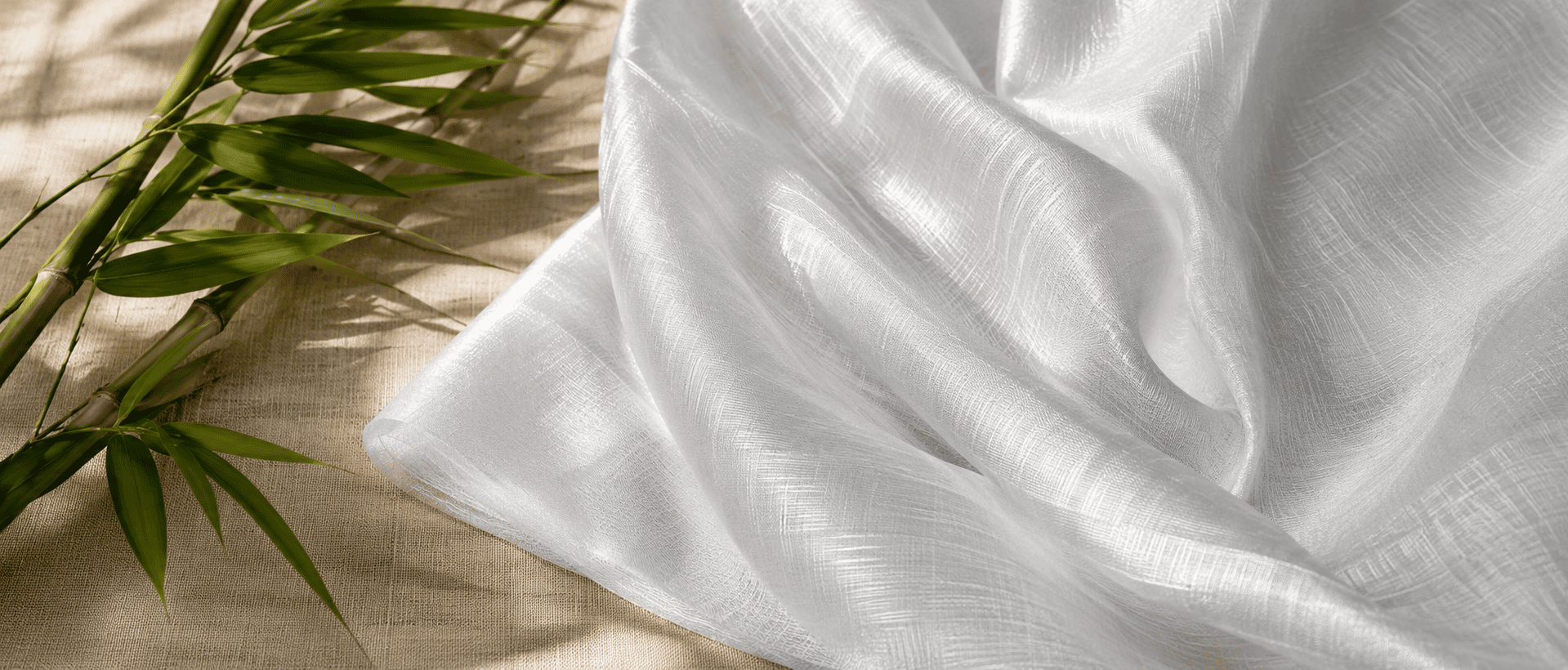
can one fabric feel luxurious and sustainable? meet the silk-bamboo blend
handwoven jamdani vs machine-made: what wholesale buyers should know
raw silk fabrics: uses, texture, and styling ideas
french terry vs. fleece: choosing the right loopback fabric for your collection
how emerging eco-conscious designers source ethical fabrics
designing with tussar silk: drape, texture, and application in modern wear