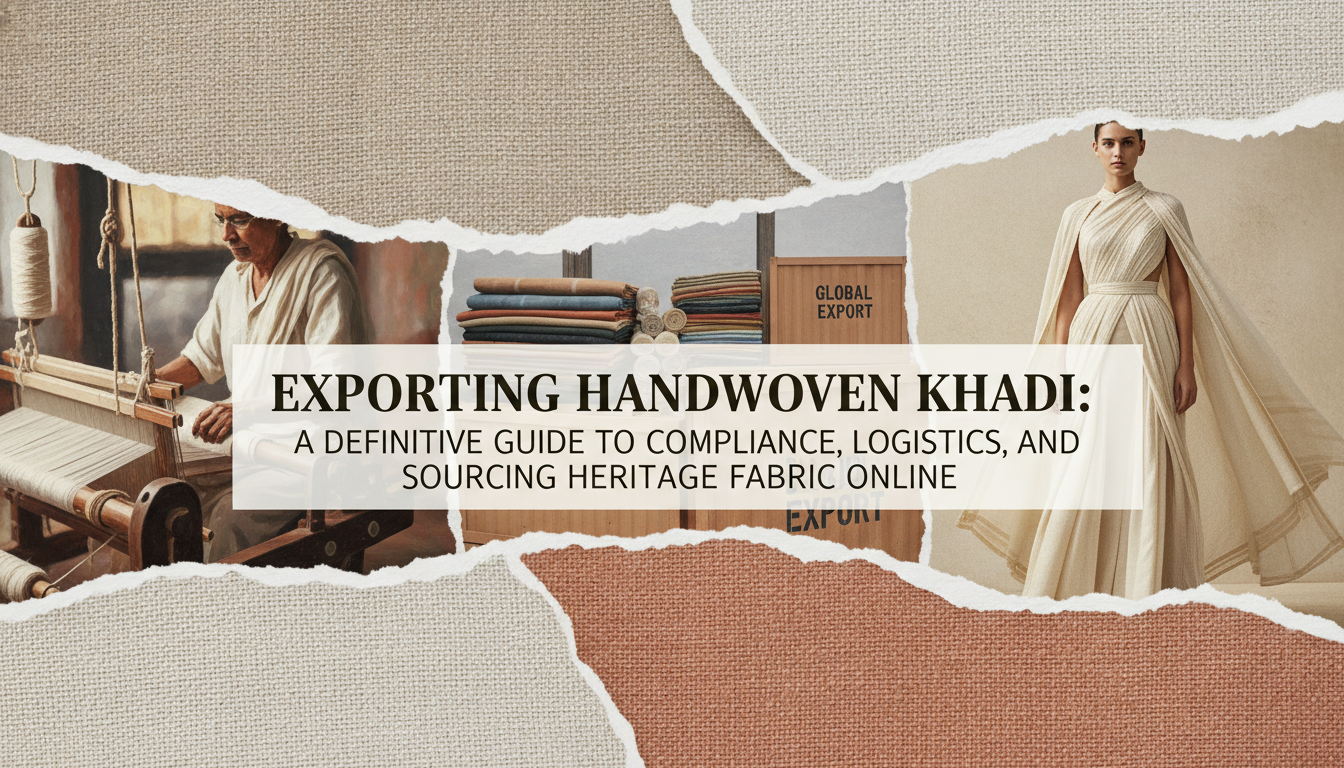
Exporting Handwoven Khadi: A Guide to Compliance, Logistics, and How to Buy Khadi Fabric Online

In the era of "Slow Fashion," handwoven Khadi has emerged as the ultimate luxury for sustainable brands worldwide. It is more than just a textile; it is a symbol of self-reliance, a low-carbon footprint, and a direct link to India’s rich artisanal heritage. However, for a global fashion house or a boutique label looking to buy khadi fabric online, the transition from a digital catalog to a physical shipment arriving at a warehouse in London, New York, or Paris involves a complex web of logistics, compliance, and quality benchmarks.
The challenge many brands face when exploring textile sourcing from India is the perceived "unpredictability" of handmade goods. How do you ensure that a fabric spun by hand in a remote village in West Bengal meets the rigorous quality standards of a high-end European fashion brand? How do you navigate the bureaucratic landscape of Indian exports?
This guide serves as a comprehensive roadmap for B2B buyers. We will delve into the khadi fabric manufacturing process, demystify the compliance requirements for international trade, and provide actionable insights on how to streamline your khaadi online shopping experience for bulk production.
The Khadi Fabric Manufacturing Process: Why It Matters for Global Brands
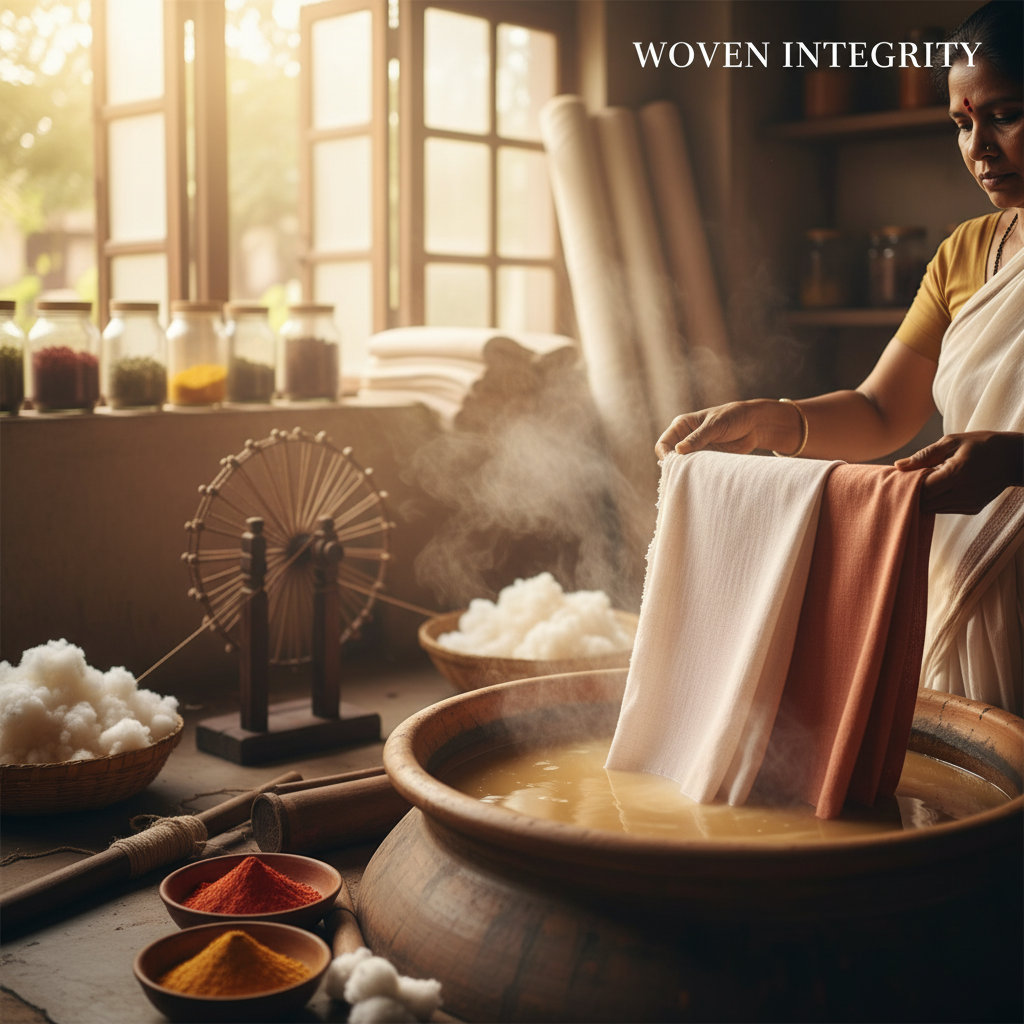
Before a brand decides to buy khadi fabric online, it is crucial to understand why this fabric holds such high value in the international market. The khadi fabric manufacturing process is unique because it is entirely decentralized and carbon-neutral.
1. Hand-Spinning (The Charkha)
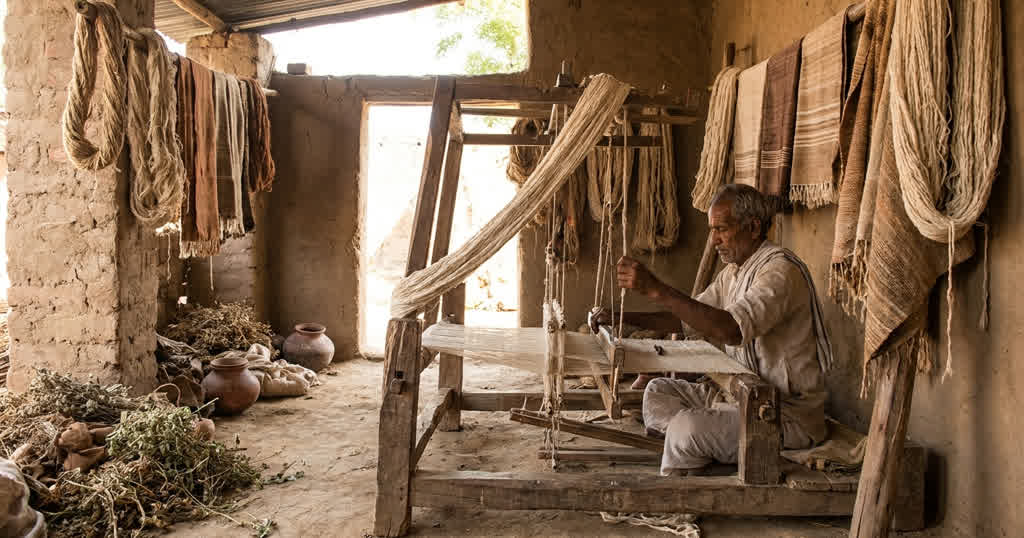
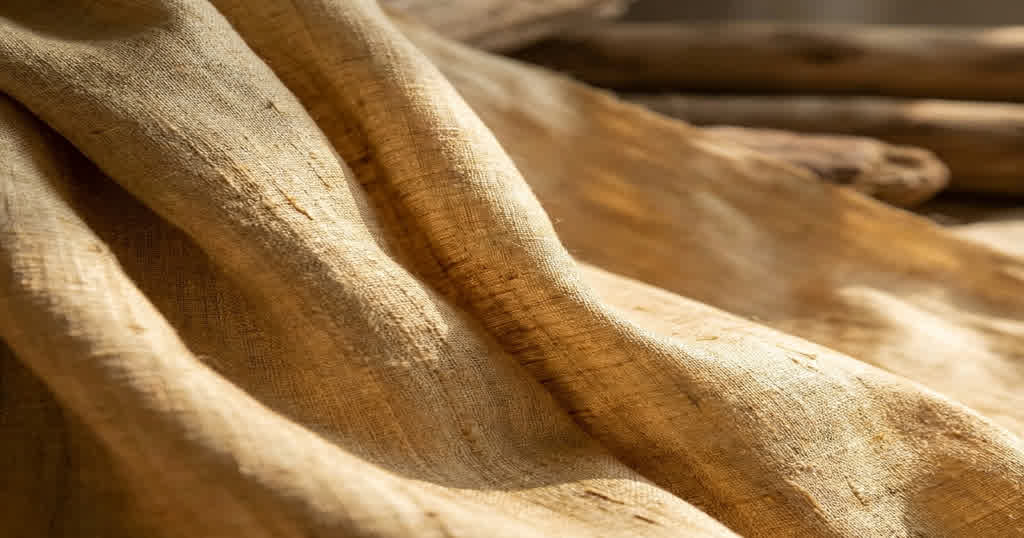
Unlike mill-made cotton, Khadi begins with hand-spinning. Artisans use a spinning wheel (Charkha) to transform raw fibers into yarn. This process preserves the staple length of the fiber and introduces "slubs" or natural irregularities. For a B2B buyer, these irregularities are not defects; they are the "fingerprints" of authenticity that consumers of sustainable luxury crave.
2. Hand-Weaving
The hand-spun yarn is then warped and weaved on pit looms or frame looms. This mechanical-free process ensures that the fabric is breathable keeping the wearer cool in summer and warm in winter. When you are sourcing natural textiles in India, understanding the loom type is essential for determining the texture and durability of the final garment.
3. Natural Dyeing and Finishing
Most export-quality Khadi uses vegetable dyes or azo-free synthetic dyes to meet international chemical compliance standards (like REACH). This alignment with global safety standards makes Khadi a preferred choice for eco-conscious labels.
Compliance and Certification for Khadi Fabric Export
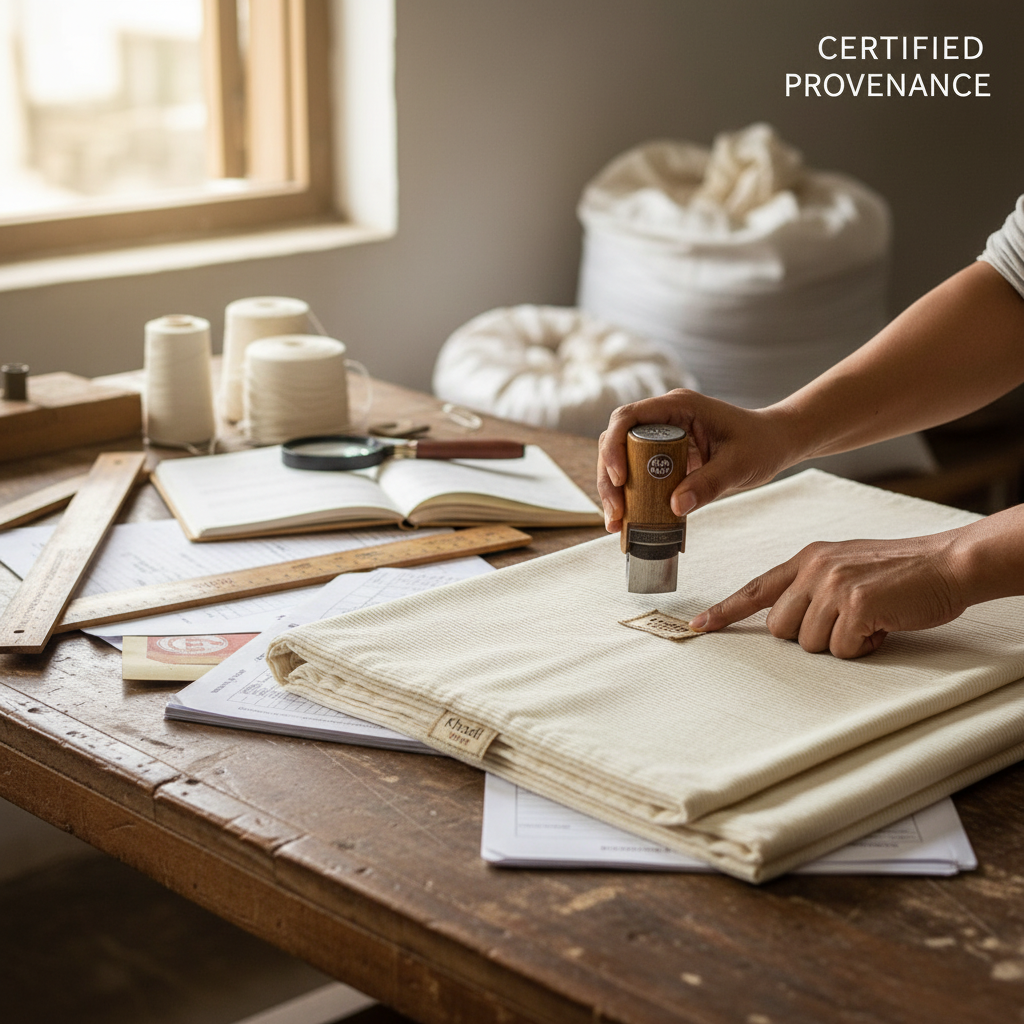
From Certification to Shipment: Khadi Export Compliance Explained
When you move beyond simple khaadi online shopping for personal use and enter the realm of B2B procurement, compliance becomes your shield. Exporting handwoven textiles requires specific documentation to ensure the product is legally recognized as "Khadi" and meets the destination country's import laws.
The KVIC Mark
In India, the Khadi and Village Industries Commission (KVIC) is the statutory body that governs the production of Khadi. For a product to be legally labeled as Khadi in an export invoice, the manufacturer must be certified by KVIC. This ensures that the fabric is genuinely hand-spun and hand-woven.
Sustainability Certifications
For international markets, having GOTS (Global Organic Textile Standard) or Fair Trade certification adds a layer of trust. While not all Khadi is GOTS certified (due to the decentralized nature of village production), many exporters, including Anuprerna, work closely with artisan clusters to ensure ethical wages and environmental stewardship.
Technical Compliance
When you buy khadi fabric online for production, you must request:
- Color Fastness Reports: Ensuring the dyes don't bleed during washing.
- Shrinkage Test Results: Handwoven fabrics have a higher shrinkage rate (usually 5-10%); knowing this upfront is vital for pattern making.
- GSM (Grams per Square Meter): Ensuring the weight of the fabric is consistent across the entire bulk order.
Logistics: Navigating the Journey from India to the World
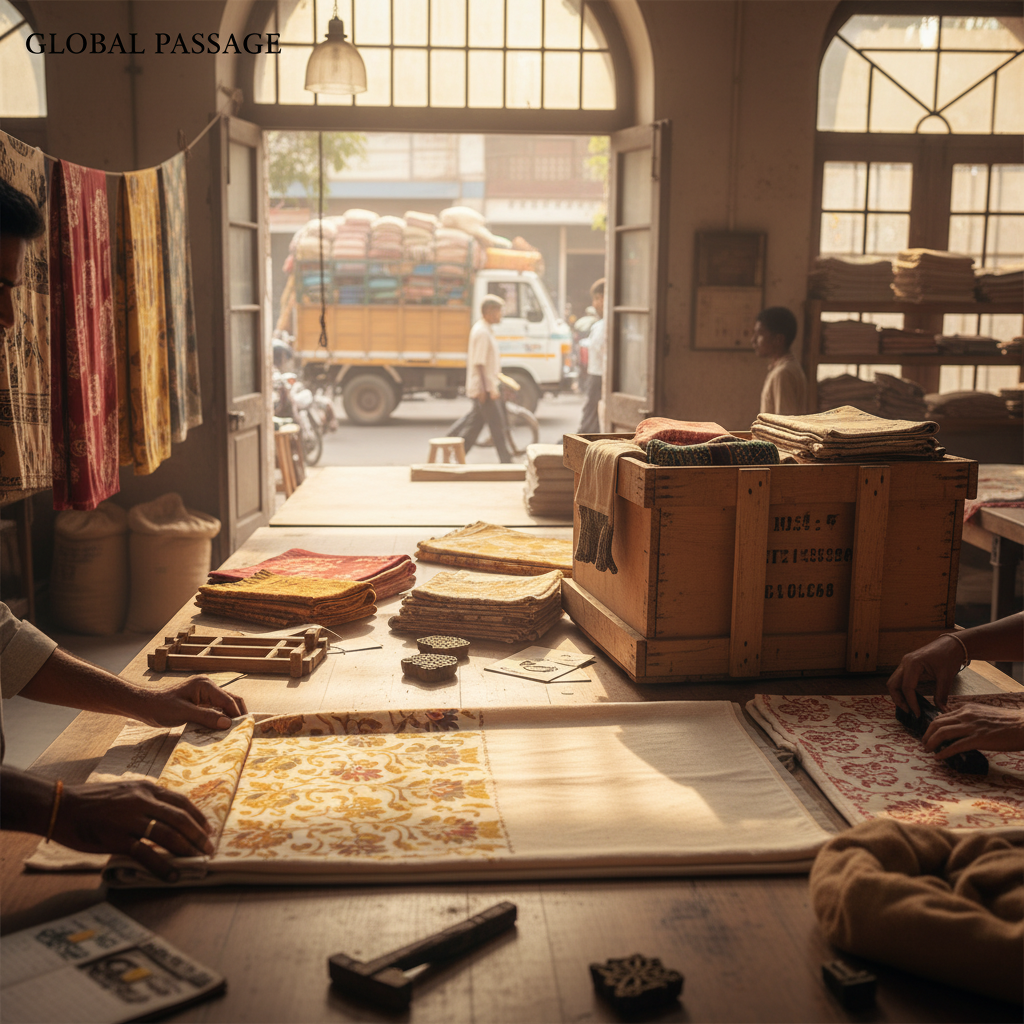
Khadi Fabric Export Logistics: From Loom to Global Delivery
1. Sampling and Prototyping
Before committing to a bulk order, always start with yardage sampling. This allows you to test the drape and durability. Digital catalogs have made it easier to buy khadi fabric online for initial sampling, reducing the time spent in the traditional "swatch-request" cycle.
2. Quality Control (QC) in Bulk
One of the biggest hurdles in textile sourcing from India is maintaining consistency across hundreds of meters. At Anuprerna, we implement a multi-stage QC process:
- Pre-weaving: Inspecting the hand-spun yarn for strength.
- On-loom: Checking for major weaving flaws.
- Post-processing: Final inspection for stains or uneven dyeing.
3. Shipping and Incoterms
Understanding Incoterms (International Commercial Terms) is vital. Most B2B fabric exports operate on:
- FOB (Free on Board): The seller delivers the goods to the port; the buyer handles the rest.
- DAP (Delivered at Place): The seller handles everything until it reaches your doorstep. This is often the preferred method for brands doing khaadi online shopping for small-to-medium bulk orders.
For a deeper dive into the technicalities of shipping, refer to our guide on navigating the logistics of fabrics wholesale.
Quality Standards: How to Buy Khadi Fabric Online for Fashion Production
For fashion designers, the technical difference between Khadi and mill-made cotton is profound. When you buy khadi fabric online, you are purchasing a living textile.
Understanding Yarn Count
Khadi can range from a coarse 20s count (perfect for jackets and upholstery) to an ultra-fine 100s or 120s count (ideal for luxury shirts and scarves). High-count Khadi is often called "Muslin" and is highly prized in the export market for its ethereal quality.
Weave Patterns
While plain weave is the most common, handwoven Khadi can be produced in Twill, Jamdani, or Herringbone patterns. Incorporating common textile designs and patterns can elevate a basic Khadi collection into a high-fashion statement.
The Value of "Slow"
Brands must communicate to their customers that the slight variations in color and weave are not flaws but markers of the khadi fabric manufacturing process. This storytelling is what allows brands to command a premium price point for Khadi garments.
Why Anuprerna is Your Partner in Khadi Export
At Anuprerna, we bridge the gap between traditional Indian craftsmanship and modern global business requirements. We understand that for a B2B buyer, the ability to smartly source wholesale fabrics is the difference between a successful collection and a logistical nightmare.
We offer:
- Curated B2B Catalog: A streamlined way to buy khadi fabric online with detailed technical specifications.
- Artisan Support: By sourcing through us, you directly support weaving communities in East India.
- Export Expertise: We handle the complexities of documentation and international shipping, ensuring your fabric arrives on time and in perfect condition.
Conclusion
Exporting handwoven Khadi is a journey that rewards patience and attention to detail. By understanding the khadi fabric manufacturing process, adhering to international compliance, and mastering the logistics of textile sourcing from India, your brand can offer a product that is truly sustainable, ethical and unique.
Whether you are a startup looking to buy khadi fabric online for your first capsule collection or an established brand seeking to scale your khadi fabric export volume, the key lies in choosing a partner who values craftsmanship as much as you do. Khadi isn't just a fabric; it's a story of human resilience and it's a story the world is waiting to wear.
most asked questions
How can I verify if I am buying authentic Khadi online?
Authentic Khadi must be both hand-spun and hand-woven. When you buy khadi fabric online, look for the KVIC certification or look for "slubs" and slight irregularities in the weave. You can also perform a "burn test" (cotton Khadi will smell like burning paper and leave fine ash) or a technical analysis of the yarn twist.
What are the typical lead times for khadi fabric export?
Because Khadi is handmade, lead times are longer than mill-made fabrics. Depending on the complexity of the weave and the quantity, lead times can range from 4 to 12 weeks. Weather conditions, such as the monsoon season in India, can also affect drying times for dyed yarns, so it is best to plan your textile sourcing from India well in advance of your production season.
Is Khadi fabric more expensive than organic cotton?
Generally, yes. While organic cotton is sustainable, it is usually mill-made. Khadi involves manual labor at every stage—from spinning to weaving. This makes the khadi fabric manufacturing process more time-intensive. However, the value it adds in terms of breathability, texture, and the "artisan-made" story often outweighs the cost difference for premium brands.
Can I customize colors and patterns when sourcing Khadi in bulk?
Yes! One of the advantages of working with a dedicated manufacturer like Anuprerna is customization. While khaadi online shopping for retail offers fixed designs, B2B sourcing allows you to specify Pantone shades and custom weave structures. Keep in mind that custom dyeing may require a Minimum Order Quantity (MOQ) to ensure color consistency across the batch.
What documentation is required for importing Khadi to the US or EU?
To import Khadi, you typically need a Commercial Invoice, a Packing List, a Bill of Lading (or Airway Bill), and a Certificate of Origin. Depending on the trade agreements between India and your country, a GSP (Generalized System of Preferences) certificate may also be required to avail of lower import duties. Always consult with a local customs broker to ensure all compliance boxes are checked.
More Blogs
can one fabric feel luxurious and sustainable? meet the silk-bamboo blend
handwoven jamdani vs machine-made: what wholesale buyers should know
raw silk fabrics: uses, texture, and styling ideas
french terry vs. fleece: choosing the right loopback fabric for your collection
how emerging eco-conscious designers source ethical fabrics
designing with tussar silk: drape, texture, and application in modern wear