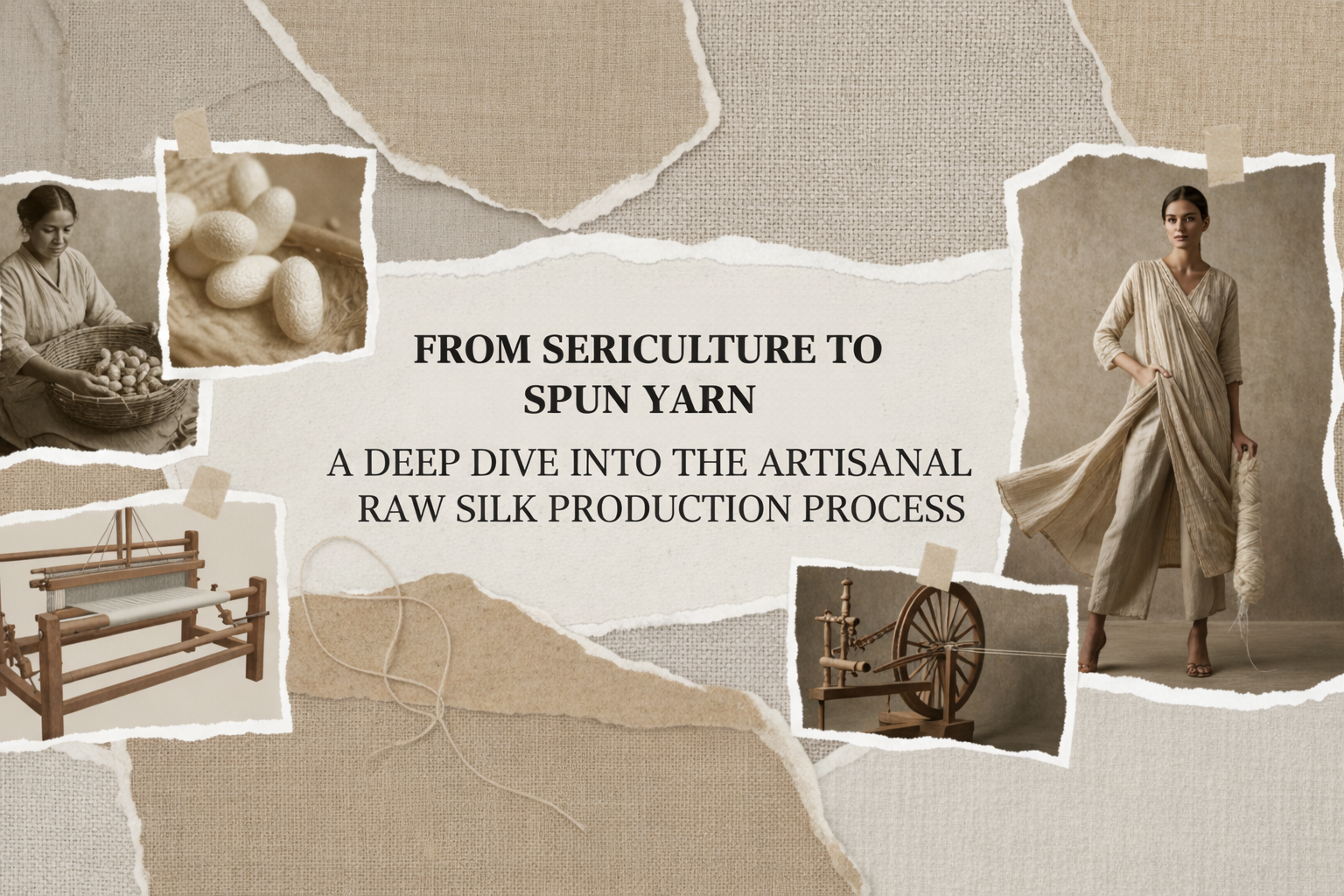
From Sericulture to Spun Yarn: A Deep Dive into the Artisanal Raw Silk Production Process

In an era dominated by synthetic fast fashion and mass-produced textiles, the allure of raw silk stands as a testament to the enduring power of nature and human craftsmanship. For designers, boutique owners, and sustainable fashion brands, raw silk represents more than just a textile; it is a narrative of heritage, woven from the very life cycle of the silkworm and the skilled hands of rural artisans.
However, the journey from a delicate cocoon to a high-quality handwoven fabric is complex and labor-intensive. Understanding raw silk production is essential for B2B buyers who prioritize transparency, ethical sourcing and the unique tactile qualities that only traditional raw silk manufacturing can provide. This process, deeply rooted in the cultural landscape of East India, involves a harmonious blend of sericulture, traditional reeling and hand-spinning techniques.
In this comprehensive guide, we will explore the intricate steps of how raw silk is made, delve into the specific origins of Tussar and Matka silk fabric and highlight why these artisanal methods are the gold standard for sustainable luxury. Whether you are looking for the rugged elegance of a Handspun Matka Silk or the refined blend of Plain Natural Tussar Matka Silk Blend Handwoven Fabric, understanding the origin story of these fibers is the first step in appreciating their true value.
Understanding the Foundation: What is Raw Silk Production?
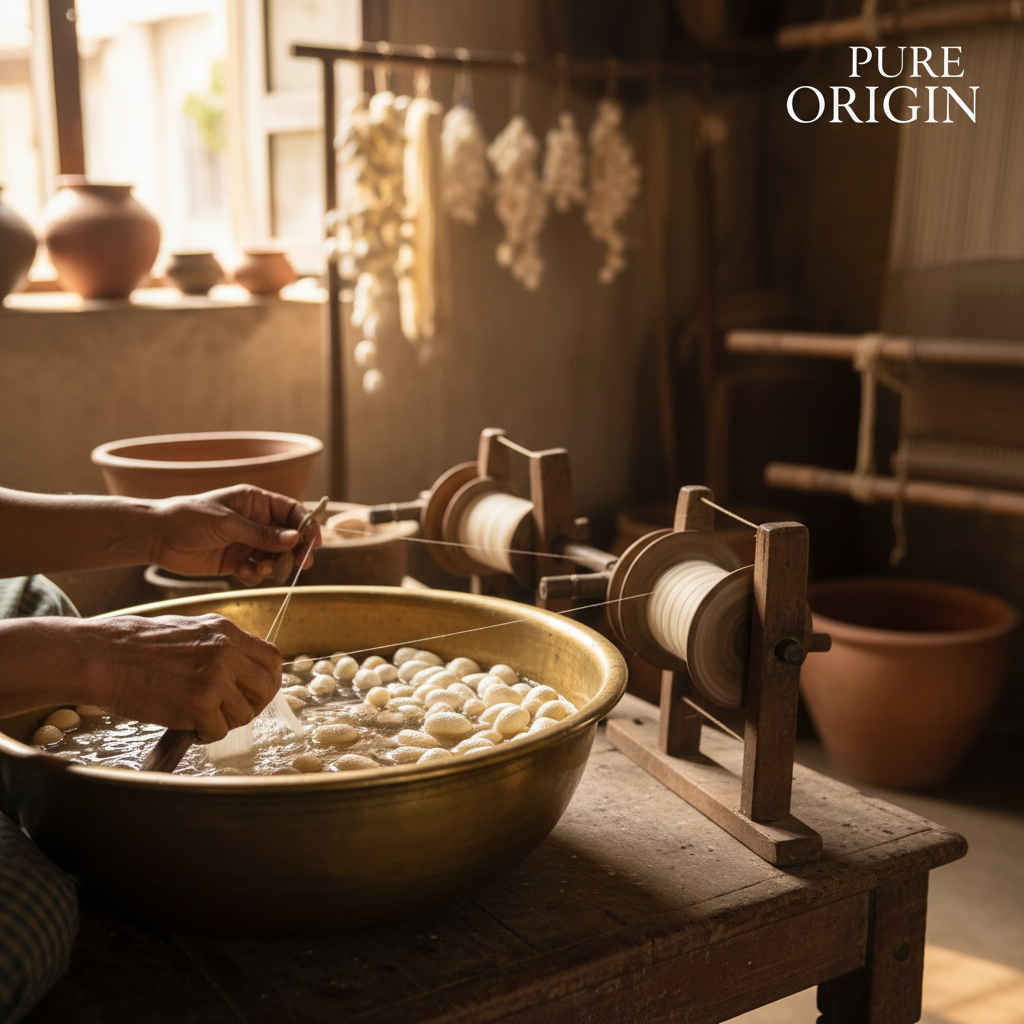
To understand raw silk production, one must first understand the substance itself. Raw silk is the silk fiber as it is taken from the cocoon, still coated with a natural protective layer of sericin. This "silk gum" acts as a binding agent that holds the cocoon together. In commercial silk production, this gum is often completely stripped away through aggressive chemical degumming, resulting in the slippery, shiny fabric most consumers associate with the word "silk."
In contrast, artisanal raw silk manufacturing often leaves a portion of the sericin intact or utilizes manual spinning methods that preserve the fiber's natural integrity. This results in a fabric that is:
- Textured: Featuring characteristic "slubs" or small lumps that add character.
- Matte: Possessing a soft, subtle glow rather than a high-gloss shine.
- Durable: The presence of some sericin adds strength and body to the fabric.
- Breathable: Its organic structure allows for better air circulation than many synthetic or heavily processed fabrics.
For the B2B sector, these qualities are highly desirable. They signify “slow fashion,” a product that cannot be perfectly replicated by a machine. At Anuprerna, we focus on preserving these qualities by supporting artisan communities in East India who have perfected these techniques over generations.
The Sericulture Stage: Where Raw Silk Originates
The journey of raw silk begins with sericulture, the rearing of silkworms. While there are several species of silkworms, the production process generally falls into two categories: Mulberry silk (cultivated) and Wild silk (such as Tussar and Muga).
The Life Cycle of the Silkworm
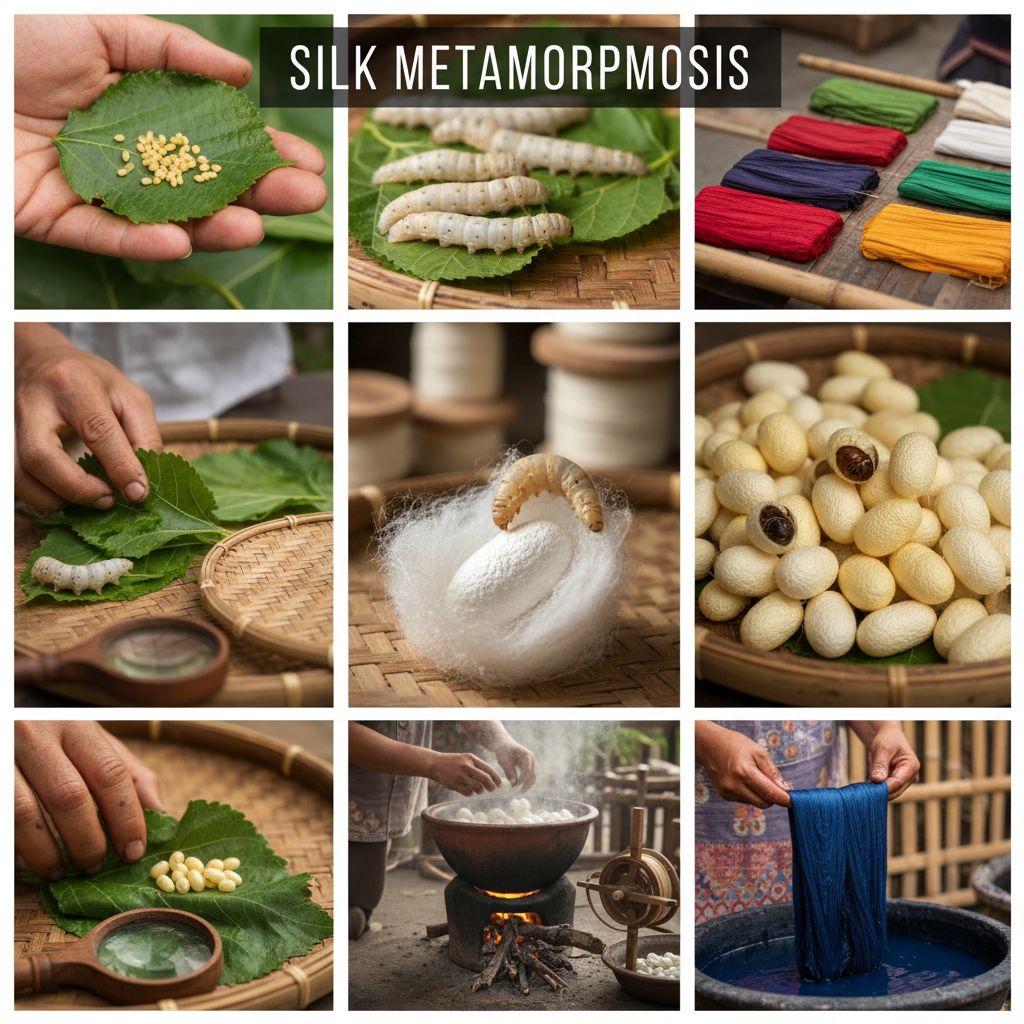
The process begins with the silkmoth laying thousands of eggs. Once hatched, the larvae (caterpillars) are fed a steady diet of leaves. For Mulberry silk, this is exclusively mulberry leaves. For wild varieties, the diet consists of local forest trees like Asan and Arjun.
Over several weeks, the silkworm grows significantly, eventually reaching a stage where it begins to spin its cocoon. It secretes a liquid protein from its salivary glands, which hardens upon contact with the air to form a continuous filament. A single cocoon can contain a filament ranging from 300 to 900 meters long.
Tussar Silk Origin: The Wild Beauty
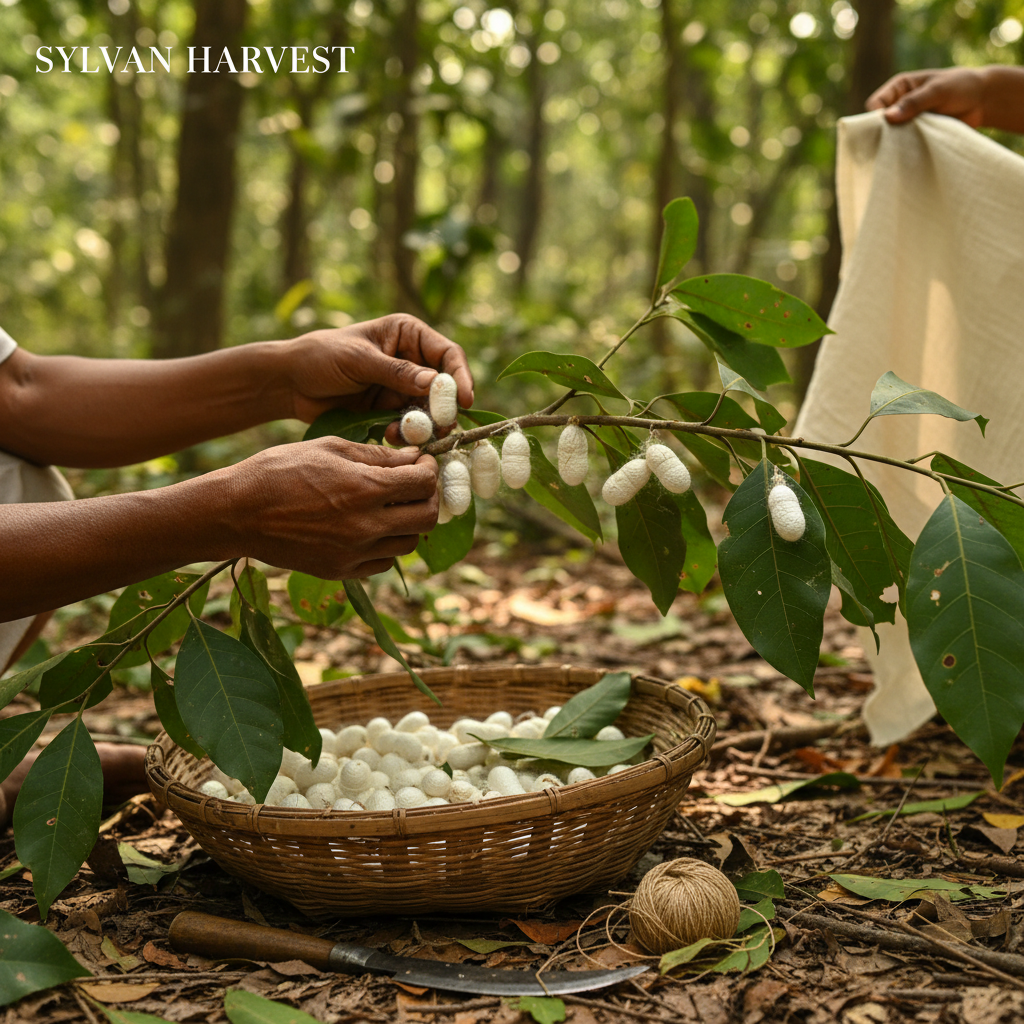
When discussing tussar silk origin, we move away from controlled indoor environments to the wild forests of East and Central India. Tussar silkworms (Antheraea paphia) are not "tame." They live on wild trees and their cocoons are gathered by forest-dwelling tribal communities. This "wild" nature gives Tussar its distinctive deep gold hue and rich, coarse texture. Because the silkworms eat a variety of wild leaves, the silk absorbs different minerals, contributing to its unique natural color palette.
How Raw Silk is Made
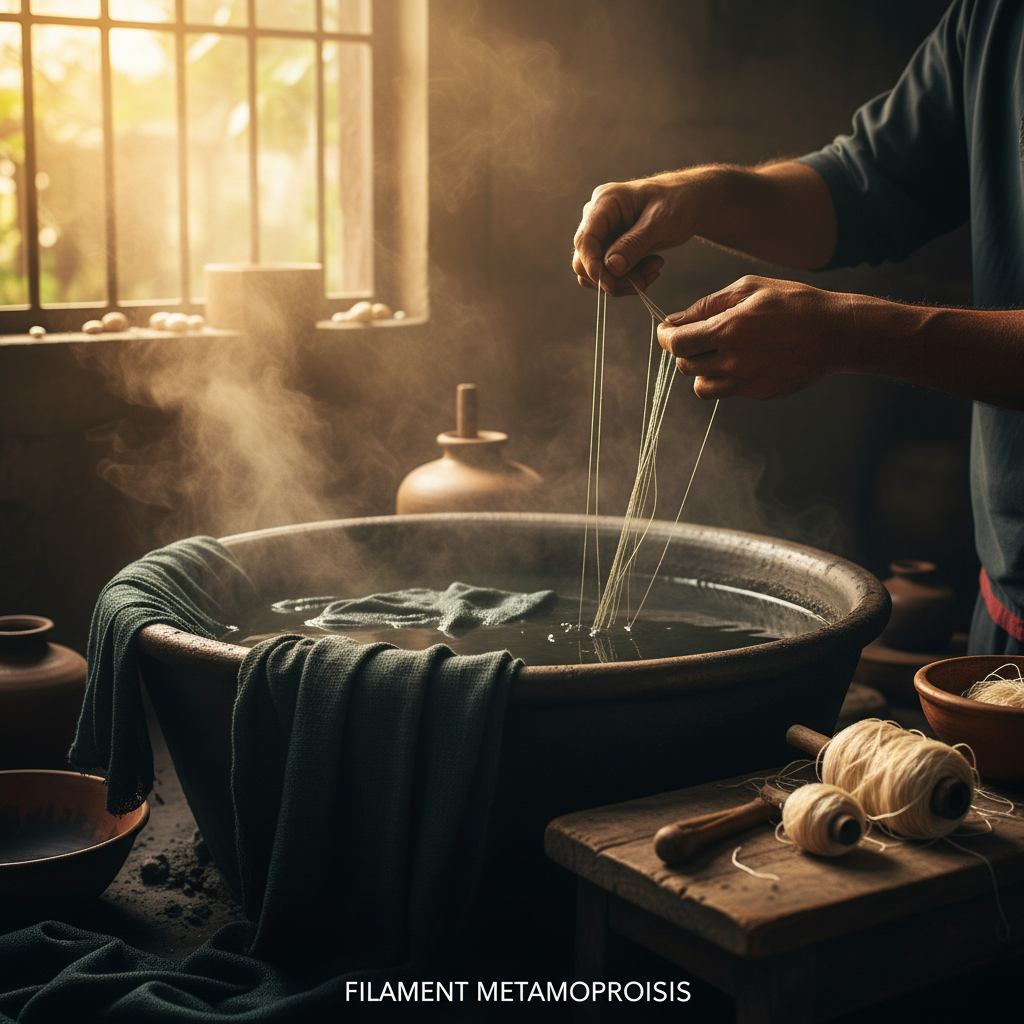
The Artisanal Journey:
Once the cocoons are harvested, the transition from biological wonder to textile fiber begins. This is where the artistry of how raw silk is made truly shines.
1. Sorting and Stifling
Cocoons are sorted by size, color and quality. In traditional sericulture, the cocoons are often heated (stifled) to prevent the moth from emerging, which would break the continuous filament. However, in "Ahimsa" or Peace Silk, the moth is allowed to emerge naturally, and the broken filaments are then spun like cotton—a process common in producing matka silk fabric.
2. Softening the Sericin
To extract the silk, the cocoons are soaked in warm water. This softens the sericin gum, allowing the end of the silk filament to be located. In artisanal setups, this is done with great care to ensure the delicate fibers aren't damaged.
3. Reeling vs. Spinning
This is a critical fork in the raw silk manufacturing process:
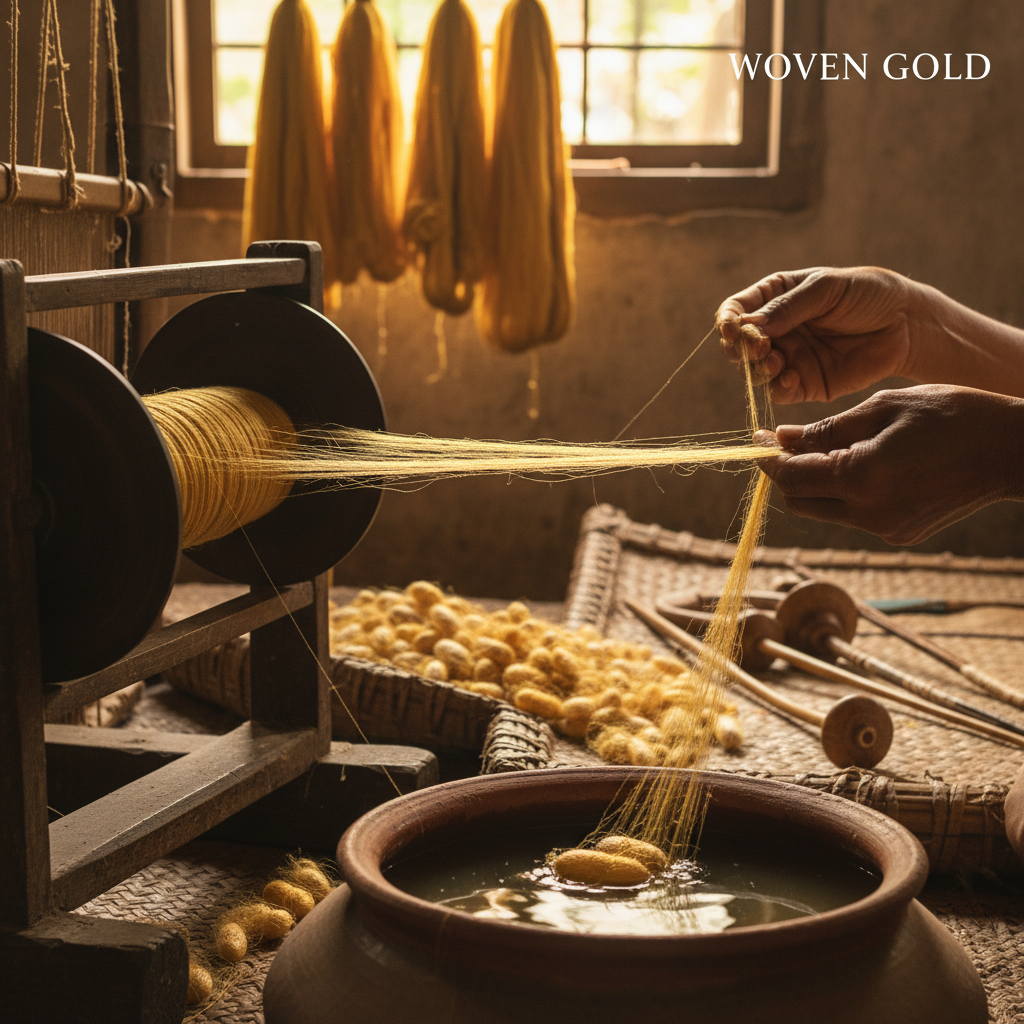
- Reeling: Multiple filaments from several cocoons are twisted together and wound onto a reel to create a single thread. This produces a smoother, more continuous yarn.
- Hand-Spinning (The Matka Method): This is how matka silk fabric is born. Matka silk is made from the waste of mulberry silk or from pierced cocoons where the moth has already escaped. The short fibers are hand-spun using a charkha (spinning wheel) or a takli (spindle). This manual process introduces the heavy slubs and "linen-like" texture that makes Matka silk so popular for contemporary sustainable apparel.
You can see the result of this exquisite hand-spinning in our Handspun Matka Silk Coloured Yarn, which showcases the depth and organic feel of artisanal yarn.
Varieties of Raw Silk in the Indian Textile Heritage
India’s textile landscape is diverse, and "raw silk" is a broad term that encompasses several distinct varieties, each with its own production nuances.
Matka Silk: The Artisan's Pride
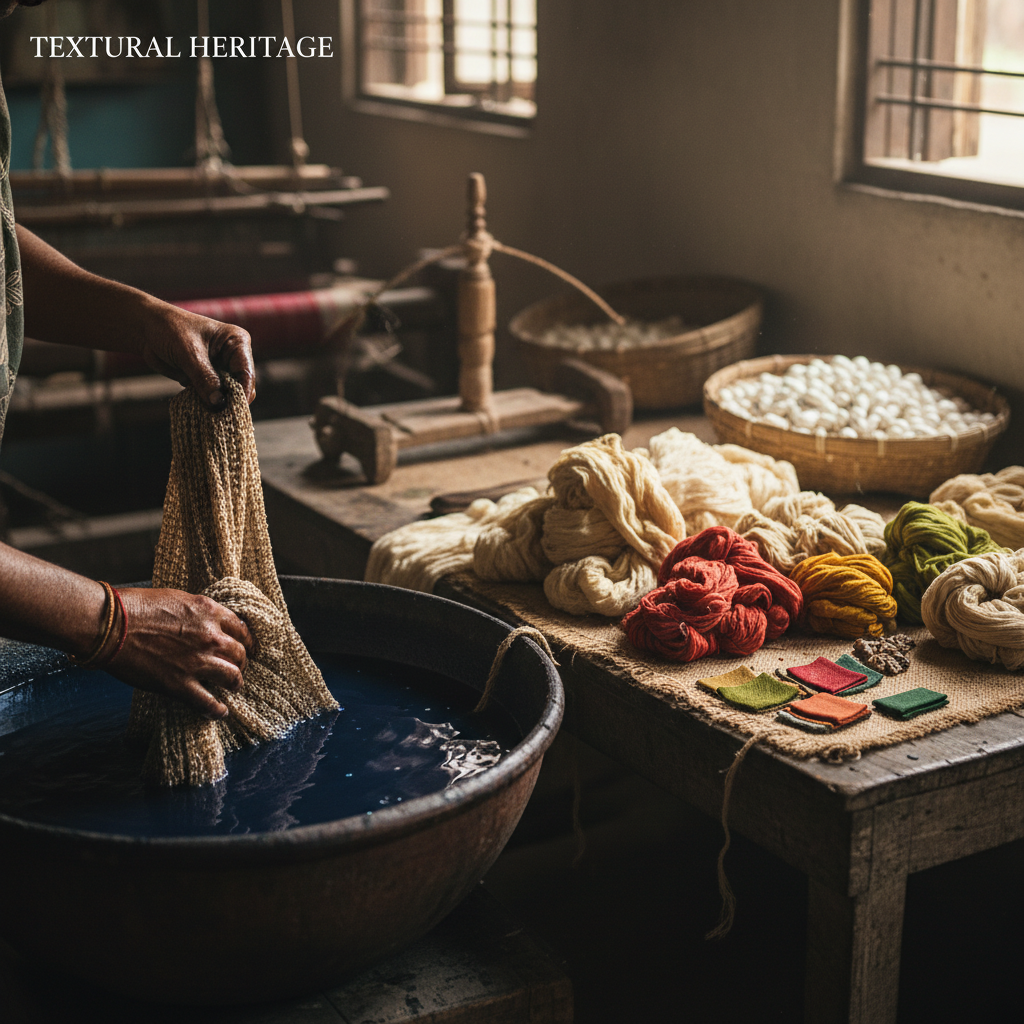
Matka silk fabric is perhaps the most iconic version of raw silk used in modern sustainable fashion. Originating primarily from West Bengal, the term "Matka" literally means "clay pot," referring to how the cocoons were traditionally softened. It is a thick, hand-spun silk that breathes like cotton but retains the warmth and luster of silk. Because it is spun from "waste" or broken cocoons, it is inherently more sustainable, utilizing every part of the sericulture cycle.
Tussar Silk: The Forest's Gift
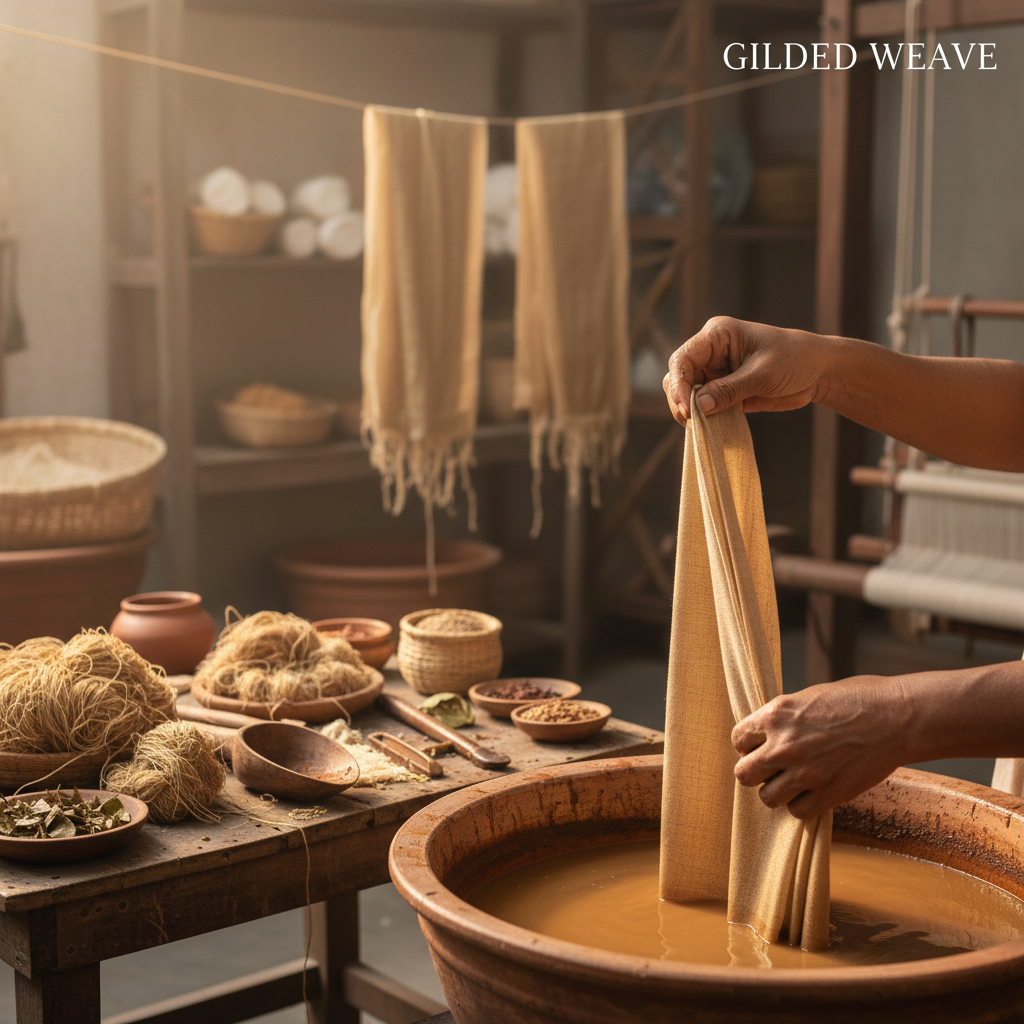
As mentioned in the tussar silk origin section, this silk is prized for its golden sheen. When left in its "raw" state (not heavily degummed or bleached), Tussar is incredibly resilient and has a crisp hand-feel. It is often blended with other fibers to create versatile textiles. For instance, our Plain Natural Matka Tussar Silk Blend Handwoven Fabric offers the best of both worlds—the sheen of Tussar and the texture of Matka.
Muga Silk: The Rare Gold
Muga silk, found exclusively in Assam, is naturally golden in tone and prized for its remarkable durability and strength. Unlike other silks, its luster does not fade over time but deepens with every wash, developing a richer, more radiant glow. Traditionally woven into ceremonial garments and royal attire, Muga silk carries deep cultural significance in India’s textile heritage. Because of its limited geographic origin and labor-intensive production process, it remains one of the rarest and most valuable forms of raw silk, often reserved for heirloom pieces meant to be preserved and passed down through generations.
The B2B Advantage: Why Choose Artisanal Raw Silk Manufacturing?
- Sustainability and Low Carbon Footprint
Hand-reeling and hand-spinning require almost zero electricity. By choosing fabrics like the Plain Natural Matka Tussar Silk Blend Handwoven Fabric, brands can significantly reduce their Scope 3 emissions.
- Market Differentiation
In a market saturated with uniform, machine-made fabrics, the "imperfections" of raw silk are its greatest selling point. Each yard of handwoven fabric tells a story of the artisan who made it, providing a compelling narrative for conscious consumers.
- Supporting Artisan Communities
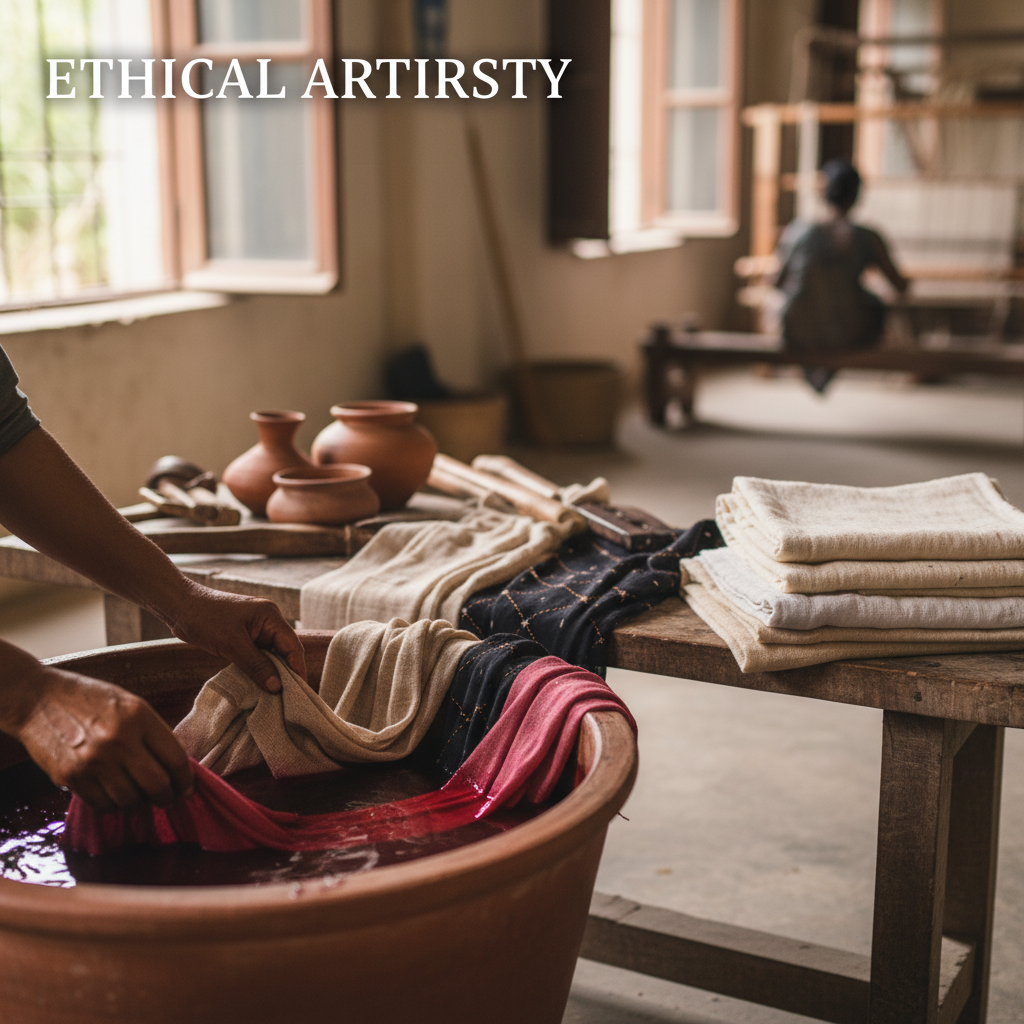
Artisanal raw silk production is a vital source of income for rural communities in East India. At Anuprerna, we ensure that our manufacturing process supports fair wages and preserves ancient skills that might otherwise be lost to industrialization. This ethical backbone adds immense value to a brand's corporate social responsibility (CSR) profile.
- Versatility in Blends
Raw silk fibers are excellent for blending. By combining silk with cotton or khadi, we create fabrics that are accessible yet luxurious. A perfect example is our Plain Bluish Grey Matka Silk Khadi Blend Handwoven Fabric, which offers a unique aesthetic for modern silhouettes.
Conclusion
The journey from sericulture to spun yarn is a testament to the patience and skill of Indian artisans. Raw silk is not just a material; it is a biological miracle transformed through human touch into a textile of unparalleled character. From the wild tussar silk origin in the deep forests to the rhythmic spinning of matka silk fabric in village homes, every step of the process honors the environment and the craftsman.
For businesses looking to integrate authenticity and sustainability into their collections, understanding how raw silk is made is the key to making informed, ethical sourcing decisions. By choosing handwoven, artisanal raw silk, you aren't just buying fabric but are investing in the survival of a heritage craft and the health of our planet.
Are you ready to elevate your next collection with the timeless beauty of handwoven silk? Explore Anuprerna’s full range of sustainable raw silk fabrics here.
most asked questions
What exactly is the difference between raw silk and regular silk?
Regular silk (often called boiled or degummed silk) has had the natural sericin gum removed through chemical or heat processing, making it smooth and shiny. Raw silk retains some or all of this gum, giving it a more textured, matte appearance and a stiffer handle. It is often preferred in sustainable fashion for its organic look and lower processing requirements.
Is raw silk production considered "cruelty-free"?
Traditional raw silk involves stifling the cocoon. However, many artisanal varieties like Matka silk and certain Tussar silks can be produced as "Ahimsa" or Peace Silk. In this method, the moth is allowed to emerge from the cocoon naturally before the silk is harvested. This results in shorter fibers that must be spun rather than reeled, which is exactly how the beautiful texture of Matka silk is achieved.
Why does matka silk fabric have bumps and irregularities?
Those "bumps" are called slubs. They occur during the hand-spinning process. Unlike machine-spinning, which creates a perfectly uniform thread, hand-spinning on a charkha results in slight variations in thickness. In the world of luxury textiles, these slubs are a hallmark of authenticity and hand-craftsmanship.
How should I care for raw silk garments?
Because raw silk contains natural proteins and sometimes residual gum, it is best to dry clean it to maintain its texture and shape. However, many people prefer to hand wash it in cold water with a mild, pH-neutral detergent, which softens the fabric over time, giving it a beautiful, lived-in feel. Always avoid wringing the fabric and dry it in the shade to prevent color fading.
Can raw silk be used for modern, western-style clothing?
Absolutely. While raw silk has deep roots in traditional Indian attire, its structural integrity and unique texture make it a favorite for modern designers. It is excellent for structured blazers, summer trousers, minimalist shift dresses, and even high-end home upholstery. Its breathability makes it particularly suitable for trans-seasonal collections.
More Blogs
can one fabric feel luxurious and sustainable? meet the silk-bamboo blend
handwoven jamdani vs machine-made: what wholesale buyers should know
raw silk fabrics: uses, texture, and styling ideas
french terry vs. fleece: choosing the right loopback fabric for your collection
how emerging eco-conscious designers source ethical fabrics
designing with tussar silk: drape, texture, and application in modern wear