Is Silk Good For Hot Weather? A Summer Fabric Analysis

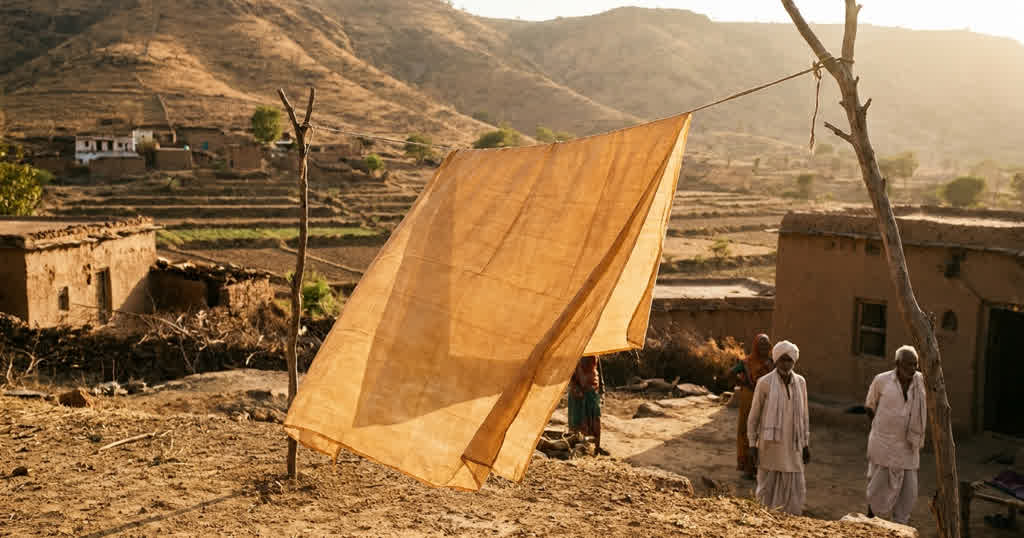
Designing a summer resortwear collection often forces a compromise between luxurious drape and actual thermal comfort. When temperatures rise, conventional synthetics trap heat, but silk offers a natural alternative rooted in centuries of hot-weather adaptation. Historically, royalty across the Indian subcontinent relied on specific regional weaves, like lightweight Murshidabad textiles and Chanderi blends, to combat intense heat and humidity without sacrificing aesthetic appeal. The modern shift toward trans-seasonal, sustainable collections requires materials that perform under thermal stress while meeting strict environmental standards.
Understanding the exact material science behind moisture regain properties and weave structures allows designers to select textiles that actively cool the wearer. This technical analysis breaks down why specific artisanal weaves outperform standard powerloom fabrics in tropical climates.
The Thermodynamics of Silk: Why Fibroin Excels in Heat
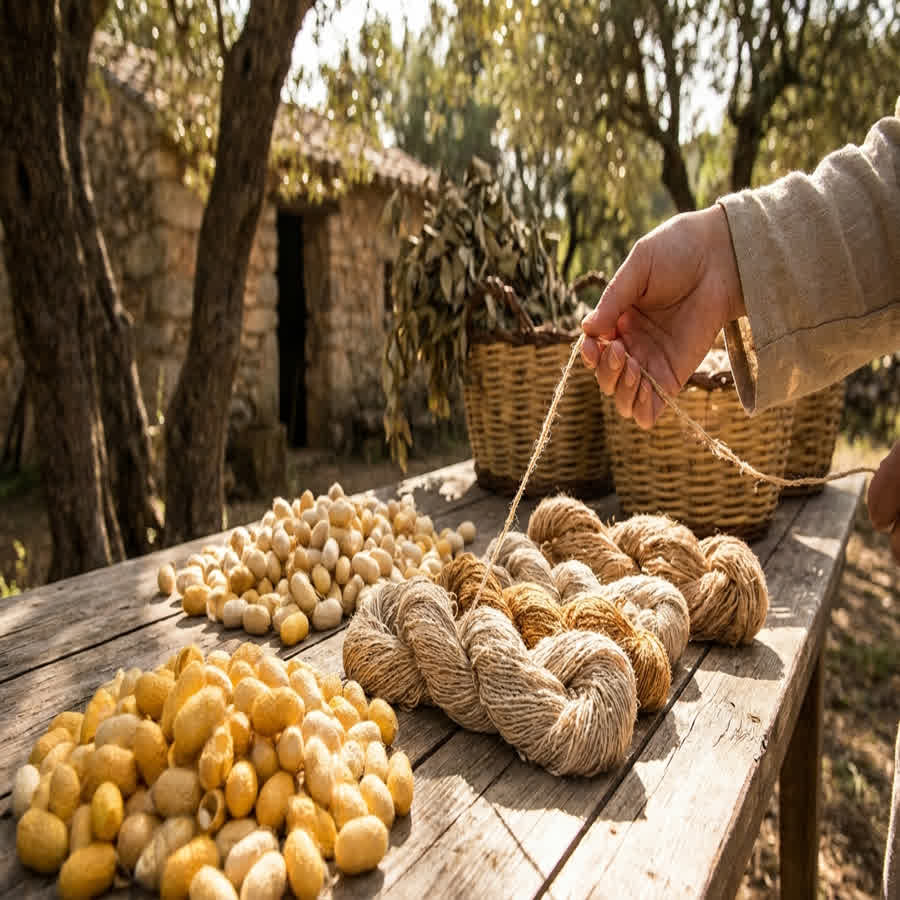
Silk excels in hot weather because its core protein structure actively pulls moisture away from the skin and releases it into the air. This natural thermal regulation prevents the fabric from clinging, keeping the wearer cool and dry in high humidity.
The Role of Fibroin in Moisture Management
The secret to this cooling effect lies in fibroin, the primary structural protein of the fiber. Fibroin possesses a highly crystalline structure that gives the material its strength while maintaining microscopic spaces for water molecules. This unique biological architecture allows the fabric to absorb up to 30% of its own weight in moisture without feeling damp to the touch.
When a wearer perspires, the hydrophilic amino acids within the protein chain draw sweat away from the body. The moisture then travels outward and evaporates rapidly into the surrounding air. This continuous cycle of absorption and evaporation creates a microclimate of cool, dry air against the skin. For designers creating high-end resortwear, understanding this mechanism is crucial for selecting materials that offer genuine thermal comfort rather than just visual appeal.
Comparing Natural Regain to Synthetics
Designers often struggle with synthetic blends that trap heat and cause discomfort in tropical climates. Unlike polyester or nylon, which have minimal absorption capacities, natural protein fibers offer superior moisture regain properties. This technical metric defines how much water a completely dry fiber will absorb from the air at standard humidity.
High moisture regain directly translates to better hot weather performance for resortwear and summer collections. To maximize this benefit, textile engineers look for specific structural traits:
- High absorption capacity to manage active perspiration during peak heat without feeling heavy.
- Rapid evaporation rates that prevent the garment from becoming saturated and clinging to the wearer.
- Thermal conductivity that allows excess body heat to escape efficiently through the textile barrier.
- Natural odor resistance, as the rapid drying process inhibits the growth of moisture-loving bacteria.
By utilizing fibers with these inherent properties, brands can create garments that feel crisp and weightless even in the most oppressive summer conditions. The science of fibroin proves that natural materials remain superior for high-temperature environments.
Not All Silks are Summer-Ready: The Importance of GSM and Weave
Not all silks are suitable for summer, as heavy, tightly packed satins will trap heat and cause immediate discomfort. For hot weather, designers must specify low-GSM fabrics with open weave structures to ensure maximum breathability.
Targeting the Right GSM for Tropical Climates
The most critical specification for a summer collection is the Grams per Square Meter (GSM). A high GSM indicates a denser, heavier fabric that restricts airflow and retains body heat. For optimal summer performance, sourcing teams should target a low GSM range between 30 and 60.
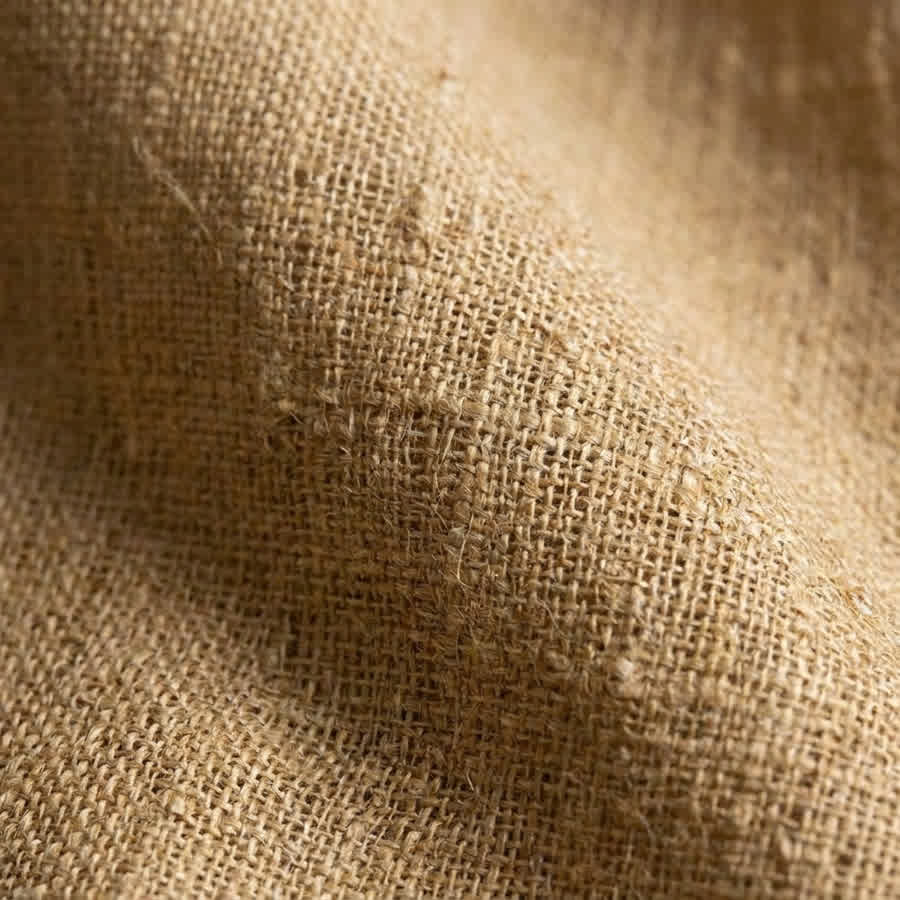
Fabrics falling into this specific weight category provide the necessary lightweight drape without compromising structural integrity. When specifying materials for warm climates, consider these ideal low-GSM options:
- Lightweight Mulberry offers a smooth finish with exceptional thinness, well suited for fluid summer dresses and breathable linings.
- Silk organza provides a crisp, sheer structure that holds volume while remaining highly breathable in humid conditions.
- Chanderi blends, which combine protein fibers with cotton, deliver a balanced weight ideal for tropical environments.
- Fine Matka utilizes spun yarns to create a slightly textured, low-weight fabric that resists clinging.
Weave Density and Heat Retention
Beyond weight, the actual construction of the fabric dictates its thermal behavior. Conventional machine-milled textiles, such as heavy charmeuse or satin, feature tightly packed yarns that create a smooth, lustrous surface. However, this dense construction eliminates the microscopic air pockets needed for ventilation.
In contrast, textured Tussar and other wild varieties are often woven with slightly thicker, irregular yarns. These natural variations prevent the yarns from packing too tightly together during the weaving process. The resulting fabric maintains a dry, crisp hand-feel that stands away from the body, allowing air to circulate freely beneath the garment.
Selecting the correct weave is just as important as the fiber itself. A plain weave with lower thread counts will always outperform a high-thread-count twill or satin when the goal is maximum heat dissipation. Designers must prioritize these open structures to ensure their summer collections function as intended.
The Handloom Advantage: Micro-Gaps and Air Permeability
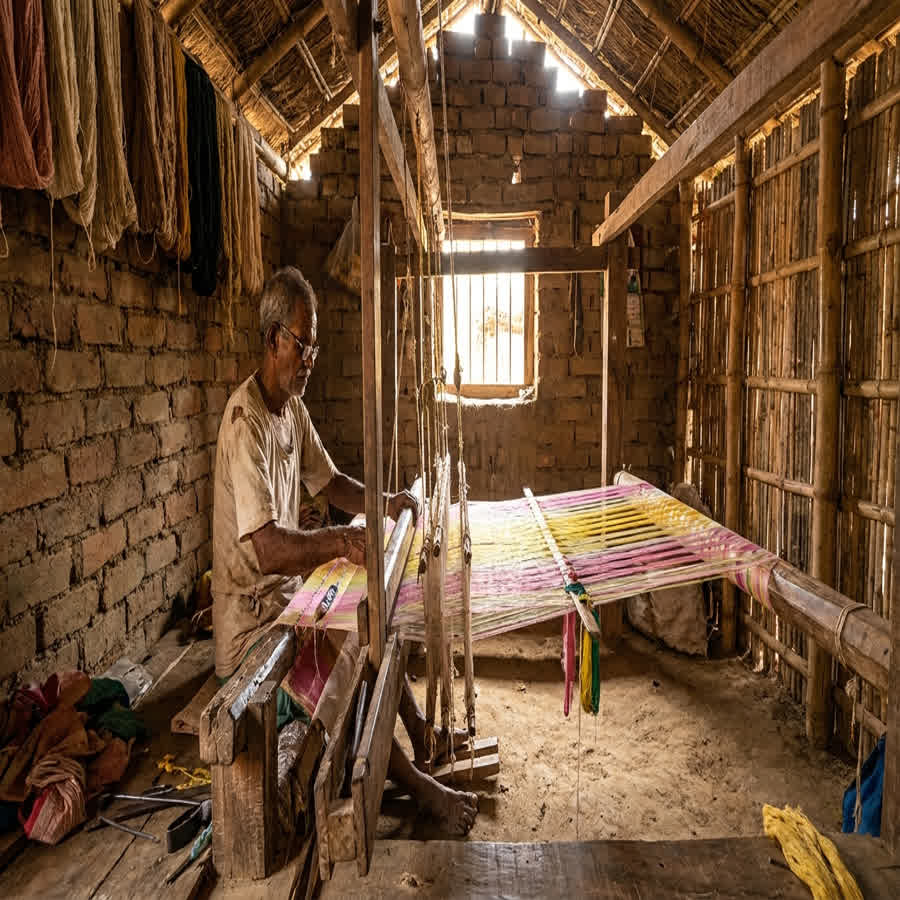
Handloom silk is superior for hot weather because the manual weaving process naturally creates microscopic gaps between the yarns. These micro-gaps significantly increase air permeability, allowing body heat to escape much faster than it would through uniform powerloom fabrics.
The Mechanics of Air Permeability
In textile science, air permeability measures the rate at which air passes through a fabric under a specific pressure differential. High permeability is essential for summer clothing because it facilitates convective cooling. When wind or movement pushes air through the fabric, it carries away the heat trapped near the skin.
Uniform powerloom textiles are engineered for maximum consistency and speed, resulting in tightly compressed yarns. This mechanical tension reduces the fabric porosity, effectively sealing off the pathways for air circulation. While these fabrics may look well-made on a hanger, they often act as a thermal barrier in tropical climates, causing the wearer to overheat rapidly.
Artisanal Techniques and Structural Porosity
The decentralized artisan supply chain in India relies on traditional wooden looms operated entirely by human rhythm. This manual process applies less tension to the warp and weft, preserving the natural loft of the artisanal hand-spun yarns. The slight irregularities inherent in human weaving create a matrix of tiny, breathable openings across the yardage.
These structural differences provide distinct advantages for hot-weather garments:
- Enhanced micro-gaps allow continuous airflow, preventing the buildup of stagnant, humid air against the skin.
- Reduced skin contact occurs because the textured surface prevents the fabric from clinging when damp.
- Superior thermal regulation is achieved as the open structure works in tandem with the fiber's natural moisture absorption.
- Increased fabric resilience, as the lower tension weaving process puts less stress on the individual protein fibers.
By choosing handloom structures, designers actively improve the functional performance of their garments. The resulting textiles offer a soft, breathable drape that machine-milled alternatives simply cannot replicate, marrying ethical production with high-performance summer wear.
Strategic Sourcing: Partnering with Ethical Silk Fabric Suppliers
Brands should source summer silks by partnering with ethical silk fabric suppliers who operate transparent, decentralized supply chains. This approach guarantees access to specialized, low-MOQ handloom weaves while directly supporting the rural artisans who preserve these climate-adapted textile traditions.
Meeting ESG Goals Through Decentralized Production
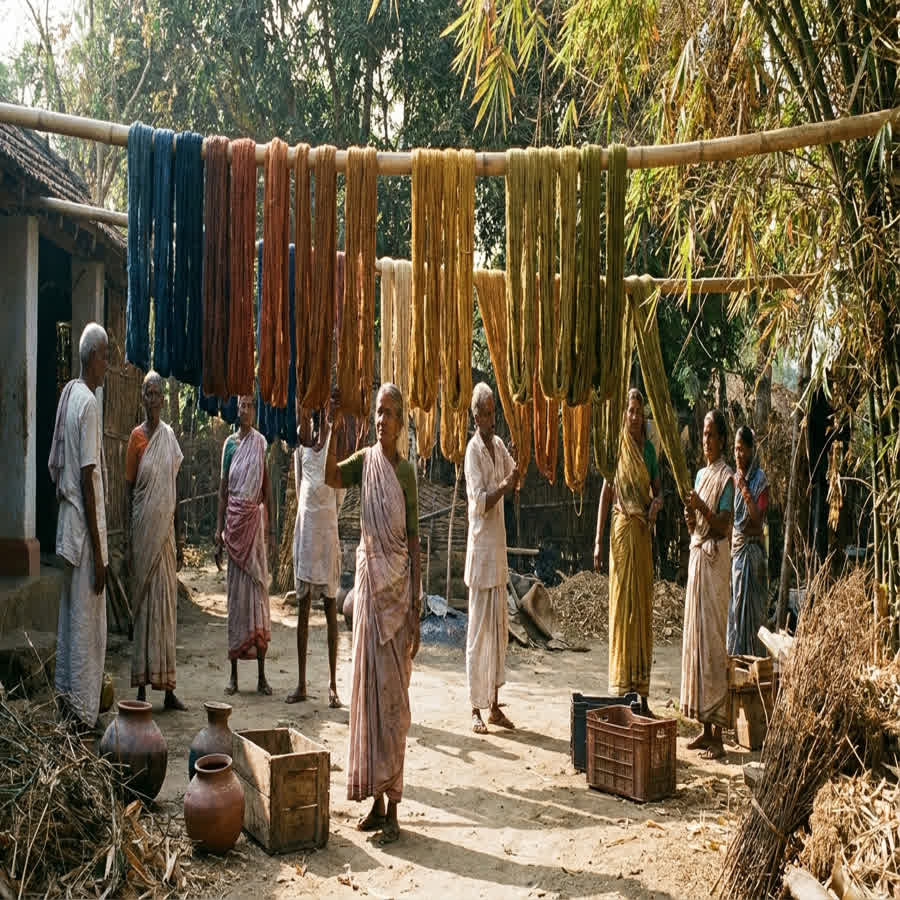
B2B buyers and boutique sourcing managers face increasing pressure to verify the social and environmental impact of their materials. Conventional silk production often relies on opaque factory systems with heavy chemical usage and poor labor visibility. Transitioning to a decentralized artisan supply chain allows brands to trace their materials directly back to the source.
At Anuprerna, we work directly with rural Indian weaving clusters in regions like Murshidabad and Malda. This direct relationship eliminates middlemen and ensures that fair wages reach the artisans. For fashion brands, this transparency translates directly into verifiable data for their corporate ESG goals, providing a compelling narrative for conscious consumers.
Sourcing for Boutique and Resortwear Collections
Independent designers require flexibility when developing trans-seasonal collections. Large industrial mills typically demand massive minimum order quantities, which stifles creativity and leads to deadstock. Ethical suppliers focused on handloom production can offer the low-MOQ flexibility necessary for boutique runs and limited summer capsules.
When evaluating potential partners for summer collections, sourcing leads should prioritize suppliers who provide:
- Traceable origin stories that connect the final garment to specific weaving communities and farming regions.
- Customizable weave structures to achieve the exact GSM and breathability required for hot climates.
- Low-impact dyeing processes, such as azo-free or natural dyes, which maintain the fiber's natural integrity.
- Direct artisan engagement, ensuring that the financial benefits of production remain within the rural economy.
By prioritizing these criteria, brands secure high-performance, luxuriously breathable textiles while championing sustainable rural development. Partnering with the right ethical silk fabric suppliers transforms a simple sourcing decision into a powerful statement of brand values.
Explore Our Collection
Anuprerna works directly with handloom artisan clusters to weave silk for designers and brands building considered collections. To source it for your next line, explore the range below.
frequently asked questions
Does silk show sweat stains easily in hot and humid weather?
While smooth, high-luster silks like charmeuse can highlight moisture, **textured handloom silks** like Matka or Tussar diffuse moisture rapidly across their surface, significantly minimizing **visible sweat stains** while maintaining breathability. Because these wild varieties possess a more porous structure, they absorb and evaporate perspiration before it pools into distinct marks.
What is the ideal GSM for summer silk fabrics in a resortwear collection?
For **optimal breathability** and drape in hot climates, target a GSM between 30 and 60. Fabrics such as silk organza, habotai, and fine handloom mulberry fall perfectly into this **lightweight category**. This specific weight range ensures the material remains sheer enough to allow airflow while providing enough structural integrity for garment construction.
How can B2B buyers verify the sustainability of silk fabric suppliers?
Buyers should look for suppliers offering **Ahimsa (peace) silk**, utilizing natural or low-impact azo-free dyes, and operating a **transparent, decentralized supply chain** that provides fair wages directly to rural artisan clusters. Requesting origin documentation and visiting the weaving clusters, or partnering with organizations that facilitate direct artisan contact, ensures the claims match the reality on the ground.
Can handloom silk be blended with other natural fibers for summer collections?
Yes, handloom silk is frequently blended with **natural plant fibers** like cotton or linen to enhance durability and reduce costs while maintaining excellent summer breathability. Traditional Indian textiles like Chanderi perfectly demonstrate this, combining the lustrous drape of protein fibers with the crisp, airy structure of cotton to create an ideal **hot-weather fabric**.
Why do wild silks like Tussar perform better in heat than conventional mulberry silk?
Wild silks like Tussar perform better in heat because their thicker, irregular yarns naturally create a more **porous weave** that stands away from the skin. This inherent texture prevents the fabric from clinging during high humidity, allowing for **superior air circulation** compared to the flat, tightly woven surface of conventional machine-milled mulberry.
More Blogs
breathability tested: why handwoven cotton outperforms blends in summer
is french terry fabric good for summer or winter? a seasonal guide
traditional indian fabrics every designer should know
a complete guide to buying cotton fabric wholesale
khadi cotton fabric leads india's climate-friendly textile movement
can one fabric feel luxurious and sustainable? meet the silk-bamboo blend