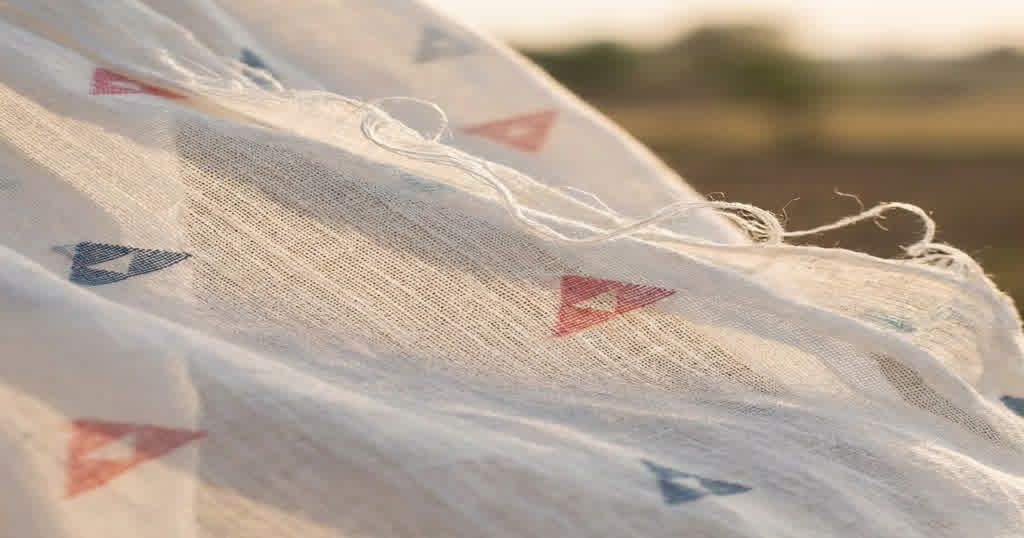
Breathability Tested: Why Handwoven Cotton Outperforms Blends in Summer

Designers creating resort collections for tropical climates face a recurring physical challenge. A garment might look light and airy on the hanger, but if the fabric traps heat and humidity against the skin, the wearer experiences immediate discomfort. Sourcing breathable handwoven cotton solves this issue at the structural level, offering a textile engineered specifically for extreme heat. Historically rooted in the ancient Indian traditions of Khadi and Muslin, these fabrics rely on hand-spinning and hand-weaving techniques that naturally aerate the material.
Consumers are increasingly scrutinizing greenwashed synthetic blends that claim to be summer-ready but fail in high humidity. For a brand, offering verifiable data on why natural cellulose fibers physically outperform polyester blends is a distinct commercial advantage. Understanding the exact material science behind this performance allows sourcing directors to justify premium pricing and align with strict sustainability mandates.
The Physics of Airflow: Handloom Micro-Pores vs. Mill-Made Uniformity
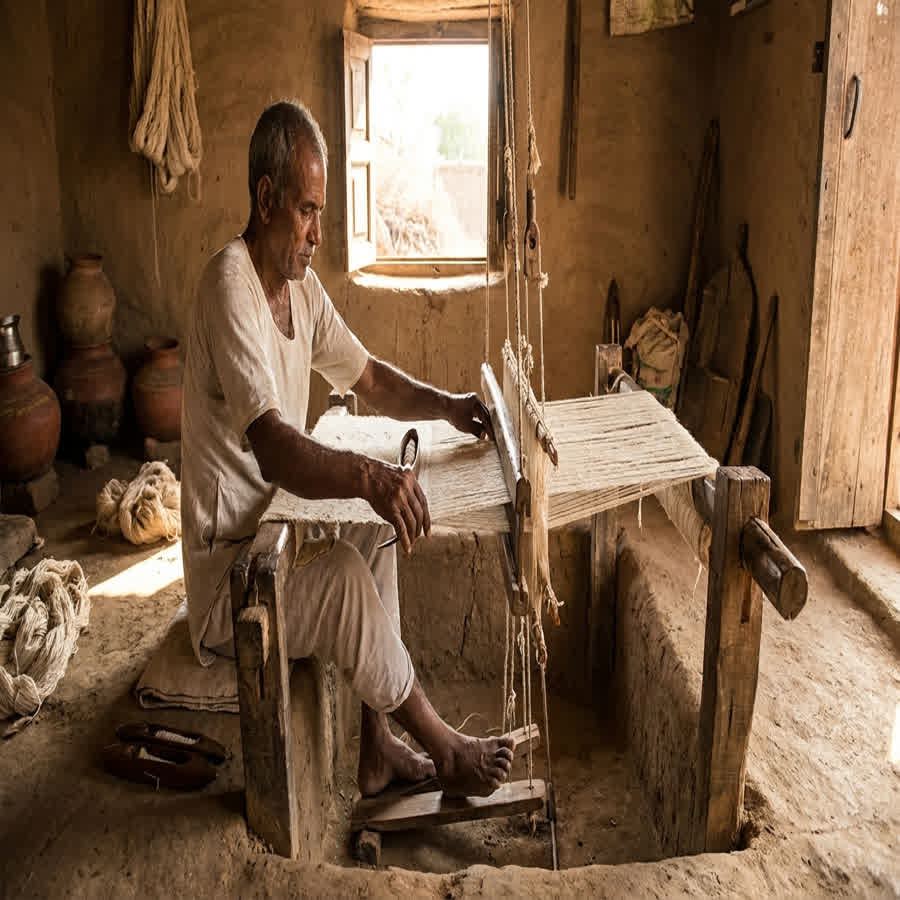
Handloom fabrics achieve superior airflow because the variable tension of human-operated looms and low-twist yarns create microscopic gaps in the weave, resulting in higher air permeability than tightly packed, machine-milled textiles.
The physical structure of a fabric dictates how easily air can pass through it. High-speed industrial looms require high-tension yarns to prevent breakage during rapid production. This mechanical necessity forces the yarns into a dense, uniform grid that restricts natural ventilation. When a textile lacks structural gaps, it acts as an insulator rather than a cooling layer.
The Mechanics of Low-Tension Weaving
Artisans working on traditional pit looms apply a rhythmic, human-paced force to the warp and weft. This variable warp and weft tension allows the yarns to sit more naturally alongside each other rather than being mechanically compressed. The resulting fabric structure is inherently less rigid, allowing the material to flex and breathe.
To understand the difference, we must look at the yarn preparation. Hand-spun or gently processed yarns retain a low twist multiplier, meaning the individual fibers are not tightly coiled into a dense thread. This softer yarn structure contributes directly to the textile's ability to breathe and absorb moisture.
- Low-tension weaving prevents the fibers from flattening into a solid, impenetrable barrier.
- Low-twist yarns maintain a softer, more open internal structure that facilitates airflow.
- Human-operated pit looms introduce slight, beneficial irregularities that break up the density of the weave.
Why Micro-Gaps Matter for Air Permeability
The combination of gentle tension and soft yarn creates microscopic air pockets throughout the fabric. These micro-gaps are the primary driver of high Air Permeability, the scientific metric used to measure how easily air flows through a textile. When a breeze hits the fabric, these pores allow the air to circulate directly against the skin, accelerating the cooling process.
In contrast, mill-made uniformity eliminates these gaps to maximize production speed and visual consistency. The resulting fabric might look identical to the naked eye, but it functions like a solid wall under a microscope. For summer collections, prioritizing these naturally aerated textiles ensures the garment actively cools the wearer in high temperatures.
Moisture Vapor Transmission Rate (MVTR): Why Synthetics Suffocate
Synthetic blends trap humidity against the skin because hydrophobic polyester blocks the Moisture Vapor Transmission Rate (MVTR), whereas natural cellulose fibers utilize high capillary action to rapidly wick and evaporate sweat.
MVTR is the critical metric for summer comfort, measuring how effectively a fabric allows evaporated perspiration to escape into the surrounding environment. When a textile fails this test, the wearer quickly feels sticky and overheated. Understanding this metric is essential for selecting the right summer weight fabrics.
Capillary Action in Natural Cellulose
Cotton is composed of natural cellulose fibers, which are inherently hydrophilic, meaning they attract and absorb water. When a person sweats, these fibers pull the moisture away from the skin through a process called high capillary action. The moisture travels rapidly along the microscopic channels within the fiber itself, moving away from the body.
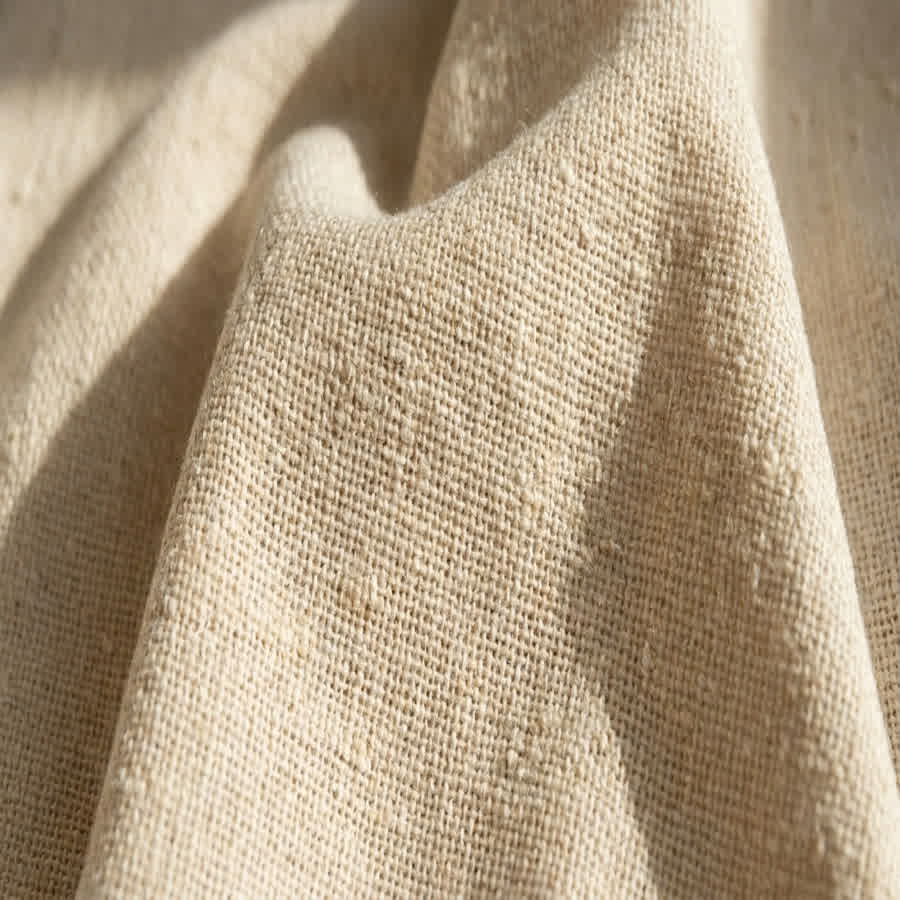
Once the sweat is pulled to the outer surface of the garment, the open structure of breathable handwoven cotton allows it to evaporate quickly into the air. This continuous cycle of absorption and evaporation creates a natural cooling effect that synthetics cannot replicate.
- Hydrophilic properties ensure immediate sweat absorption directly from the skin.
- Capillary action moves moisture efficiently to the fabric's exterior surface.
- Rapid evaporation cools the body and keeps the garment feeling dry and comfortable.
The Hydrophobic Trap of Poly-Blends
Polyester and other synthetic fibers are essentially plastics, making them hydrophobic materials that actively repel water. When blended with cotton, these synthetic fibers disrupt the natural wicking process. The plastic fibers act as microscopic dams, blocking the moisture from moving through the fabric and halting the cooling cycle.
This blockage drastically lowers the fabric's Moisture Vapor Transmission Rate. Instead of evaporating, the sweat remains trapped between the skin and the garment. This creates a micro-climate of hot, humid air that causes the fabric to cling uncomfortably to the wearer.
Brands often use poly-blends to reduce costs or add artificial wrinkle resistance. However, for tropical climates, this compromise sacrifices the essential cooling properties required for high-end summer wear, leading to poor customer satisfaction.
Optimizing for Summer: Ideal GSM and Weave Structures
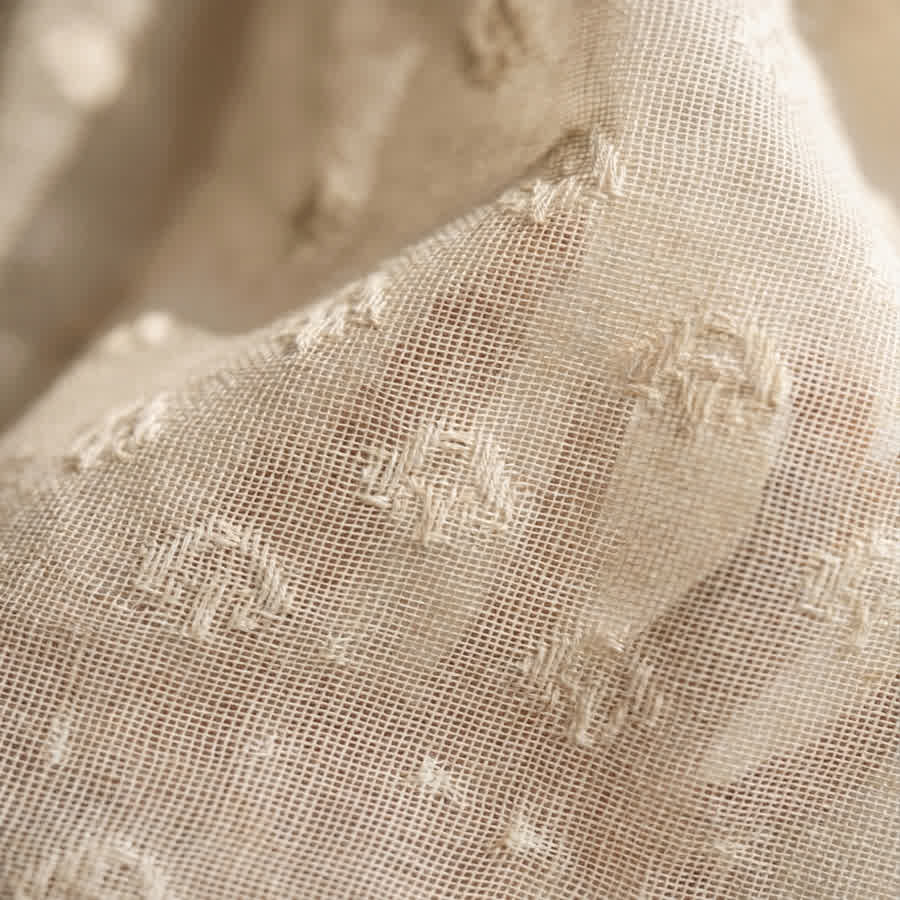
To maximize breathability in summer collections, sourcing directors should target a GSM range of 60 to 110 and specify open structures like plain weaves or traditional Jamdani techniques.
The weight and construction of a fabric are just as important as the fiber content when engineering garments for extreme heat. Selecting the right specifications ensures the final product drapes elegantly while maintaining optimal airflow. A poorly chosen weave can ruin the performance of even a strong natural cellulose fibers.
Targeting the 60 to 110 GSM Sweet Spot
Grams per Square Meter (GSM) dictates the physical weight and density of the textile. For summer applications, a 60 to 110 GSM range provides the well suited balance between structural integrity and sheer comfort. Fabrics falling below 60 GSM often require lining, which adds a second layer of material and negates the cooling benefits.
Fabrics exceeding 110 GSM begin to trap heat, regardless of their fiber composition. Staying within this specific lightweight fabric window guarantees the material will feel weightless on the body while providing adequate coverage.
- 60-80 GSM is ideal for loose resort shirts, sheer overlays, and lightweight tunics.
- 80-110 GSM provides enough opacity for unlined dresses, trousers, and structured summer blouses.
- Consistent weight control ensures the garment performs predictably in humid environments.
Plain Weaves and Jamdani Techniques
The geometry of the weave directly impacts how much air can pass through the breathable handwoven cotton. A simple plain weave is highly effective for summer because the one-over, one-under interlacing creates a stable but porous grid. Complex twills or satins pack the yarns too tightly, significantly reducing ventilation.
For brands seeking improve design details, the Jamdani weaving technique offers a brilliant solution. Artisans insert supplementary weft motifs directly into a sheer, low-GSM base fabric using a non-structural needle. This allows for intricate patterning without adding heavy layers.
This method adds intricate, tactile patterns without increasing the overall density of the garment. The base fabric remains highly porous, ensuring the natural aeration is never compromised by heavy embroidery or thick, non-breathable printing inks.
Durability Meets Comfort: Debunking the Poly-Blend Myth
High-quality, long-staple handwoven cotton resists pilling and softens over time, proving that synthetic blends are not necessary to achieve long-lasting garment durability.
A common misconception in textile sourcing is that polyester must be added to natural fibers to prevent them from breaking down or losing their shape. In reality, the structural integrity of a fabric depends heavily on the quality of the raw fiber and the care taken during spinning. Choosing superior raw materials eliminates the need for synthetic reinforcement.
Long-Staple Fibers and Pilling Resistance
Pilling occurs when short, broken fibers tangle together on the surface of a fabric due to friction. Synthetic blends are notorious for this because the strong polyester fibers hold onto the broken cotton fibers, creating stubborn, unsightly knots. By sourcing long-staple cotton varieties, brands can drastically reduce this issue and improve garment lifespan.
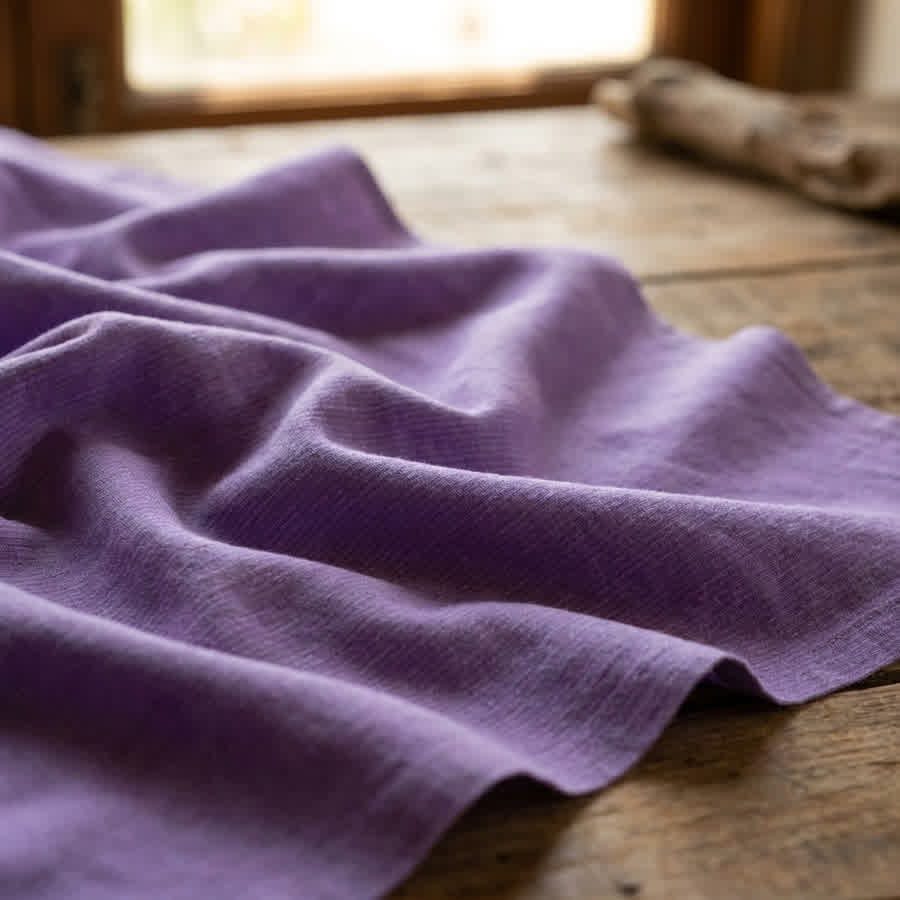
Longer fibers require fewer connection points within the yarn, resulting in a smoother, stronger thread. When woven carefully on a handloom, these high-quality natural yarns experience less mechanical stress during production, preserving their natural strength.
- Long-staple fibers provide higher tensile strength and a smoother, more refined surface.
- Low mechanical stress during hand-weaving preserves the integrity of the yarn.
- Absence of synthetic anchors means any loose fibers naturally shed rather than forming permanent pills.
Softening Over Time Without Structural Loss
One of the most distinct advantages of pure cellulose textiles is their aging process. Unlike plastics that degrade and become brittle, breathable handwoven cotton actually improves with washing and wear. The water and gentle friction cause the fibers to relax, resulting in a soft, supple hand-feel that customers love.
This softening does not equate to structural failure. The interlocking weave structure remains stable, maintaining the garment's shape and drape even after multiple seasons of use. The fabric adapts to the wearer without losing its essential cooling properties.
For eco-conscious labels, this longevity is a crucial selling point. A garment that grows more comfortable over time encourages longer consumer use, directly supporting a circular fashion narrative and reducing overall textile waste.
Decentralized Sourcing: Tracing Performance Back to the Artisan

Partnering directly with rural Indian weaving clusters through a decentralized supply chain ensures authentic handloom quality, ethical production, and verifiable sustainability claims for B2B buyers.
The opaque nature of conventional textile sourcing often leaves brands guessing about the true origins of their materials. To confidently market the technical benefits of hand-spun and hand-woven fabrics, sourcing directors need absolute transparency. Knowing exactly where and how a fabric is made is the foundation of a strong ESG strategy.
Verifiable Sustainability Through Rural Clusters
At Anuprerna, we operate a decentralized artisan supply chain that connects designers directly with skilled weavers in rural Bengal, specifically in districts like Murshidabad and Malda. This model bypasses the massive, energy-intensive factories typical of mill-made production. By keeping the work within the artisans' own villages, the carbon footprint of the manufacturing process is kept exceptionally low.
This approach also preserves the specific regional techniques required to produce authentic breathable handwoven cotton. The knowledge of how to properly tension a pit loom or spin a low-twist yarn is passed down through generations in these specific clusters, ensuring the technical specifications are met every time.
- Direct artisan partnerships guarantee the fabric is woven by hand, not machine-loomed.
- Village-based production eliminates the need for large, polluting industrial facilities.
- Preservation of heritage skills ensures the technical cooling properties of the fabric are maintained.
Justifying Premium Pricing with Transparent Data
Consumers demand proof behind eco-friendly claims. When a brand can trace a garment back to a specific weaving cluster, it transforms a basic material specification into a compelling, value-driven narrative. This level of traceability is increasingly required by international sustainability standards and discerning wholesale buyers.
By providing clear data on the ethical production methods and the physical performance of the fabric, brands can confidently position their collections in the luxury market. The story of the artisan, combined with the science of air permeability, justifies the investment and builds deep brand loyalty.
Sourcing through a transparent network ensures that the premium paid for the fabric directly supports the rural weaving communities, creating a resilient and equitable supply chain that benefits everyone involved.
Explore Our Collection
Anuprerna works directly with handloom artisan clusters to weave breathable handwoven cotton for designers and brands building considered collections. To source it for your next line, explore the range below.
frequently asked questions
How does the dye uptake of handwoven cotton compare to synthetic blends?
Handwoven cotton exhibits superior dye uptake due to the highly absorbent nature of natural cellulose fibers and the open structure of the low-twist yarns. Unlike polyester blends that require harsh, high-heat chemical dyeing processes, pure handwoven cotton easily absorbs natural and low-impact reactive dyes. This results in rich, colorfast hues that align perfectly with sustainable production practices.
What is the ideal GSM for breathable handwoven cotton in summer collections?
For optimal summer breathability, a GSM (Grams per Square Meter) between 60 and 110 is ideal. Fabrics in this range, such as handwoven muslin or lightweight cambric, provide excellent air permeability while maintaining enough structural integrity for garment construction. Staying within this weight ensures the fabric drapes well without requiring heavy linings that trap heat.
How does the breathability of handwoven cotton technically differ from mill-made cotton?
Handwoven cotton uses yarns with a lower twist multiplier and is woven with variable tension on handlooms. This creates a less compacted fabric structure with microscopic pores, allowing for a significantly higher Air Permeability index compared to the rigid, tightly packed structure of high-speed mill-made cotton. The human-paced weaving process inherently builds ventilation into the textile.
Why do cotton-polyester blends feel hotter in humid climates?
Polyester is a hydrophobic (water-repelling) synthetic fiber. While cotton absorbs sweat, the polyester fibers in a blend block the Moisture Vapor Transmission Rate (MVTR), preventing the sweat from evaporating into the air. This traps a micro-climate of hot, humid air directly against the wearer's skin, causing discomfort and stickiness.
How can brands verify the authenticity of breathable handwoven cotton sourced from India?
Authenticity can be verified through certifications like the Handloom Mark, and by partnering with transparent, decentralized supply chains like Anuprerna. We provide full traceability back to the specific rural artisan clusters in Bengal, ensuring the fabric is handwoven and ethically produced. This data allows brands to confidently market their sustainability claims.
More Blogs
is french terry fabric good for summer or winter? a seasonal guide
the intricate motifs of jamdani: meanings behind the heritage patterns
advanced weaving techniques: beyond the plain, twill, and satin weaves
how to source ethical raw silk for your fashion label
how celebrity environmental activists are shaping sustainable fashion trends
designing with honeycomb material: best uses for waffle weave textiles