Is French Terry Fabric Good for Summer or Winter? A Seasonal Guide

Designers planning capsule collections often face a rigid divide between lightweight warm-weather textiles and heavy cold-weather knits, leading to fragmented supply chains and excess deadstock. Deciding whether to source terry fabric for summer or winter requires understanding the precise physical structure of the material. Originating in the 1980s as a lighter evolution of traditional towel cloth, this textile transformed activewear by offering a unique dual-climate adaptability.
The decision to specify this material across multiple seasons rests on its specific warp-knit architecture and the natural properties of the cotton fiber. By examining the thermodynamics of its unbrushed loops and the strategic selection of fabric weight, brands can build year-round collections. This approach minimizes inventory risk while supporting a transparent, ethical supply chain rooted in decentralized artisan production.
The Material Science of French Terry: Why Loops Dictate Climate Control
French Terry controls climate through its unbrushed, looped inner pile, which wicks sweat for summer cooling and traps ambient air for winter insulation. This structural duality makes it highly effective across opposing seasonal extremes.
The Thermodynamics of the Unbrushed Loop
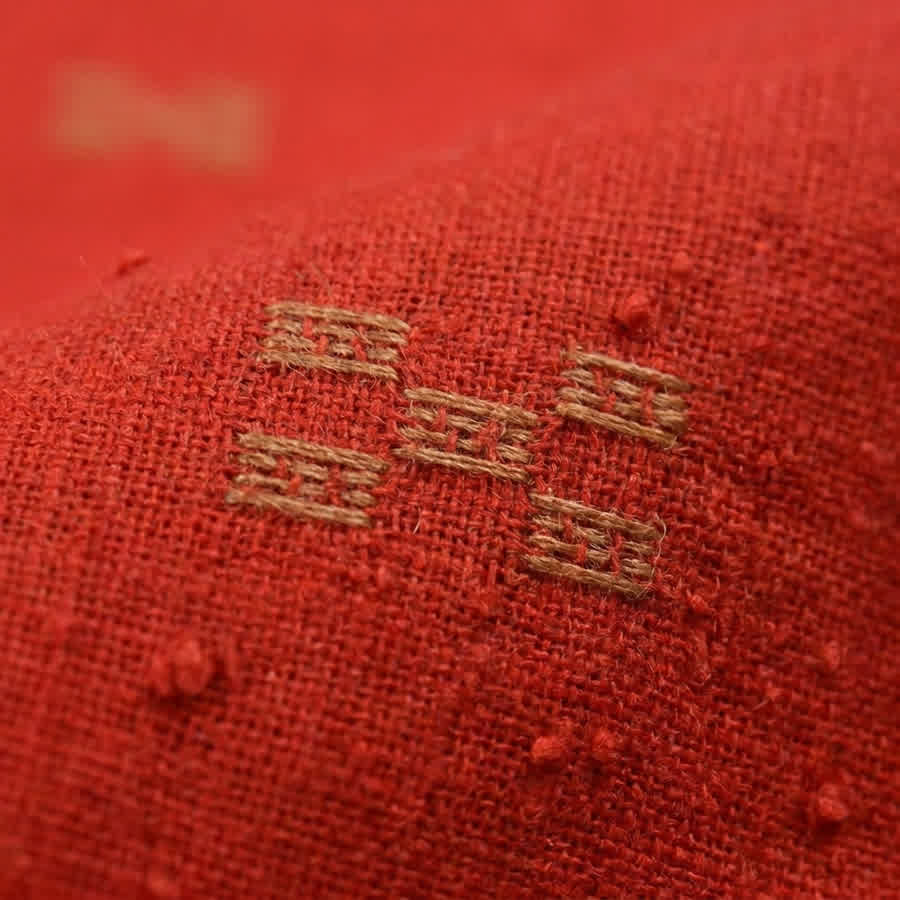
The defining characteristic of this textile is its warp-knit construction, featuring a smooth outer face and an internal surface covered in small, intact yarn loops. These loops create micro-spaces between the fabric and the skin. During colder months, these tiny pockets trap a layer of stagnant air, acting as a natural thermal insulating layer. Because the loops remain unbrushed, the fabric retains a dry, crisp hand-feel rather than the dense heat-trap associated with traditional fleece.
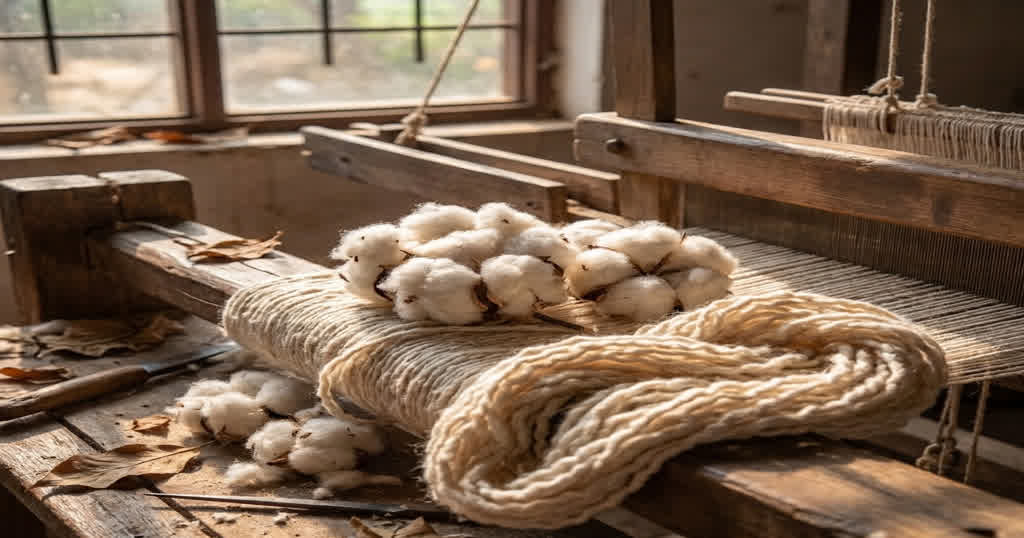
This specific architecture allows the material to provide bulk-free warmth for winter layering. The un-mechanized weaving process often utilized by rural artisans preserves the natural loft of the organic cotton fibers. This gentle handling ensures the loops maintain their structural integrity, preventing the fabric from flattening out after repeated washing.
Capillary Action and Moisture Management
In warmer climates, the same looped structure performs a completely different function based on the hygroscopic nature of cotton. The loops significantly increase the internal surface area of the garment. This expanded surface area facilitates rapid moisture-wicking, drawing sweat away from the body through capillary action.
To maximize this cooling effect, the material relies on specific physical properties:
- High surface area: The intact loops absorb moisture faster than flat-woven textiles.
- Air circulation: The spaces between the loops allow body heat to escape, preventing the garment from clinging.
- Fiber breathability: Unprocessed, natural cotton allows water vapor to pass through the fabric barrier easily.
Originating in the 1980s as an apparel-focused refinement of traditional towel cloth, this modern iteration reduced the heavy bulk while keeping the functional loops. This evolution created a textile that actively responds to the wearer's body temperature, changing the activewear market. For a designer, specifying terry fabric for summer or winter means utilizing this specific structural behavior to replace multiple seasonal fabrics with one versatile option.
Decoding GSM: Selecting the Right Terry Fabric for Summer or Winter Collections
The seasonal suitability of this textile depends entirely on its Grams per Square Meter (GSM), with 200-250 GSM serving warm climates and 300-350 GSM providing cold-weather insulation. Selecting the correct weight dictates whether the garment breathes or retains heat.
Lightweight Specifications for Warm Climates
For summer apparel like shorts and breathable tees, sourcing a lightweight fabric density is critical. Sourcing managers must carefully evaluate the yarn thickness and loop density when requesting samples. A specification between 200 and 250 GSM ensures the material remains light enough to allow maximum airflow. At this weight, the cotton loops are smaller and spaced slightly further apart, which reduces the overall thermal resistance of the garment.
This lighter weight provides a fluid, elegant drape suitable for premium summer loungewear. Designers often choose this specific GSM to avoid the stiffness found in heavier knits. The lower density also accelerates the drying time, a crucial factor for warm-weather garments exposed to high humidity and frequent washing.
Heavyweight Density for Cold Weather Insulation
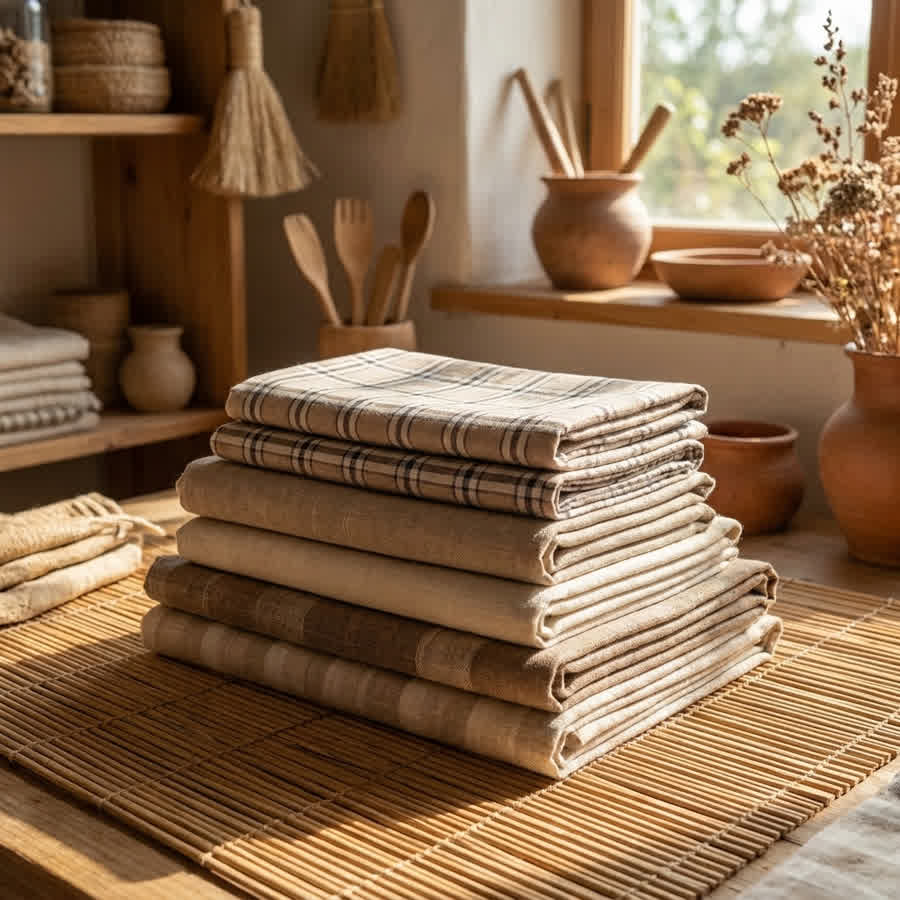
When developing winter hoodies and dense joggers, the specification must shift to a heavyweight fabric density. Sourcing a textile between 300 and 350 GSM increases the thickness of the yarn and the density of the internal loops. This tighter construction minimizes air permeability, effectively blocking cold winds while maximizing the internal heat retention.
Specifying the correct weight involves balancing several technical factors:
- Yarn thickness: Thicker yarns create a denser barrier against cold air.
- Loop density: Tightly packed loops trap more body heat within the micro-spaces.
- Structural stability: Heavier weights provide the necessary structure for oversized winter silhouettes.
By adjusting the GSM, a brand can use terry fabric for summer or winter without changing their core material sourcing strategy. This consistency simplifies the technical design process and ensures a uniform tactile experience across different seasonal drops.
Trans-Seasonal Sourcing: Mitigating Inventory Risk with Versatile Textiles
Utilizing a single, adaptable fabric architecture across multiple seasons streamlines the supply chain and significantly reduces the financial risk of deadstock. This trans-seasonal approach allows brands to maintain continuous production cycles rather than gambling on rigid seasonal inventory.
Streamlining the Supply Chain
In an era of economic tightening, B2B buyers face immense pressure to optimize their material sourcing and reduce financial exposure. Relying on highly specific seasonal fabrics often leads to fragmented purchasing, high Minimum Order Quantities (MOQs), and the constant threat of unsold inventory. By standardizing on a versatile warp-knit textile, sourcing managers can consolidate their purchasing power and mitigate these risks.
Streamlining the Supply Chain
This consolidation offers distinct operational advantages for fashion brands:
- Consistent quality control: Working with one primary fabric architecture reduces the variables in production.
- Simplified logistics: Fewer material types mean fewer shipments and easier inventory tracking.
- Flexible allocation: Unused yardage from a summer production run can be easily repurposed for early autumn drops.
Using terry fabric for summer or winter allows a brand to pivot quickly based on actual sales data rather than long-term climate predictions. If a summer collection underperforms, the raw material is not trapped as unusable seasonal deadstock.
Aligning with Slow Fashion Principles
Beyond operational efficiency, trans-seasonal sourcing directly supports a slow fashion narrative. Consumers increasingly reject the rapid turnover of micro-seasons, preferring garments that offer year-round utility. A textile that performs equally well in July and December aligns perfectly with this shift in consumer behavior.
By marketing year-round capsule collections, brands can emphasize the longevity and versatility of their garments. This strategy reduces the pressure to constantly design new silhouettes, allowing teams to focus on perfecting the fit and finish. The resulting collections offer a compelling ethical supply chain narrative, appealing directly to buyers who prioritize low-waste production models.
The Anuprerna Difference: Decentralized Production of Organic French Terry
Anuprerna produces this textile through a decentralized network of rural Indian artisans, combining organic cotton cultivation with ethical, low-impact manufacturing. This model provides B2B buyers with scalable yardage while preserving the natural climate adaptability of the fiber.
Preserving Fiber Integrity Through Artisan Craft
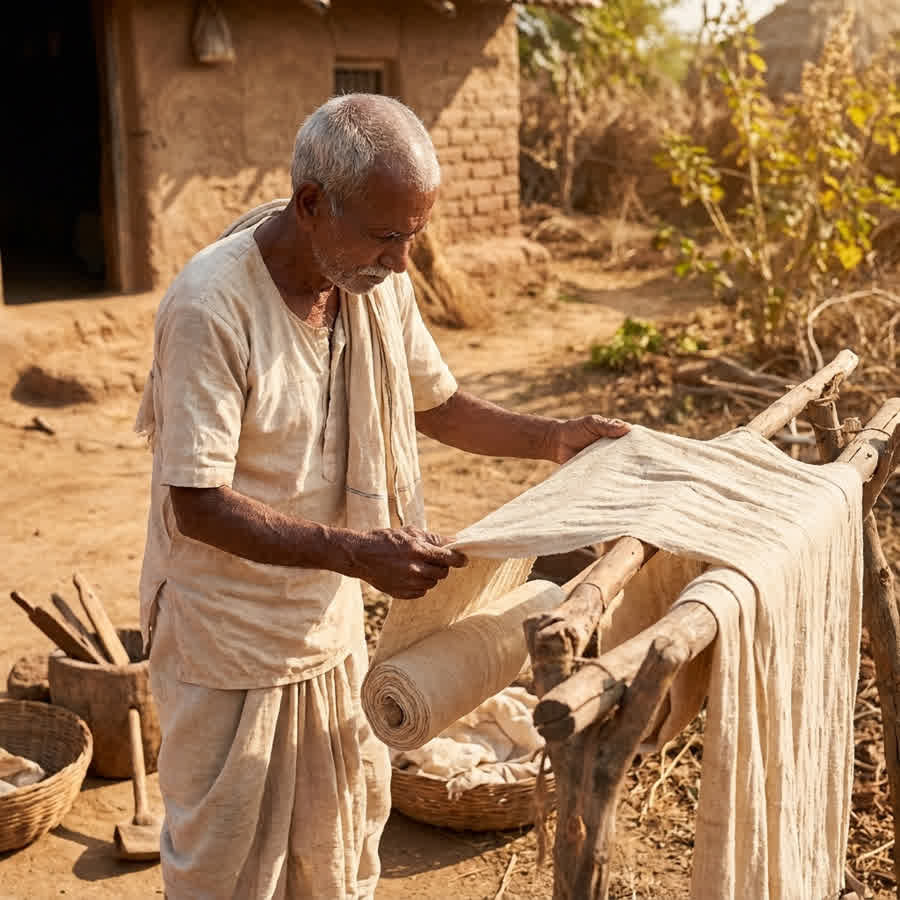
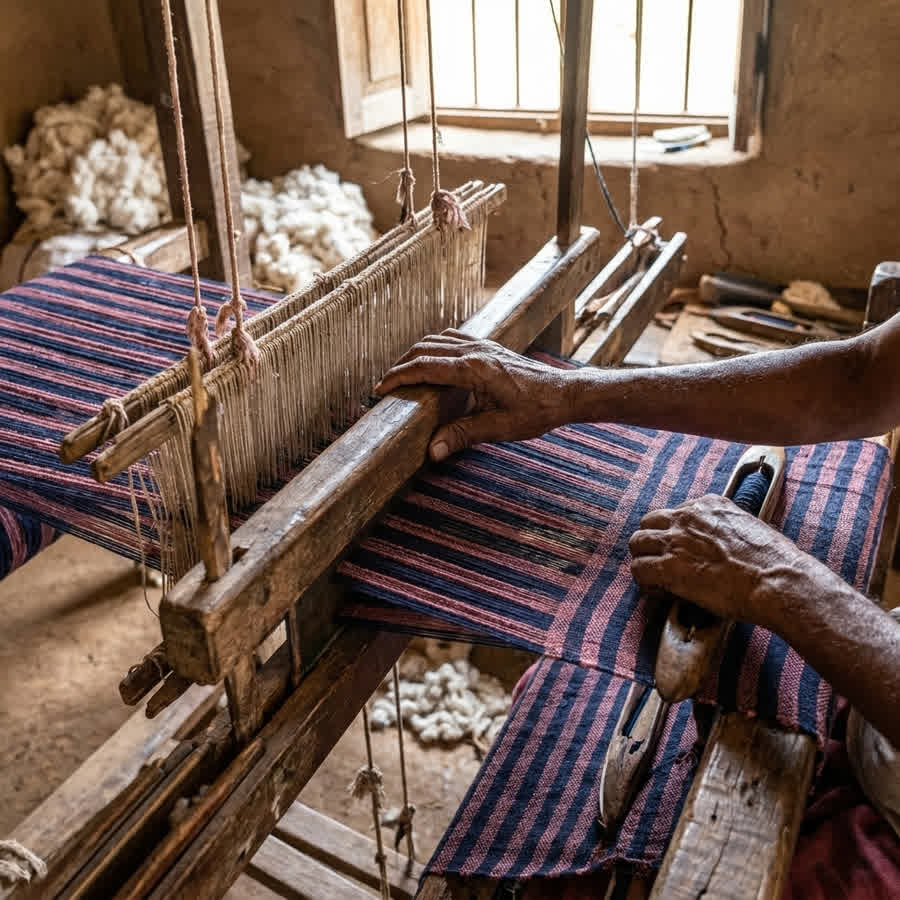
Industrial textile manufacturing often relies on harsh chemical treatments and high-tension machinery that can degrade the natural properties of cotton. Our approach integrates India's rich heritage of organic cotton cultivation with careful, un-mechanized processing. By avoiding aggressive industrial finishing, the natural structure of the cotton fiber remains intact.
This gentle handling directly impacts the performance of the final garment. The preserved hygroscopic capacity ensures superior moisture-wicking, while the undamaged fiber structure maintains its natural loft. For designers evaluating terry fabric for summer or winter, this artisanal processing guarantees the material will perform its thermoregulating functions effectively.
Socio-Economic Impact in Rural Clusters
Our decentralized supply chain model aggregates the output of skilled rural artisans across specific regions like Murshidabad, Malda, and Karnataka. This system empowers local communities by providing consistent, fair-wage employment without forcing artisans to migrate to urban factories. We currently work with numerous handloom clusters, ensuring that each yard of fabric supports a transparent ethical narrative.
Partnering with a decentralized network offers specific benefits for B2B sourcing:
- Traceable origins: Every batch can be traced back to the specific farming and weaving cluster.
- Low carbon footprint: Un-mechanized processes require significantly less energy than conventional factory production.
- Scalable consistency: By coordinating multiple artisan groups, we meet commercial yardage requirements without compromising quality.
This model bridges contemporary knitwear demands with genuine artisan empowerment. Brands receive a high-performance, trans-seasonal textile backed by a verifiable story of social and environmental responsibility.
Explore Our Collection
Anuprerna works directly with handloom artisan clusters to weave terry fabric for summer or winter for designers and brands building considered collections. To source it for your next line, explore the range below.
frequently asked questions
What is the ideal GSM for French Terry in summer versus winter collections?
For summer apparel, target a lightweight French Terry between 200-250 GSM to ensure optimal breathability and a fluid drape. For winter collections, a heavier 300-350 GSM provides the necessary density for thermal insulation while maintaining the fabric's signature flexibility and comfort.
How does 100% organic cotton French Terry compare to poly-blends for seasonal adaptability?
100% organic cotton maximizes the fabric's natural thermoregulating and hygroscopic properties. It wicks moisture efficiently in summer and remains breathable under heavy winter layers. Conversely, poly-blends trap heat and moisture, significantly reducing the fabric's trans-seasonal versatility and comfort.
Is French Terry the same as fleece for winter wear?
No. French Terry features an unbrushed, looped back, making it highly breathable and suitable as a trans-seasonal fabric. Fleece undergoes a brushing process that breaks the yarn loops to create a fuzzy surface, which traps significantly more heat, making it strictly a cold-weather textile.
Can artisan-made French Terry meet commercial B2B scalability requirements?
Yes. Anuprerna utilizes a decentralized supply chain model that aggregates the output of skilled rural artisans. This approach ensures scalable, consistent yardage for B2B buyers while maintaining rigorous ethical production standards and a low environmental footprint.
What makes the un-mechanized production of this textile superior for climate control?
Un-mechanized production preserves the natural structure and loft of the cotton fiber, preventing the loops from being crushed or degraded by heavy industrial machinery. This careful handling maintains the fabric's maximum capacity to wick moisture in the heat and trap insulating air in the cold.
More Blogs
is silk good for hot weather? a summer fabric analysis
breathability tested: why handwoven cotton outperforms blends in summer
traditional indian fabrics every designer should know
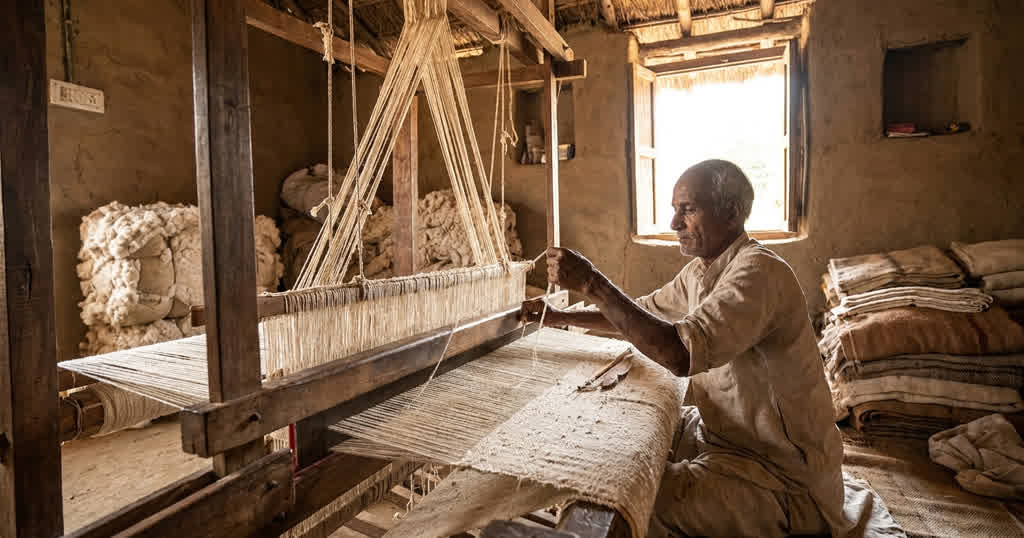
a complete guide to buying cotton fabric wholesale
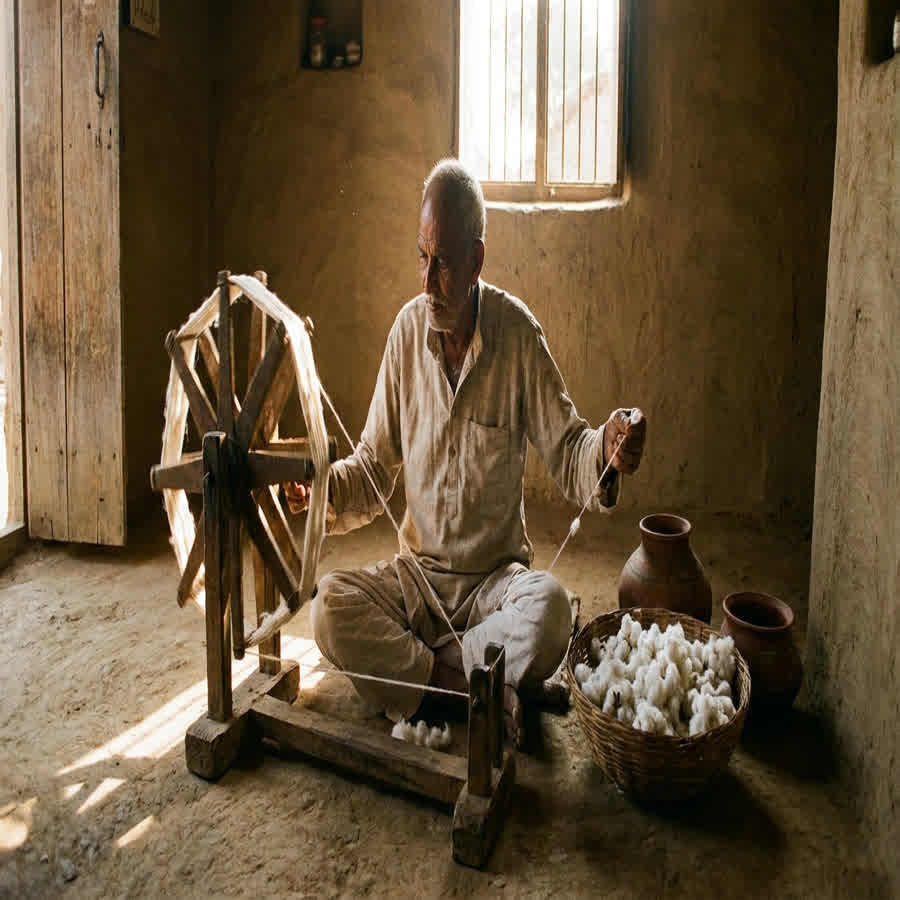
khadi cotton fabric leads india's climate-friendly textile movement
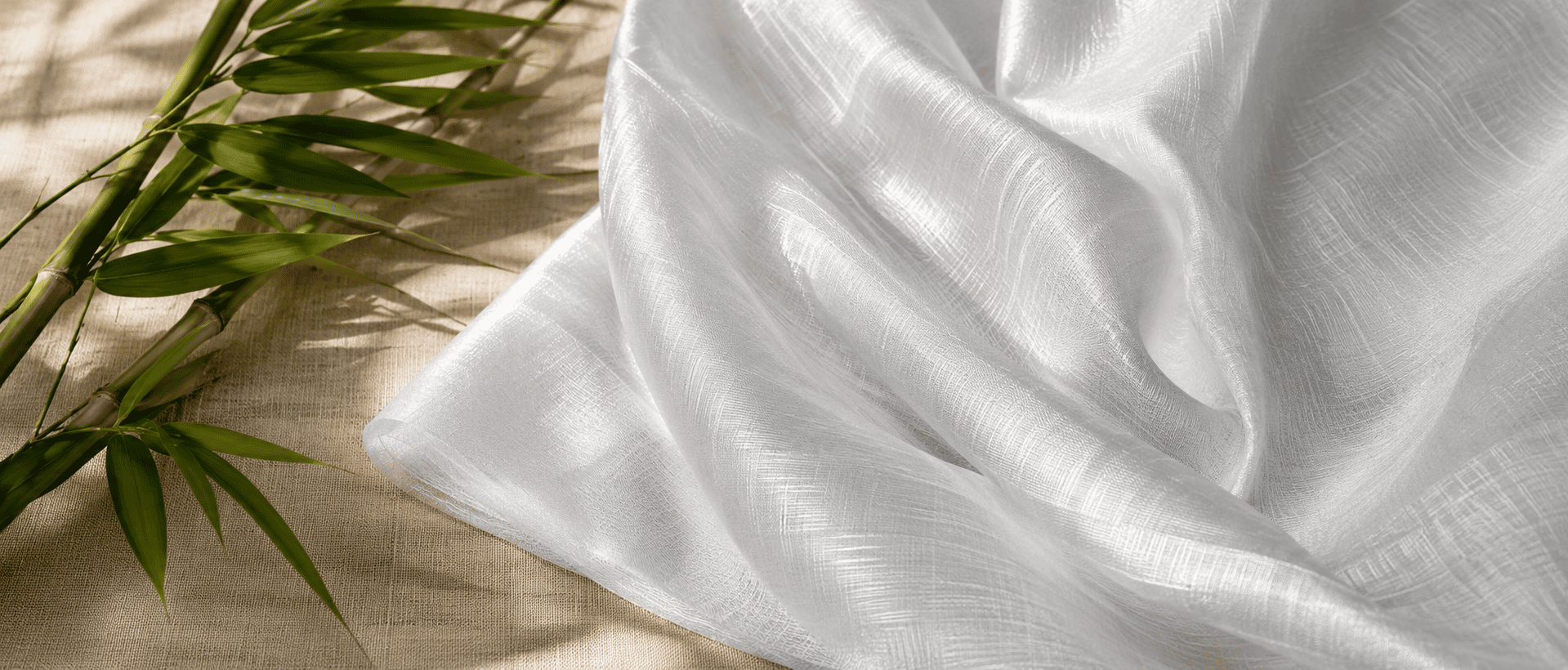
can one fabric feel luxurious and sustainable? meet the silk-bamboo blend