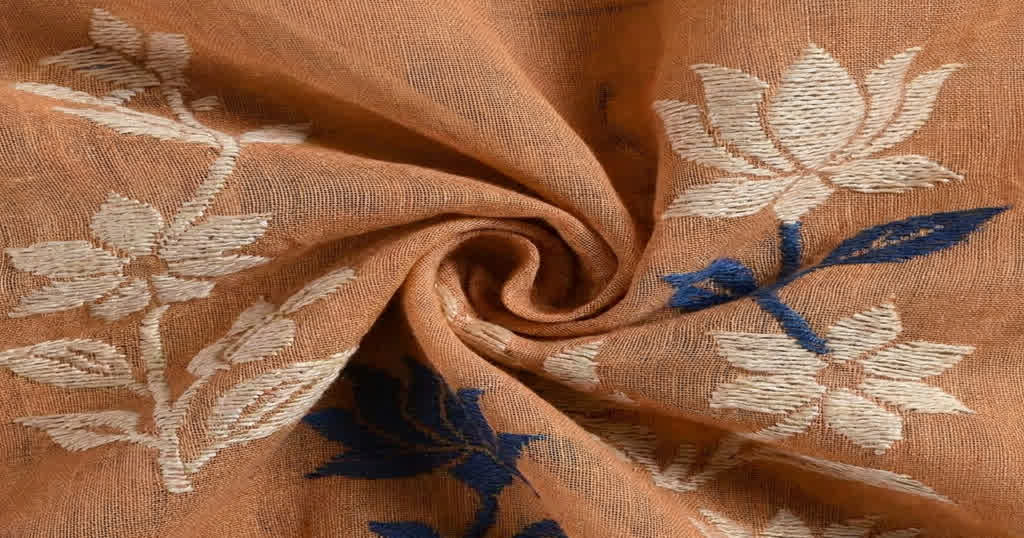
The Intricate Motifs of Jamdani: Meanings Behind the Heritage Patterns

Designing a premium collection requires more than just selecting a visually appealing fabric; it demands a deep understanding of the textile's origin and structural integrity. For designers working with fine muslin, understanding jamdani weave motifs and meanings transforms a simple garment into a verifiable piece of heritage art. These patterns are not printed or embroidered, but woven directly into the loom, requiring a highly advanced technique that dictates the final drape and production timeline. As the fashion industry shifts away from mass-produced synthetics, the demand for authentic, traceable craftsmanship is rising.
Choosing to source these handloom textiles means committing to a slower, more deliberate supply chain rooted in rural artisan clusters. Knowing the specific history and structural impact of these motifs allows a brand to market the heritage value of their collections, justifying premium price points while supporting decentralized weaving communities.
Decoding the Supplementary Weft: The Architecture of Jamdani Motifs
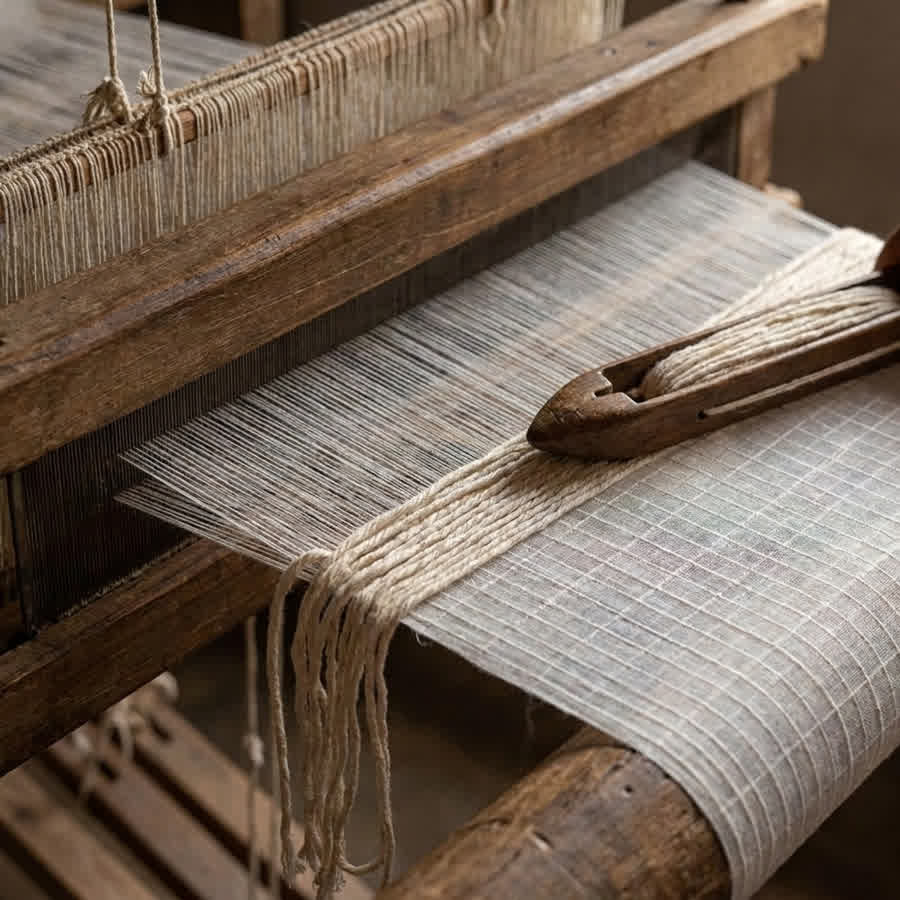
The architecture of Jamdani relies on a discontinuous supplementary weft technique, where artisans manually insert individual motif threads directly on the loom without a jacquard mechanism. This manual insertion process dictates the fabric's localized texture, overall weight, and the extended production lead times required for authentic pieces.
The Mechanics of the Discontinuous Weft
Originating in the Bengal region during the Mughal era, this method is highly labor-intensive and requires immense precision. Weavers use fine muslin cotton as the base, often utilizing 80s to 100s count yarn or higher to create a translucent foundation. Instead of a continuous thread running edge to edge, the artisan uses small spools to weave thicker cotton, silk, or metallic zari only where the motif appears.
This localized addition creates a distinct structural profile that sets it apart from standard woven textiles. The base fabric maintains its sheer, highly breathable nature, while the motif areas gain opacity and structural integrity. The contrast between the fine base and the heavier motif thread gives the fabric its signature three-dimensional appearance.
Impact on Production and Drape
Because the loom operates without automated jacquard cards, the weaver must memorize or read the pattern line by line from a paper graph. This manual precision directly affects the production lead times, often yielding just one to two meters of fabric per day per artisan. Planning a collection requires factoring in these extended timelines for any custom yardage.
The structural integration of the motif also alters the physical behavior of the textile. Designers must account for these variables when planning a collection:
- Base GSM: Typically ranges from 40 to 70, offering a feather-light drape ideal for summer garments.
- Motif weight: The thicker supplementary yarn adds localized stiffness, affecting how the fabric falls across the body.
- Tensile strength: The integrated motifs reinforce the fine muslin base, preventing the delicate yarn from shifting under stress.
Flora, Fauna, and Geometry: A Lexicon of Jamdani Weave Motifs and Meanings
The lexicon of jamdani weave motifs and meanings is a catalog of geometric, floral, and natural symbols deeply rooted in Islamic geometry and local Bengal folklore. Understanding these specific symbols provides sustainable fashion brands with a rich storytelling toolkit to market the cultural significance of their garments.
Traditional Floral and Natural Patterns
Historically woven as a luxury textile for royalty, the patterns often reflect the natural environment surrounding the weaving clusters. These motifs are stylized to fit the grid-like constraints of the loom, resulting in distinct, angular representations of nature rather than fluid curves. This geometric abstraction is a hallmark of the authentic handloom technique.
Key natural motifs include:
- Kalka: A classic teardrop or paisley shape representing the mango or the tree of life, symbolizing fertility and eternity.
- Phulwar: A continuous floral pattern often running along the borders, representing the lush, structured gardens of the Mughal era.
- Panna Hazar: Translating to a thousand emeralds, this intricate pattern uses tiny floral dots to create a shimmering, jewel-like effect across the fabric.
Geometric and Structural Designs
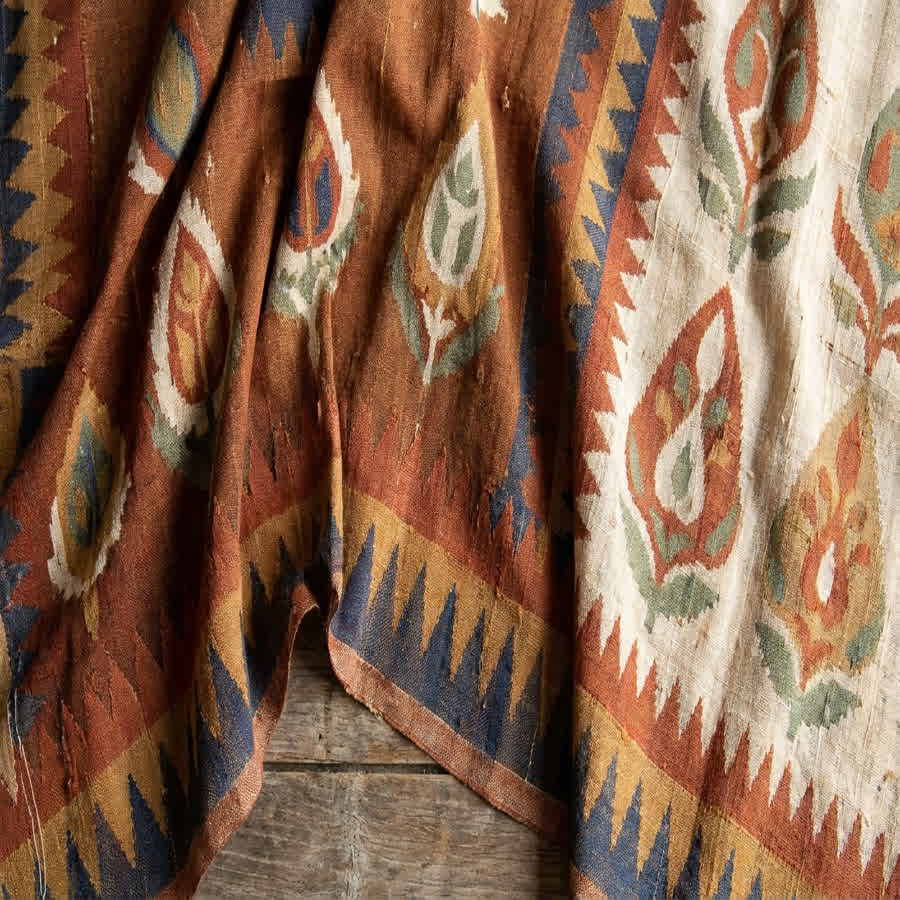
Alongside natural elements, geometric shapes play a crucial role in the jamdani weave motifs and meanings catalog. These designs often draw from Islamic architectural influences, emphasizing symmetry, mathematical precision, and infinite repetition. They provide a striking visual contrast to the delicate nature of the base fabric.
Common geometric structures feature:
- Korat: A sawtooth or temple border design, symbolizing local architecture and providing a strong visual edge to the textile.
- Charkona: A rectangular or square motif, often used in a grid pattern to add a rigid, structured aesthetic to the soft, flowing muslin.
- Tercha: Diagonal stripes composed of small floral or geometric units, adding a dynamic sense of movement to the garment.
The Weight of Heritage: How Motif Density Impacts Fabric Specifications
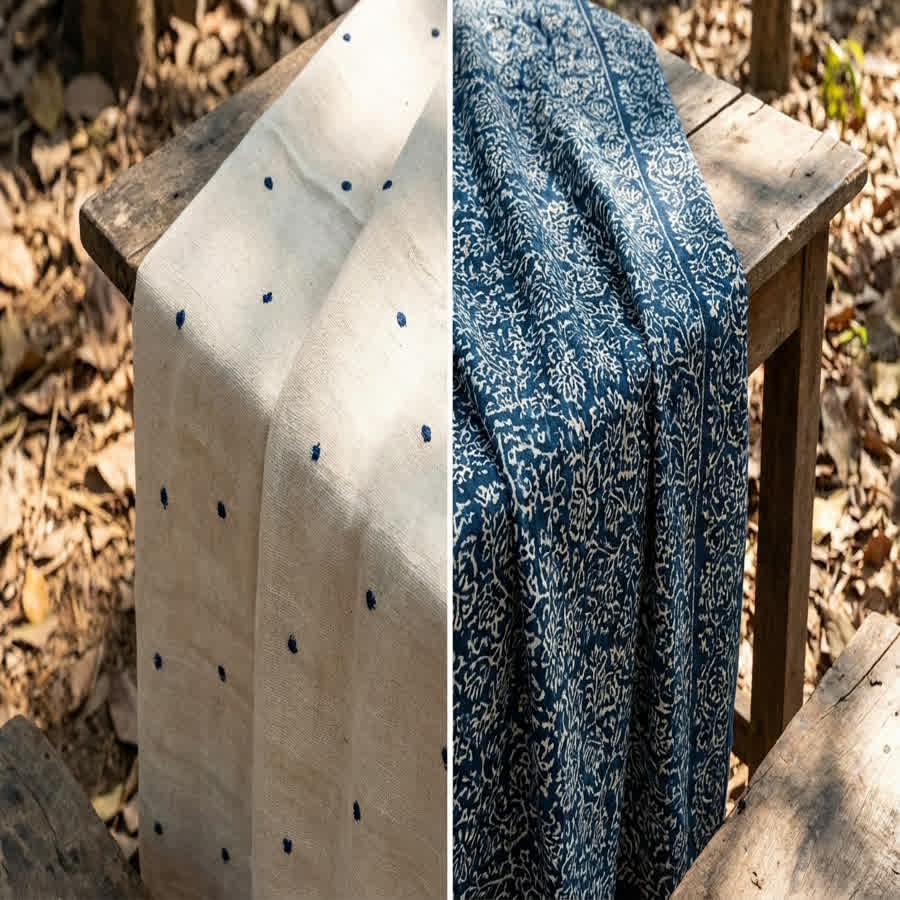
The density of a chosen motif directly alters the final GSM and tensile strength of the fabric, shifting it from a sheer overlay to a structured garment material. Selecting between a sparse scattered design and a dense all-over network requires designers to match the motif density to their specific silhouette requirements.
Sparse vs. Dense Ornamentation
The base muslin provides a consistent, lightweight foundation, but the supplementary weft dictates the final physical properties of the yardage. A sparse design, known as a Butidar pattern, features small, scattered motifs that leave the majority of the base fabric exposed. This minimal intervention preserves the original characteristics of the fine cotton.
This approach maintains the dry, crisp hand-feel and extreme breathability of the 40-70 GSM base. It is ideal for voluminous silhouettes, sheer overlays, or lightweight summer shirting where maximum drape is required. The low density of the jamdani weave motifs and meanings in a Butidar layout also keeps production times relatively shorter.
The Structural Impact of Jaal Patterns
Conversely, a dense Jaal pattern covers the fabric in an intricate, all-over network of interlocking motifs. This heavy ornamentation significantly increases the yarn consumption and the overall weight of the textile. The continuous insertion of thicker yarns fundamentally changes how the fabric behaves on the cutting table and on the body.
The technical implications of a Jaal pattern include:
- Increased GSM: The heavy concentration of thicker supplementary yarn can push the localized weight well above the base 70 GSM.
- Reduced drape: The interlocking threads create a stiffer, more structured fabric, suitable for tailored jackets or structured dresses.
- Enhanced durability: The dense network of supplementary weft threads reinforces the fine muslin, providing higher resistance to abrasion and seam slippage.
The Anuprerna Advantage: Customizing Authentic Motifs with Decentralized Artisans
Anuprerna’s decentralized supply chain allows B2B buyers to collaborate directly with rural weavers, adapting traditional motifs for contemporary silhouettes while maintaining strict ethical labor practices. This direct connection ensures that brands can achieve a bespoke aesthetic without compromising the authentic handloom technique or the welfare of the artisans.
Adapting Heritage for Modern Silhouettes
While the historical jamdani weave motifs and meanings carry immense cultural weight, modern fashion often requires a shift in scale, placement, or color palette. We currently work with multiple rural clusters across Bengal, enabling designers to modify these heritage patterns to suit their specific collection needs. This flexibility bridges the gap between traditional craft and contemporary market demands.
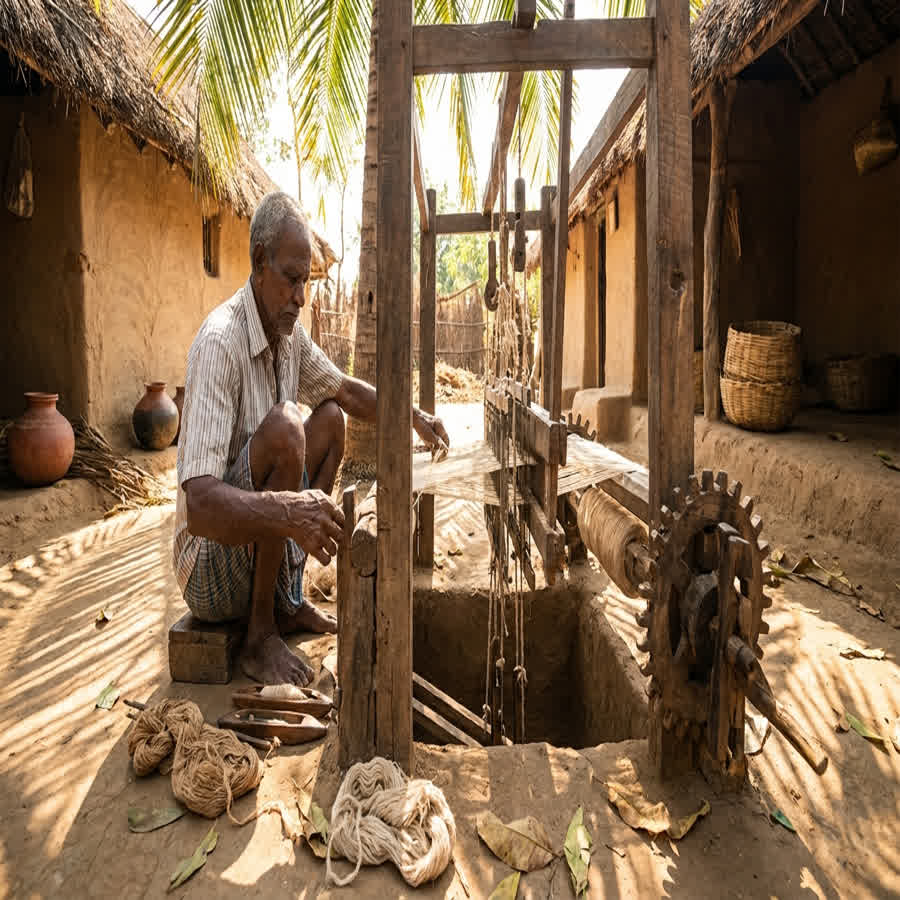
Customization options available to our B2B partners include:
- Scale adjustments: Enlarging a traditional Kalka motif to serve as a bold centerpiece rather than a repeating border.
- Yarn composition: Swapping traditional cotton supplementary wefts for silk or linen to alter the luster, texture, and dye uptake of the design.
- Minimalist placements: Reducing a dense Jaal pattern into a sparse, engineered placement for a cleaner, modern look.
Ethical Sourcing and Traceability
Working with a decentralized network of artisans requires a commitment to transparent, ethical sourcing. By bypassing centralized factories, we ensure that the weavers retain control over their craft and receive fair compensation for their highly specialized labor. This model respects the traditional rhythms of village life while meeting professional B2B standards.
This model provides fashion brands with a verifiable sustainability story. When a designer specifies a custom motif, they are not just ordering yardage; they are actively funding the preservation of a heritage craft and supporting the economic independence of rural weaving communities. This traceable origin is increasingly required by conscious consumers.
Explore Our Collection
Anuprerna works directly with handloom artisan clusters to weave jamdani weave motifs and meanings for designers and brands building considered collections. To source it for your next line, explore the range below.
frequently asked questions
How does the complexity of a Jamdani motif affect the B2B production lead time?
Complex, dense motifs significantly increase weaving time, often yielding only one to two meters per day per artisan. Jamdani is woven using a **discontinuous supplementary weft** technique, meaning each motif is added by hand using individual spools of thread. B2B buyers must factor this intensive labor into their sourcing timelines, especially when ordering intricate patterns like the **Panna Hazar**.
Can traditional jamdani weave motifs and meanings be customized for modern collections?
Yes, traditional motifs can be adapted in scale, placement, and yarn composition to fit contemporary design requirements. While these patterns have deep historical roots, Anuprerna's **decentralized artisan network** allows brands to incorporate silk, linen, or zari into the supplementary weft. This flexibility lets designers maintain the authentic technique while achieving a **bespoke aesthetic**.
What is the typical GSM of a Jamdani fabric, and does the motif alter its weight?
The base muslin fabric usually ranges from a very lightweight 40 to 70 GSM, but the supplementary weft used for motifs adds localized weight. A heavily ornamented **Jaal** pattern will result in a slightly heavier, more structured fabric. In contrast, a sparse **Butidar** design maintains the *feather-light drape* of the original muslin base.
How do I verify the authenticity of handwoven Jamdani versus machine-made imitations?
Authentic handwoven Jamdani motifs are structurally integrated into the fabric, leaving the reverse side looking nearly identical to the front with no loose threads. Machine-made imitations, often woven on power looms with jacquard attachments, typically have cut threads on the back. Machine-made versions lack the sheer, delicate tension of authentic **hand-spun muslin**.
What type of yarn is best suited for the supplementary weft in Jamdani weaving?
Thicker cotton, silk, or metallic zari yarns are best suited for the supplementary weft as they provide the necessary opacity and texture against the sheer base. The contrast between the fine **80s to 100s count yarn** of the muslin and the thicker motif thread is what gives Jamdani its signature three-dimensional appearance. Designers can select the weft material based on the desired luster and **structural integrity** of the final garment.
More Blogs
modern indian batik: how traditional prints are evolving
batik vs. shibori: understanding resist-dyeing techniques in sustainable fashion
national handloom day 2025: 10 must-have handloom textiles from across west bengal and india
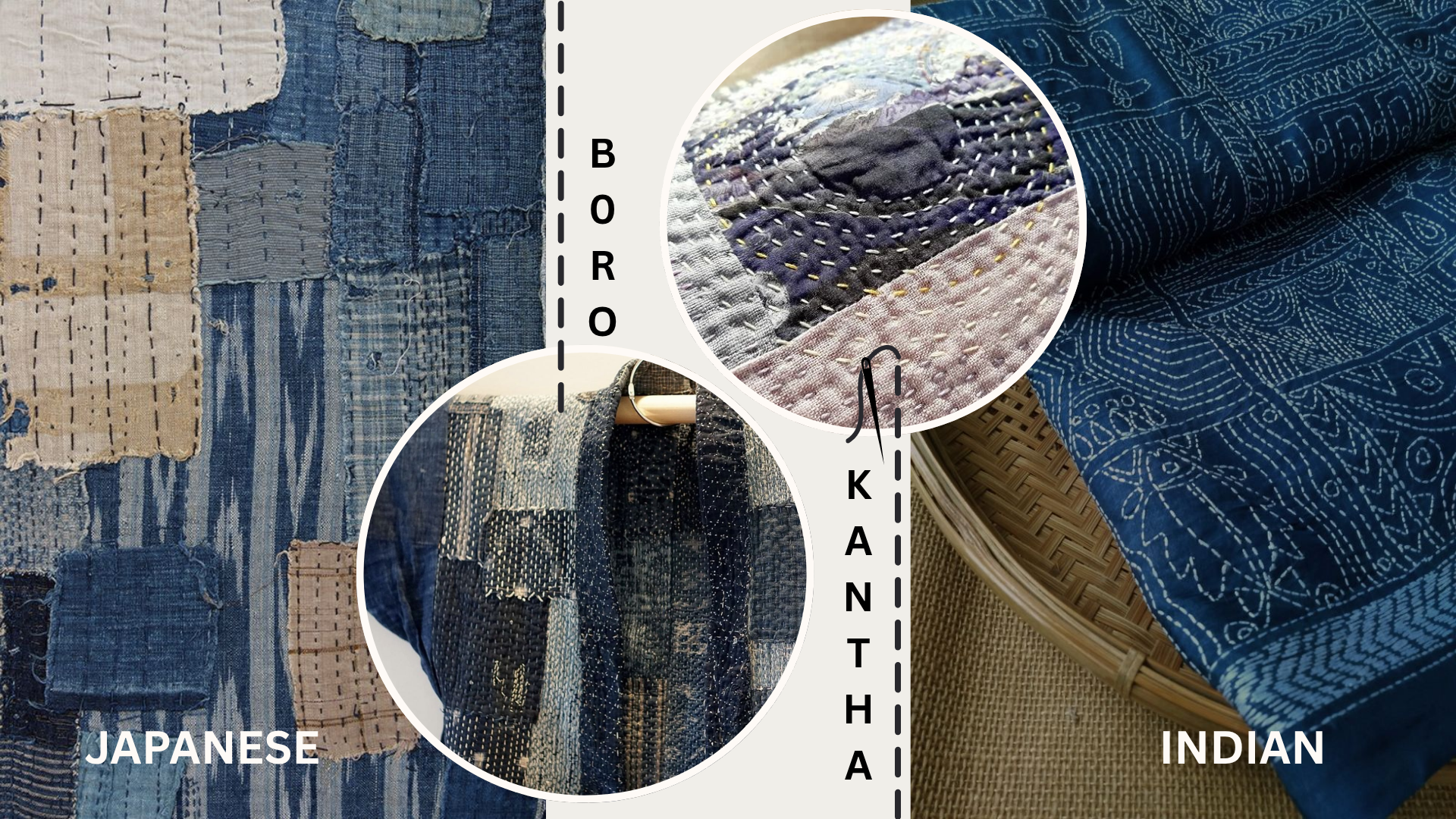
what japanese boro and indian kantha can teach us about repair culture
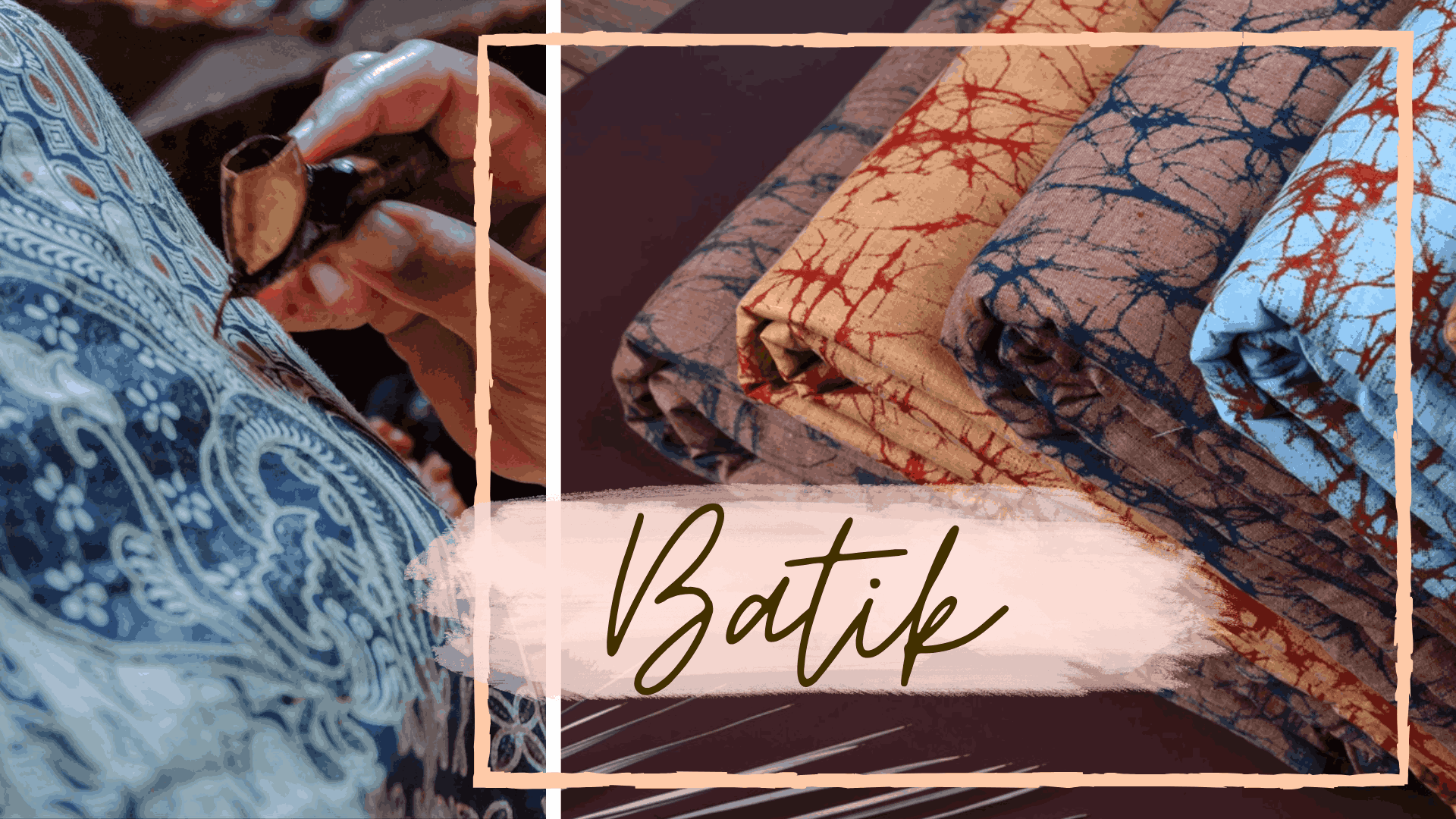
the living art of batik fabrics: sustainable traditions
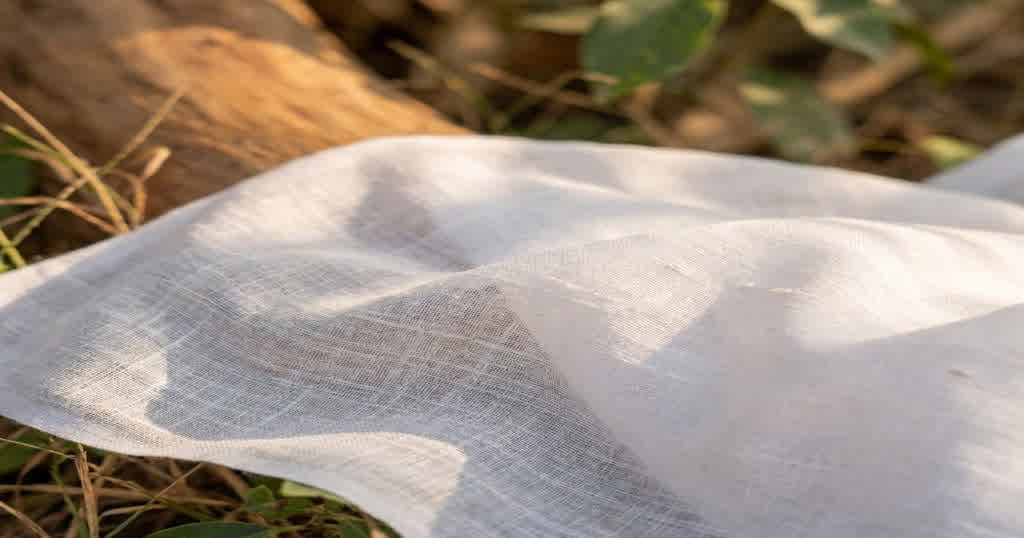
malmal cloth in english: understanding the global appeal of mul cotton