What to Look for in a Silk Manufacturer Before You Source

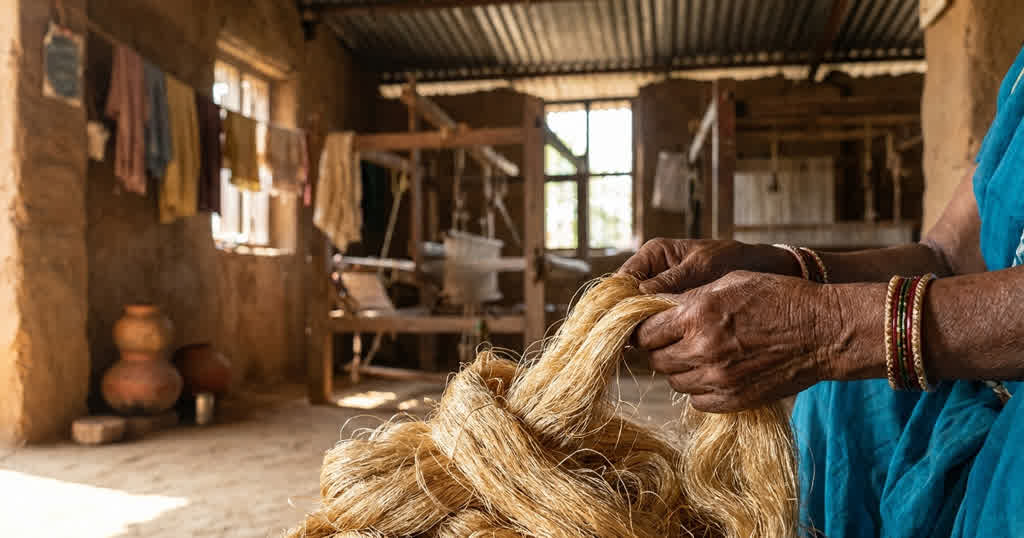
Sourcing textiles often begins with a beautiful swatch, but the reality of production hits when bulk yardage arrives stiff, uneven, or lacking the expected drape. Choosing the right silk manufacturer requires looking past the initial sample to understand exactly how the yarn is reared, spun, and woven. A supplier hiding behind opaque factory walls cannot provide the traceability and material data required to ensure consistent quality. The pressure to meet strict Environmental, Social, and Governance (ESG) goals is forcing brands to rethink their supply chains.
Partnering with a transparent producer ensures access to vital metrics like momme weight and tensile strength, while securing fair wages for the artisans involved. This technical evaluation directly impacts garment longevity, dye uptake, and the authentic sustainability story a brand can confidently market.
Beyond the Swatch: Evaluating the Traceability of Your Silk Manufacturer
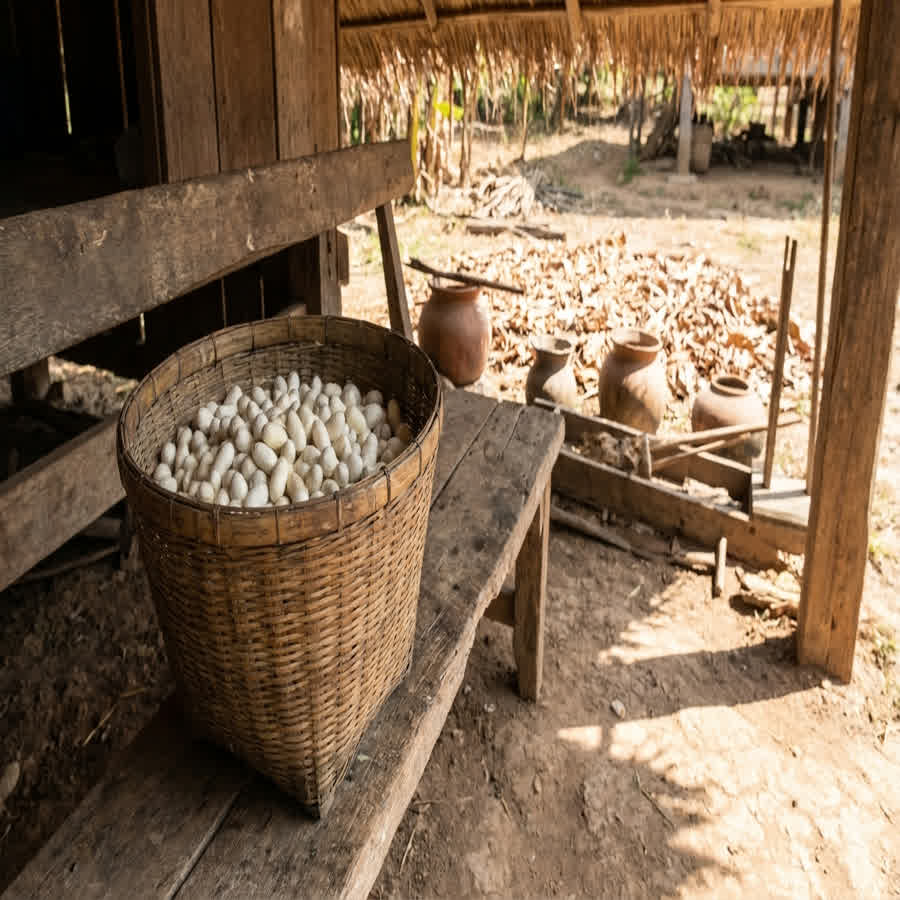
Evaluating traceability means auditing a supplier's entire supply chain, from cocoon rearing to the final loom, to guarantee ethical sericulture and fair artisan compensation. A reliable partner provides complete visibility into every stage of production, ensuring the raw materials align with your brand values.
Mapping the Sericulture Supply Chain
India's sericulture heritage spans millennia, with distinct regional clusters perfecting specific techniques. A transparent producer will specify exactly where their yarn originates, whether it is smooth Mulberry from Karnataka or textured Matka from Bengal. Knowing the exact origin allows buyers to verify the environmental impact of the farming practices.
When auditing a supply chain, buyers must request specific details about the yarn processing stages. You should look for clear documentation covering:
- Cocoon rearing: The specific agricultural practices used to harvest the silk, including whether it is conventional or Ahimsa (peace) silk.
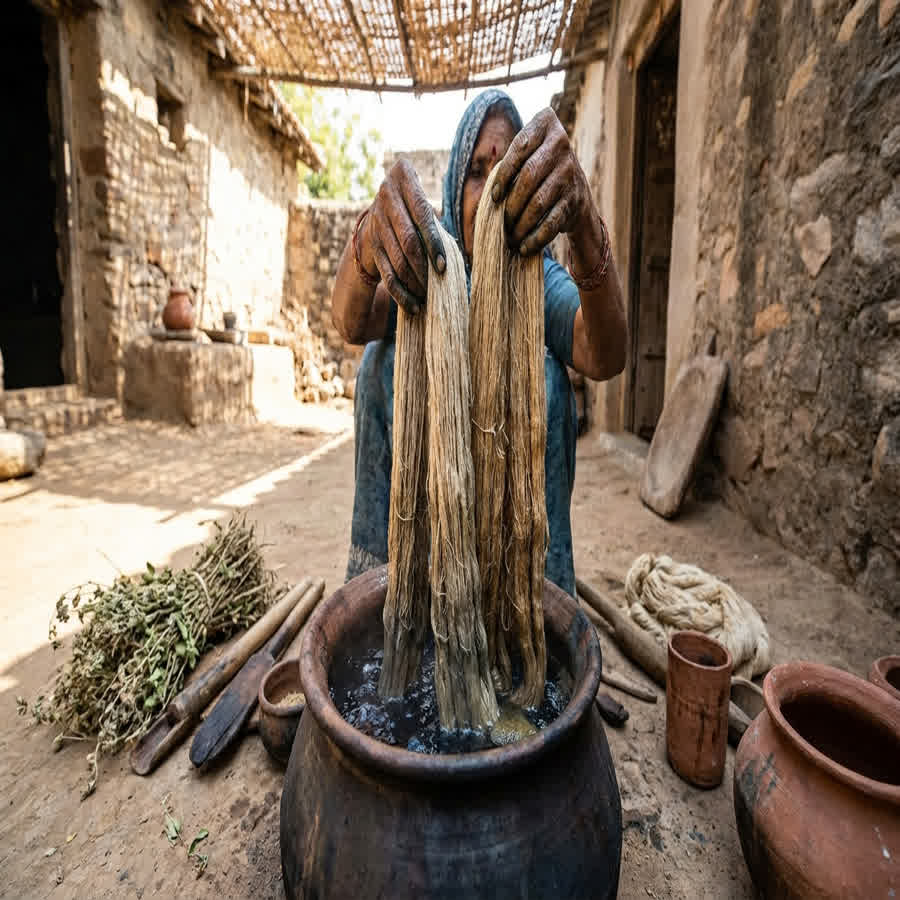
- Yarn dyeing: The types of dyes applied, focusing on low-impact biological processing or AZO-free chemical dyes.
- Loom preparation: The methods used to warp and size the yarn before weaving begins.
Auditing Artisan Compensation and Ethics
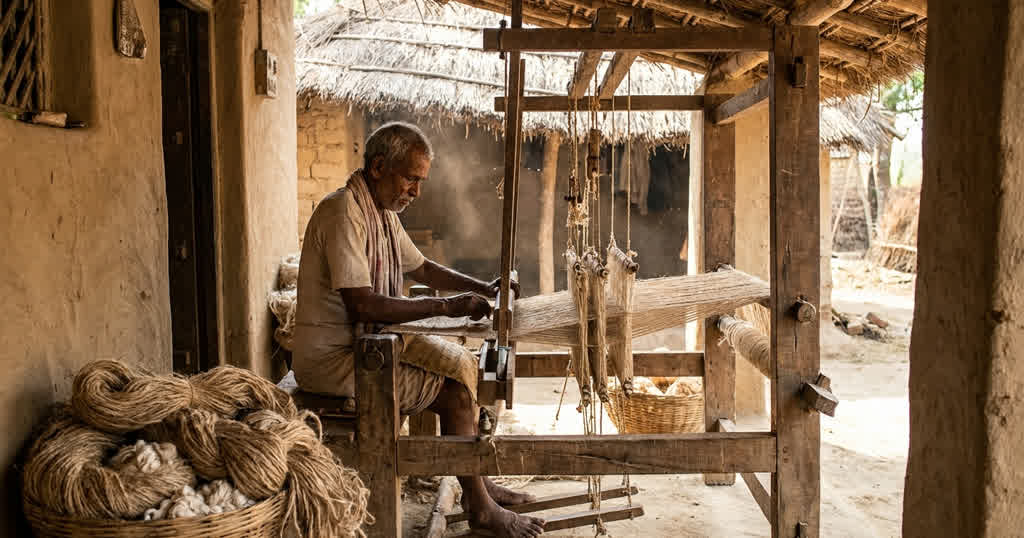
Decentralized artisan networks rely on generational knowledge rather than mechanized powerlooms. Working with these rural clusters requires a commitment to fair artisan wages and safe working conditions. A trustworthy supplier will openly share their pricing models and labor practices.
Brands must verify that the weavers, spinners, and dyers receive equitable pay for their highly specialized skills. We currently work with multiple handloom clusters in Murshidabad, ensuring that our decentralized supply chain directly benefits the local economy. This level of transparency protects your brand from the risks associated with opaque, mass-producing factories.
Mulberry, [Tussar](https://anuprerna.com/story-details/tussar-silk/17238), or Raw Silk: Matching the Producer to Your Fabric Needs
Matching a producer to your needs requires identifying whether they specialize in continuous filament yarns for smooth finishes or short-fiber yarns for textured, matte fabrics. Not every facility is equipped to handle the distinct tension and sizing requirements of different silk varieties.
Continuous Filament vs. Spun Silk
A dedicated mulberry silk supplier focuses on yarns extruded in long, unbroken strands. This continuous filament structure creates a fabric with high luster, exceptional smoothness, and excellent drape. These properties make it ideal for fluid eveningwear and delicate linings.
Conversely, a specialized raw silk fabric producer works with spun or short-fiber silk, often referred to as noil. This material retains its natural gum, known as sericin, resulting in a dry, crisp hand-feel. The structural differences between these yarns directly dictate the fabric's drape, luster, and dye-affinity.
, or Raw Silk: Matching the Producer to Your Fabric Needs — Anuprerna handloom](https://media.anuprerna.com/MJNNYVMSM3BO7LI8L6ULCI3PDOZX07105.jpg)
Evaluating Technical Specifications
Silk evaluation requires assessing specific material metrics to ensure the fabric meets your garment requirements. Buyers must request detailed specification sheets from their suppliers before committing to bulk orders. Key metrics to evaluate include:
- Momme weight: The standard measure of silk density, typically ranging from 8 to 22 mm for apparel applications.
- Grading standards: The uniformity of the yarn, usually graded from A to C, which affects the final fabric's smoothness.
- Tensile strength: The fiber's resistance to breaking under tension, which can reach up to 4.8 g/d, making it the strongest natural fiber.
Understanding these technical specifications allows designers to select the correct weight and weave for their specific silhouettes. A producer capable of clearly explaining their yarn twist and regional weaving styles demonstrates the technical competence necessary for a successful B2B partnership.
The Artisan Advantage: Why Decentralized Supply Chains Outperform Mass Factories
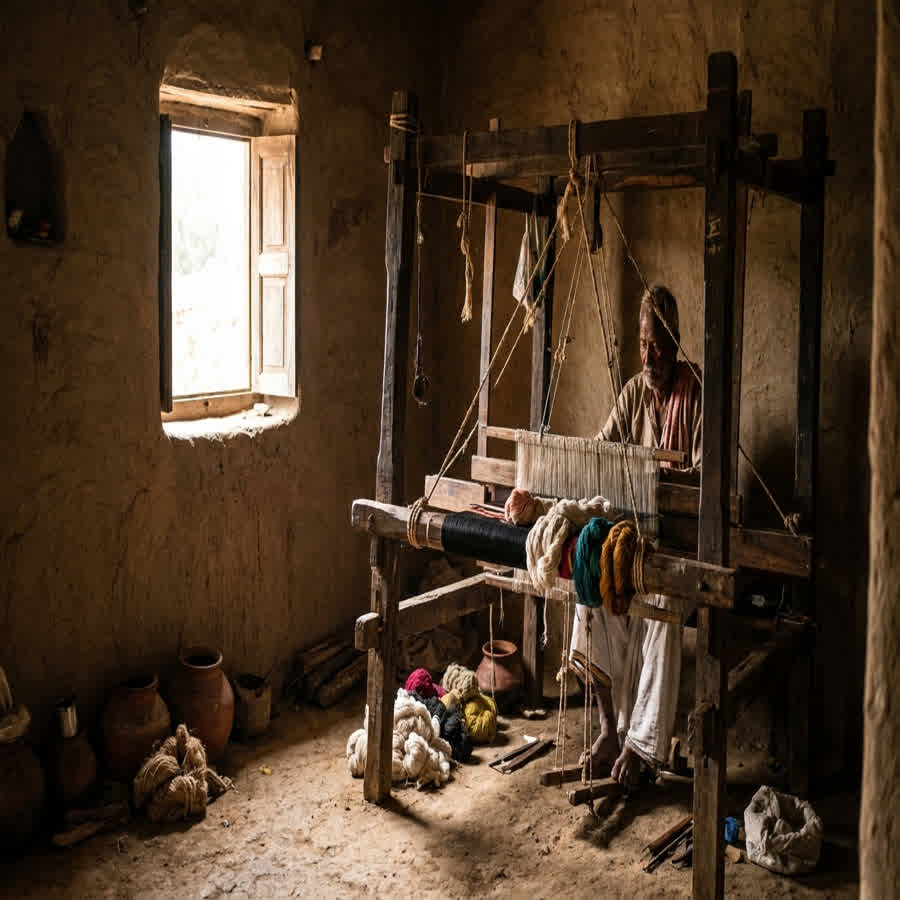
Decentralized supply chains outperform mass factories by offering flexible minimum order quantities, lower carbon footprints, and the unique textural character of hand-woven textiles. This model allows brands to source highly specialized fabrics without committing to the massive volumes demanded by industrial mills.
Flexibility in Custom Development
Industrial powerloom facilities are optimized for speed and uniformity, requiring massive production runs to remain profitable. This rigid structure forces independent designers to choose from stock fabrics, limiting their creative control. A decentralized artisan supply chain operates on a completely different scale.
Working directly with rural weavers provides significant MOQ flexibility for custom developments. Brands can commission specific weave structures, custom dye lots, and unique yarn blends in much smaller batches. This adaptability is crucial for boutique brands testing new silhouettes or launching limited capsule collections.
Environmental and Textural Benefits
Modern buyers are actively shifting away from opaque, mass-producing factories toward suppliers with verifiable zero-waste credentials. Decentralized handloom production inherently consumes less energy, as it relies on human power rather than electricity. This significantly lowers the carbon footprint of the final garment.
Beyond the environmental impact, hand-weaving imparts a distinct physical quality to the fabric. The human-regulated tension of a handloom creates subtle variations that machines cannot replicate. These variations offer specific advantages:
- Superior breathability: The slightly looser weave structure allows for better air circulation compared to tightly packed powerloom fabrics.
- Softer drape: The gentle handling of the yarn results in a fabric that molds more naturally to the body.
- Unique textural character: The presence of natural slubs and organic irregularities gives the fabric a premium, artisanal aesthetic.
Quality Control in Handloom Silk: Setting Realistic B2B Expectations
Setting realistic B2B expectations requires distinguishing between the natural, organic variations inherent to artisanal silk and actual structural weaving defects. Buyers must understand that hand-spun and hand-woven textiles will never possess the sterile uniformity of synthetic, machine-made fabrics.
Distinguishing Character from Defect
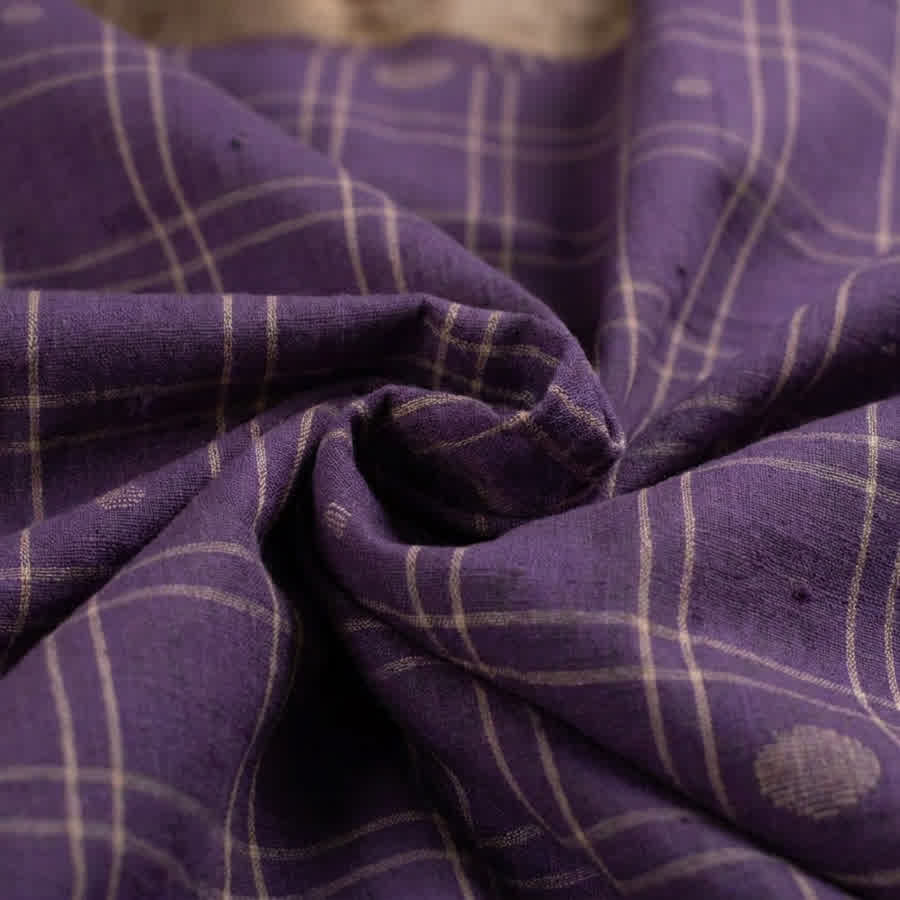
When sourcing from a raw silk fabric producer, designers often encounter small knots or thicker sections of yarn known as slubs. In industrial production, these are often flagged as errors. In artisanal textiles, these slubs are the defining signature of hand-spun yarn.
It is vital to communicate these material realities to your quality control teams. A true defect compromises the structural integrity of the fabric, such as a broken warp thread or a severe tension imbalance. Natural variations, however, enhance the tactile character and prove the fabric's authentic handloom origin.
Managing Rigorous QA in Rural Settings
Top silk saree manufacturers maintain strict quality control despite operating across decentralized rural clusters. This requires a highly organized system of checks and balances at every stage of production. We implement rigorous inspections before the fabric ever leaves the village.
Effective quality assurance in a decentralized model involves several critical steps:
- Yarn inspection: Checking the tensile strength and dye consistency of the yarn before it is loaded onto the loom.
- On-loom monitoring: Master weavers overseeing the weaving process to ensure correct tension and pattern execution.
- Post-weaving auditing: Examining the finished yardage for structural flaws, correct selvedge formation, and accurate dimensions.
By establishing clear communication and standardized inspection protocols, artisan networks can deliver consistent quality that meets strict B2B requirements. This structured approach ensures that brands receive beautiful, durable fabrics without unexpected structural failures.
Certifications vs. Transparency: What Actually Proves Sustainable Silk?
Proving sustainable silk requires looking beyond basic certifications to demand direct artisan impact data and transparent pricing models from your supplier. While official labels provide a baseline of trust, true sustainability is proven through open communication and verifiable supply chain mapping.
The Role of Industry Certifications
Certifications serve as an important initial filter when evaluating a new silk manufacturer. They offer third-party verification of specific material claims, helping buyers avoid blatant greenwashing. For example, the Silk Mark issued by the Central Silk Board of India guarantees that the fabric is made from 100% pure natural silk.
In cases where organic farming practices are utilized, the Global Organic Textile Standard (GOTS) can verify the absence of toxic pesticides during cocoon rearing. However, these certifications often focus heavily on the environmental or material aspects, sometimes overlooking the social impact. Buyers must remember that a certificate alone does not guarantee fair wages for the weavers.
A strong Proof of Sustainability
The most reliable indicator of an ethical supply chain is a supplier's willingness to share granular data about their operations. A transparent partner will openly discuss their challenges, their pricing structures, and their direct artisan impact. This level of honesty is rare in traditional, opaque manufacturing.
To ensure you are partnering with a sustainable producer, you should request specific documentation:
- Supply chain mapping: Detailed information identifying the exact rural clusters and villages where the spinning and weaving take place.
- Transparent pricing models: A clear breakdown of costs, demonstrating that a fair percentage of the final price goes directly to the artisans.
- Biological processing data: Evidence of low-impact dyeing methods and responsible water management during the finishing stages.
By prioritizing transparency over mere paperwork, brands can secure high-quality handloom silk while confidently marketing a verified, ethical narrative.
Explore Our Collection
Anuprerna works directly with handloom artisan clusters to weave silk manufacturer for designers and brands building considered collections. To source it for your next line, explore the range below.
frequently asked questions
What is the technical difference between a mulberry silk supplier and a raw silk fabric producer?
Mulberry silk refers to the yarn source (Bombyx mori silkworms fed on mulberry leaves), which yields smooth, continuous filaments. A raw silk fabric producer often works with shorter fibers (noil) or silk that retains its natural sericin (gum), resulting in a textured, matte, and slightly stiffer fabric. A comprehensive artisan manufacturer can supply both by utilizing different spinning and weaving techniques.
How can I verify the authenticity of silk saree manufacturers in India?
Authenticity can be verified by looking for the 'Silk Mark' certification issued by the Central Silk Board of India, which guarantees 100% pure silk. Additionally, genuine artisan manufacturers will provide transparent supply chain mapping, detailing the specific rural weaving clusters (e.g., Murshidabad, Phulia) and offering direct visibility into their handloom processes.
What are the typical MOQs when sourcing artisanal silk fabrics compared to industrial mills?
Industrial powerloom mills typically require Minimum Order Quantities (MOQs) in the thousands of meters. In contrast, decentralized artisan networks like Anuprerna offer highly flexible MOQs, often as low as 20 to 50 meters per colorway or design. This flexibility makes them ideal for boutique brands, capsule collections, and custom fabric developments.
How does handloom silk differ from powerloom silk in terms of material properties?
Handloom silk is woven with lower, human-regulated tension, which results in a softer drape, superior breathability, and a distinct tactile character. Powerlooms operate at high speeds with high tension, creating a flatter, more uniform fabric but often sacrificing the unique textural nuances (like natural slubs) that give artisanal raw silk its premium appeal.
How does the momme weight affect the application of the final silk fabric?
Momme weight dictates the density and durability of the silk, directly determining its suitability for specific garments. Lower momme weights (8 to 12 mm) are highly sheer and breathable, making them well suited for lightweight linings and scarves. Higher momme weights (16 to 22 mm) offer greater opacity and structural integrity, which is required for tailored dresses, trousers, and heavy bridal wear.
More Blogs

khadi jeans for men: styling sustainable denim
eco-friendly trims: sourcing sustainable fashion accessories
how to choose the right fabric wholesaler for your brand
how does sustainable sourcing affect clothing quality?
what is a sustainable designer? roles, responsibilities, and impact
how celebrity endorsements are shaping the future of sustainable textiles