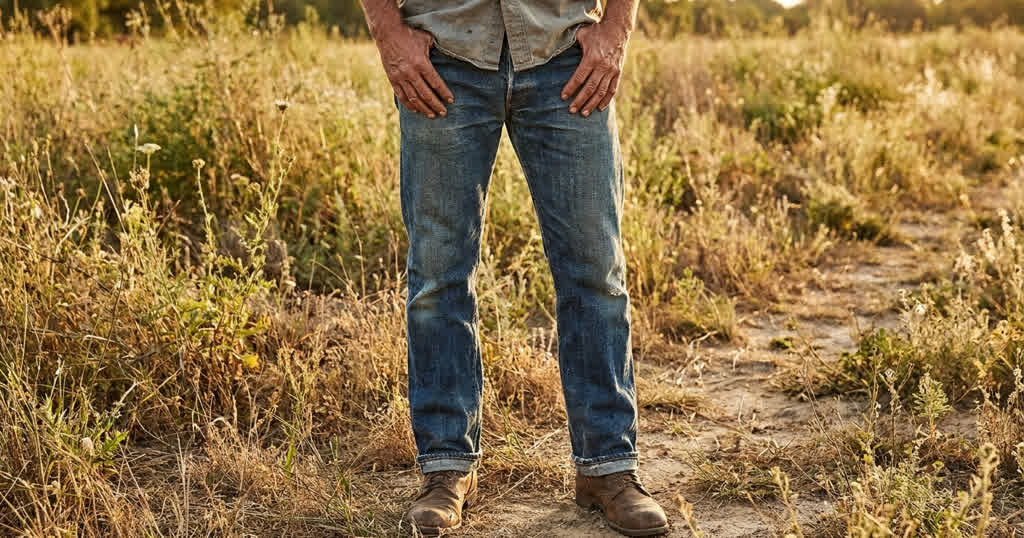
Khadi Jeans For Men: Styling Sustainable Denim

Menswear designers frequently struggle to source a sustainable denim that possesses authentic artisanal character without compromising the structural requirements of classic trousers. The shift away from water-intensive, conventional mill-made fabrics has brought khadi to the forefront of responsible textile sourcing. Originating as a symbol of self-reliance during the Swadeshi movement in India, this hand-spun and handwoven material offers a compelling alternative to synthetic blends.
The decision to integrate khadi jeans into a menswear collection directly impacts a brand's environmental footprint and market positioning. By utilizing a decentralized artisan supply chain, fashion houses can achieve a near zero-carbon footprint while securing a premium, ethically sourced product. This transition transforms a historically political textile into a modern sartorial statement, providing a rich traceability narrative for the end consumer.
The Anatomy of Khadi Jeans: Redefining Menswear Denim
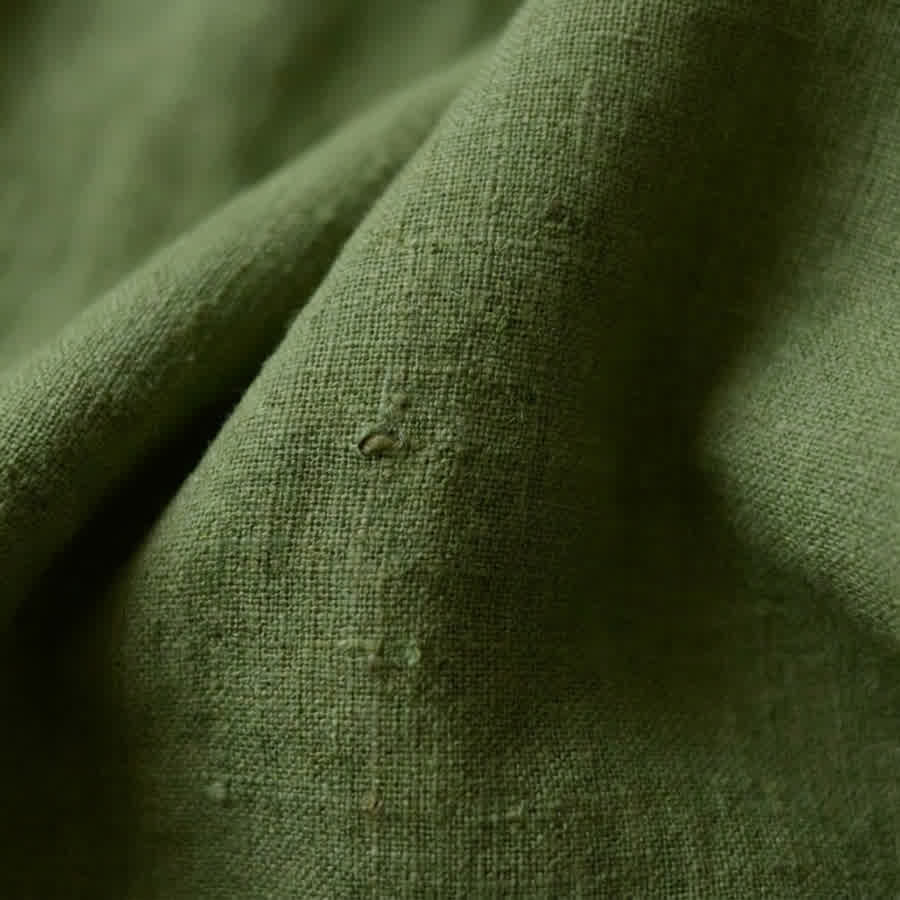
Khadi jeans redefine menswear by replacing heavy, synthetic-blended fabrics with a highly breathable, 250 to 350 GSM hand-spun cotton that offers superior thermoregulation and a distinct slub texture. This material science approach allows designers to construct durable trousers that remain comfortable across diverse climates, bridging the gap between heavy workwear and lightweight summer tailoring.
Material Science and GSM Specifications
Conventional denim often relies on tightly twisted yarns and heavy weights around 14 oz, which can restrict airflow and increase garment stiffness. In contrast, khadi denim typically ranges from 250 to 350 GSM, translating to approximately 7.5 to 10.5 oz. This specific weight provides the necessary structural integrity for men's trousers while remaining significantly lighter than standard mill-made options.
The secret to this comfort lies in the low-twist yarn used during the hand-spinning process. This unique spinning technique creates microscopic pockets within the cotton fabric, which trap air and provide natural thermoregulation. The resulting textile feels crisp yet breathable, adapting to the wearer's body temperature rather than trapping excess heat. For a B2B fashion brand, this means offering a year-round denim product that does not compromise on durability.
The Signature Slub and Selvedge Edge
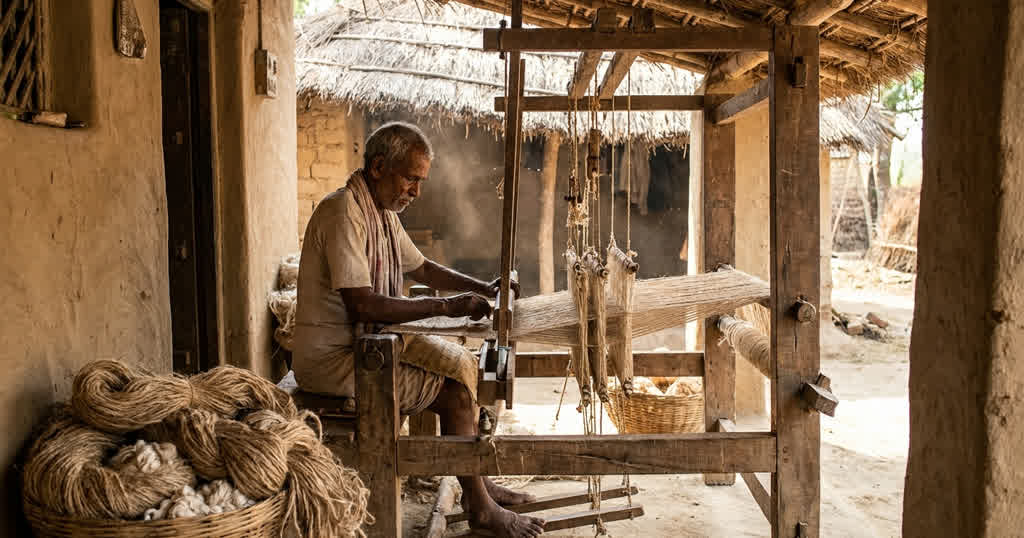
Beyond weight and breathability, the visual and tactile properties of khadi cotton set it apart on the cutting table. Woven on traditional pit or frame looms, the fabric develops an irregular slub texture that cannot be perfectly replicated by automated machinery. This organic variation gives each pair of jeans a unique visual fingerprint, appealing to consumers who value authentic craftsmanship.
The traditional weaving process also yields specific technical benefits for garment construction:
- True selvedge edge: The shuttle loom creates a closed, continuous edge that prevents fraying and adds premium appeal to the outseam.
- Enhanced drape: The handwoven structure allows the fabric to fall naturally, accommodating relaxed and straight-leg silhouettes.
- Superior dye uptake: The porous nature of the hand-spun yarn absorbs indigo deeply, resulting in rich, multidimensional color fading over time.
- Structural resilience: Despite the lower twist, the interlocking weave of the pit loom ensures the fabric withstands daily wear.
From Loom to Wardrobe: Sourcing Authentic Khadi Cotton
Sourcing authentic khadi cotton requires partnering with a decentralized artisan supply chain where rural Indian handloom weavers produce premium selvedge denim at scale for B2B buyers. This model bypasses centralized, energy-intensive factories in favor of community-based craftsmanship, offering a scalable solution for brands committed to ethical production.
Decentralized Production at Scale
Boutique denim sourcing managers often face challenges when trying to scale artisanal fabrics for seasonal collections. A decentralized artisan supply chain solves this by coordinating multiple weaving clusters across rural India. At Anuprerna, we currently work with dedicated weaving communities in regions like Murshidabad and Malda. Instead of relying on a single massive facility, production is distributed among skilled artisans operating traditional looms in their own villages.
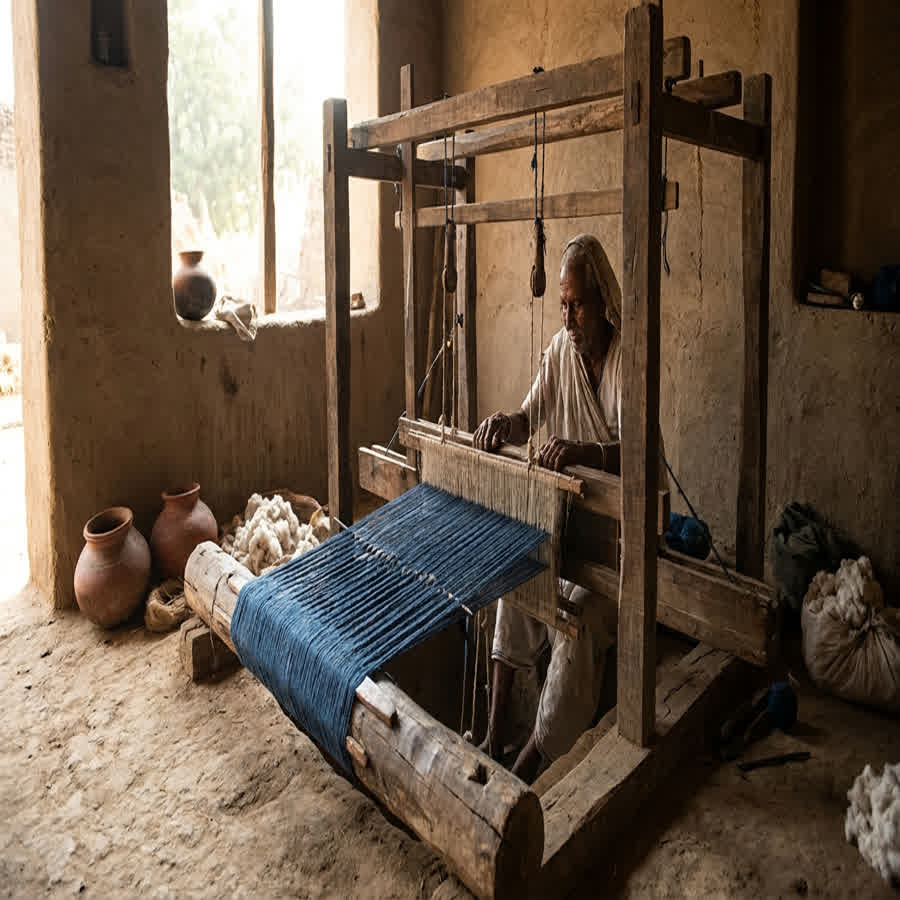
This distributed approach ensures a steady supply of khadi denim without compromising the integrity of the craft. Weavers apply generations of expertise to produce consistent yardage, carefully monitoring the tension of the warp and weft. By organizing these clusters efficiently, B2B buyers can secure the volume needed for wholesale distribution while maintaining the authentic artisanal character of the textile. It allows for flexible minimum order quantities that suit both independent designers and larger fashion houses.
Traceability and Ethical Sourcing
Modern fashion brands require strict transparency to back up their sustainability claims and satisfy increasingly stringent ESG requirements. Sourcing khadi jeans through a decentralized network provides a clear, verifiable path from the cotton farm to the finished fabric. Buyers can trace the origin of the hand-spun yarn directly back to the specific weaving cluster, providing a compelling narrative for the end consumer.
This level of traceability offers several distinct advantages for sourcing leads:
- Zero-carbon credentials: The reliance on human-powered spinning and weaving drastically reduces greenhouse gas emissions compared to automated mills.
- Fair wage verification: Direct partnerships with artisan clusters ensure equitable compensation and support rural economic development.
- Reduced water consumption: Handloom processes require a fraction of the water used in conventional textile manufacturing.
- Cultural preservation: Consistent B2B orders keep traditional weaving techniques alive for future generations.
Designing for the Conscious Consumer: Styling Khadi Jeans
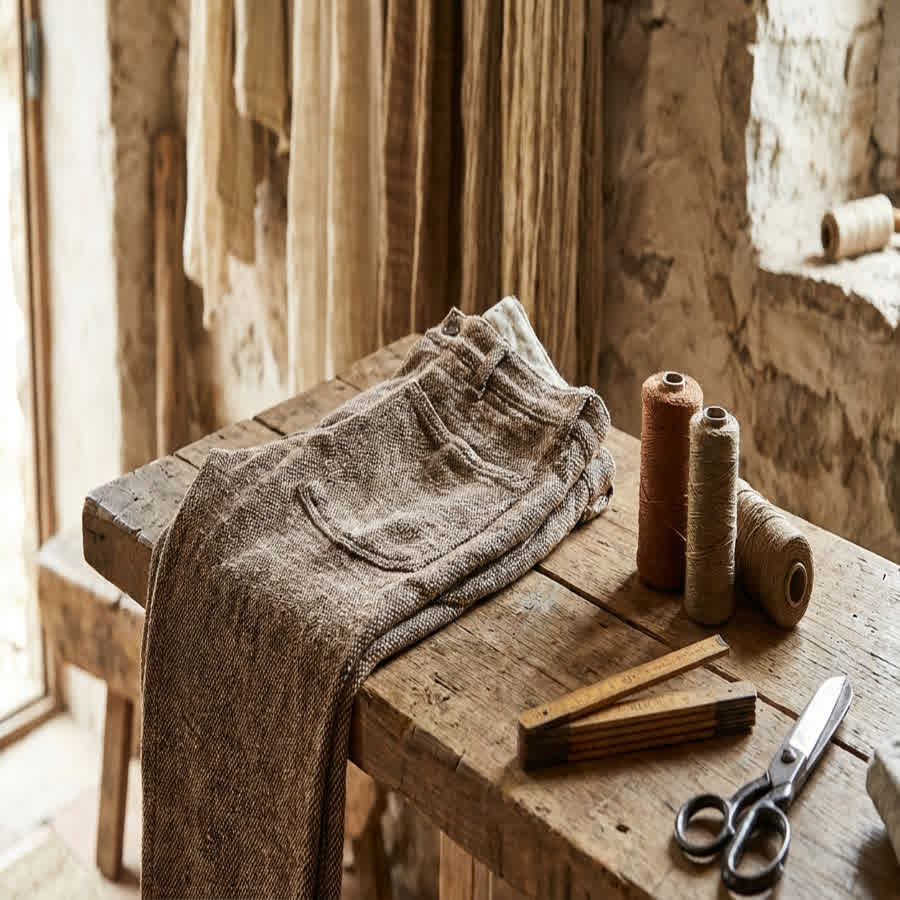
Styling khadi jeans for the conscious consumer involves utilizing the fabric's natural drape to construct relaxed, straight, and tailored menswear fits that prioritize both comfort and heritage aesthetics. Designers must account for the unique structural properties of handwoven denim to maximize its potential on the human form, ensuring the garment performs as well as it looks.
Tailoring and Fit Considerations
Because khadi cotton fabric features a slightly lower absolute tensile strength than tightly twisted synthetic blends, it behaves differently during pattern making. The fabric excels in relaxed and straight-fit styling, where the material has room to breathe and move with the wearer. Skinny or highly restrictive fits are generally avoided, as they place undue stress on the hand-spun yarn and detract from the fabric's natural comfort.
When developing tech packs for khadi jeans, designers should focus on construction details that complement the textile. Reinforcing stress points with bar tacks and utilizing flat-felled seams enhances the garment's longevity. The natural 3% to 5% shrinkage rate must also be factored into the initial block patterns to ensure accurate sizing post-wash. Proper seam allowances are critical to prevent the looser weave from pulling apart under tension.
Merging Heritage with Modern Workwear
The aesthetic appeal of khadi denim lies in its fusion of heritage Indian craftsmanship with iconic Western workwear silhouettes. The irregular slub texture provides a rugged, tactile surface that aligns perfectly with the utilitarian roots of classic jeans. This combination allows brands to market a product that feels historically significant yet entirely contemporary for the modern wardrobe.
To highlight the premium nature of the fabric, designers often incorporate specific styling elements:
- Exposed selvedge outseams: Rolling the cuff to reveal the continuous woven edge signals high-quality, traditional manufacturing.
- Minimalist hardware: Using unbranded, raw brass or copper rivets keeps the focus on the rich texture of the cotton fabric.
- Contrast stitching: Heavy-duty thread in earthy tones accentuates the artisanal construction and frames the natural drape of the trousers.
- Unlined waistbands: Allowing the interior of the fabric to rest directly against the skin maximizes the thermoregulating benefits of the low-twist yarn.
Natural Indigo & Khadi: A Zero-Carbon Denim Blueprint
Combining hand-spun khadi fabric with natural botanical indigo dyeing creates a zero-carbon denim blueprint that significantly reduces water consumption and eliminates toxic chemical runoff. This synergy between material and dye offers a highly marketable sustainability narrative for B2B fashion brands looking to differentiate themselves in a crowded menswear market.
The Botanical Dyeing Process
Conventional denim production is notorious for its heavy reliance on synthetic indigo and toxic reducing agents, which frequently pollute local waterways. Transitioning to natural botanical indigo extracted from the Indigofera tinctoria plant provides a clean, biodegradable alternative. When applied to khadi cotton, the dye penetrates the low-twist yarns exceptionally well, creating a bond that synthetic fabrics struggle to achieve.
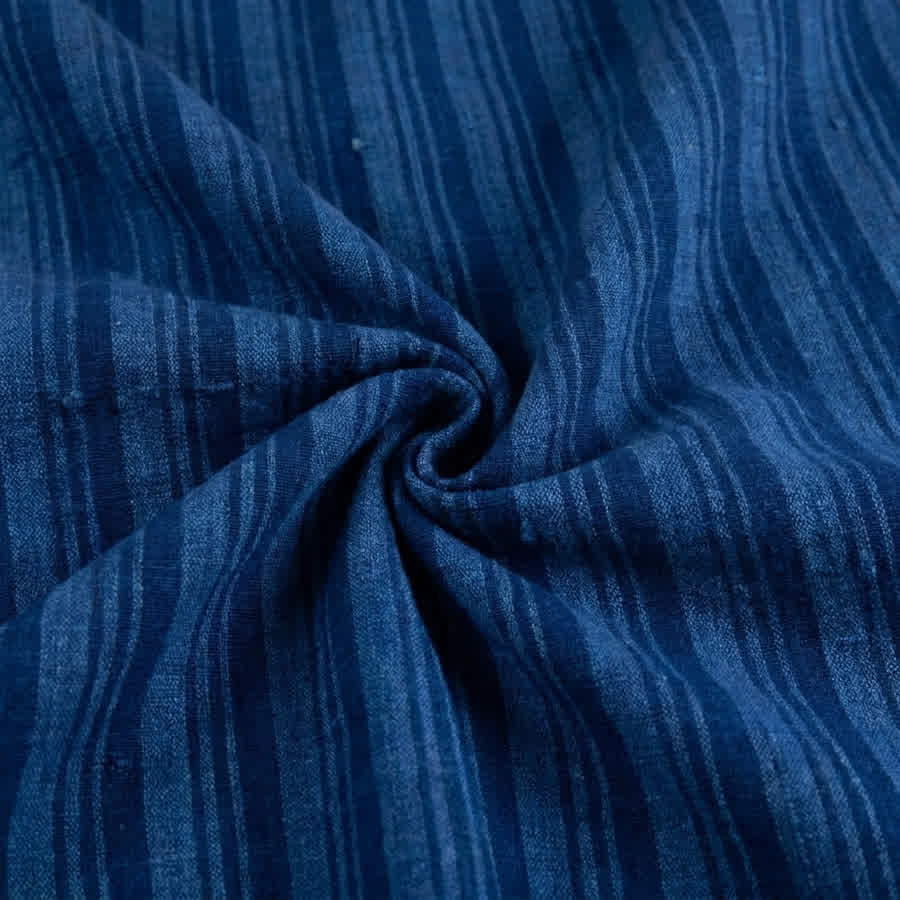
The dyeing process is typically executed in small, controlled vats by skilled artisans who understand the delicate balance of oxidation. The porous hand-spun yarn absorbs the indigo pigment deeply, resulting in a rich, saturated blue that fades beautifully over time. This slow, deliberate method ensures that the final khadi jeans develop a personalized patina, highly sought after by denim enthusiasts who value garments that age gracefully.
Environmental Metrics for B2B Brands
For ESG leads and sourcing managers, the combination of handloom weaving and natural dyeing translates into compelling environmental metrics. The near zero-carbon footprint of the production cycle is a powerful asset for brands looking to meet strict sustainability targets. By eliminating energy-intensive machinery and synthetic chemicals, the ecological impact is minimized at every stage of the supply chain.
The measurable benefits of this zero-carbon blueprint include:
- Elimination of toxic runoff: Botanical dyes and natural mordants ensure that wastewater remains safe for local ecosystems and farming communities.
- Energy conservation: The entirely human-powered spinning and weaving processes bypass the fossil fuel consumption of standard commercial mills.
- Biodegradability: A garment made entirely of khadi cotton and natural dyes can safely return to the earth at the end of its lifecycle.
- Soil health support: Cultivating natural indigo often acts as a nitrogen-fixing cover crop, improving agricultural land between primary harvests.
frequently asked questions
What is the ideal GSM for manufacturing men's khadi jeans?
For men's khadi jeans, a GSM of 250 to 350 (roughly 7.5 to 10.5 oz) is ideal. This weight provides the necessary durability for trousers while maintaining the exceptional breathability and thermoregulation inherent to hand-spun khadi cotton.
How does khadi cotton fabric behave regarding shrinkage in denim applications?
Because khadi is a hand-spun and handwoven cotton fabric, it typically experiences a natural shrinkage rate of 3% to 5%. B2B buyers should account for this in their tech packs by incorporating pre-washing or sanforizing processes during garment manufacturing.
Can khadi denim be woven with a true selvedge edge?
Yes, khadi denim is woven on traditional shuttle looms by rural artisans, which naturally creates a closed, continuous edge known as selvedge. This edge is highly prized in the premium menswear market for its durability and aesthetic appeal.
How does the tensile strength of khadi jeans compare to conventional denim?
Khadi utilizes low-twist, hand-spun yarn, which gives it a slightly lower absolute tensile strength than tightly twisted, mill-made synthetic blends. However, its structural integrity is excellent for relaxed and straight-fit styling, offering superior comfort and a break-in period that molds uniquely to the wearer.
How does the cost of sourcing khadi denim compare to conventional mill-made denim?
Sourcing khadi denim typically commands a premium over conventional mill-made denim due to the labor-intensive hand-spinning and handweaving processes. This initial investment translates into a high-value, ethically sourced product that allows brands to achieve stronger retail margins in the premium sustainable menswear market.
More Blogs
eco-friendly trims: sourcing sustainable fashion accessories
how to choose the right fabric wholesaler for your brand
what to look for in a silk manufacturer before you source
how does sustainable sourcing affect clothing quality?

what is a sustainable designer? roles, responsibilities, and impact
how celebrity endorsements are shaping the future of sustainable textiles