How Celebrity Endorsements are Shaping the Future of Sustainable Textiles

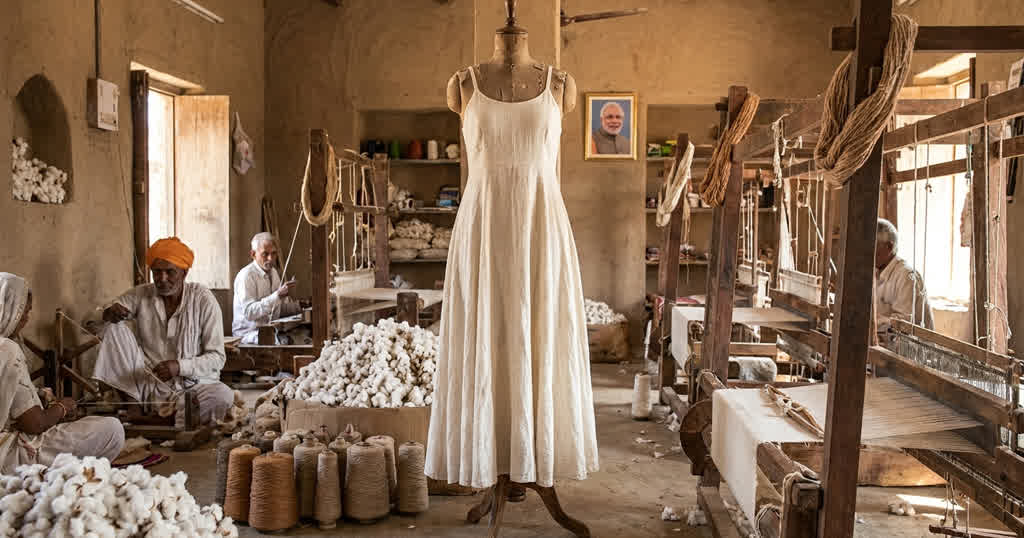
A high-profile actor steps onto a global red carpet wearing a custom gown woven entirely from hand-spun indigenous cotton, and within weeks, sourcing desks receive urgent requests for identical zero-impact fabrics. This direct celebrity impact on sustainable fashion has shifted the sourcing requirements for independent designers and luxury houses alike. The demand is no longer just about the visual drape of the garment, but the verifiable origin of the raw bast fibres and the ethical treatment of the weavers.
Designers now face the challenge of securing authentic handloom textiles that can withstand the intense scrutiny of a highly publicized eco-conscious campaign. Sourcing teams must secure traceable artisan supply chains that deliver exact specifications, from AZO-free natural dye affinities to precise GSM weights, without falling into the trap of greenwashing. The pressure to match a cultural icon's sustainability claims requires a fundamental restructuring of how raw material procurement is handled at the cluster level.
Decoding the Celebrity Impact on Sustainable Fashion: From Red Carpet to Loom
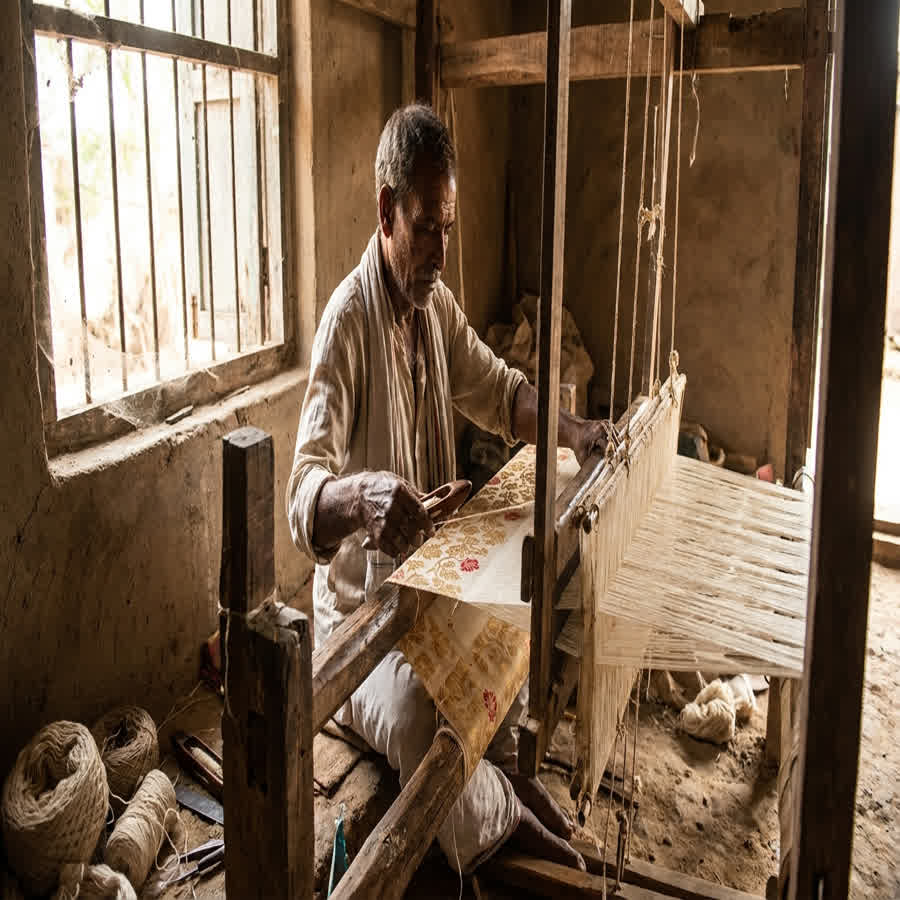
High-profile endorsements translate into measurable B2B demand by forcing fashion houses to overhaul their sourcing protocols to secure verifiable, zero-impact handwoven textiles. The celebrity impact on sustainable fashion dictates that a brand's supply chain must be as transparent as the public claims made by the cultural icons wearing their garments.
The Shift from Aesthetics to Traceability
When a global icon champions traditional handloom techniques like Jamdani, the resulting consumer surge requires designers to prove the exact origin of their materials. Buyers can no longer rely on opaque wholesale markets; they need direct access to rural Indian handloom weavers who can provide a documented chain of custody. This shift means sourcing managers must prioritize cluster-specific procurement over generic fabric purchasing.
To meet these strict transparency requirements, brands are evaluating suppliers based on specific ethical production metrics. The focus has moved toward securing decentralized artisan networks that can verify fair wages and low environmental impact. Key requirements for these high-stakes collections include:
- Verifiable origin data tracing the yarn back to specific farming regions.
- Zero-waste credentials demonstrating minimal environmental footprint during the weaving process.
- Direct artisan engagement ensuring the weavers receive equitable compensation for their craft.
Translating Red Carpet Trends to Loom Production
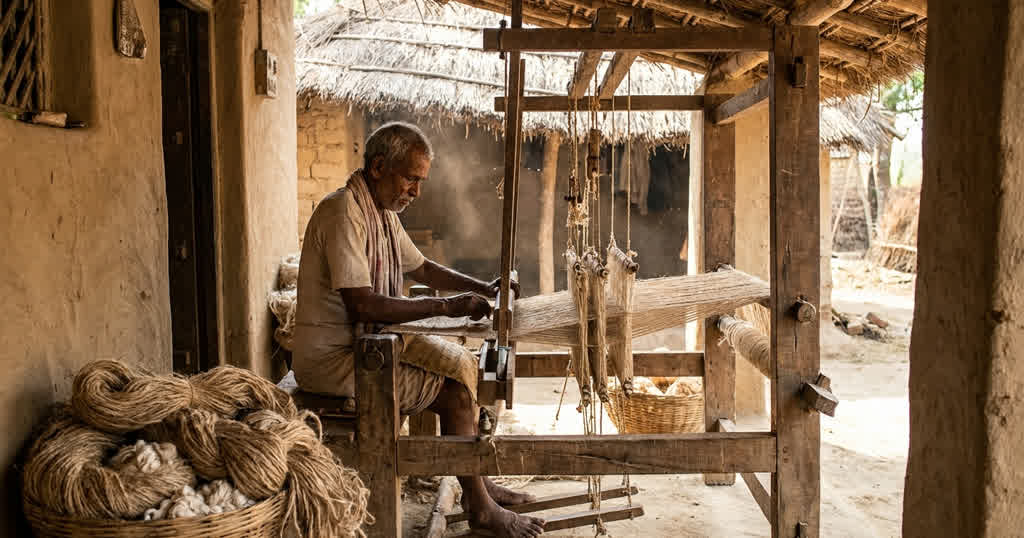
The sudden visibility of indigenous Indian textiles on global stages creates immediate pressure on production timelines. A designer tasked with creating a sustainable capsule collection needs reliable access to custom hand-spun yarns that match the exact specifications seen in celebrity campaigns. This requires a deep understanding of how traditional weaving clusters operate in regions like Murshidabad and Malda.
We see designers increasingly requesting heritage weaving techniques that bridge ancient rural craftsmanship with high-end global fashion. The challenge lies in adapting these slow-craft methodologies to meet the rigorous quality control standards of luxury fashion. By partnering with a transparent supply chain, brands can secure the necessary fabric yardage while maintaining the integrity of the artisan's original work.
The Material Science of Star-Approved Textiles: Khadi and Ahimsa Silk
The fabrics most frequently requested by celebrity stylists rely on specific material properties, namely the high breathability of fine count Khadi cotton and the cruelty-free production of Ahimsa silk. These star-approved textiles provide the exact structural integrity and soft, tactile hand-feel required for high-end garment construction.
Engineering Breathability with Fine Khadi
Luxury eco-designers consistently specify 60-80 GSM fine Khadi cotton for its exceptional drape and climate-responsive properties. Because the yarn is hand-spun, the inherent fibre twist remains loose, allowing air to circulate more freely than in tightly machine-spun alternatives. This unique yarn architecture ensures the fabric remains breathable under heavy studio lighting, making it a staple for camera-ready finishes.
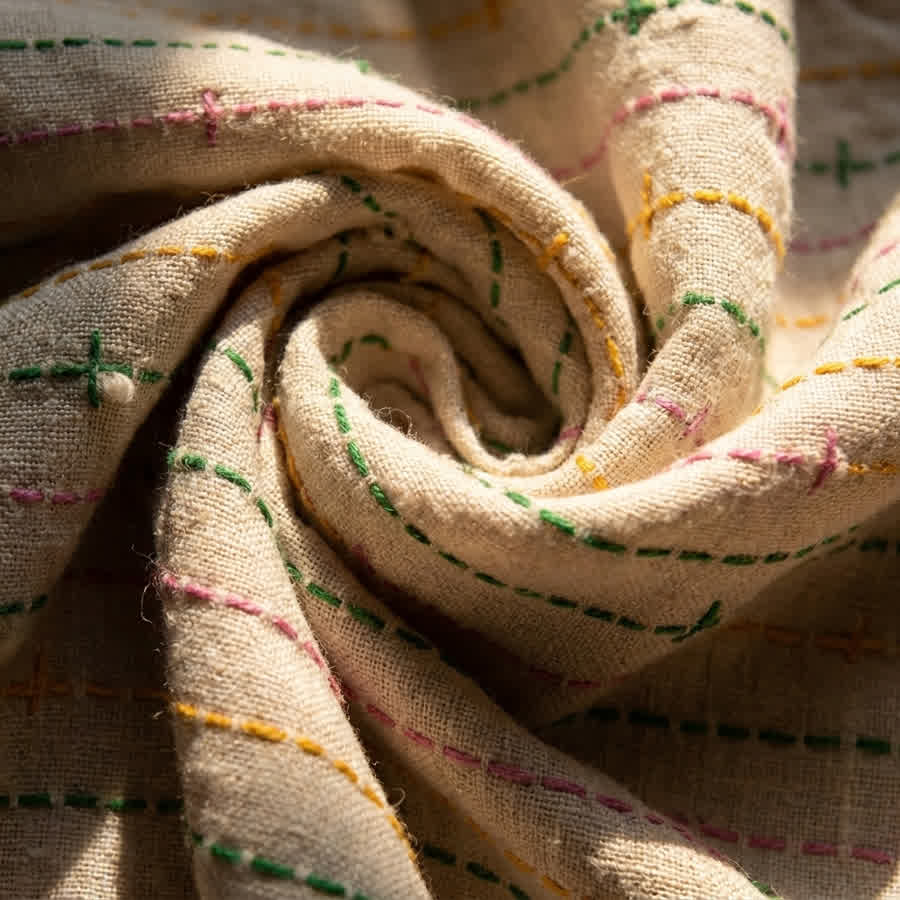
The natural absorbency of this handwoven cotton fabric also makes it an ideal candidate for complex dyeing processes. Designers rely on its AZO-free natural dye affinities to achieve deep, saturated colours without compromising skin safety. The technical benefits of sourcing this specific heritage cotton include:
- High dye uptake resulting in vibrant, long-lasting colour retention.
- Thermal regulation provided by the irregular, hand-spun yarn structure.
- Zero-carbon footprint achieved through entirely manual spinning and weaving processes.
The Drape and Sheen of Ahimsa Silk
For red-carpet gowns and structured evening wear, 40-60 GSM Ahimsa Silk offers an distinctive combination of ethical production and luxury aesthetics. Also known as Peace Silk, this material is processed without boiling the silkworm, which alters the sericin retention of the final fibre. This non-violent extraction method yields a slightly heavier, more textured yarn that possesses a distinct matte sheen.
The resulting high-drape silk fabric holds complex pleats and structural folds far better than conventional slippery silks. Sourcing teams value this cruelty-free silk because it directly aligns with the strict animal welfare standards demanded by high-profile clients. By specifying exact GSM weight requirements, designers can ensure the fabric performs predictably during the rigorous draping and pattern-making phases.
Authenticity as Currency: Why Decentralized Artisan Supply Chains Matter
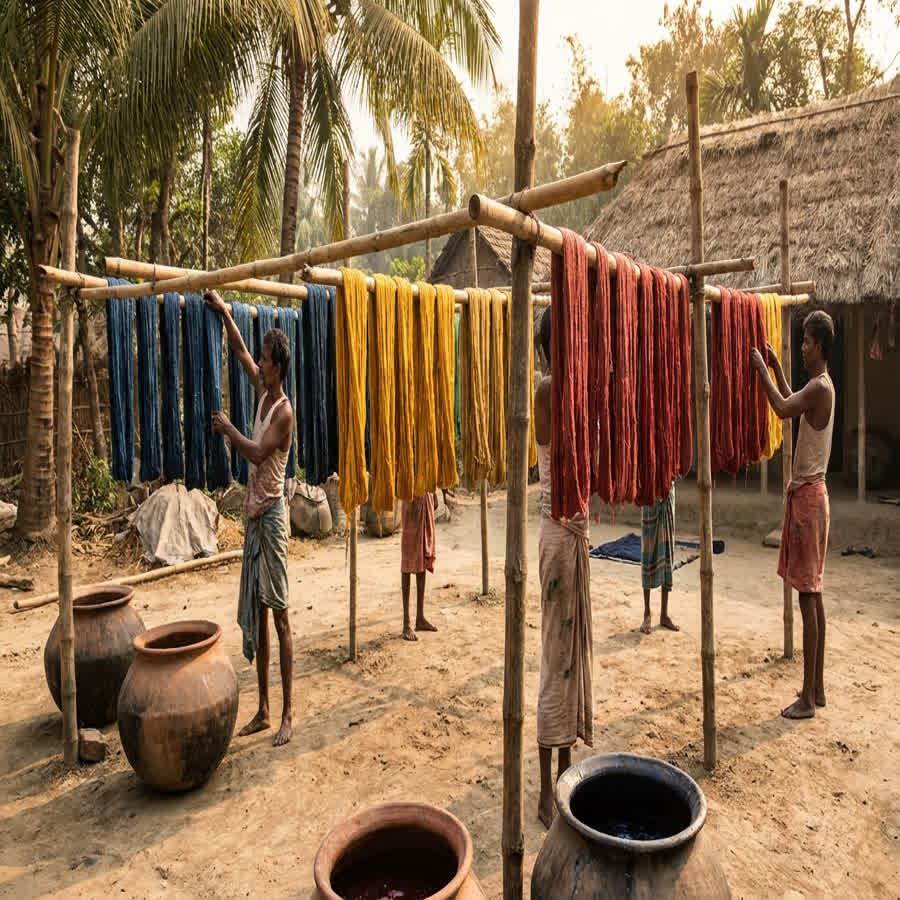
Decentralized artisan supply chains provide the verifiable ethical backstory that celebrity-backed brands require to substantiate their sustainability claims and avoid accusations of greenwashing. The celebrity impact on sustainable fashion means that a single undocumented sourcing step can dismantle a brand's entire public narrative.
Mitigating Greenwashing Risks
When a luxury house claims their collection supports rural artisan livelihoods, they must possess the data to prove it. A decentralized weaving network allows buyers to trace every metre of fabric back to the specific loom and weaver involved in its creation. This level of granular supply chain visibility is no longer optional; it is a strict requirement for brands dressing highly scrutinized public figures.
Relying on traditional wholesale intermediaries often strips the textile of its origin data, leaving designers vulnerable to false sustainability claims. By working directly with artisan handloom clusters, brands secure the exact documentation needed for their marketing and ESG reporting. A reliable ethical sourcing partner will provide specific data points, such as:
- Weaver identification linking the finished yardage to the specific artisan.
- Wage verification ensuring fair compensation above regional standards.
- Environmental impact metrics detailing water usage and dye safety protocols.
The Mechanics of Cluster-Specific Sourcing
At Anuprerna, we currently work with specialized weaving communities across Bengal, connecting designers directly to indigenous craft techniques. This cluster-specific sourcing model ensures that the unique regional characteristics of fabrics like Jamdani are preserved and authenticated. Buyers receive textiles that carry the distinct crisp, dry hand-feel unique to their specific geographic origin.
This direct connection also allows for precise custom fabric development tailored to a designer's exact specifications. Sourcing managers can adjust the warp and weft counts directly with the master weavers, ensuring the final textile meets the structural demands of high fashion. This collaborative approach transforms raw material procurement from a transactional purchase into a verifiable partnership.
Scaling Artisan Craft: Meeting Trend-Driven Demand Without Compromising Ethics
B2B buyers can manage sudden trend-driven demand by forecasting longer lead times and securing low Minimum Order Quantities (MOQs) through structured partnerships with decentralized weaving networks. The celebrity impact on sustainable fashion often causes rapid spikes in consumer interest, requiring brands to scale their artisan fabric procurement strategically.
Managing Lead Times for Handwoven Textiles
Because authentic heritage handloom fabrics are created entirely by human hands, they cannot be rushed by simply increasing machine speeds. Sourcing managers must adjust their production calendars to accommodate the inherent slow-craft timelines of manual spinning, dyeing, and weaving. A standard production run for a complex Jamdani weave requires careful planning to align with seasonal fashion week schedules.
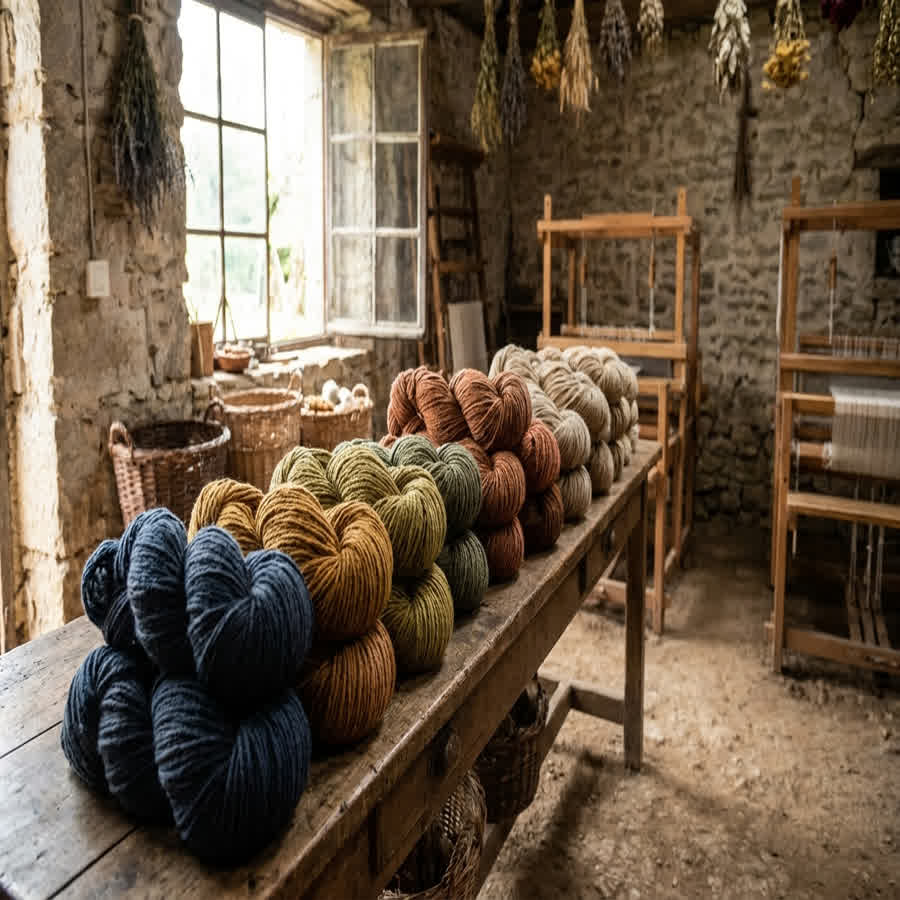
To prevent production bottlenecks, designers should initiate their custom fabric orders well in advance of their cutting dates. Working with a transparent artisan network allows buyers to receive accurate, realistic delivery schedules based on the actual capacity of the village clusters. Effective strategies for managing these manual production cycles include:
- Phased delivery schedules to receive fabric in manageable batches.
- Early yarn procurement to secure raw materials before weaving begins.
- Buffer inventory planning to absorb slight variations in hand-weaving speeds.
Manage MOQs in Slow Fashion
Independent designers often struggle to meet the massive volume requirements demanded by conventional industrial textile mills. A decentralized supply chain solves this by offering highly flexible, low MOQ sourcing options that cater to boutique capsule collections. This flexibility allows brands to test new natural dye affinities or experimental weaves without committing to thousands of metres of fabric.
By ordering only what is strictly necessary, brands maintain their zero-waste credentials and avoid the financial burden of deadstock inventory. This precise batch-specific production ensures that every metre woven is intentionally designed for a specific garment. This scalable approach allows fashion houses to respond to eco-fashion trends while maintaining absolute respect for the artisan's time and labour.
frequently asked questions
How does the celebrity impact on sustainable fashion affect B2B textile sourcing lead times?
Celebrity endorsements often create sudden spikes in demand that require B2B buyers to account for 60-90 day lead times. Because authentic **handloom textiles** like Jamdani or Khadi require manual weaving, production cannot be artificially sped up by machines. Buyers must partner with **decentralized networks** like Anuprerna to ensure scalable, ethical production that respects the artisan's natural working pace.
Which sustainable Indian handloom fabrics are most requested by high-end eco-fashion brands?
Brands frequently request **Ahimsa (Peace) Silk** (40-60 GSM) for its cruelty-free sheen and **fine count Khadi cotton** (60-80 GSM) for its breathability and zero-carbon footprint. These specific **star-approved textiles** are highly favoured in celebrity eco-collections because they offer exceptional drape while meeting strict environmental and ethical standards.
How can brands verify the authenticity of the artisan fabrics they source for high-profile collections?
Brands should source through **transparent supply chains** that provide traceability down to the specific weaver cluster. Anuprerna offers **cluster-specific sourcing**, ensuring fabrics are handwoven by rural Indian artisans. This direct connection provides the verifiable impact data and **ethical labour documentation** required to back up public sustainability claims.
What is the difference between conventional silk and Ahimsa silk for luxury garment construction?
Ahimsa silk is processed without boiling the silkworm, resulting in higher **sericin retention** that yields a heavier, more textured yarn with a distinct *matte sheen*. Conventional silk uses violent extraction methods to create a highly slippery, uniform fibre. Designers prefer **cruelty-free Ahimsa silk** for structured evening wear because its unique texture holds complex pleats and folds more effectively.
Why is fine count Khadi cotton preferred for complex natural dyeing processes?
Fine count Khadi cotton possesses a loose **inherent fibre twist** that allows natural dyes to penetrate the yarn more deeply and evenly. This hand-spun **heritage cotton** exhibits excellent **AZO-free natural dye affinities**, resulting in highly saturated, long-lasting colours. The natural absorbency of the fibre ensures the fabric remains skin-safe and vibrant under harsh studio lighting.
More Blogs

khadi jeans for men: styling sustainable denim
eco-friendly trims: sourcing sustainable fashion accessories
how to choose the right fabric wholesaler for your brand
what to look for in a silk manufacturer before you source
how does sustainable sourcing affect clothing quality?

what is a sustainable designer? roles, responsibilities, and impact