Navigating Fabrics Wholesale: A Comprehensive Guide to MOQs and Sampling Protocols for Sustainable Brands

For any fashion entrepreneur or established garment brand, the transition from a design concept to a physical collection hinges on one critical bridge: sourcing. Navigating the world of fabrics wholesale can often feel like a complex maze of technical jargon, varying lead times and the ever-daunting "Minimum Order Quantity" or MOQ. In the sustainable textile sector, where craftsmanship and ethical production take center stage, understanding these protocols is even more vital.
The challenge most brands face is balancing the desire for high-quality, artisanal textiles with the logistical realities of wholesale production. Whether you are looking for handwoven Khadi, organic cotton, or luxurious Peace Silk, the way you approach the fabric sampling process and negotiate your wholesale fabric MOQ will determine the scalability and profitability of your brand.
In this comprehensive guide, we will demystify the wholesale landscape. We will explore how to manage small batch wholesale fabrics without compromising on quality, how to navigate the sampling phase to avoid costly production errors, and why the Indian handloom sector offers a unique advantage for brands seeking sustainable growth. By the end of this article, you will have a strategic roadmap for sourcing textiles that align with both your creative vision and your business goals.
Decoding the World of Fabrics Wholesale: The Basics of Sustainable Sourcing
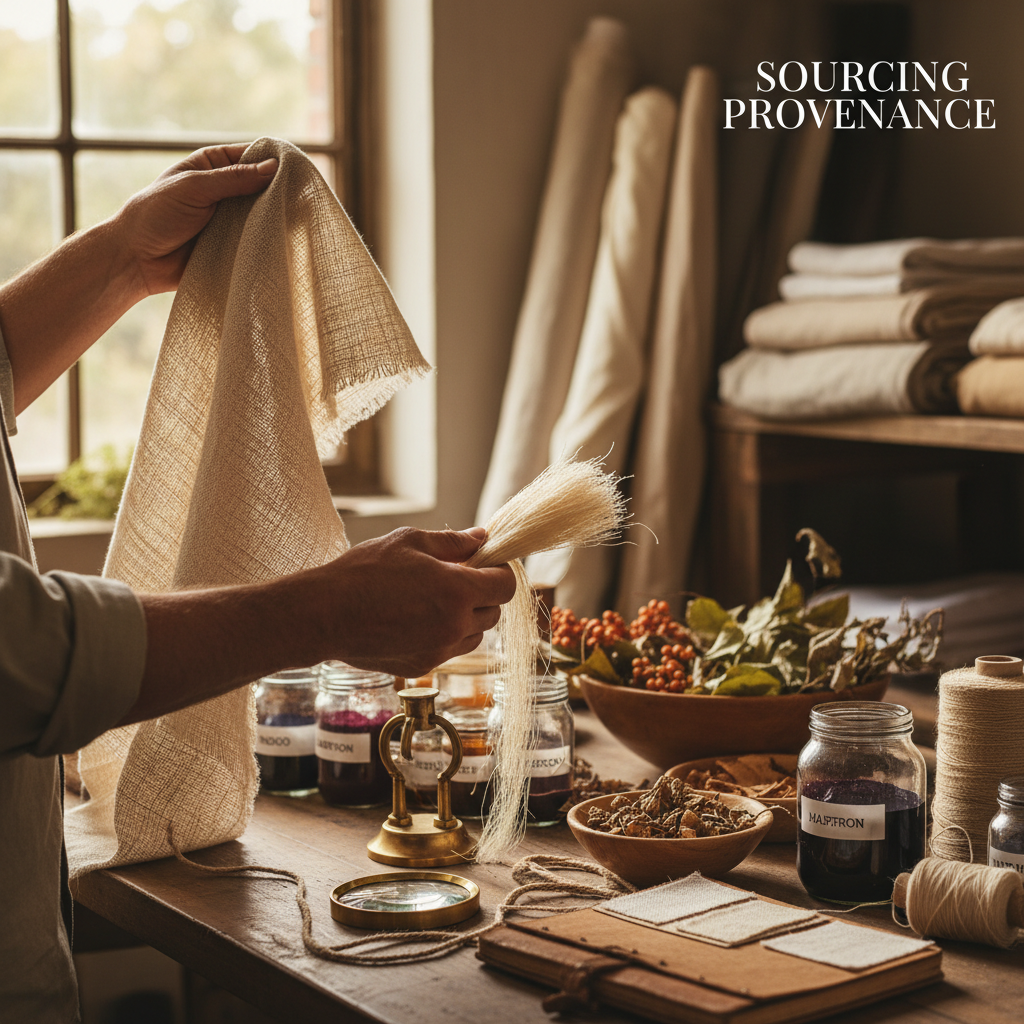
The term fabrics wholesale often conjures images of massive warehouses filled with synthetic rolls of fabric. However, at Anuprerna, we redefine this by focusing on the intersection of traditional craftsmanship and B2B efficiency. Wholesale sourcing in the sustainable space is less about "buying in bulk" and more about "partnering for production."
When a brand enters the wholesale market, they are moving away from retail "off-the-shelf" purchasing toward a structured supply chain. This shift requires a deeper understanding of how textiles are made. For instance, handwoven fabrics produced by artisan clusters in East India don't follow the same logic as powerloom fabrics produced in massive industrial mills.
The Shift to Sustainable Wholesale
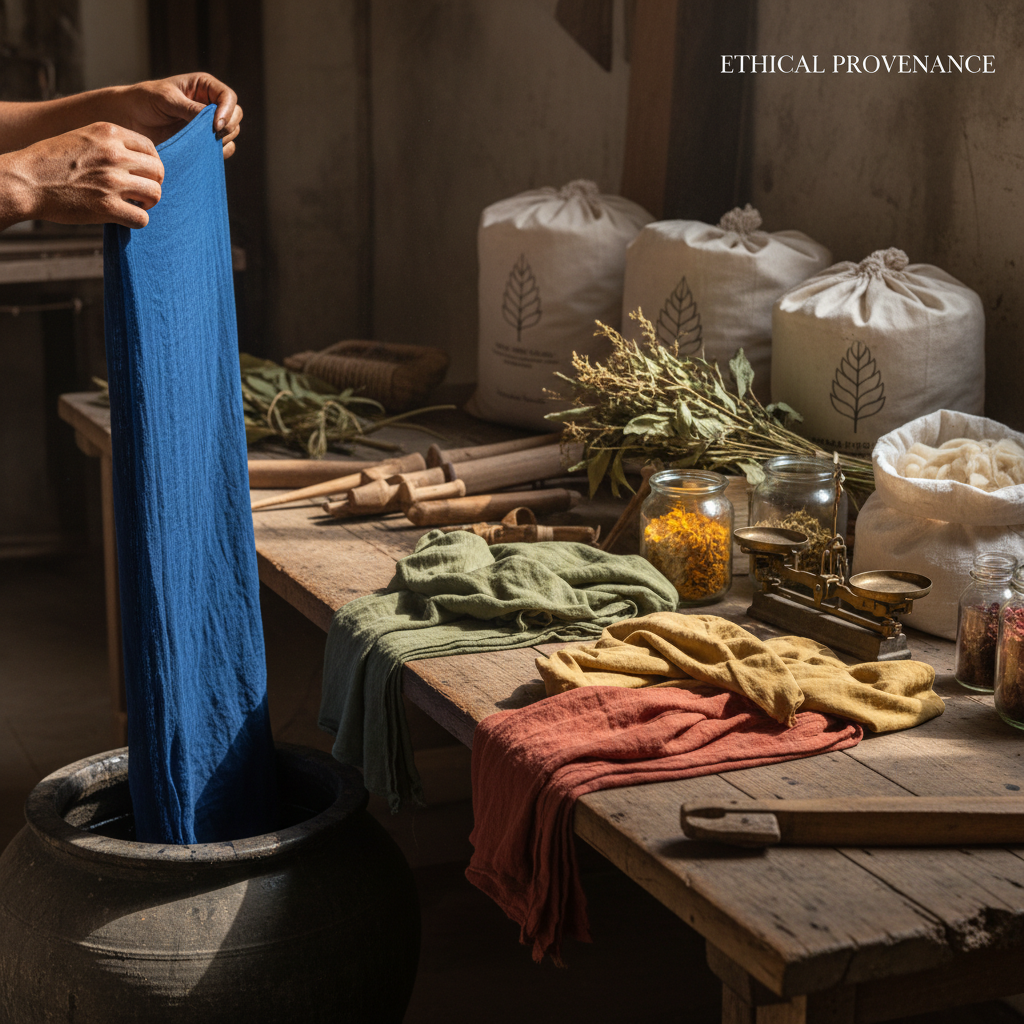
Modern consumers are demanding transparency. This has pushed brands to seek fabrics wholesale partners who can provide certifications, ethical labor proof, and eco-friendly footprints. Sourcing wholesale from India provides a unique opportunity to access heritage crafts like Jamdani or Eri Silk at a scale that supports a growing business while maintaining a low environmental impact.
To succeed, brands must move beyond price-per-meter comparisons and look at the "Value-to-Impact" ratio. This involves understanding the strategic guide to sourcing fabrics wholesale in India, which emphasizes the importance of long-term artisan partnerships over transactional buying.
Understanding Wholesale Fabric MOQ: Why It Exists and How to Navigate It
The wholesale fabric MOQ (Minimum Order Quantity) is perhaps the most misunderstood aspect of textile sourcing. Many emerging designers view it as a barrier, but from a manufacturer’s perspective, it is a logistical necessity to ensure production viability.
Why Do Manufacturers Set MOQs?
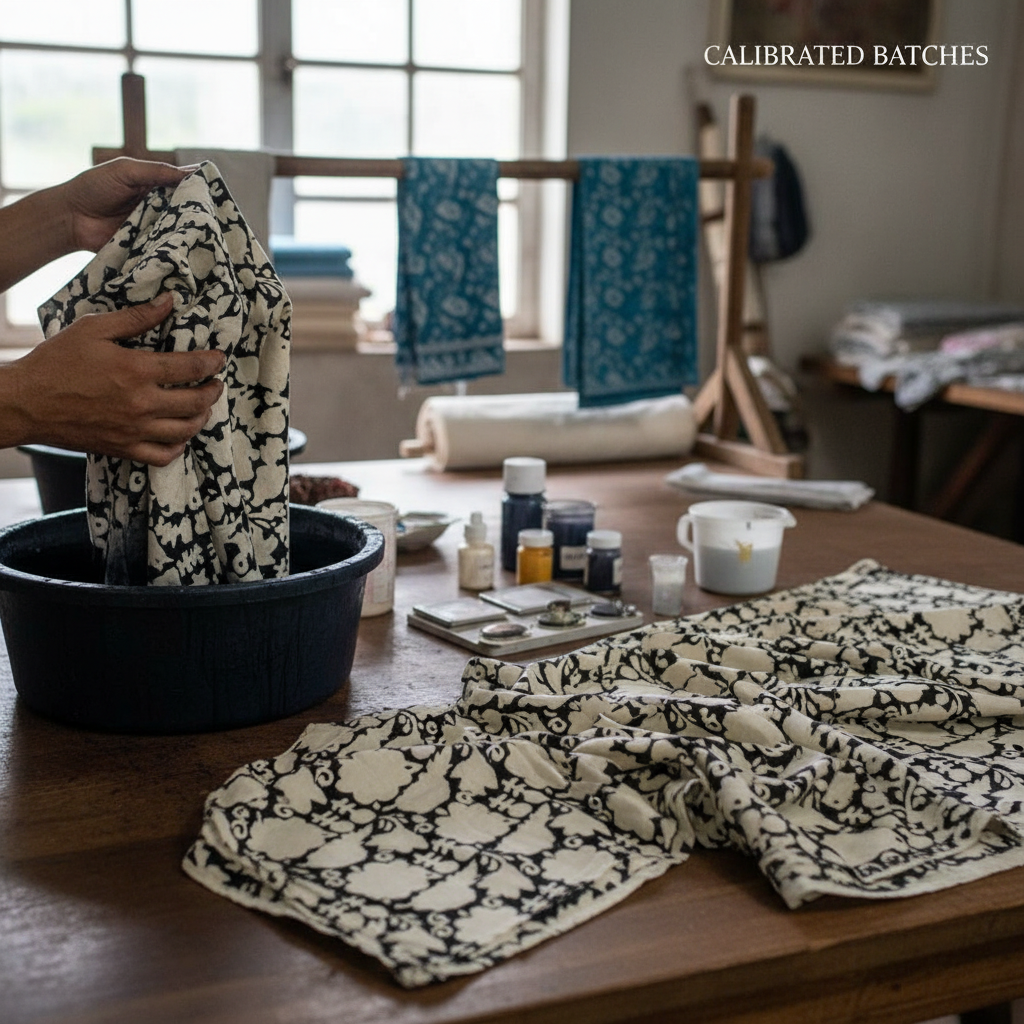
In the world of sustainable, handwoven textiles, the MOQ is often tied to the "loom setup" or the "dyeing vat."
- Loom Preparation (Warping): Setting up a handloom involves manually stretching thousands of threads. This process can take days. It is not economically feasible for an artisan to set up a loom for just 5 or 10 meters.
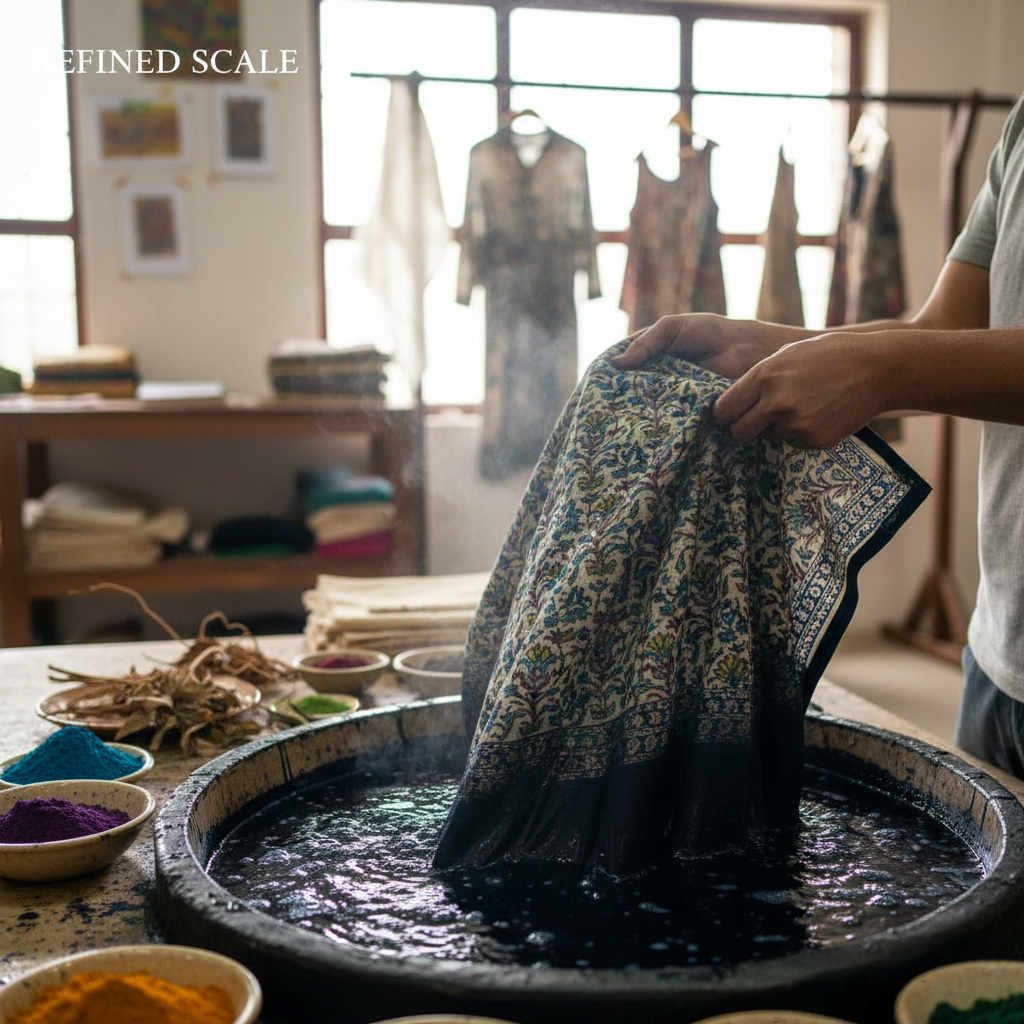
- Dyeing Batches: Natural and azo-free dyes are prepared in specific quantities. To ensure color consistency across a collection, a minimum volume of fabric must be dyed at once.
- Operational Costs: Managing a wholesale order involves administrative work, quality checks and logistics that are only sustainable when a certain volume is reached.
Navigating MOQs for Different Fabrics
MOQs can vary significantly based on the technique:
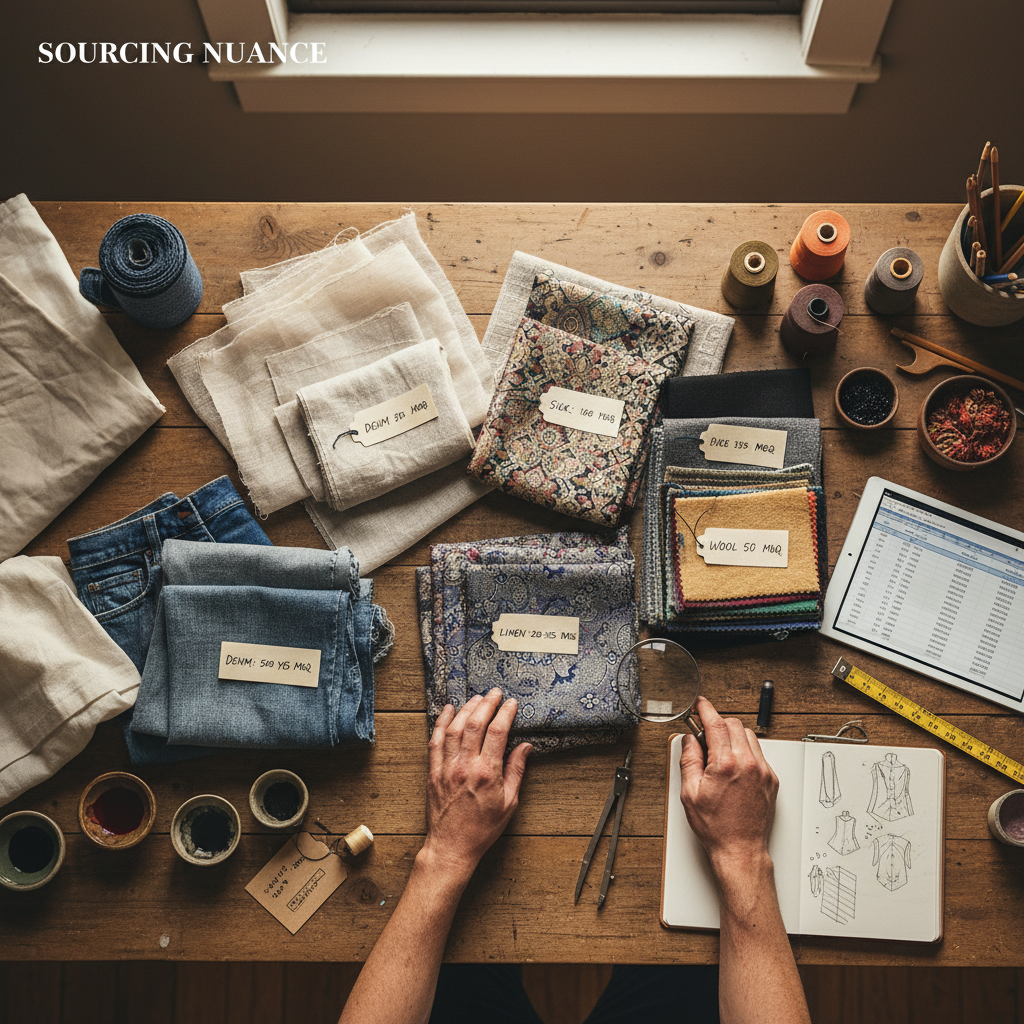
- Handwoven Cotton/Khadi: Often ranges from 50 to 100 meters.
- Specialty Silks (Eri, Mulberry): May have lower MOQs (20-30 meters) due to the high value of the raw material.
- Custom Prints/Embroidery: Usually require higher MOQs to cover the cost of blocks or screens.
For brands that aren't ready for 500-meter rolls, seeking out small batch wholesale fabrics is the key. At Anuprerna, we work closely with our artisan clusters to offer flexible MOQs that support both the weaver's livelihood and the brand's growth.
The Fabric Sampling Process: Bridging the Gap Between Design and Production
Fabric sampling process
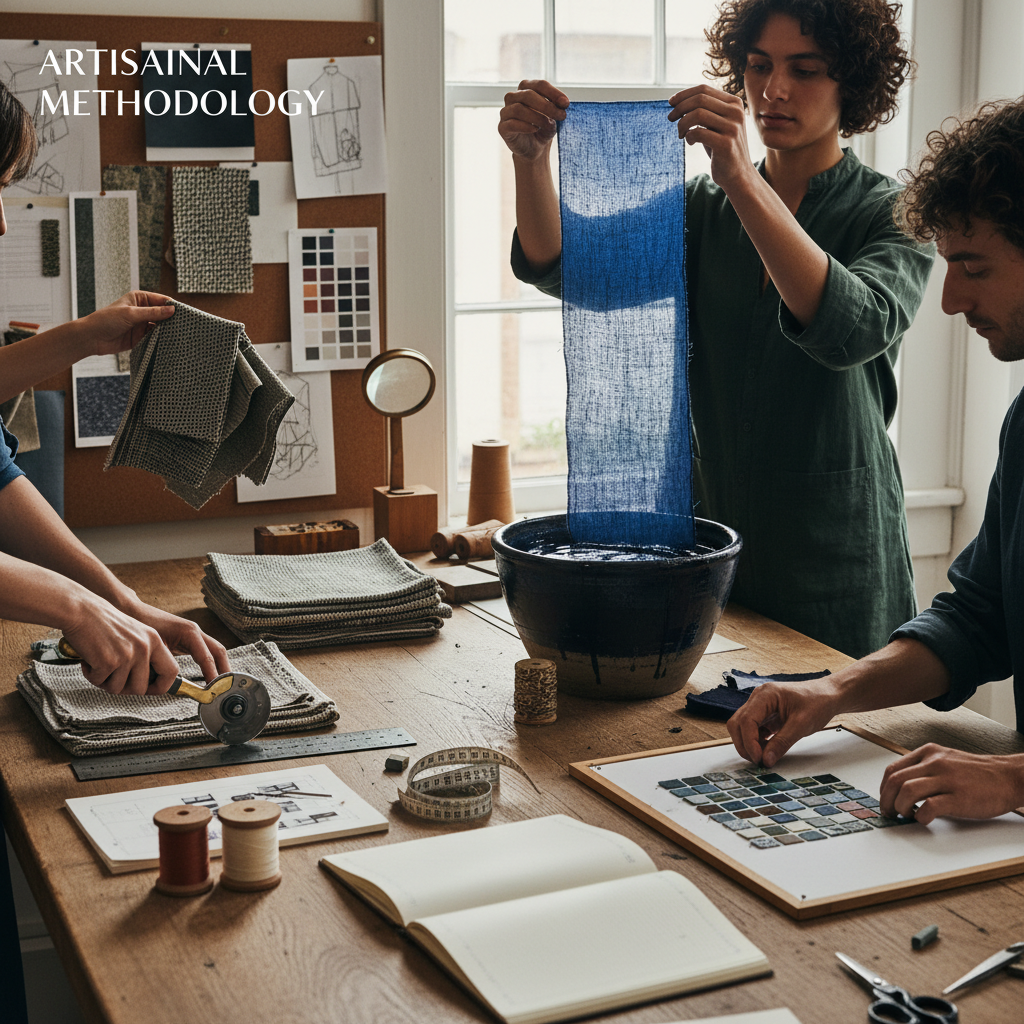
Before committing to a bulk order, the fabric sampling process is your most critical safeguard. Sampling allows you to test the drape, handle, colorfastness and shrinkage of a textile. Skipping this step is one of the primary reasons why fabric wholesale orders fail after sampling.
Step 1: Swatch Selection (The Header)
The process begins with "headers" or small swatches (usually 10x10 cm or A4 size). These are used to confirm the look and feel of the fabric. At this stage, you are evaluating the aesthetic and basic texture.
Step 2: Sample Yardage
Once the swatch is approved, the brand should request sample yardage (typically 3-5 meters). This is used to create "proto-samples" or "fit samples." It is vital to see how the fabric behaves when cut and sewn. Does it fray? Does it require lining? How does it react to steam pressing?
Step 3: Salesman Samples (SMS)
For larger brands, the sampling process extends to SMS. These are full garments used for trade shows or photoshoots to secure pre-orders. Success at this stage depends on the manufacturer’s ability to replicate the sample exactly in the bulk production run.
Common Pitfalls in Sampling
- Inconsistency: The sample is hand-dyed, but the bulk is machine-dyed (or vice versa).
- Lead Time Miscalculation: Sampling takes time. If you are sourcing natural silk or peace silk, remember that the pace of nature and hand-spinning cannot be rushed.
- Ignoring Technical Specs: Always ask for the GSM (Grams per Square Meter), width, and shrinkage percentage during the sampling phase.
Small Batch Wholesale Fabrics: A Solution for Slow Fashion Brands
Benefits of Small Batch Sourcing
- Reduced Waste: Brands only produce what they can sell, aligning with zero-waste philosophies.
- Exclusivity: Small batches often feature unique weaves or natural dye variations that cannot be found in mass-market retail.
- Agility: Smaller orders allow brands to test new designs without the financial risk of massive inventory.
For brands looking for underrated sustainable fabrics like Kala Cotton or Matka Silk, small-batch sourcing is often the only way to access these rare textiles. It allows for a "lean" inventory model where the brand can iterate quickly based on customer feedback.
How to Successfully Order Small Batches
When ordering small batches, communication is key. Be prepared for slightly higher price points per meter compared to 1,000-meter orders. You are paying for the flexibility and the specialized labor required to manage smaller runs. Additionally, check for tips on buying fabrics online to ensure the digital representation matches the physical product.
Strategic Sourcing: Ensuring Quality and Sustainability in Bulk
Once you have mastered the fabric sampling process and negotiated your wholesale fabric MOQ, the final hurdle is bulk production. This is where the partnership with your manufacturer is truly tested.
Quality Control (QC) Protocols
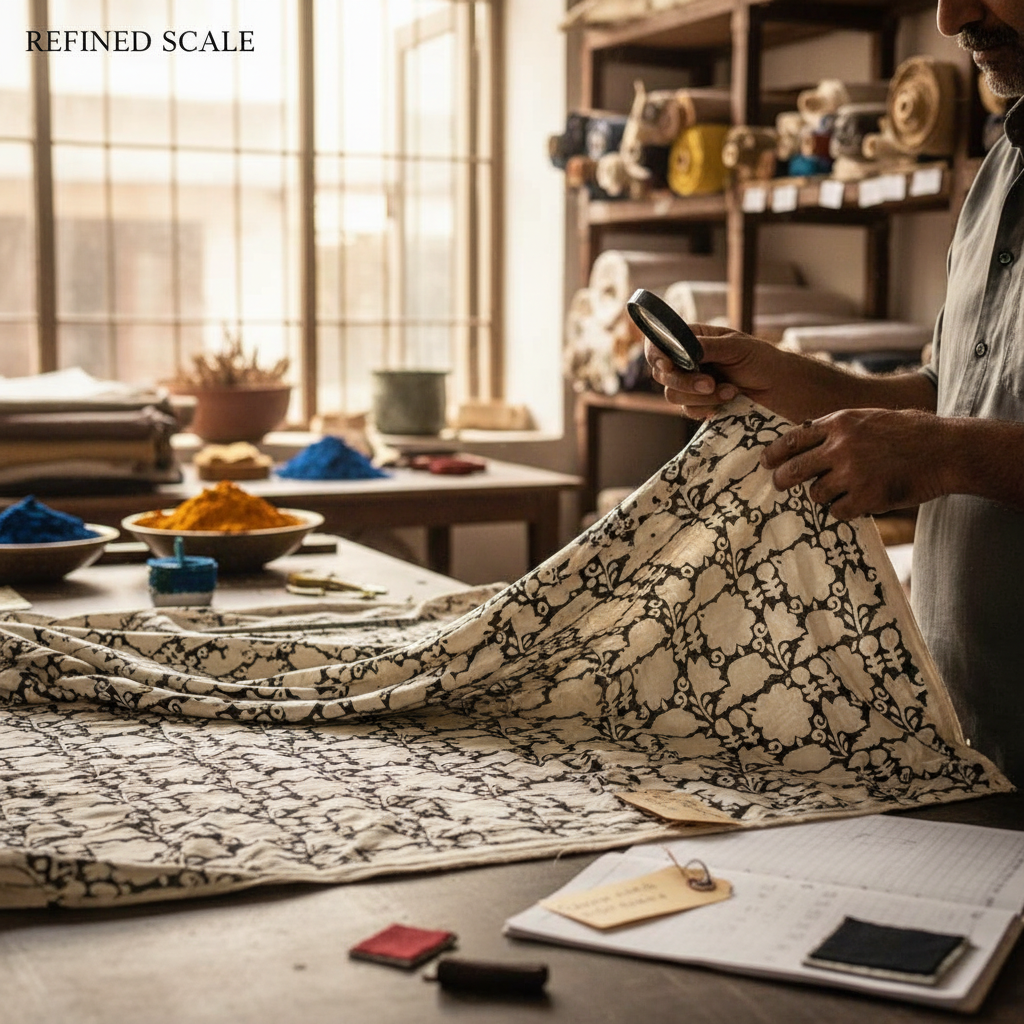
In fabrics wholesale, especially with handwoven textiles, "character" is often mistaken for "defect." Slight variations in weave or color are hallmarks of hand-crafted items. However, structural integrity must be maintained.
- Pre-shipment Inspection: Always request a pre-shipment sample from the actual bulk production run.
- Lab Testing: For larger orders, consider third-party testing for colorfastness to rubbing and light, as well as pH levels for naturally dyed goods.
Sustainability as a Standard
Sourcing wholesale isn't just about the fabric; it's about the impact. Ask your supplier:
- How are the weavers compensated?
- Is the water used in dyeing treated before being released?
- Can the fabric's journey be traced back to the village cluster?
Small Batches, Strong Foundations: Rethinking Wholesale Fabric Sourcing
Understanding the intricacies of fabrics wholesale, from the necessity of wholesale fabric MOQs to the precision of the fabric sampling process, is what separates successful fashion brands from those that struggle with production. While the world of B2B textiles can seem daunting, it is built on clear protocols designed to ensure quality and consistency.
By embracing small batch wholesale fabrics, brands can grow sustainably, minimizing waste and maximizing their connection to the artisans who create their textiles. Remember, sourcing is not a one-time transaction but a relationship. Whether you are looking for the best summer fabrics or heritage silks, the key lies in preparation, clear communication and a commitment to quality.
Ready to start your sourcing journey? Explore our curated collections and partner with Anuprerna to bring your sustainable vision to life.
most asked questions
Why is the MOQ for handwoven fabrics often higher than I expected for a small brand?
The wholesale fabric MOQ for handwoven textiles is primarily driven by the "warping" process. Setting up a loom is a labor-intensive task that involves aligning hundreds of threads manually. To make this process economically viable for the artisan, a minimum length (usually 50-100 meters) is required. If a weaver were to set up a loom for only 5 meters, the cost per meter would be prohibitively expensive.
What is the difference between a swatch, a header, and sample yardage?
In the fabric sampling process, a "swatch" or "header" is a small piece of fabric used to confirm color and texture. "Sample yardage" refers to a larger amount (3-10 meters) purchased to create a prototype garment. It is essential to test sample yardage to see how the fabric drapes and sews before committing to a bulk wholesale order.
Can I customize the color or weave for small batch wholesale fabrics?
Yes, customization is possible, but it usually comes with a higher MOQ or a development fee. For small batch wholesale fabrics, many brands choose to use "stock" colors or existing weave patterns to keep costs down. If you require a custom natural dye or a specific Jamdani motif, expect the MOQ to increase to cover the development of the dye recipe or the design of the loom cards.
How do I ensure the bulk production matches the sample I approved?
This is a common concern in fabrics wholesale. To prevent discrepancies, always request a "Top of Production" (TOP) sample. This is a sample taken directly from the finished bulk run before it is shipped. Comparing the TOP sample to your original approved sample ensures that the color, weight, and finish are consistent.
Are there ways to source wholesale fabrics without meeting high MOQs?
For very small startups, the best way to bypass high MOQs is to look for "ready-to-ship" or "stock" collections. These are fabrics that the manufacturer has already produced in larger quantities. While you may have less control over the specific design, you can often buy as little as 10-20 meters, making it an ideal entry point for small batch wholesale fabrics.
More Blogs
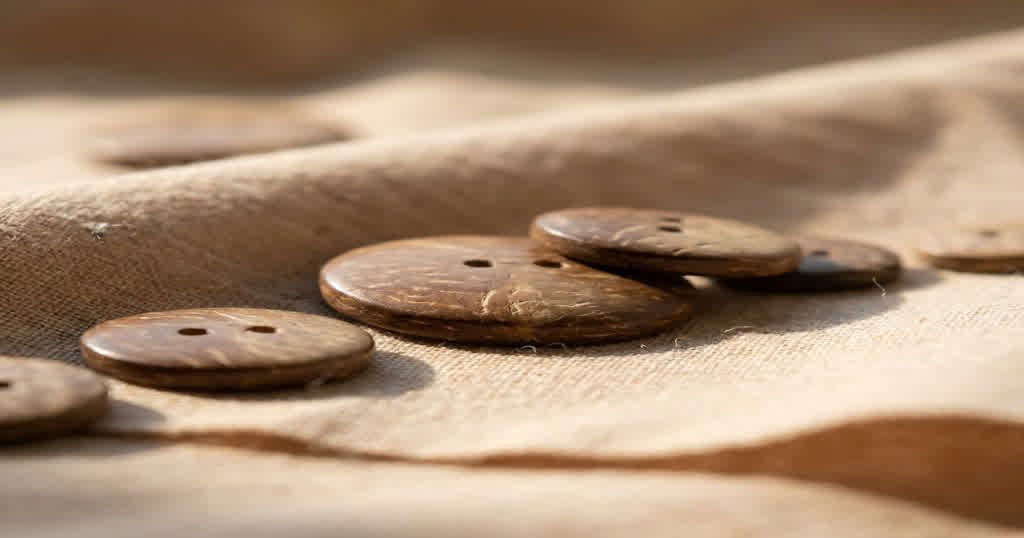
eco-friendly trims: sourcing sustainable fashion accessories
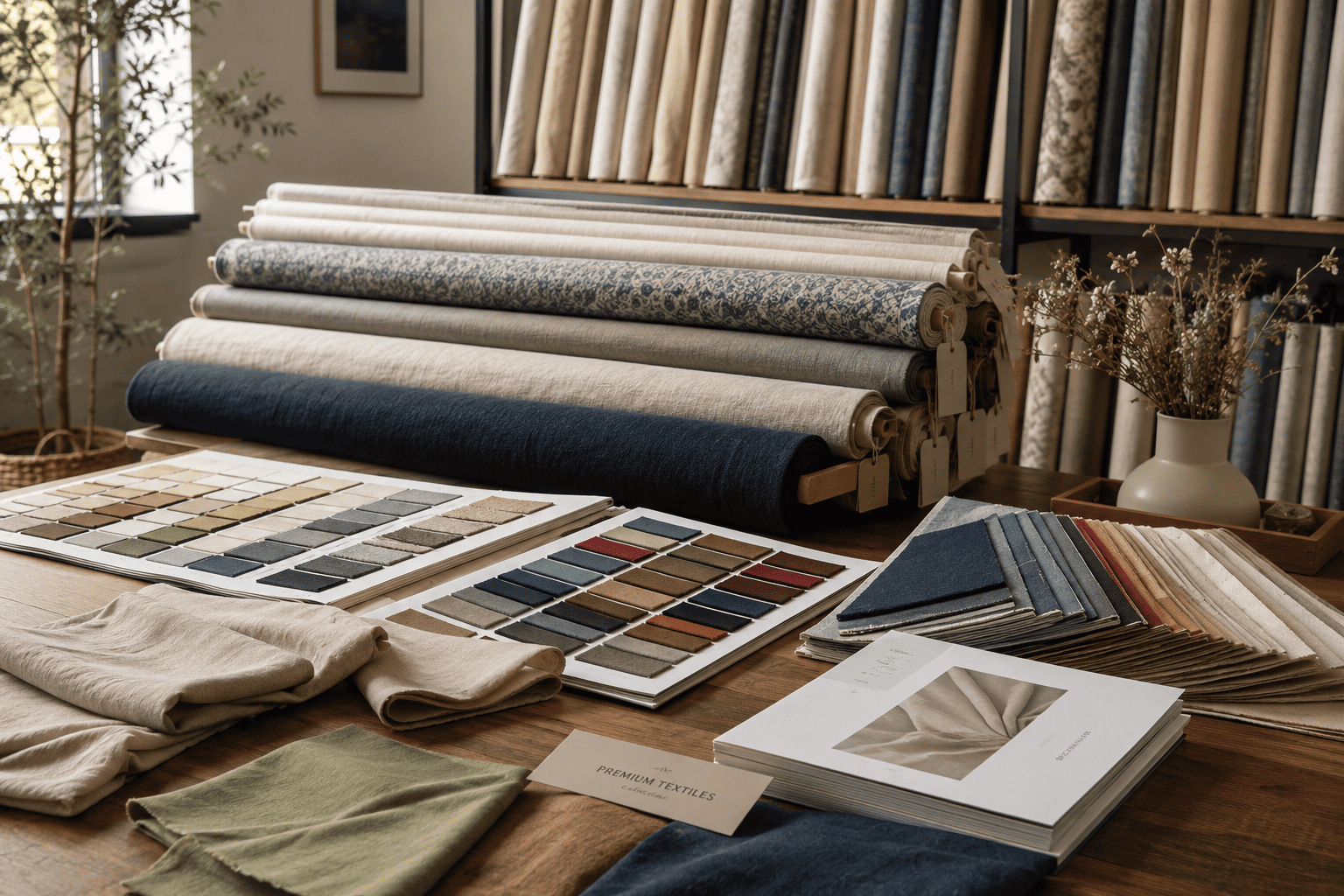
how to choose the right fabric wholesaler for your brand
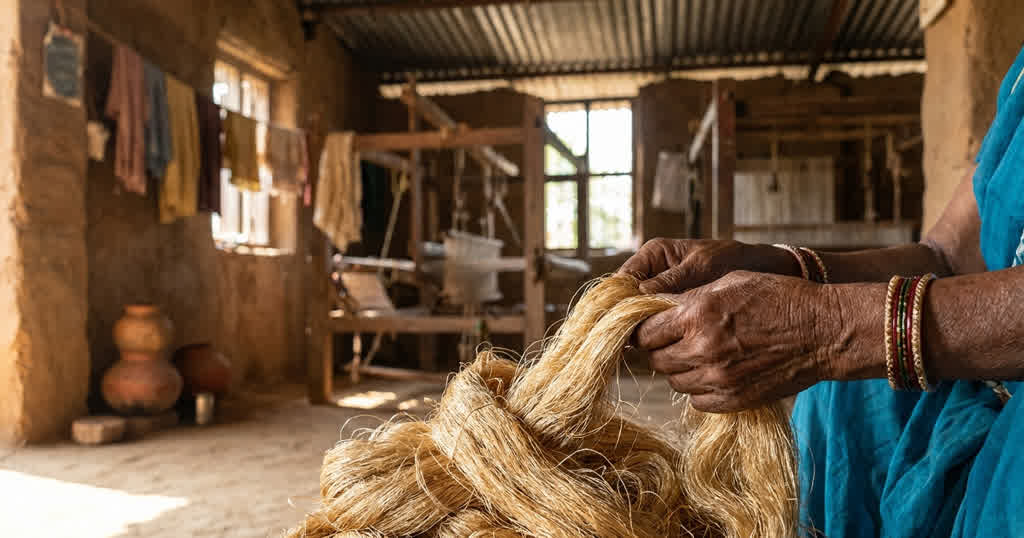
what to look for in a silk manufacturer before you source
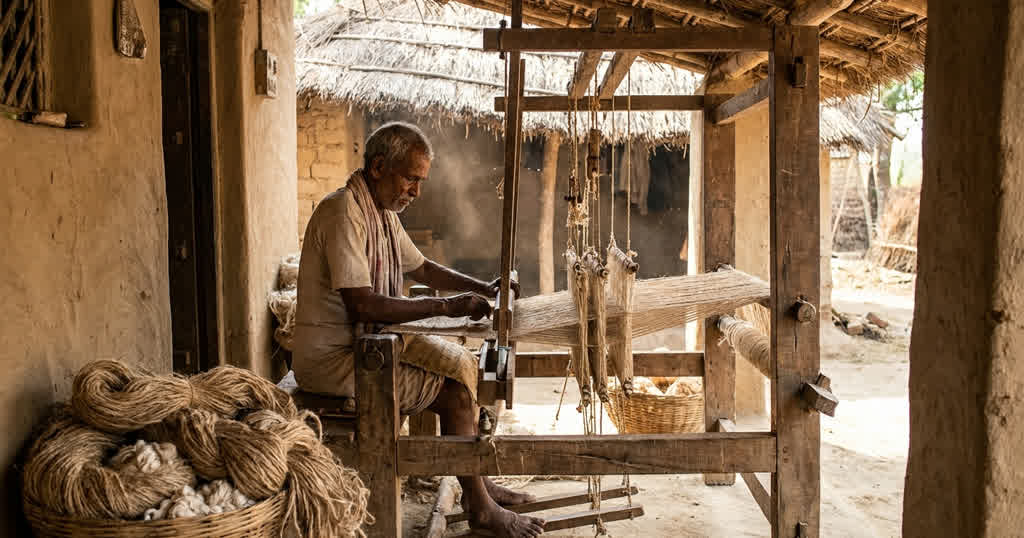
how does sustainable sourcing affect clothing quality?
what is a sustainable designer? roles, responsibilities, and impact
how celebrity endorsements are shaping the future of sustainable textiles