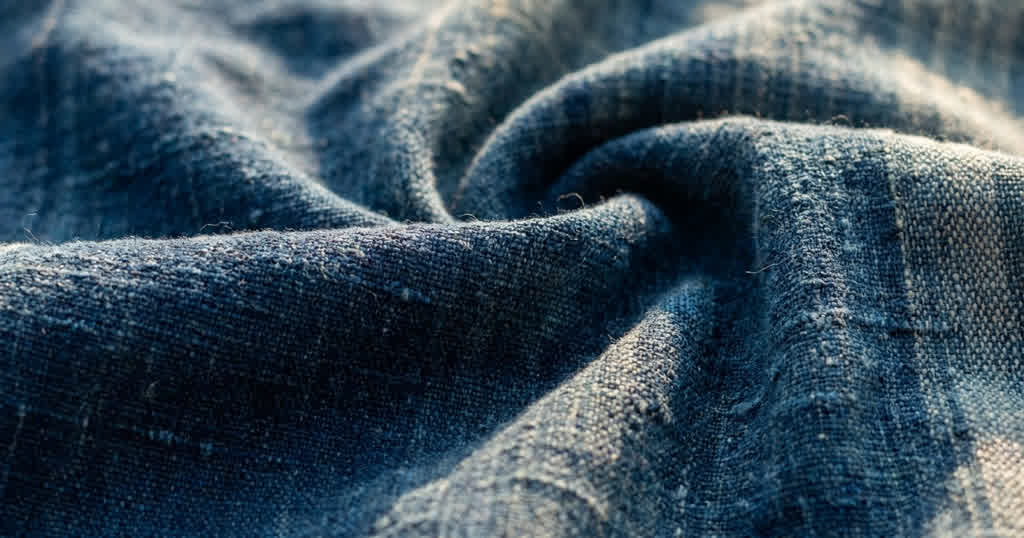
How to Wash and Maintain Khadi Denim Jeans for Longevity

A designer spends months perfecting the fit of a raw, handwoven jean, only to face customer returns after the first wash due to unexpected shrinkage or severe dye bleeding. Providing accurate khadi denim care instructions is not just a post-purchase formality. It is a critical step in preserving the structural integrity of the fabric and justifying the premium price of a hand-spun garment. Khadi denim merges the Indian freedom movement's hand-spun, handwoven legacy with the rugged origins of Western workwear.
This creates a culturally rich, low-carbon-footprint textile that behaves very differently from conventional mill-made fabrics. Proper maintenance extends the garment's life, aligns with circular fashion principles, and builds lasting brand trust with eco-conscious consumers.
The Anatomy of Hand-Spun Yarn: Why Khadi Denim Behaves Differently
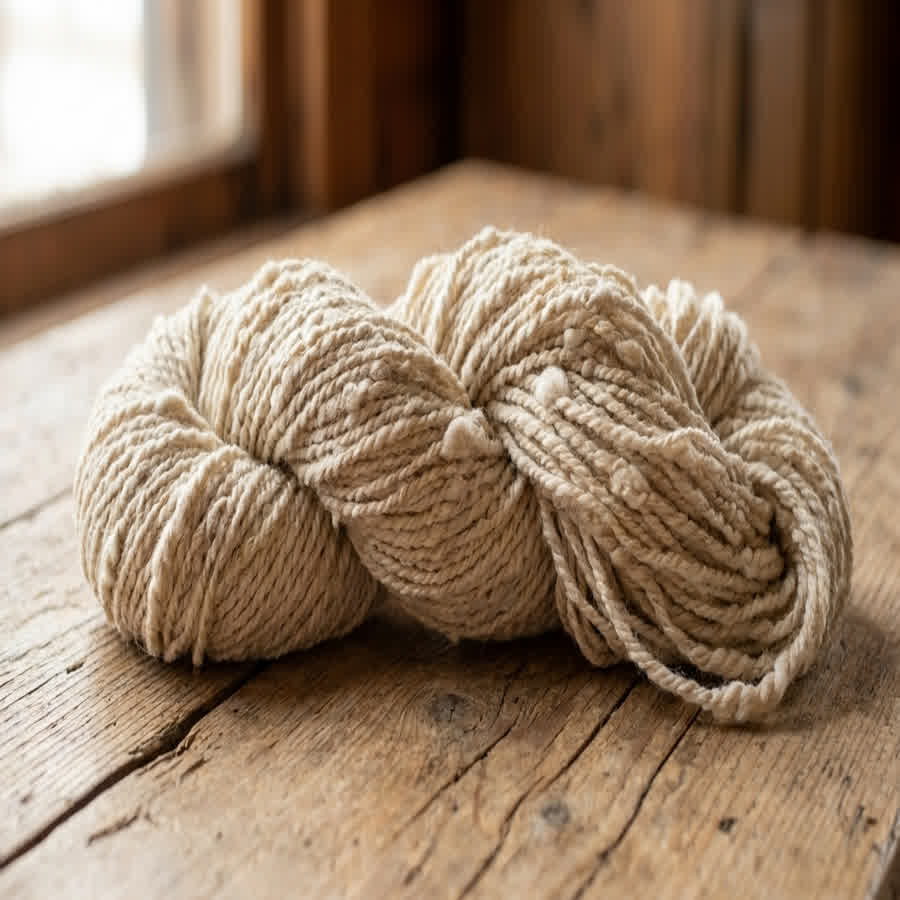
Hand-spun Khadi denim requires gentler care because its uneven, loosely twisted yarns absorb water and dye differently than tightly woven mill-made fabrics, making it highly susceptible to fiber degradation from harsh detergents.
The Science of Slub Yarns and Twist Multiples
Unlike uniform synthetic blends, hand-spun yarns possess varying twist multiples and inherent slubs. These natural irregularities give the fabric its signature breathable texture and dry, crisp hand-feel. At Anuprerna, we observe that because the yarn is spun on a traditional Charkha in clusters across Bengal, the fibers remain relatively loose. This lower tension means the cotton absorbs moisture rapidly during washing.
When exposed to heavy agitation, these loosely spun cotton fibers can experience excessive friction. This friction leads to premature wear and alters the drape and fit of the jeans. Understanding this material science is essential for any brand working with handloom denim weights typically ranging from 8 to 14 oz, or a GSM of 270 to 475.
Why Standard Detergents Degrade Handloom Fibers
Commercial laundry detergents often contain harsh enzymes and optical brighteners designed for tightly woven, high-tension mill-made denim. These aggressive chemicals strip the natural oils from the cotton bast fibers, causing them to become brittle over time. For handwoven textiles, this chemical stripping accelerates the breakdown of the yarn structure.
To maintain the fabric's longevity, designers must recommend specific washing conditions. The ideal approach involves:
- pH-neutral washing: Using mild soaps prevents the alkaline degradation of the natural cotton fibers.
- Cold water immersion: Keeping temperatures low protects the yarn twist and minimizes residual shrinkage.
- Minimal agitation: Gentle hand washing or delicate machine cycles protect the inherent slubs from abrasive damage.
- Air drying: Avoiding high-heat tumble dryers preserves the tensile strength of the hand-spun yarn.
By educating consumers on these specific khadi denim care instructions, brands ensure the fabric retains its unique character. This careful maintenance honors the decentralized artisan supply chain that created the textile.
Drafting the Well suited Care Label: Khadi Denim Care Instructions for B2B Brands
To prevent post-purchase returns and extend garment life, brands must draft care labels that explicitly mandate cold washing, pH-neutral detergents, and line drying in the shade.
Essential Symbols and Text for Garment Tags
When we supply these fabrics, we remind designers that a generic care label is insufficient for a premium hand-spun garment. Sustainable fashion brands need to provide precise, specific guidance to protect the low-carbon-footprint textile. The care tag is the first line of defense against improper consumer maintenance that leads to unwanted shrinkage or fabric distortion.
When designing the label, sourcing leads should include clear, internationally recognized symbols alongside explicit text. The mandatory instructions for handloom denim maintenance include:
- Machine wash cold: Specify temperatures below 30 degrees Celsius to protect the loose yarn tension.
- Do not bleach: Chlorine and harsh oxygen bleaches will destroy both the natural dyes and the cotton fibers.
- Line dry in shade: Direct sunlight accelerates fading, while air drying preserves the fabric's structural integrity.
- Wash inside out: This simple step reduces surface friction and protects the indigo dye layer during agitation.
Educating the Consumer on Handloom Maintenance
Beyond the physical tag, brands should utilize hangtags or digital QR codes to explain the why behind these khadi denim care instructions. Consumers are more likely to follow strict guidelines if they understand the heritage craftsmanship involved. Explaining the connection between the rural Indian handloom weavers and the garment's care requirements adds significant value.
We recommend framing the washing routine as a ritual rather than a chore. Detail how the breathable texture of the fabric naturally resists odors, meaning the jeans require less frequent washing. This approach directly supports circular fashion principles by reducing water consumption and extending the product lifecycle.
Clear communication reduces the likelihood of returns caused by improper consumer care. It also positions the brand as an authority on sustainable textile care, enhancing overall customer trust and justifying the investment in artisanal fabrics.
Natural Indigo vs. Synthetic Dyes: Managing Color Bleed and Crocking
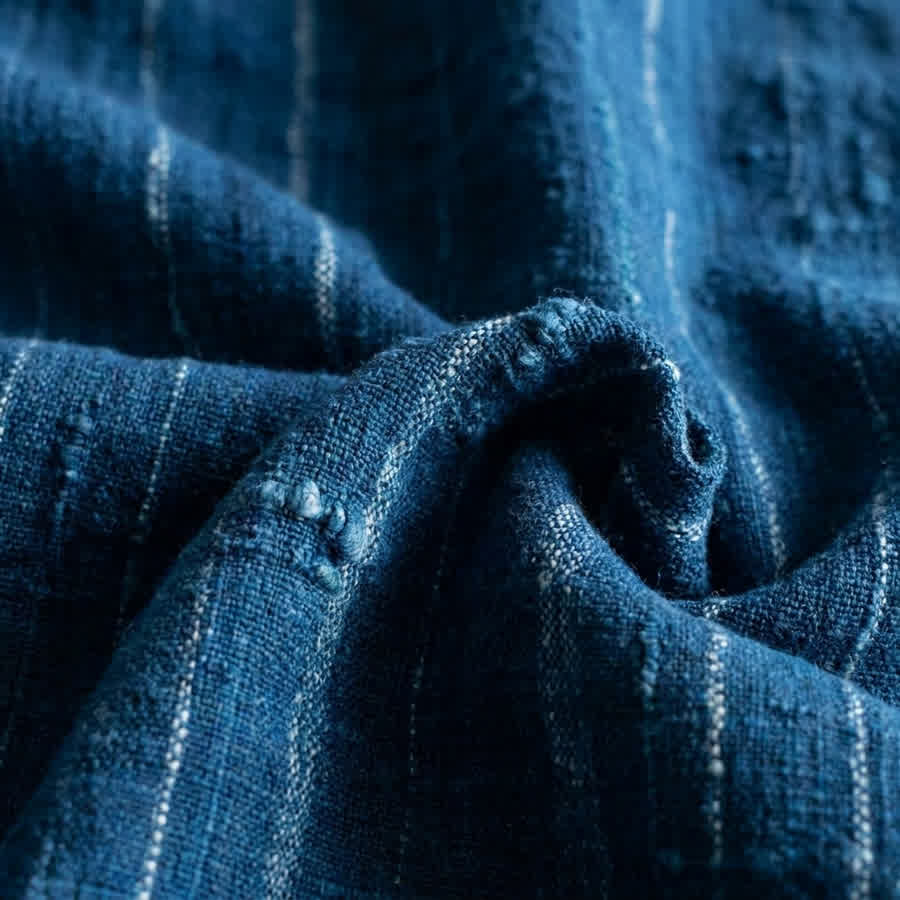
Natural indigo crocking occurs because the dye coats the surface of the yarn rather than penetrating the core, requiring specific first-wash instructions to set the color and prevent unwanted transfer.
The Mechanics of Indigo Absorption
The dyeing process for hand-spun yarn differs significantly from conventional methods. Natural indigo has a unique molecular structure that prevents it from fully penetrating the cotton fiber core. Instead, it builds up in layers on the outside of the slub yarns, creating a rich, dimensional color. This surface adhesion is responsible for the beautiful fading process, but it also causes indigo crocking.
Crocking is the transfer of dye to other surfaces through friction. Because handloom yarns have lower twist multiples, their dye uptake is highly variable compared to tightly spun commercial yarns. Designers must anticipate this behavior when developing B2B product lifecycle management strategies.
Setting the Dye During the First Wash
To manage color bleed, the initial wash is critical. Brands must provide precise khadi denim care instructions for this first interaction with water. Proper handling stabilizes the natural indigo dye and minimizes excessive transfer onto light-colored upholstery or footwear.
Advise consumers to follow these steps for the first wash:
- Isolate the garment: Wash the jeans alone or with similar dark colors to prevent dye migration to lighter fabrics.
- Use a vinegar soak: A mild cold-water soak with white vinegar can help set the surface dye layers before applying any soap.
- Apply pH-neutral detergent: Harsh alkaline soaps strip the indigo rapidly, so a gentle cleansing agent is mandatory.
- Avoid vigorous rubbing: Spot cleaning with heavy friction will create uneven light patches on the handwoven surface.
By setting clear expectations about natural color transfer, boutique retail buyers can turn a potential defect into a hallmark of authenticity. Educating the end-user ensures the premium handloom denim ages gracefully, developing a unique wear pattern that synthetic dyes simply cannot replicate.
Extending the Lifecycle: Patina, Repair, and Circularity
Positioning the natural fading and aging of Khadi denim as a premium feature encourages consumers to repair rather than replace, directly supporting circular economy goals.
Embracing the Wabi-Sabi of Fading
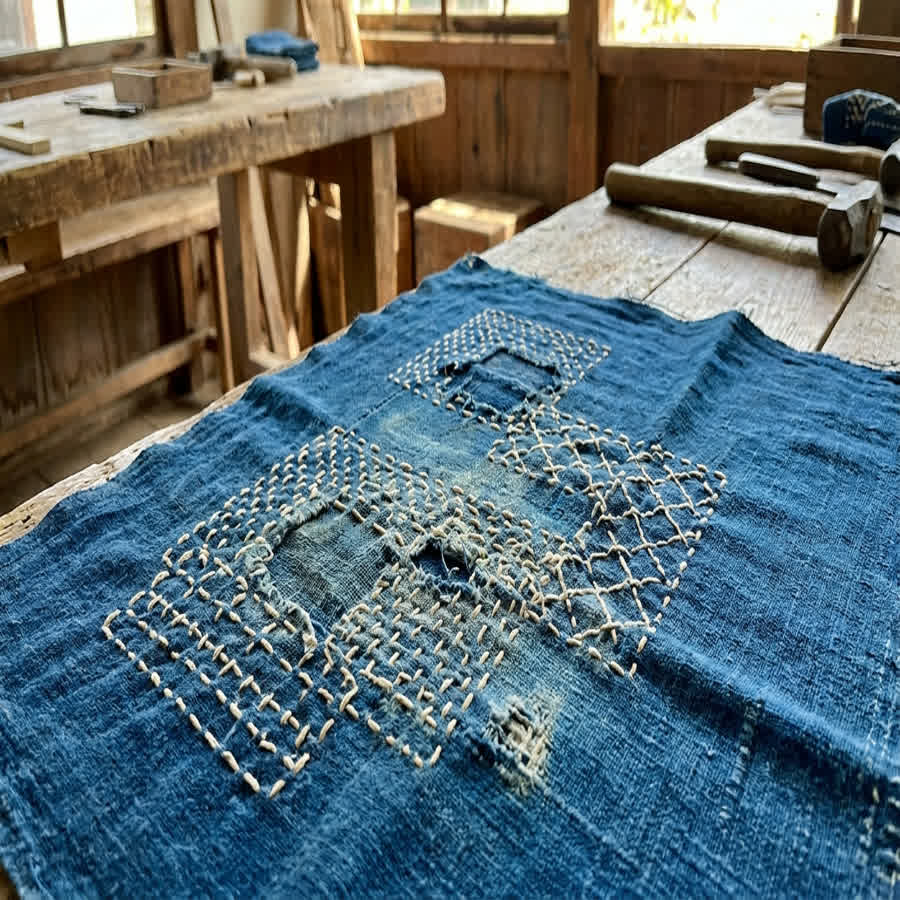
As hand-spun denim is worn and washed, it develops a distinct patina. The surface indigo layers gradually wear away at points of high friction, revealing the white core of the cotton bast fibers. This aging process should be marketed as a unique, evolving characteristic of the artisanal textile, rather than a flaw.
The Japanese concept of wabi-sabi, which finds beauty in imperfection, perfectly aligns with the lifecycle of handwoven jeans. Because the fabric features inherent slubs and varying yarn tensions, the resulting fade patterns are entirely unique to the wearer. Proper khadi denim care instructions ensure this fading happens slowly and naturally, preserving the overall strength of the garment.
Repair Strategies for Handwoven Denim
Even with meticulous care, the loosely spun cotton fibers will eventually require maintenance. Encouraging repair is a cornerstone of sustainable fashion brands looking to minimize textile waste. When a blowout occurs, the repair process should honor the original handloom construction.
We recommend that brands facilitate this by offering repair kits or partnering with specialized tailors. Effective repair strategies for this specific fabric include:
- Visible mending: Using contrasting thread to darn holes highlights the garment's ongoing history and adds character.
- Sashiko stitching: This traditional reinforcement technique pairs beautifully with the breathable texture of hand-spun cotton.
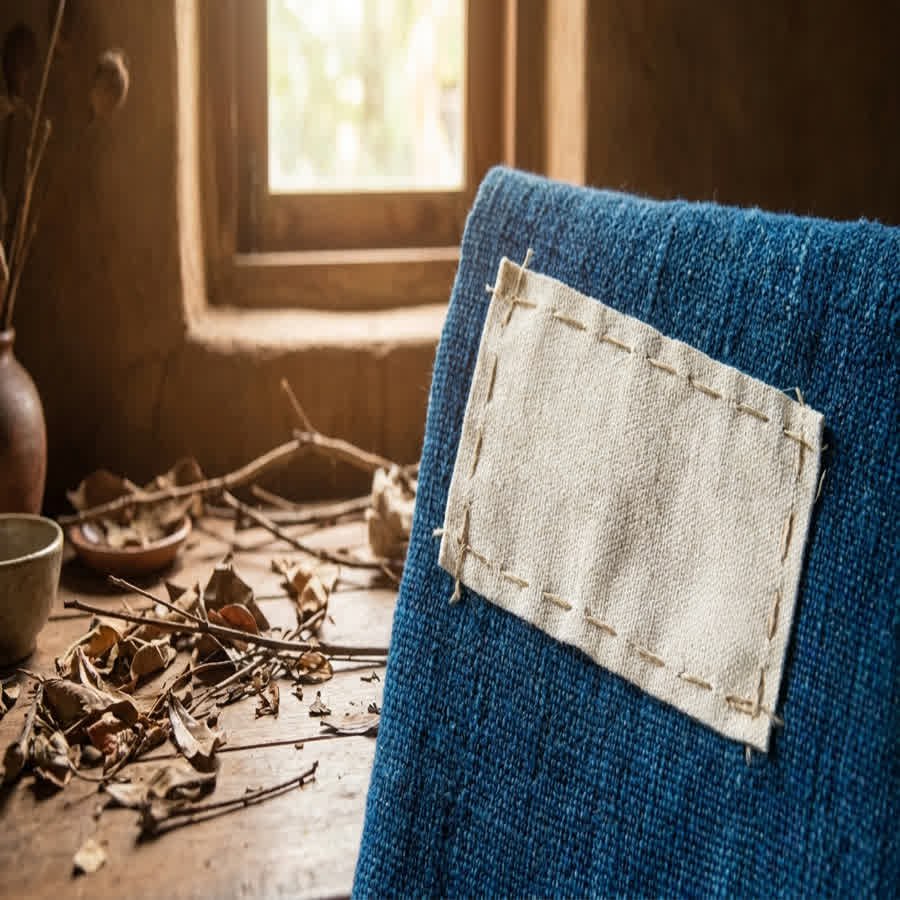
- Patching with similar weights: Always use scrap fabric of a similar GSM and weave to prevent uneven tension around the repair site.
- Reinforcing stress points: Adding internal patches to the crotch or knees early on extends the product lifecycle significantly.
By integrating repair into the brand narrative, designers increase the perceived value of the hand-spun, handwoven legacy. For ESG leads tracking product end-of-life, this commitment to longevity proves the brand's zero-waste credentials and solidifies customer loyalty.
Explore Our Collection
Anuprerna works directly with handloom artisan clusters to weave khadi denim care instructions for designers and brands building considered collections. To source it for your next line, explore the range below.
frequently asked questions
Does Khadi denim shrink more than conventional mill-made denim?
Yes, handloom fabrics typically have a residual shrinkage of 3-5% due to lower warp tension during weaving. We recommend advising a cold wash and air dry to minimize this, or pre-washing the fabric before CMT (Cut, Make, Trim) processes.
How should we instruct consumers to handle natural indigo crocking?
Instruct consumers to wash the garment inside out in cold water with a mild, pH-neutral detergent to manage natural indigo crocking. Because natural indigo sits on the surface of the yarn, you must also warn against rubbing against light-colored upholstery during the first few wears.
Can Khadi denim withstand commercial enzyme washes for distressed looks?
No, Khadi denim cannot withstand heavy commercial enzyme or stone washing without compromising the structural integrity of its hand-spun yarns. We recommend gentle bio-polishing or ozone washing if distressing is required, though raw, unwashed finishes best preserve the fabric's longevity.
What is the ideal washing frequency for Khadi denim jeans?
The ideal washing frequency for Khadi denim jeans is only every 10 to 15 wears. Due to the high breathability and inherent properties of natural, loosely spun cotton fibers, this fabric requires less frequent washing than synthetic blends, utilizing spot cleaning and airing out in between.
Can we use fabric softeners on hand-spun Khadi denim?
No, fabric softeners coat the natural cotton fibers in a synthetic residue that severely reduces the fabric's breathability and alters its dry, crisp hand-feel. We recommend avoiding all chemical softeners and relying on regular wear to naturally soften the loosely spun yarns over time.
More Blogs
colorfastness in natural dyes: how to prevent fading in eco-friendly fabrics
why fabric wholesale orders fail after sampling (and how to prevent it)

eri silk for real life: what online buyers rarely understand before they click “buy”
batik vs. shibori: understanding resist-dyeing techniques in sustainable fashion
how celebrity endorsements are shaping the future of sustainable textiles
how emerging eco-conscious designers source ethical fabrics