B2B Sourcing Guide: How to Source High-Quality Recycle Cotton Fabric for Sustainable Collections

The global fashion industry is undergoing a paradigm shift. As consumers demand greater transparency and environmental accountability, "circularity" has moved from a buzzword to a business imperative. For B2B fashion brands and independent designers, the journey toward a circular model begins with the raw materials—specifically, how we source and utilize recycle cotton fabric.
Sourcing recycled cotton is no longer just about reducing waste; it is about reimagining the lifecycle of a garment. However, for many sourcing managers, the transition from virgin textiles to recycled alternatives presents a unique set of challenges. How do you ensure the tensile strength remains high? How do you maintain the soft handfeel that customers expect? And most importantly, how do you find a partner committed to ethical fabric wholesale practices?
In this comprehensive guide, we will explore the nuances of sustainable textile sourcing, focusing on the technical and ethical aspects of sourcing recycled cotton fabric in the Indian context. Whether you are looking to launch a capsule collection or transition your entire production line, understanding the mechanics of eco-friendly fabric manufacturing is essential for building a resilient, future-proof brand.
The Science and Sustainability of Recycle Cotton Fabric
To effectively source recycled cotton fabric, one must first understand how it is made. Unlike synthetic fibers that can be melted down, cotton is a natural fiber that requires mechanical recycling. This process involves shredding pre-consumer textile scraps (offcuts from garment factories) or post-consumer waste (used clothing) into loose fibers, which are then spun into new yarn.
Pre-Consumer vs. Post-Consumer Waste
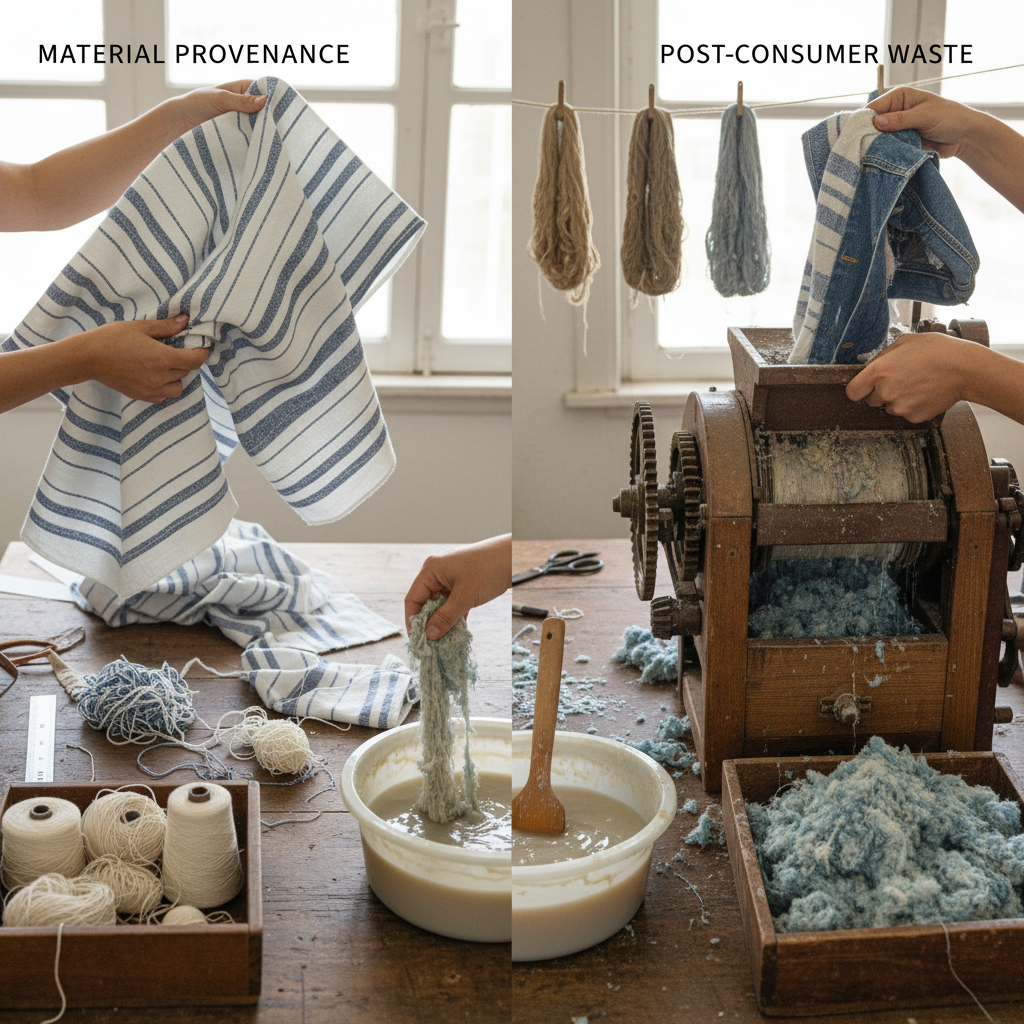
In the realm of sustainable textile sourcing, most high-quality recycle cotton fabric is derived from pre-consumer waste. This includes the "table waste" generated during the cutting process in garment manufacturing. Because these scraps have never been worn or washed, the fibers remain relatively strong and are free from the contaminants often found in post-consumer waste.
The Environmental Impact
The environmental case for recycled cotton is staggering. Producing one kilogram of virgin cotton can require up to 20,000 liters of water. By choosing to recycle fabric, brands significantly reduce water consumption, CO2 emissions, and the need for pesticides. At Anuprerna, we view the adoption of sustainable fabric pioneering eco-friendly textiles as a vital step toward protecting the artisanal ecosystems of East India.

Navigating Ethical Fabric Wholesale and Sourcing Challenges
Sourcing at a B2B level requires more than just finding a low price point; it requires a deep dive into the supply chain. When looking for ethical fabric wholesale partners, transparency is the most valuable currency.
Transparency and Traceability
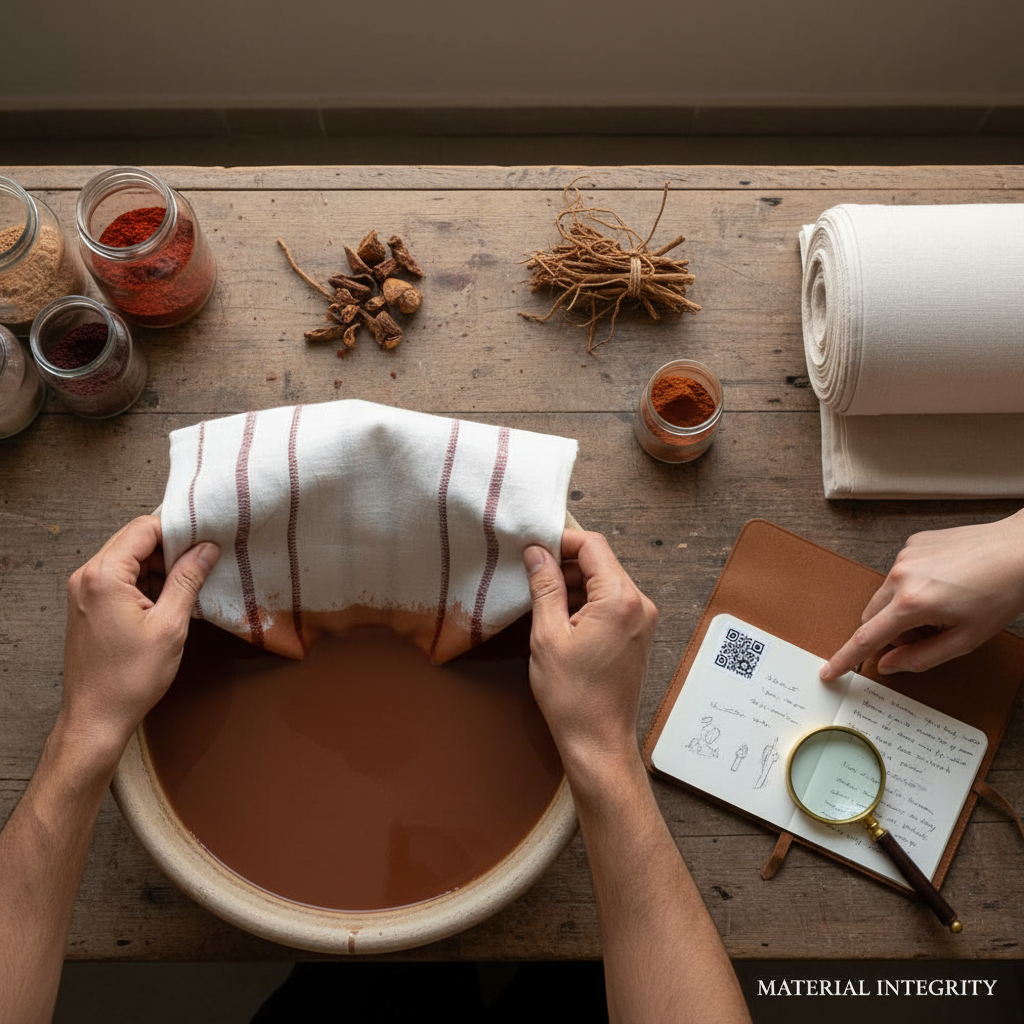
A common pitfall in eco-friendly fabric manufacturing is the "greenwashing" of blended fabrics. Often, recycled cotton is blended with virgin cotton or polyester to increase strength. As a sourcer, you must demand clear percentages. For instance, our White Recycled Cotton 80 Gsm Fabric is meticulously documented to ensure you know exactly what goes into your garments.
Understanding Minimum Order Quantities (MOQs)
One of the biggest hurdles in sustainable textile sourcing is the MOQ. Many large-scale manufacturers require massive volumes that are inaccessible to boutique ethical brands. However, the Indian textile landscape, particularly the handloom sector, offers more flexibility. When smart sourcing and buying wholesale fabrics for your brand, look for partners who can balance artisanal quality with scalable B2B needs.
Assessing Quality: Not All Recycled Cotton is Created Equal
A major concern for designers is the "staple length" of the fiber. Mechanical recycling shortens the cotton fibers, which can result in a coarser texture or lower durability if not handled correctly.
The Importance of GSM and Weave
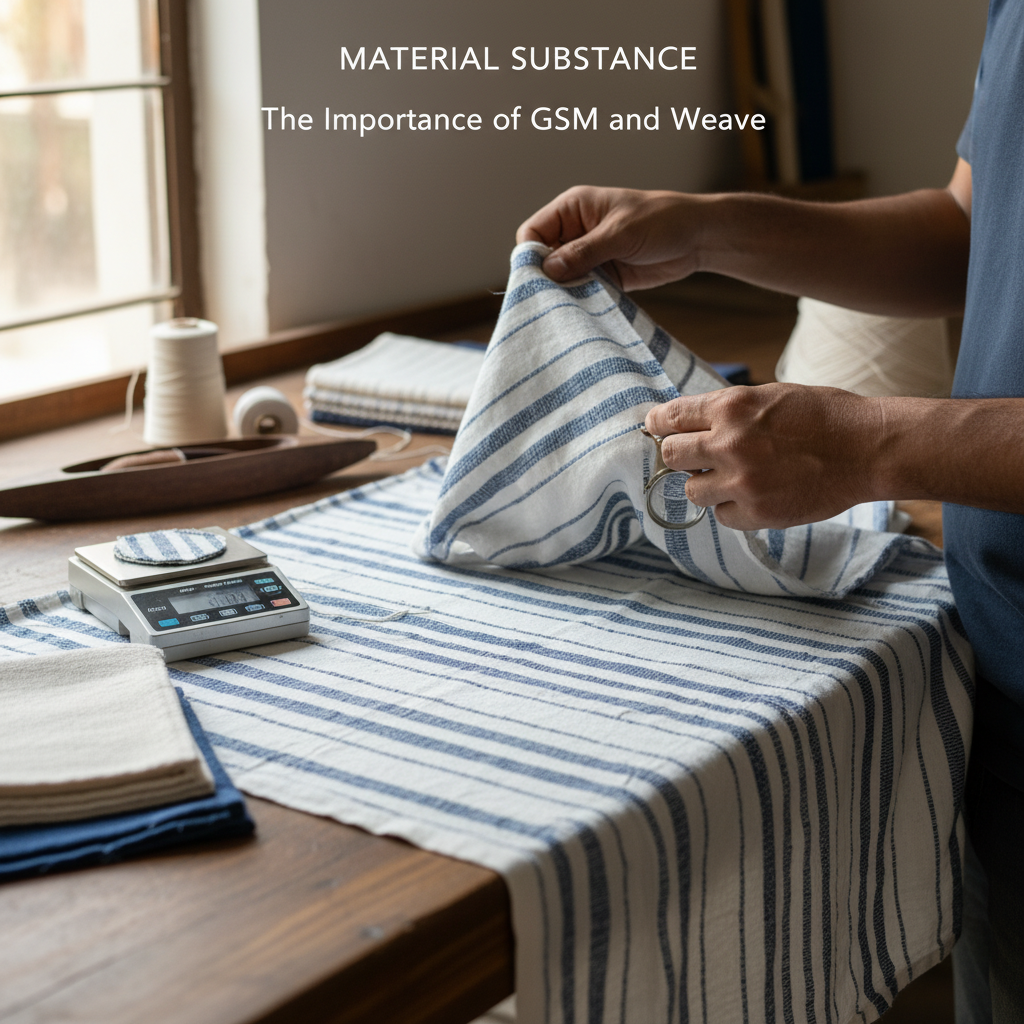
When sourcing recycle cotton fabric, the GSM (Grams per Square Meter) is a critical indicator of the fabric's application. A lighter weight, such as an 80 GSM recycled cotton, is ideal for summer shirts, scarves, and lightweight dresses.
- 80-100 GSM: Breathable, soft, and perfect for layering.
- 150-200 GSM: Suitable for structured tops and light trousers.
Handfeel and Aesthetics
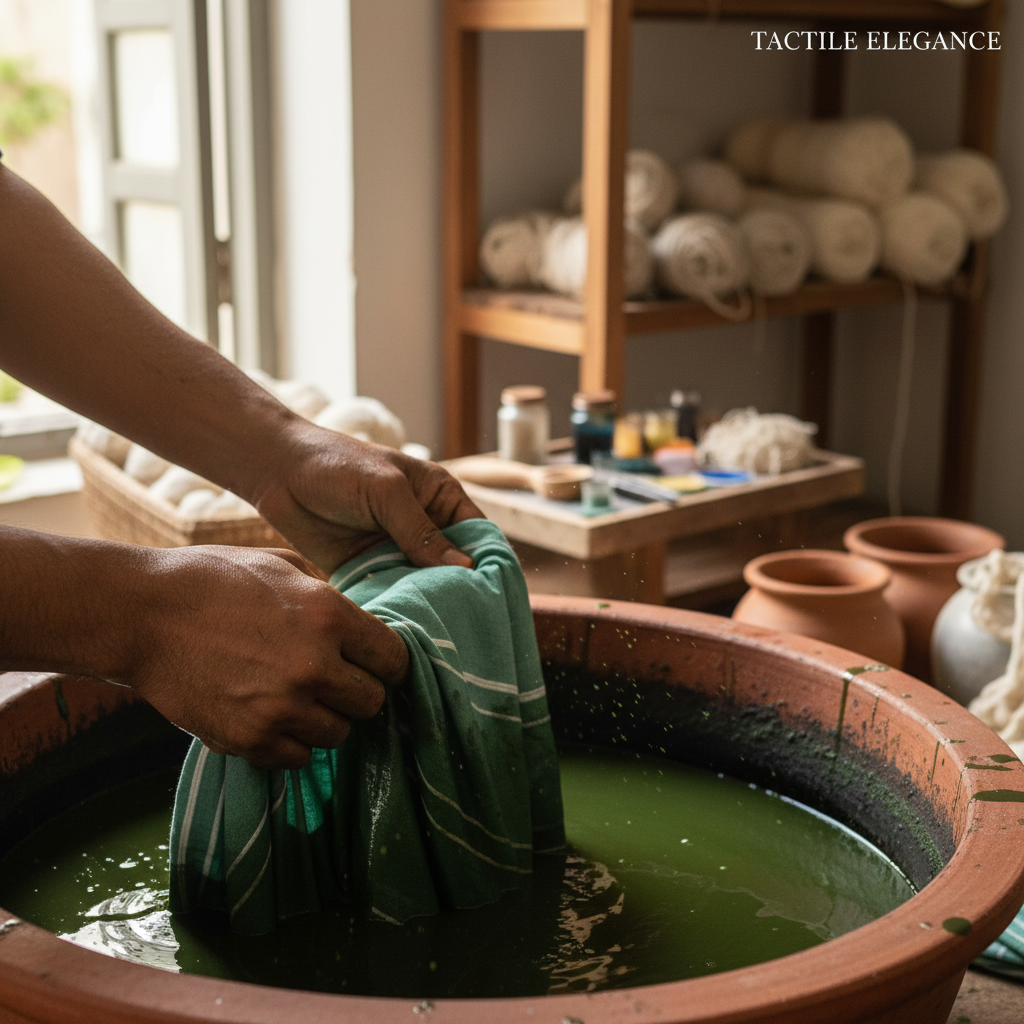
Modern eco-friendly fabric manufacturing has advanced to the point where recycled textiles can mimic the luxurious feel of virgin cotton. By blending recycled fibers with organic cotton or even Tencel, manufacturers can create a textile that is both sustainable and soft. For those sourcing for high-end collections, referring to a khadi cotton fabric by colour sourcing guide can help in identifying how different dyes and weaves interact with recycled yarns.
The Indian Advantage: Handwoven Heritage Meets Circularity
India occupies a unique position in the global recycle fabric market. By combining ancient handloom traditions with modern recycling technology, Indian manufacturers are producing textiles that are both culturally rich and environmentally responsible.
Supporting Artisan Communities
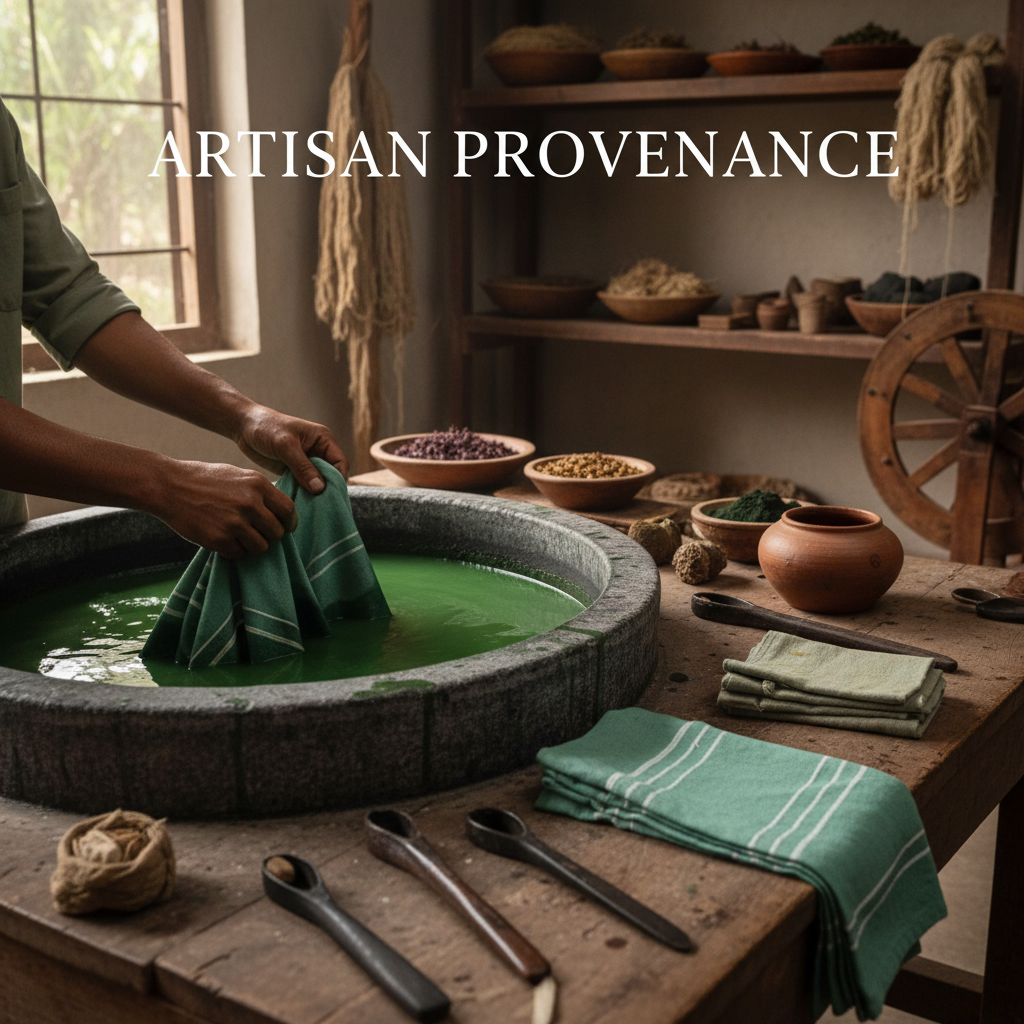
At Anuprerna, our commitment to ethical fabric wholesale goes beyond the environment; it extends to the people. When you source recycled cotton that is handwoven, you are supporting rural artisan communities in East India. This "human element" adds a layer of storytelling to your brand that mass-produced, machine-made recycled fabrics simply cannot match.
Customization and Craftsmanship
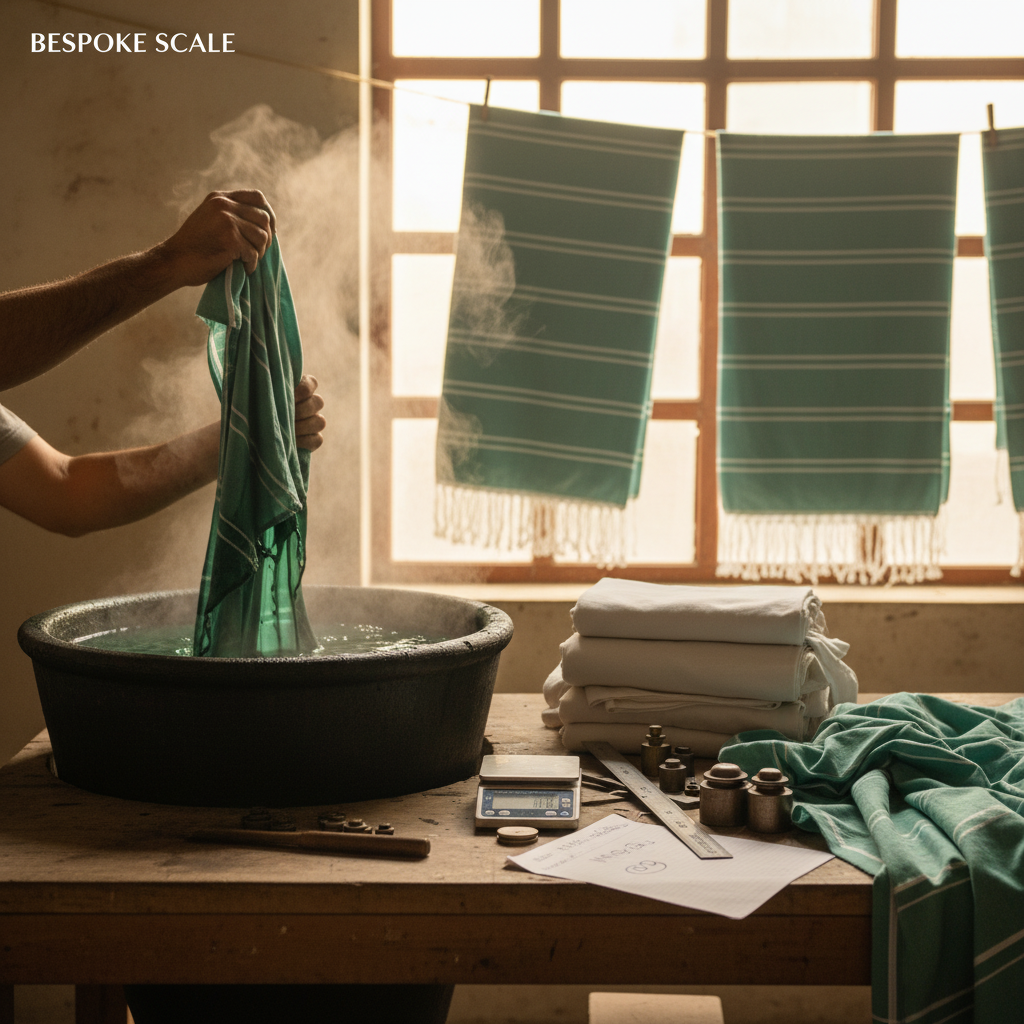
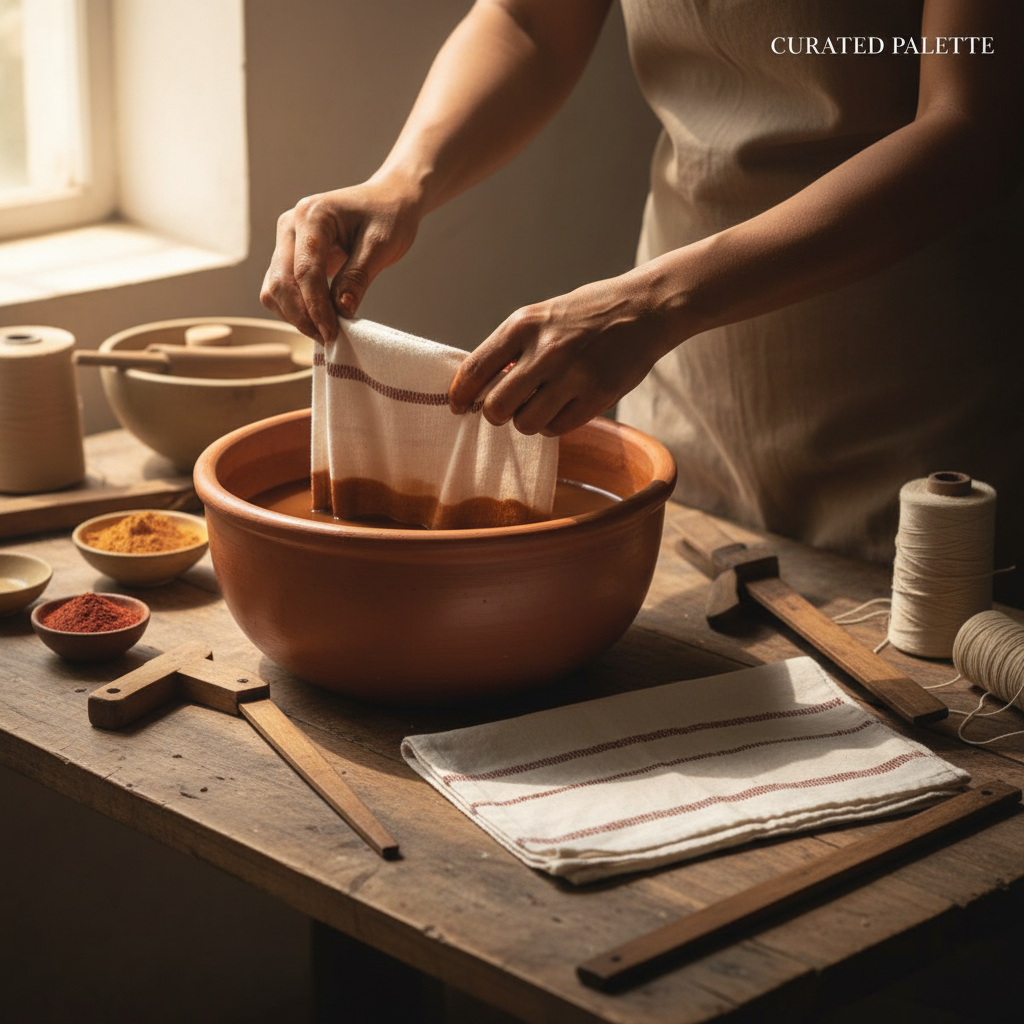
Unlike large-scale mills, artisanal clusters can often accommodate custom weaves or specific dye requirements (such as natural indigo) even when using recycle cotton fabric. This allows B2B brands to create truly unique, signature textiles that stand out in a crowded sustainable market.
Strategic Sourcing for Your Sustainable Collection
If you are ready to integrate recycled cotton fabric into your next collection, follow these strategic steps:
- Define Your Technical Needs: Determine the required GSM, width, and color early. Our White Recycled Cotton 80 Gsm is a versatile starting point for many designers.
- Request Swatch Kits: Never commit to a wholesale order without feeling the fabric. Recycled textiles can vary significantly between batches.
- Verify Certifications: Look for GRS (Global Recycled Standard) certification to ensure the recycled content is verified.
- Plan for Longer Lead Times: Ethical, handwoven production takes time. Unlike "fast fashion" sourcing, sustainable textile sourcing requires a partnership mindset where timelines respect the artisan's craft.
Conclusion
Sourcing recycled cotton fabric is a powerful statement of a brand’s values. It demonstrates a commitment to the planet and a respect for the finite resources we share. By navigating the complexities of ethical fabric wholesale and choosing high-quality, eco-friendly fabric manufacturing, B2B brands can lead the way in the circular fashion movement.
At Anuprerna, we bridge the gap between traditional Indian craftsmanship and the modern need for sustainability. Our recycled cotton textiles are more than just fabric; they are a blend of heritage, innovation, and ethics.
Ready to elevate your collection? Explore our range of sustainable fabrics or contact us today to discuss your wholesale sourcing needs.
most asked questions
Is recycle cotton fabric as durable as virgin cotton?
While the mechanical recycling process does shorten the fibers, high-quality recycle cotton fabric is often blended with a small percentage of virgin organic cotton to maintain its strength. When sourced from reputable eco-friendly fabric manufacturing partners, the durability is more than sufficient for high-quality apparel. It is important to check the GSM and weave density to ensure the fabric meets your specific garment's requirements.
Why is recycled cotton often more expensive than conventional cotton?
The cost of recycled cotton reflects the intensive labor required to sort, shred, and re-spin the fibers. Furthermore, when you engage in ethical fabric wholesale, the price includes fair wages for artisans and the cost of maintaining a transparent supply chain. In the long run, the value added to your brand’s sustainability story often outweighs the marginal increase in raw material costs.
Can recycled cotton fabric be dyed easily?
Yes, recycle cotton fabric can be dyed just like virgin cotton. However, because the base fiber often comes from pre-sorted scraps, many brands choose to keep the fabric in its natural "off-white" or "heathered" state to avoid the chemical impact of bleaching and dyeing. If you do choose to dye, using GOTS-certified or natural dyes is recommended to maintain the textile's eco-friendly integrity.
What is the difference between GRS and other textile certifications?
The Global Recycled Standard (GRS) is the gold standard for sustainable textile sourcing. It tracks the recycled material from its source to the final product and includes strict social and environmental requirements, such as chemical restrictions and fair labor practices. Always ask your eco-friendly fabric manufacturing partner for their GRS scope certificate
How does using recycled cotton help my brand's ESG goals?
Using recycled cotton directly impacts your Environmental, Social, and Governance (ESG) metrics by reducing your "Scope 3" emissions—those that occur in your supply chain. It lowers your carbon and water footprint and, when sourced through ethical partners like Anuprerna, supports social upliftment in artisan communities, fulfilling the "Social" pillar of ESG.
More Blogs
eco-friendly trims: sourcing sustainable fashion accessories
how to choose the right fabric wholesaler for your brand
what to look for in a silk manufacturer before you source
how does sustainable sourcing affect clothing quality?

what is a sustainable designer? roles, responsibilities, and impact
how celebrity endorsements are shaping the future of sustainable textiles