What Makes an Ethical Fashion Designer? Core Principles & Practices

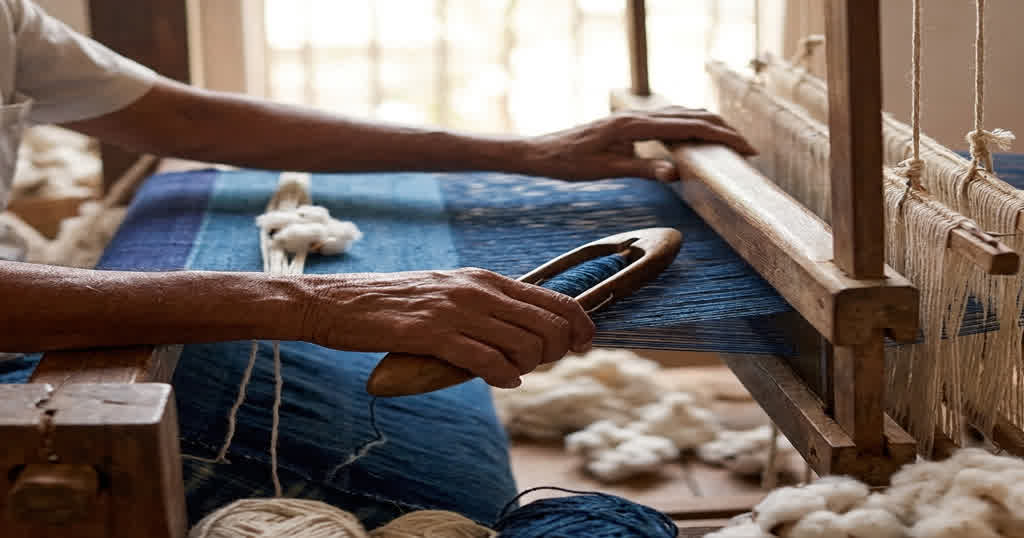
Designers face mounting pressure to prove the origin of their collections as incoming legislation, like the EU Strategy for Sustainable and Circular Textiles, demands strict accountability. An ethical fashion designer must look past simple material substitutions and build a supply chain that actively protects both the environment and the people spinning the yarn. The focus is shifting from basic environmental compliance to radical transparency and verifiable social impact. This transition requires moving away from post-Industrial Revolution mass manufacturing toward decentralized, artisan-led textile production.
By partnering directly with rural weaving clusters, brands can secure low-impact materials while ensuring fair wages and cultural preservation. The decisions made at the sourcing stage dictate the entire lifecycle of the garment, determining whether a collection relies on greenwashed marketing or stands on verifiable zero-waste credentials.
Beyond the Label: The True Definition of an Ethical Fashion Designer
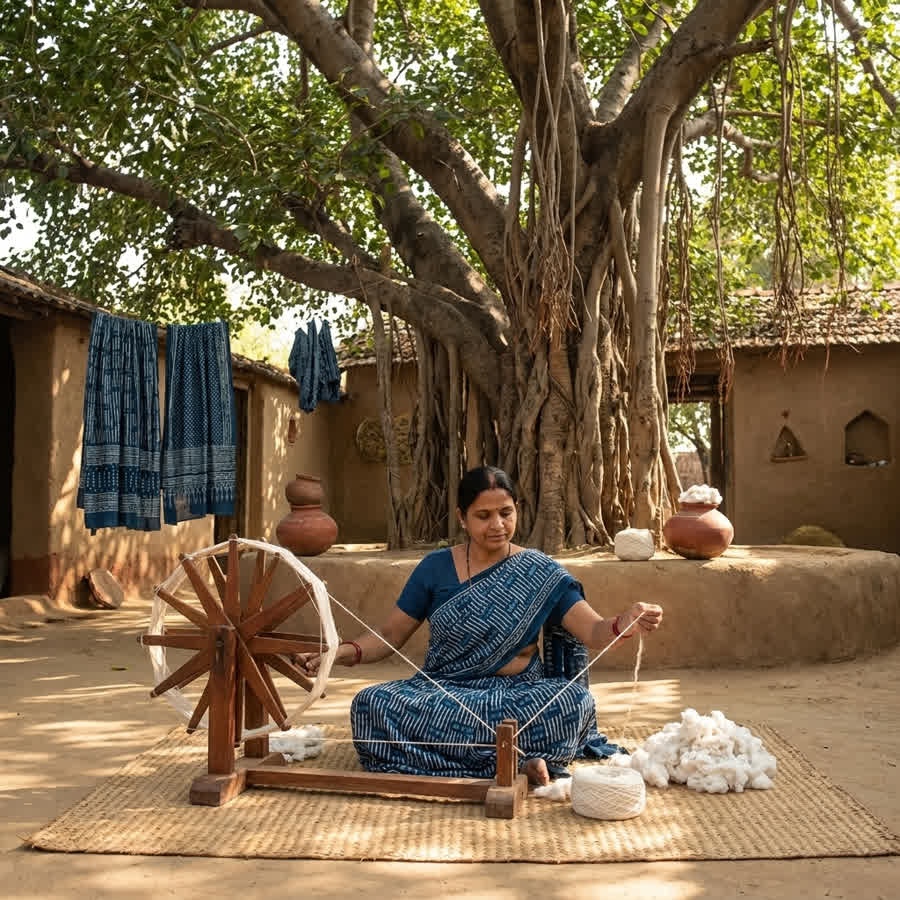
An ethical fashion designer is defined by their commitment to supply chain architecture, prioritizing fair trade, artisan empowerment, and decentralized production over mere material selection. They build equitable partnerships that uplift marginalized communities rather than just checking boxes for environmental compliance. This approach requires a fundamental shift in how a brand views its suppliers, treating rural artisans as vital collaborators rather than interchangeable cogs in a manufacturing machine.
Rooted in the Khadi Movement
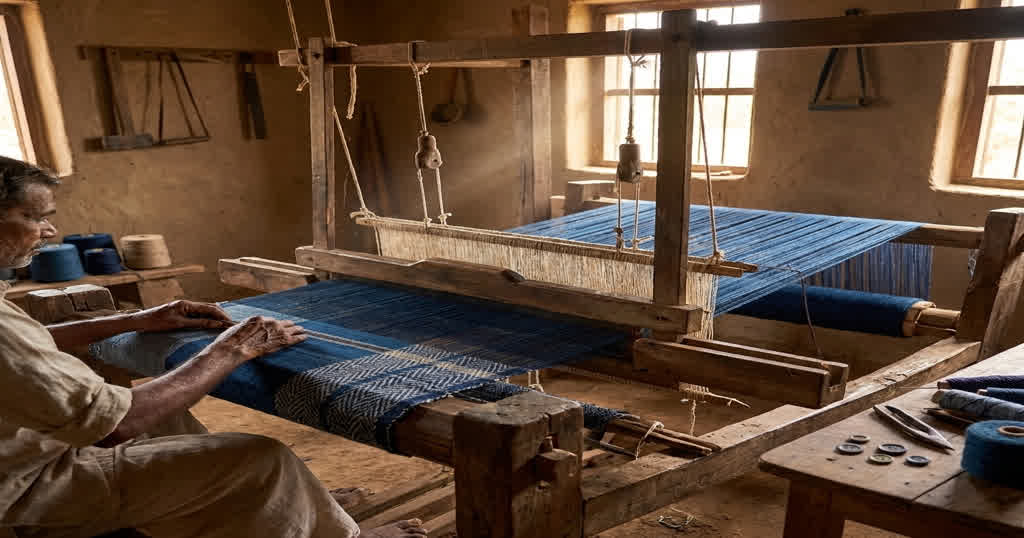
The foundation of this philosophy draws heavily from India's Khadi movement, which championed hand-spun textiles as a tool for economic independence and social equity. By adopting these historical principles, modern designers can reject the exploitative practices of fast fashion and synthetic blends. This model emphasizes decentralized production, allowing weavers in regions like Murshidabad and Malda to work from their own homes and villages.
Working within a decentralized framework provides distinct advantages for a sustainable fashion strategy. It prevents the forced urban migration of artisans and keeps wealth within rural communities. Designers who source through these channels actively sustain heritage handloom techniques that would otherwise be lost to mechanized factories.
Decentralized Production Models
Implementing a decentralized model means rethinking standard procurement strategies to fit the human pace of handloom weaving. This deliberate pacing ensures high fabric quality while respecting the physical limits of the artisans. It inherently limits overproduction, reducing the massive deadstock issues that plague conventional fashion.
To successfully integrate this model, designers should focus on specific operational adjustments:
- Advance commitments: Securing loom capacity early ensures steady work for the artisans and reliable delivery for the brand.
- Core seasonless fabrics: Utilizing consistent base materials reduces the pressure of rapid trend cycles and stabilizes the artisan supply chain.
- Open-book costing: Sharing transparent pricing structures guarantees that a fair percentage of the final garment price reaches the rural spinners and weavers.
By focusing on these structural changes, an ethical fashion designer creates a resilient business model. They achieve a balance between commercial viability and deep grassroots social impact.
Material Integrity: Sourcing Handloom and Low-Impact Textiles
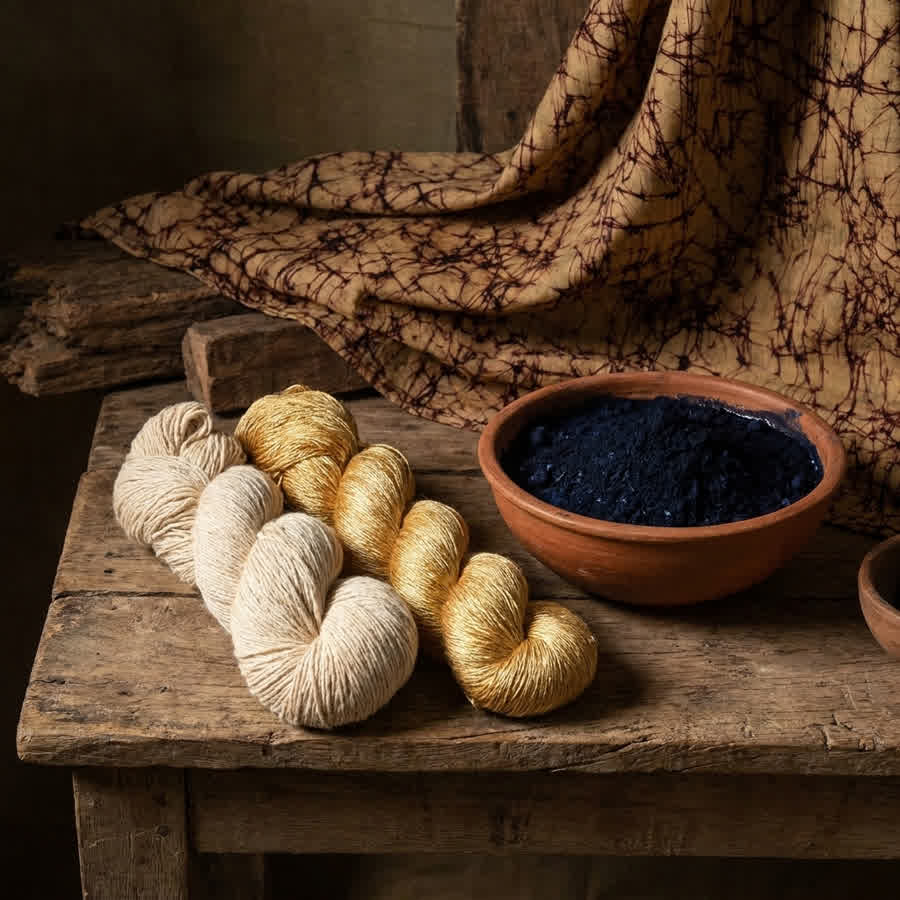
Sourcing handloom and low-impact textiles requires selecting materials like hand-spun cotton and Ahimsa silk that offer superior environmental metrics, such as zero electricity usage and minimal water consumption. These fabrics outperform industrial organic cotton by eliminating heavy mechanization and toxic chemical processing. For an ethical fashion designer, the technical specifications of the fabric are inseparable from its ecological footprint.
The Science of Low-Impact Fibres
Handwoven fabrics provide exceptional versatility for B2B collections, with weights ranging from a sheer 60 GSM Jamdani to a heavy 250 GSM twill. The low-stress hand-spinning process preserves the natural fibre length, resulting in excellent tensile strength and durability. This mechanical advantage means garments last longer, directly supporting a circular fashion model without relying on synthetic reinforcements.
Specific fibres offer unique benefits for sustainable collections:
- Organic Kala cotton: A rain-fed crop that requires no pesticides and minimal irrigation, offering a dry, crisp hand-feel ideal for structured garments.
- Ahimsa silk: Processed without killing the silkworm, this fibre maintains high sericin retention for a softer drape and natural sheen.
- Bast fibres: Fibres derived from the inner bark of the stalk, like hemp or linen, which offer high dye uptake and exceptional longevity.
Eliminating Toxic Effluent
Beyond the raw fibre, the dyeing process is a critical intervention point for an ethical fashion designer. Conventional industrial dyeing is notorious for toxic effluent discharge and heavy water pollution. Handloom clusters mitigate this by utilizing Azo-free dyes or natural plant-based pigments, ensuring safe runoff.
These safer dyeing methods prevent harmful chemicals from entering local waterways and protect the artisans handling the vats. Natural dyes also eliminate the risk of microplastic shedding during the consumer washing phase. By specifying these clean dye processes, brands ensure their material integrity remains intact from the fibre stage through to the final finishing. The resulting textiles offer rich, complex colours that age beautifully, adding intrinsic value to the final garment.
The Economics of Empathy: Fair Wages and Artisan Integration
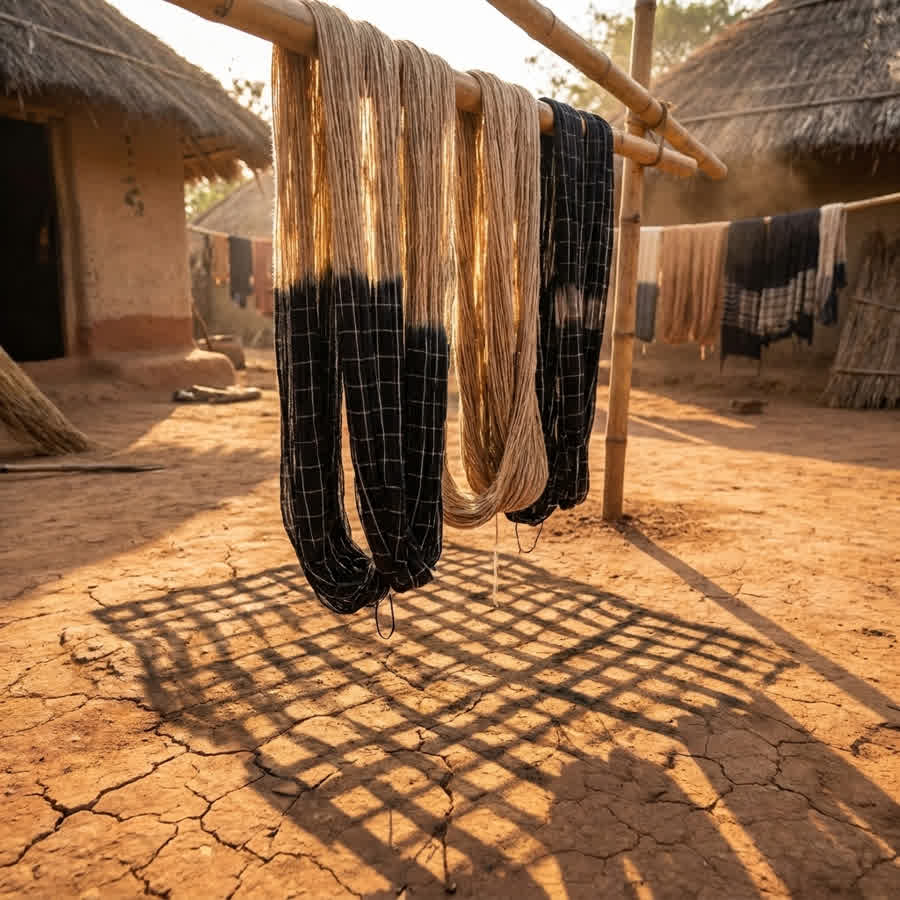
Integrating artisans ethically means structuring pricing and sourcing calendars to accommodate the human pace of handloom weaving, thereby guaranteeing living wages for rural workers. An ethical fashion designer adjusts their business operations to fit the artisan's capacity, rather than forcing the artisan to meet aggressive industrial deadlines. This economic empathy is the cornerstone of a highly equitable supply chain.
Structuring Sourcing Calendars
Industrial fashion operates on rapid turnaround times that are incompatible with hand-crafted textiles. Handloom weaving is a meticulous process; a skilled artisan might weave only three to five meters of complex Jamdani fabric per day. Buyers must build their production schedules around these realities to prevent artisan burnout and maintain high fabric quality.
Adapting the calendar requires specific strategic shifts:
- Extended pre-order windows: Educating the end consumer about the craft allows brands to collect orders before production, minimizing deadstock risk.
- Continuous production lines: Keeping core fabrics in constant production provides year-round financial stability for the weaving cooperatives.
- Buffer lead times: Adding extra weeks to the delivery schedule accounts for natural delays like monsoon seasons, which affect yarn drying times.
Ensuring Living Wages
Paying a living wage goes beyond minimum legal requirements; it ensures artisans can afford healthcare, education, and a decent standard of living. An ethical fashion designer demands open-book costing from their B2B suppliers to verify exactly how much the weaver receives. This transparency prevents intermediaries from absorbing the margins meant for the creators.
Direct financial integration also empowers the artisans to invest back into their craft. When rural spinners and weavers receive fair compensation, they can upgrade their looms and purchase higher quality raw materials. This economic stability encourages the younger generation to learn heritage handloom techniques, ensuring the survival of the craft. By prioritizing fair wages, brands secure a reliable, highly skilled workforce for their future collections.
Traceability as a Design Principle: Mapping the Decentralized Supply Chain
Mapping a decentralized supply chain requires implementing radical transparency to track a garment from the rural spinner to the final stitch. An ethical fashion designer uses traceability not just as a compliance tool, but as a core design principle that dictates how and where every component is sourced. Knowing the exact origin of a fabric is essential for verifying social impact and environmental claims.
Implementing Radical Transparency
In a decentralized model, production is spread across multiple households and villages rather than contained within a single factory floor. This makes tracking complex but entirely possible with the right B2B sourcing partnerships. Brands must work with suppliers who maintain meticulous records of yarn procurement, dye house locations, and specific loom assignments.
Effective traceability relies on capturing granular data points:
Implementing Radical Transparency (continued)
Effective traceability relies on capturing granular data points:
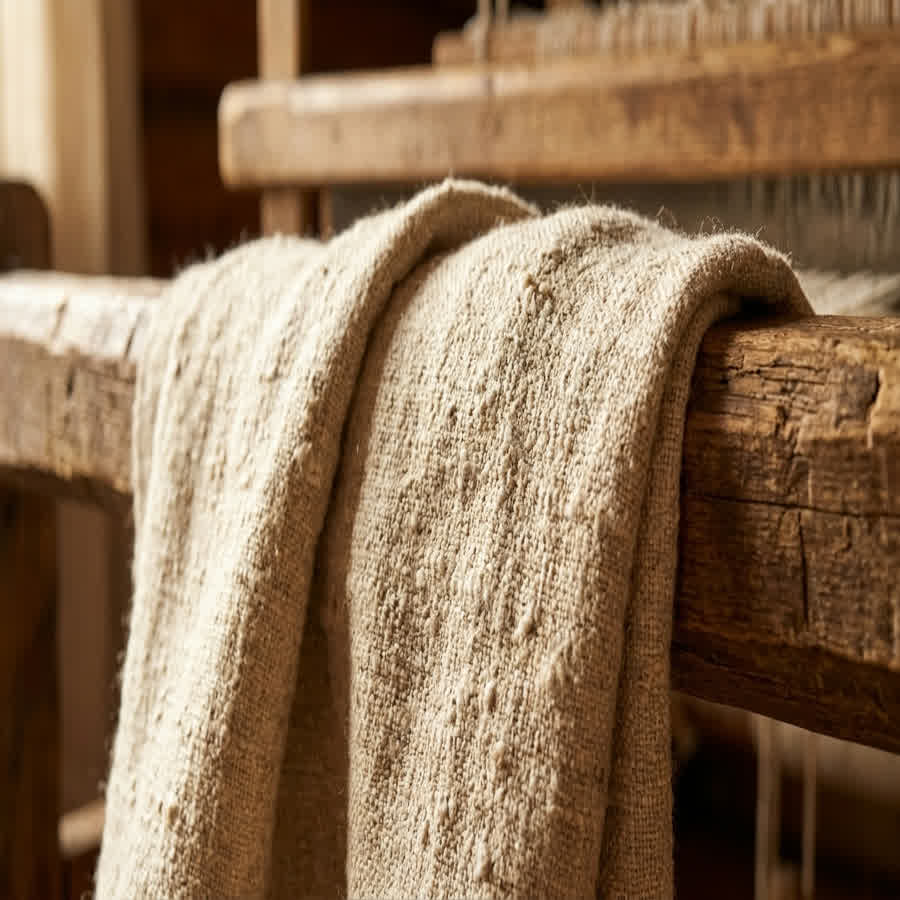
- Fibre origin: Identifying the specific farm or district where the organic Kala cotton or silk was harvested.
- Processing locations: Mapping the exact villages responsible for the spinning, dyeing, and handloom weaving stages.
- Artisan identification: Documenting the specific cooperatives or master weavers who crafted the textile yardage.
Tracking from Spinner to Stitch
When a designer can trace a fabric back to its source, they gain a powerful narrative to share with their buyers. This level of detail satisfies the strict requirements of incoming legislation like the EU Strategy for Sustainable and Circular Textiles. It proves that the brand is actively monitoring its supply chain architecture for ethical compliance.
Mapping the supply chain highlights areas for potential improvement. If a designer notices a bottleneck in the yarn spinning phase, they can provide targeted support or adjust their material choices. This proactive approach ensures the decentralized artisan network remains efficient and supported. Traceability transforms an abstract commitment to sustainability into a verifiable, data-backed reality that builds deep trust with the end consumer.
Manage Greenwashing: Certifications vs. Ground Reality
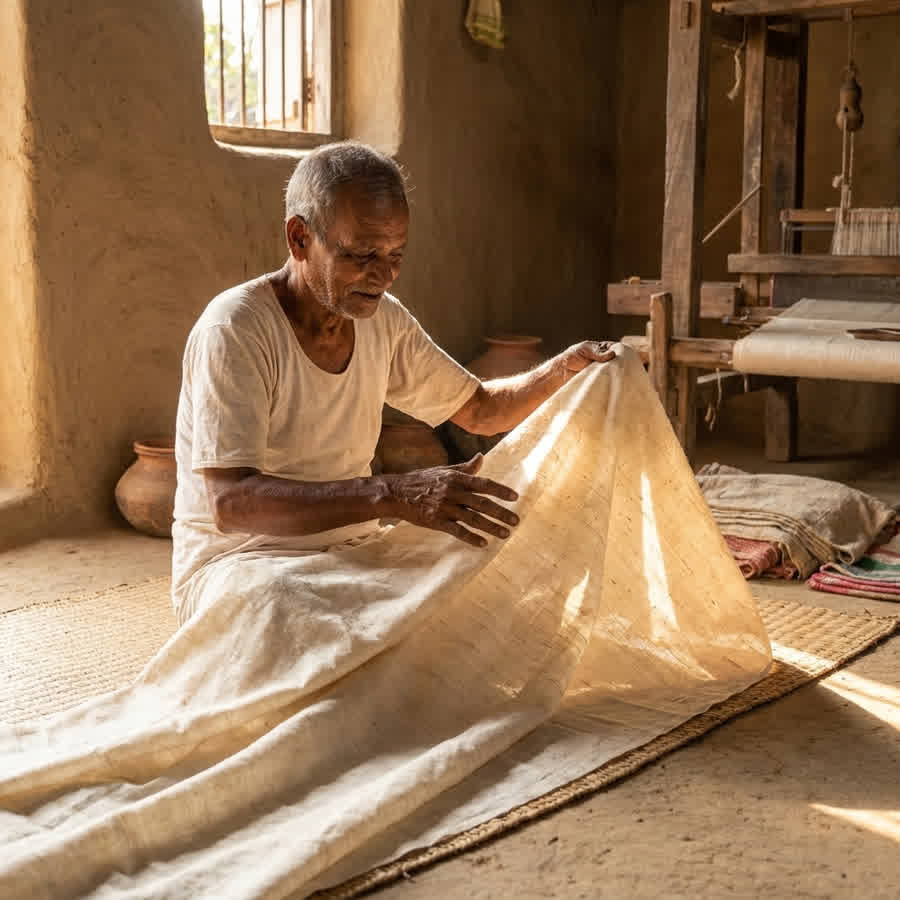
Moving past greenwashing requires recognizing the limitations of standard certifications like GOTS or Fair Trade and prioritizing direct relationships with artisan clusters for deeper ethical compliance. While an ethical fashion designer respects formal audits, they rely on verifiable ground reality and transparent supplier partnerships to guarantee true social impact. Certifications often favour large, centralized factories that can afford expensive auditing fees, inadvertently excluding small-scale rural weavers.
The Limitations of Standard Audits
Standardized audits are designed for industrial manufacturing and often fail to capture the nuances of a decentralized production model. A checklist approach might verify the absence of child labour in a factory, but it struggles to assess the working conditions of an artisan weaving in their own home. This disconnect means that highly ethical, low-impact materials can lack formal certification simply due to the cost and complexity of the paperwork.
The Limitations of Standard Audits (continued)
Relying solely on labels can lead to a false sense of security. Industrial organic cotton might carry a certification, but if it is woven in a factory powered by fossil fuels, its overall environmental metrics remain poor. We currently work with about 10 Matka clusters where the ecological footprint is near zero, yet formal certification remains financially out of reach for these independent weavers.
Building Direct Artisan Relationships
To achieve verifiable transparency, brands must look beyond the label and engage directly with their supply chain. This involves partnering with decentralized networks that facilitate direct cluster visits and provide unedited access to the weaving cooperatives.
Building these relationships involves several practical steps:
- Direct cluster visits: Traveling to regions like Murshidabad or Malda to witness the handloom weaving process firsthand.
- Open communication channels: Maintaining regular contact with the master weavers to discuss fabric quality and production timelines.
- Collaborative problem solving: Working together to overcome challenges like yarn shortages or monsoon-related delays.
By focusing on ground reality, an ethical fashion designer builds a supply chain based on mutual trust rather than transactional audits. This hands-on approach ensures that the brand's sustainability narrative is entirely accurate, protecting them from accusations of greenwashing and establishing them as a leader in responsible sourcing.
Explore Our Collection
Anuprerna works directly with handloom artisan clusters to weave ethical fashion designer for designers and brands building considered collections. To source it for your next line, explore the range below.
frequently asked questions
How does an ethical fashion designer verify fair wages in a decentralized artisan supply chain?
Verification requires moving beyond standard factory audits to demand open-book costing and direct documentation of wage distribution. Ethical designers partner with transparent B2B suppliers like Anuprerna who facilitate direct cluster visits and prove that payments go directly to the weavers' cooperatives. This hands-on approach ensures that the financial benefits actually reach the rural artisans performing the labor.
What is the technical difference between sustainable and ethical fashion design?
While 'sustainable' primarily addresses environmental impact metrics like carbon footprint and water usage, 'ethical' focuses heavily on the human element of the supply chain. An ethical fashion designer ensures fair labor practices, safe working conditions, and the active preservation of traditional crafts and rural livelihoods. True ethical design requires balancing material science with deep social responsibility.
Can handloom textiles meet the tensile strength and GSM requirements for commercial fashion collections?
Yes, handloom textiles can be engineered to specific B2B requirements, achieving durable weights of 200+ GSM suitable for outerwear. The low-stress hand-spinning process preserves the natural fiber length, which maintains excellent tensile strength without the need for synthetic blends. This allows brands to source heavy twills and strong fabrics that meet strict commercial durability standards.
How do ethical designers manage the longer lead times associated with artisan-made textiles?
Ethical designers adapt their sourcing calendars to the 'slow fashion' model by integrating core, seasonless fabrics into their collections. They place advance commitments to secure loom capacity early and use the artisan narrative to justify longer pre-order windows to their end consumers. This strategic pacing prevents artisan burnout while ensuring a reliable supply of high-quality handwoven materials.
Why is organic Kala cotton considered a superior choice for ethical fashion designers?
Organic Kala cotton is a rain-fed crop that requires zero pesticides and minimal irrigation, offering drastically lower water consumption than conventional industrial cotton. It provides a highly durable, breathable fabric with a crisp hand-feel that is ideal for structured garments. By sourcing this indigenous fiber, designers support sustainable agriculture while securing a high-performance textile for their collections.
More Blogs

how celebrities who care about the environment are changing fashion
life cycle assessment (lca) in fashion: measuring your brand's true impact
how to source ethical raw silk for your fashion label
top commercial uses of natural dyes in sustainable fashion
how eco friendly celebrities are changing the fashion industry
how to become an ethical fashion designer: a sourcing guide