How to Become an Ethical Fashion Designer: A Sourcing Guide

Transitioning a sketch into a physical garment requires material choices that dictate the entire socio-economic footprint of a collection. For an ethical fashion designer, the pressure to secure transparent, traceable supply chains is mounting against the reality of high minimum order quantities and opaque factory networks. The modern roots of this movement trace back to the 1990s anti-sweatshop campaigns, but the actual mechanics of responsible textile production require a deeper structural shift. Incoming EU greenwashing legislation, such as the Ecodesign for Sustainable Products Regulation, means that vague sustainability claims are no longer legally viable.
Building a compliant and impactful brand requires anchoring production in decentralized artisan networks, ensuring verifiable socio-economic impact while securing low-impact, high-performance materials for pilot collections.
Deconstructing the 'Ethical' Label: Beyond Marketing to Material Reality
Defining ethical fashion requires moving past marketing claims to measure concrete B2B metrics like living wages, decentralized production models, and traceable raw materials from farm to loom. An ethical fashion designer must evaluate the entire lifecycle of a textile, ensuring that every hand involved in the process receives fair compensation above regional minimum pay standards.
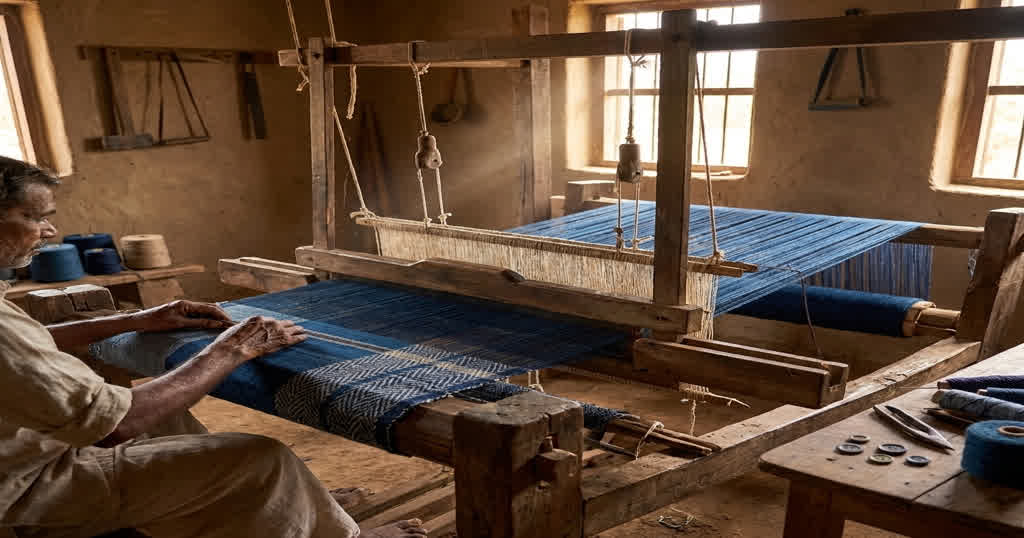
At Anuprerna, our definition of ethical production is deeply anchored in India's decentralized Khadi heritage. This system was championed historically as a mechanism for rural self-reliance and economic independence. By shifting focus from centralized factories to rural artisan clusters, brands can build a supply chain that actively sustains communities.
The Shift to Decentralized Production
Industrial manufacturing centralizes wealth and carbon emissions, while artisan supply chains distribute economic opportunity across rural villages. By partnering directly with handloom weavers in regions like Murshidabad and Malda, brands can support a zero-carbon production model.
This decentralized approach offers distinct advantages for a growing label:
- Direct economic impact: Capital flows straight to the weaving clusters and spinners rather than corporate intermediaries.
- Reduced carbon footprint: Hand-spinning and handweaving require zero electricity, drastically lowering Scope 3 emissions.
- Preservation of heritage craft: Consistent B2B orders keep generational weaving techniques alive and financially viable.
- Transparent pricing structures: Buyers can see the exact percentage of the fabric cost allocated to artisan wages.
Traceability from Farm to Loom
Sourcing raw materials responsibly is the foundation of any sustainable collection. Designers face immense pressure from eco-conscious consumers to prove the origin of their fabrics, especially as regulatory scrutiny intensifies.
A transparent supply chain maps the journey of the fiber before it ever reaches the loom. This means knowing the exact agricultural origins of the cotton or silk, and understanding the dyeing processes applied to the yarn. We prioritize visibility into every stage, from the cotton farmers in Gujarat to the dyers in Bengal.
When an ethical fashion designer specifies a fabric, they are also specifying the agricultural practices and labor conditions embedded within it. By demanding verifiable socio-economic impact data, brands can confidently market their collections without fear of greenwashing accusations.
The Sourcing Matrix: Evaluating Handloom vs. Mill-Made Textiles
Evaluating handloom versus mill-made textiles requires comparing the high energy consumption and carbon footprint of industrial production against the zero-carbon, socio-economic benefits of rural handweaving. For an ethical fashion designer, choosing a fabrication method directly impacts the technical specifications, the environmental footprint, and the narrative of the final garment.
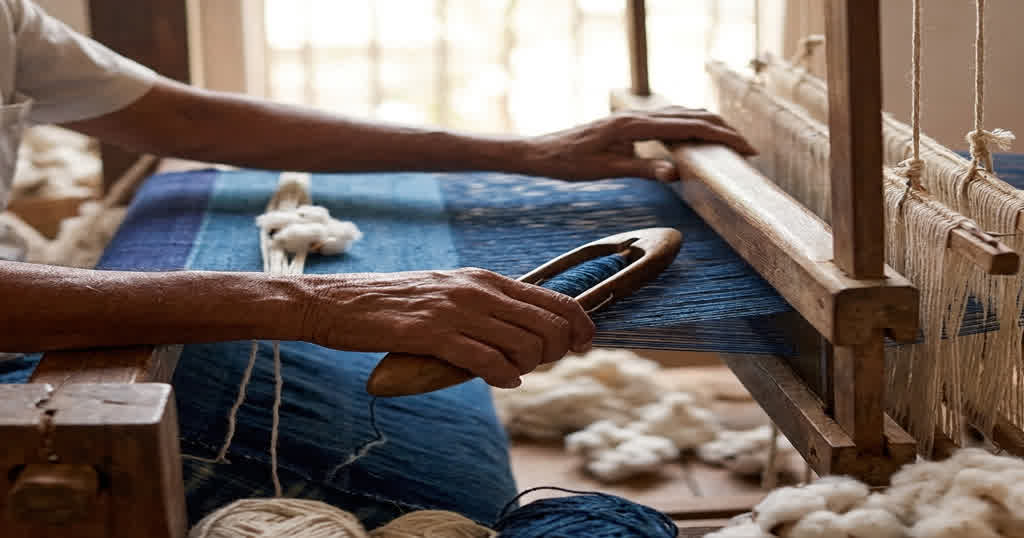
Industrial mills prioritize speed and uniformity, relying on heavy machinery that consumes vast amounts of water and electricity. In contrast, the handloom weaving process operates entirely on human skill and mechanical looms, offering a radically different approach to textile creation.
Technical Differences in Fabric Structure
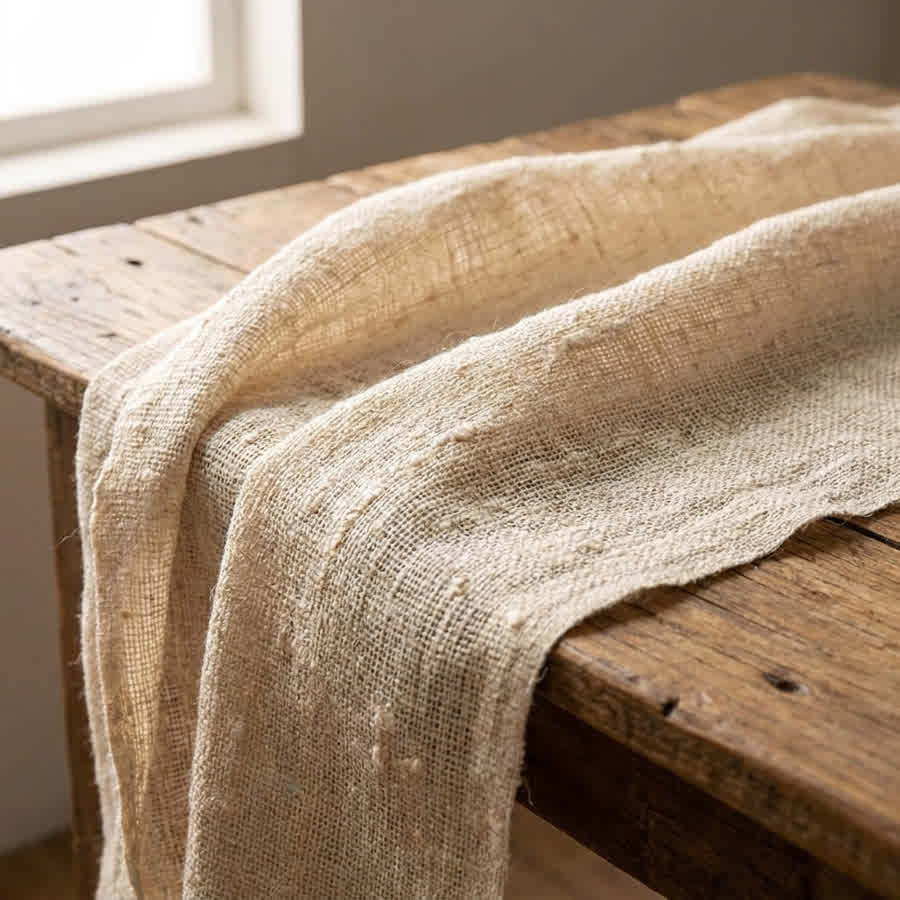
The physical properties of handwoven fabrics differ significantly from their mill-made counterparts. The tension applied during handweaving is naturally irregular, resulting in a textile that breathes better and possesses a distinct tactile richness and superior drape.
Technical Differences in Fabric Structure (continued)
Designers should consider these structural characteristics when sourcing:
- Enhanced breathability: The lower thread tension allows for better air circulation within the weave.
- Unique textural variations: Slight slubs and irregularities are inherent to the craft, serving as a signature of authentic handloom production.
- Superior drape qualities: Handwoven fabrics often exhibit a softer, more fluid drape compared to rigid, tightly woven industrial textiles.
- Durability and longevity: When woven with high-quality natural fibers, handloom textiles offer excellent tensile strength for long-lasting garments.
Socio-Economic Impact of Weaving Choices
Beyond the physical fabric, the choice between mill and handloom dictates where a brand's capital goes. Sourcing from industrial mills often supports opaque labor practices, whereas buying from artisan supply chains directly funds rural economies.
We work with weaving clusters across Bengal, ensuring that the production of custom ethical handloom fabrics provides steady, dignified employment. This model empowers artisans to work from their own homes or local community centers, maintaining their traditional way of life.
Transitioning to handloom textiles allows a brand to replace generic, mass-produced yardage with heritage craftsmanship. This shift not only improves the brand's sustainability metrics but also provides a compelling, transparent story that resonates deeply with conscious wholesale buyers.
Manage MOQs and Lead Times in Artisan Supply Chains
Planning production around artisan supply chains means accommodating the slower pace of hand-spinning and handweaving while utilizing low MOQs to test pilot collections and prevent deadstock. An ethical fashion designer must adjust their traditional sourcing calendar to align with the realities of decentralized rural production, where speed is secondary to craftsmanship and environmental care.
Industrial mills often demand thousands of meters per order, forcing independent brands to tie up capital in excess inventory. Artisan networks offer a more flexible, low-waste sourcing model that aligns with sustainable business practices.
Strategic Advantages of Low MOQs
Securing low minimum order quantities is critical for emerging labels and mid-size brands testing new sustainable lines. By ordering only what is needed, designers can eliminate the financial and environmental burden of unsold fabric.
Working with artisan clusters provides several inventory benefits:
Strategic Advantages of Low MOQs (continued)
- Pilot collection testing: Order 10 to 50 meters for sampling runs without committing to massive production.
- Reduced deadstock risk: Produce exact yardage requirements, minimizing textile waste at the source.
- Iterative design flexibility: Adjust colors, weaves, and yarn counts between small batches based on market feedback.
- Accessible capital requirements: Launch new collections without the prohibitive upfront costs demanded by conventional mills.
Adapting Production Calendars
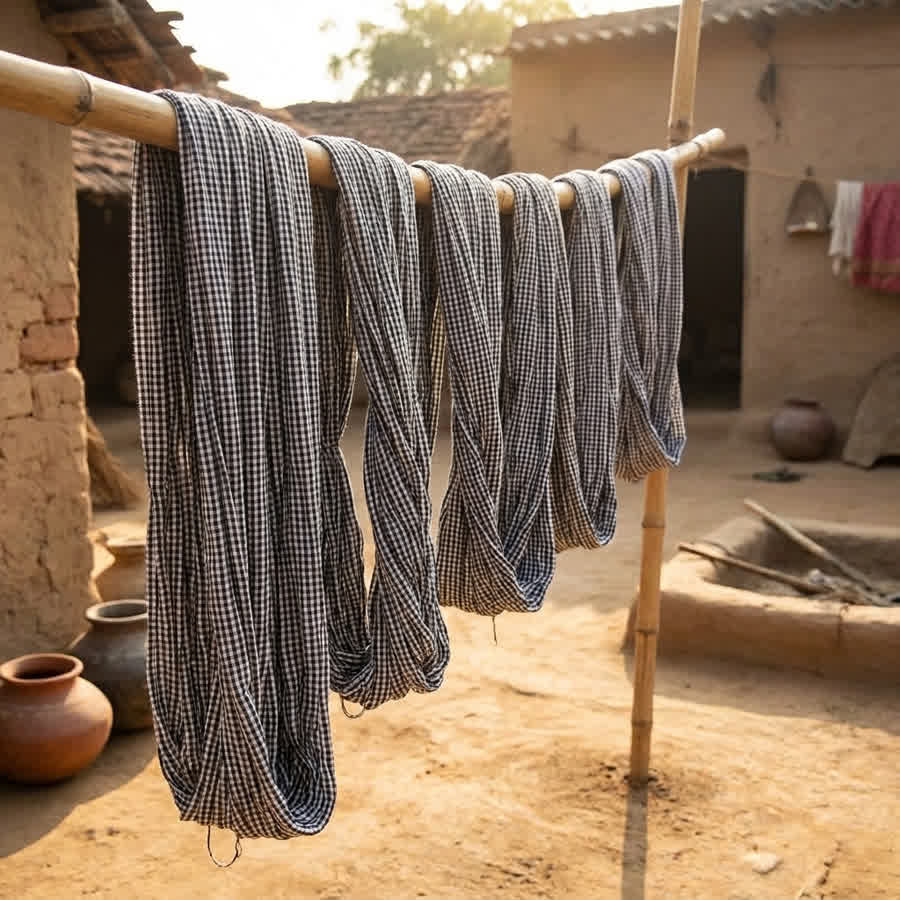
Handloom production is inherently slower than industrial manufacturing. The processes of yarn dyeing, warping, and weaving are done manually, requiring a thoughtful approach to lead times.
Designers must factor in external variables, such as monsoon seasons, which can delay the drying of naturally dyed yarns. We advise our B2B partners to build an additional four to six weeks into their production schedules when transitioning to artisan-made textiles.
This adjusted timeline is not a delay; it is the necessary duration for authentic heritage craftsmanship. By communicating these lead times transparently to wholesale buyers and retail customers, an ethical fashion designer can reframe the wait as a testament to the garment's quality and ethical origins.
Certifications vs. Ground Truth: How to Vet Your Textile Partners
Vetting textile partners requires moving beyond standard certifications like GOTS to establish direct-to-artisan relationships, conduct cluster visits, and demand transparent pricing models. While third-party labels provide a baseline of compliance, an ethical fashion designer must seek out the ground truth of their supply chain to ensure genuine socio-economic impact.
Certifications can be prohibitively expensive for small rural weaving clusters, meaning that some of the most sustainable, low-impact producers operate without formal tags. Building a transparent supply chain relies on direct communication and verifiable data rather than purchased seals of approval.
Evaluating Direct-to-Artisan Relationships
A reliable sourcing partner should be able to name the specific villages and communities where their fabrics are woven. Opaque intermediaries often obscure poor labor conditions and inflated profit margins.
Evaluating Direct-to-Artisan Relationships (continued)
When assessing a new supplier, designers should look for specific indicators of ethical practice:
- Transparent pricing breakdowns: Visibility into the exact percentage of costs paid directly to the artisan workforce.
- Traceable production stages: Clear documentation of where the fiber is spun, dyed, and woven across the supply chain.
- Long-term cluster commitments: Evidence that the supplier provides consistent, year-round work rather than seasonal exploitation.
- Open communication channels: Willingness to facilitate direct conversations or visits with the weaving communities.
The Role of Natural Dyes and Chemistry
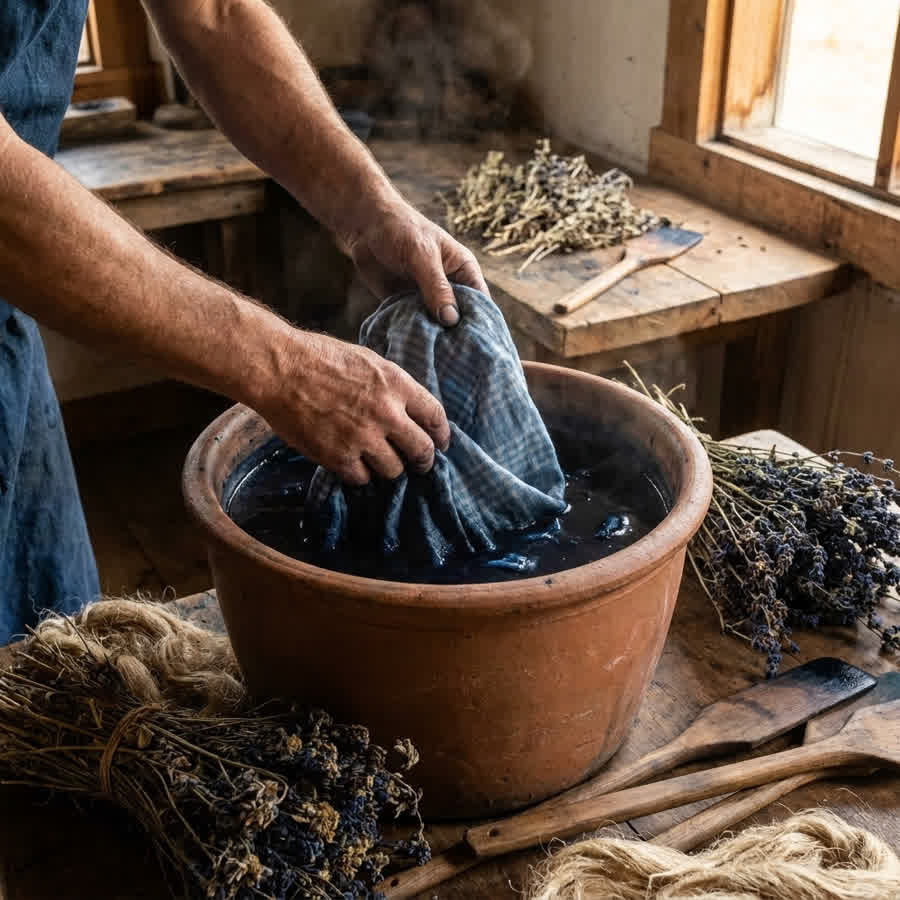
Vetting a partner also involves scrutinizing their chemical management, particularly regarding dyeing processes. Many conventional facilities rely on heavy metals and toxic fixatives to achieve colorfastness standards.
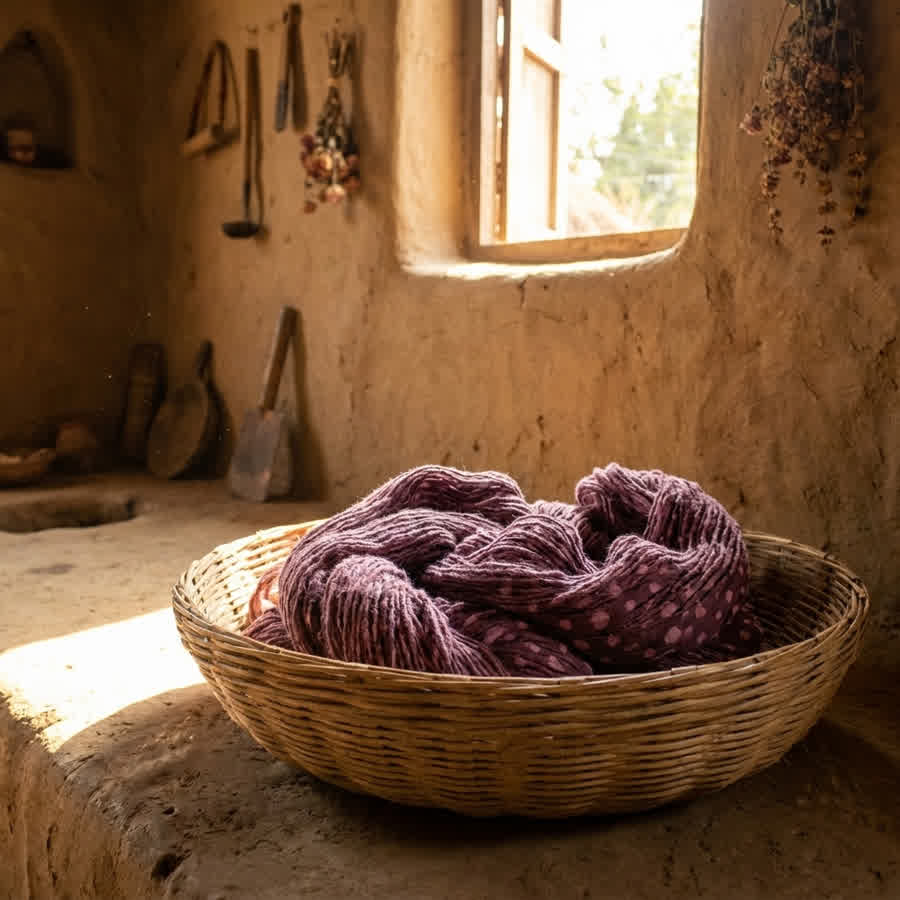
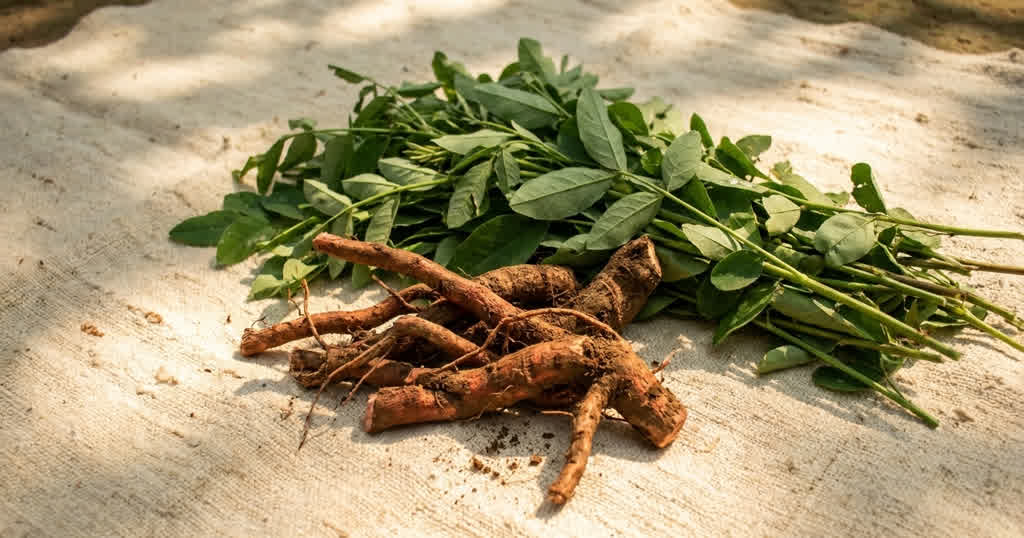
We specialize in AZO-free dyes and natural dyeing techniques that require precise mordanting. Using natural binders like alum and myrobalan, artisans can achieve commercial colorfastness without polluting local waterways.
Understanding these technical details allows an ethical fashion designer to ask the right questions during the sourcing phase. By demanding proof of safe dye chemistry and fair labor practices, brands can forge authentic partnerships that withstand the scrutiny of incoming EU greenwashing legislation.
Building a Core Collection with Kala Cotton and Peace Silk
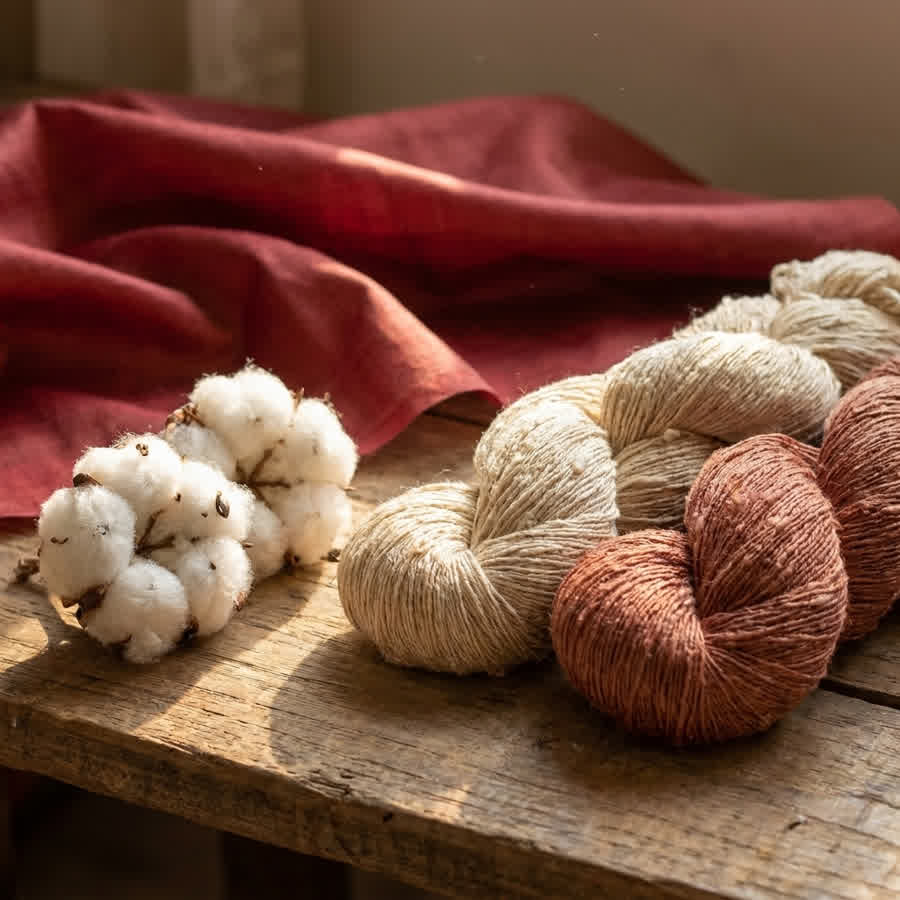
Building a sustainable core collection involves selecting high-performance, low-impact materials like Kala Cotton and Peace Silk, which offer distinct GSM ranges, drape qualities, and ethical credentials. For an ethical fashion designer, the choice of raw fiber dictates the garment's longevity, its end-of-life recyclability, and the agricultural impact of its production.
Focusing on indigenous and cruelty-free fibers allows brands to differentiate their collections in a crowded market. These materials provide exceptional tactile properties while supporting regenerative agricultural practices and humane harvesting methods.
The Resilience of Kala Cotton
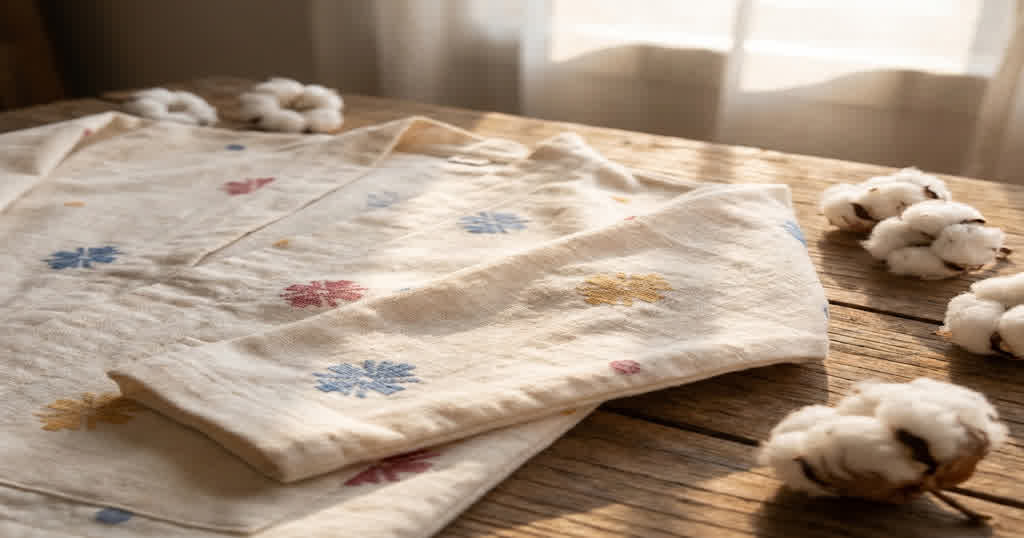
Kala Cotton is an indigenous, short-staple cotton grown in the arid regions of Kutch, Gujarat. It is a rain-fed crop with high drought tolerance, requiring zero synthetic pesticides and minimal irrigation.
Integrating this fiber into a B2B collection offers significant technical and environmental benefits:
The Resilience of Kala Cotton (continued)
- Drastically reduced water consumption: Eliminates the heavy irrigation required by conventional Bt cotton.
- High durability and strength: The coarse, short-staple fibers create a highly durable fabric with a dry, crisp hand-feel.
- Excellent dye uptake: Absorbs natural dyes beautifully, resulting in deep, earthy tones.
- Versatile GSM ranges: Suitable for everything from lightweight shirting to heavier jackets and trousers.
The Innovation of Ahimsa (Peace) Silk
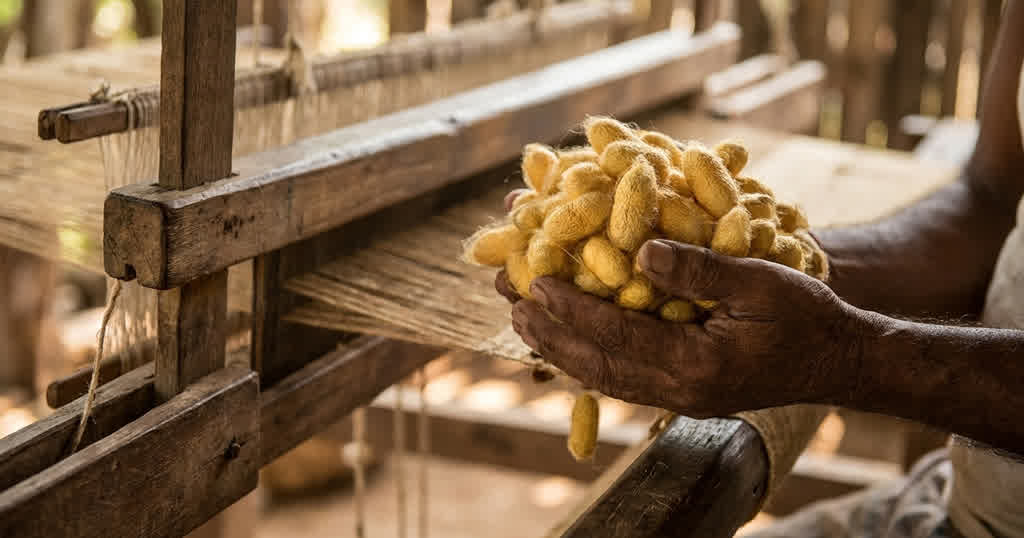
Conventional silk production involves boiling the pupae alive inside their cocoons to extract a continuous filament. Ahimsa Silk, or Peace Silk, allows the moth to hatch and leave the cocoon before the silk is harvested.
This humane process alters the technical specifications of the fiber. Because the continuous thread is broken when the moth emerges, the silk must be spun rather than reeled. This affects the sericin retention, resulting in a fabric with slightly less luster but a beautifully textured, slubby appearance.
By utilizing Peace Silk, an ethical fashion designer can offer luxury garments with verifiable cruelty-free credentials. The resulting textiles possess a soft, breathable drape, making them ideal for premium dresses, blouses, and eveningwear that align with strict ethical sourcing standards.
Explore Our Collection
Anuprerna works directly with handloom artisan clusters to weave ethical fashion designer for designers and brands building considered collections. To source it for your next line, explore the range below.
frequently asked questions
How do I verify that my fabric supplier pays a living wage to artisans?
Look for decentralized supply chains that offer transparent pricing breakdowns. At Anuprerna, we provide visibility into the exact percentage of the **fabric cost** that goes directly to the **weaving clusters**, spinners, and dyers, ensuring fair compensation above regional minimums.
What are the typical MOQs for custom ethical handloom fabrics?
Unlike industrial mills that require thousands of meters, ethical artisan networks like Anuprerna support **low MOQs** (typically 10-50 meters for sampling, and 100+ meters for production). This allows designers to test markets and iterate designs without the financial and environmental risk of **textile deadstock**.
Can natural dyes achieve the same colorfastness as synthetic AZO dyes?
Yes, when properly mordanted using natural binders like alum or iron, **natural dyes** offer excellent commercial colorfastness. However, designers must account for slight batch-to-batch **tonal variations**, which should be positioned to consumers as the unique, premium signature of handcrafted textiles.
How does sourcing rain-fed Kala cotton impact my brand's carbon footprint?
Kala cotton is an indigenous, rain-fed crop requiring zero synthetic pesticides and **minimal irrigation**. Sourcing it drastically reduces water consumption and agricultural carbon emissions compared to conventional, heavily irrigated **Bt cotton**, directly improving your brand's Scope 3 emissions profile.
How does Ahimsa (Peace) Silk differ technically from conventional silk?
Ahimsa Silk is spun rather than reeled because the moth is allowed to pierce the cocoon, resulting in a textured, slubby yarn with altered **sericin retention** and tensile strength. This cruelty-free harvesting method produces a fabric with a softer, more breathable drape and slightly less high-gloss luster than conventional **boiled silk**, making it ideal for premium, ethically sourced garments.
More Blogs

how celebrities who care about the environment are changing fashion
life cycle assessment (lca) in fashion: measuring your brand's true impact
how to source ethical raw silk for your fashion label
top commercial uses of natural dyes in sustainable fashion
how eco friendly celebrities are changing the fashion industry
what makes an ethical fashion designer? core principles & practices