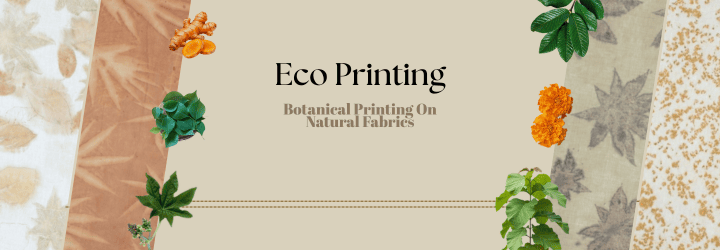
ECO PRINTING

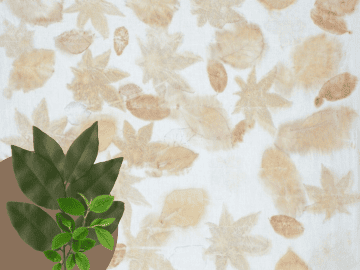
Eco Printing, also known as Botanical Printing, is a natural textile technique that transfers the colours and intricate impressions of leaves, flowers, bark, and other botanical materials directly onto fabric. Each print is naturally unique, reflecting the beauty of nature and the changing seasons. Best suited for natural fibres such as silk, cotton, linen, wool, hemp, and bamboo, eco printing creates one-of-a-kind textiles through a sustainable, handcrafted process.
HOW ECO PRINTING BEGAN
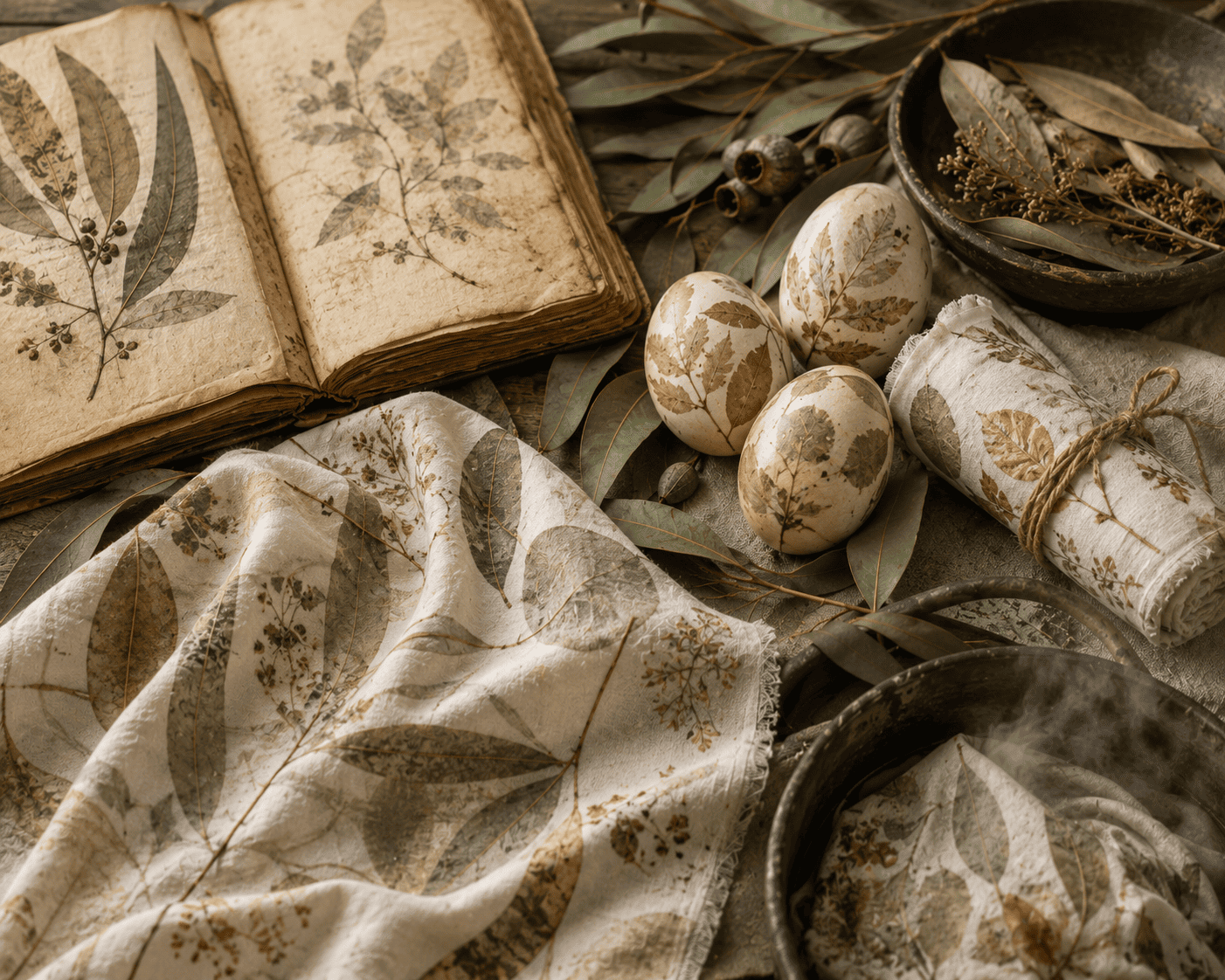
Rooted in ancient traditions of natural dyeing and botanical nature printing—where early herbalists pressed leaves into manuscripts to record their shapes—modern Eco-Printing emerged in the late 1990s through Australian artist India Flint. Inspired by the natural impressions Eucalyptus leaves left on unwashed chicken eggs, she developed a method to transfer the pigments, shapes, and textures of plants directly onto fabric and paper using steam, heat, and natural mordants. Today, this eco-friendly art form blends art and ecology, offering a sustainable, zero-waste way to capture nature’s fleeting beauty directly onto textiles.
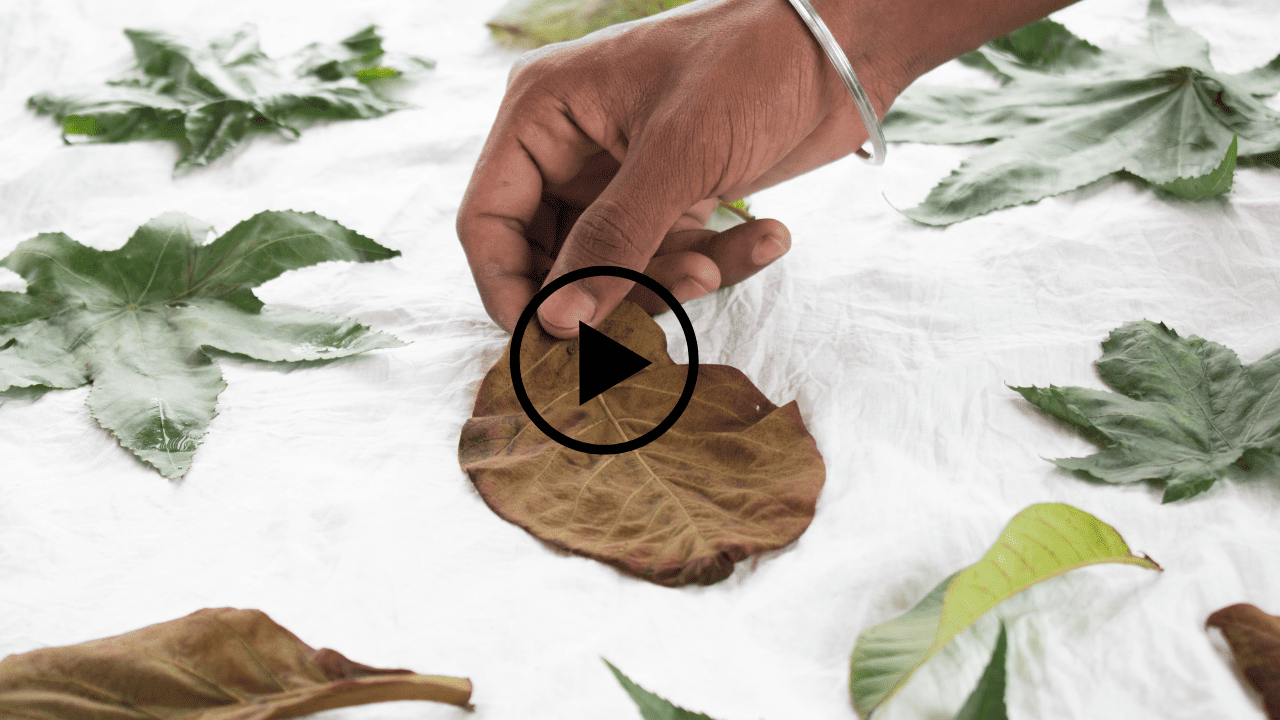
WATCH THE ECO PRINTING PROCESS
THE JOURNEY OF AN ECO PRINT
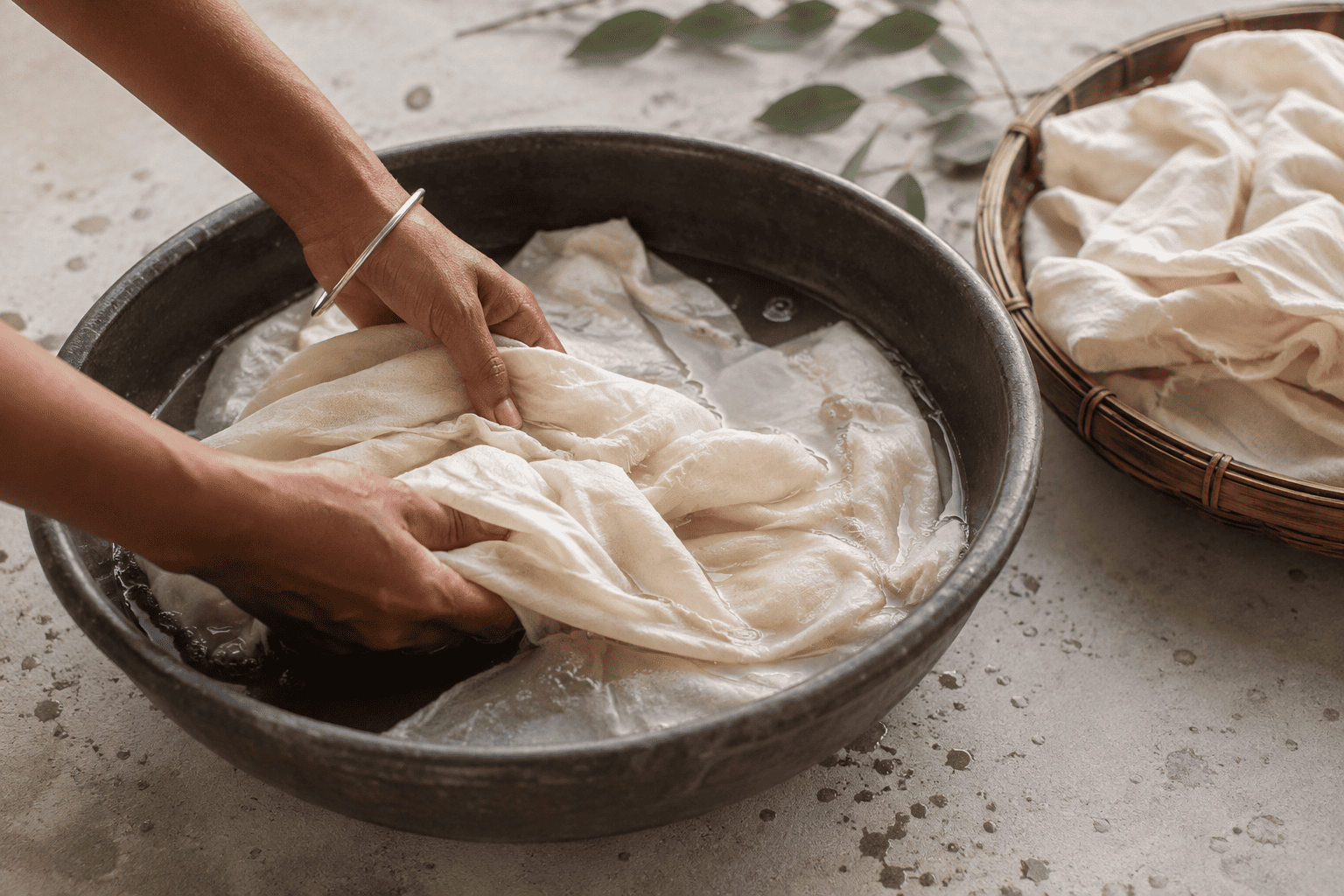
1. FABRIC PREPARATION
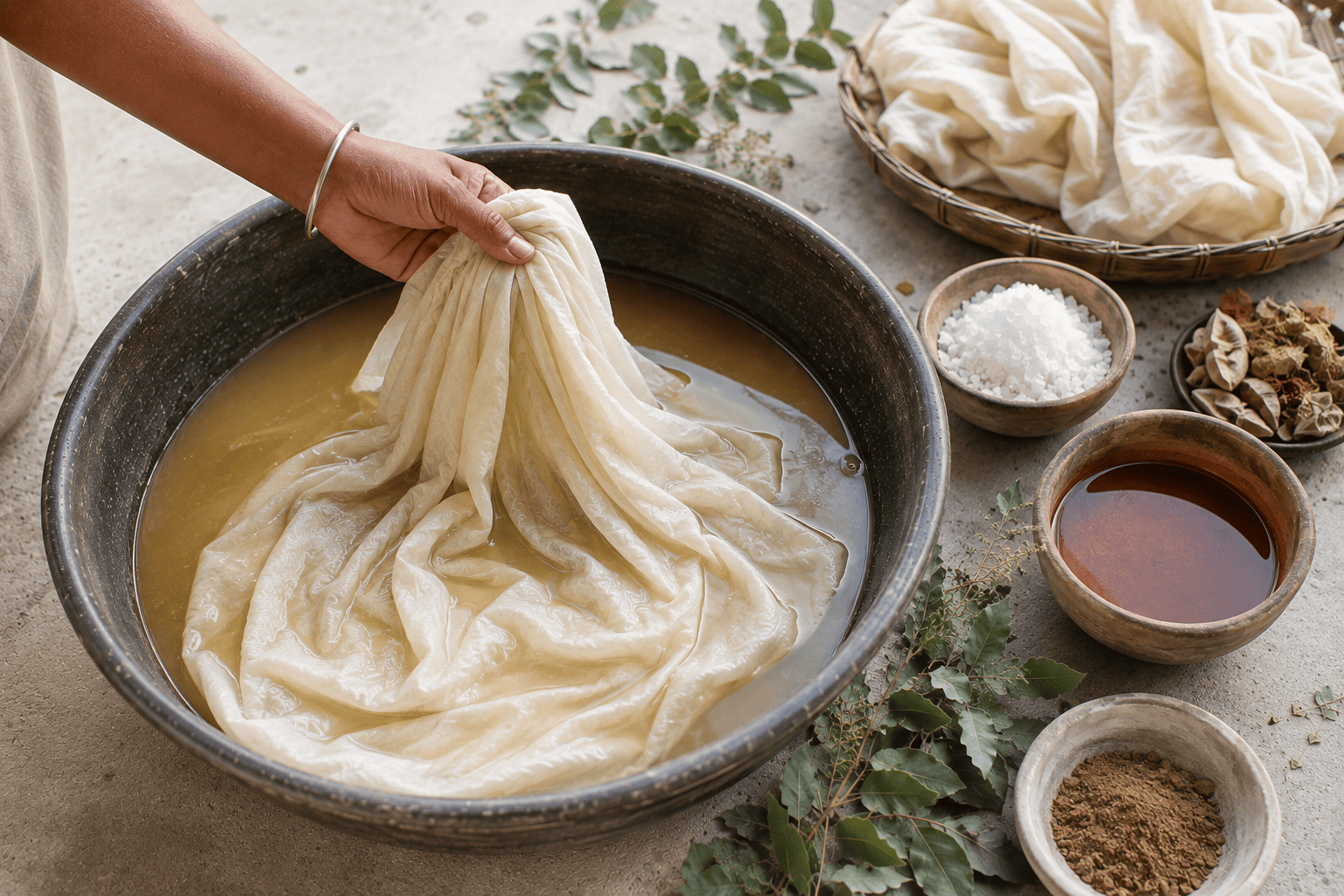
The fabric is first thoroughly scoured to remove natural oils, dust, and finishing chemicals. Clean fabric allows botanical pigments to transfer more effectively.
2. MORDANTING
Before printing, the fabric is treated with natural or mineral mordants such as alum, iron, or tannin-rich plant extracts. Mordants help bind the natural pigments to the fibre while also influencing the final colours produced.
3. BOTANICAL ARRANGEMENT
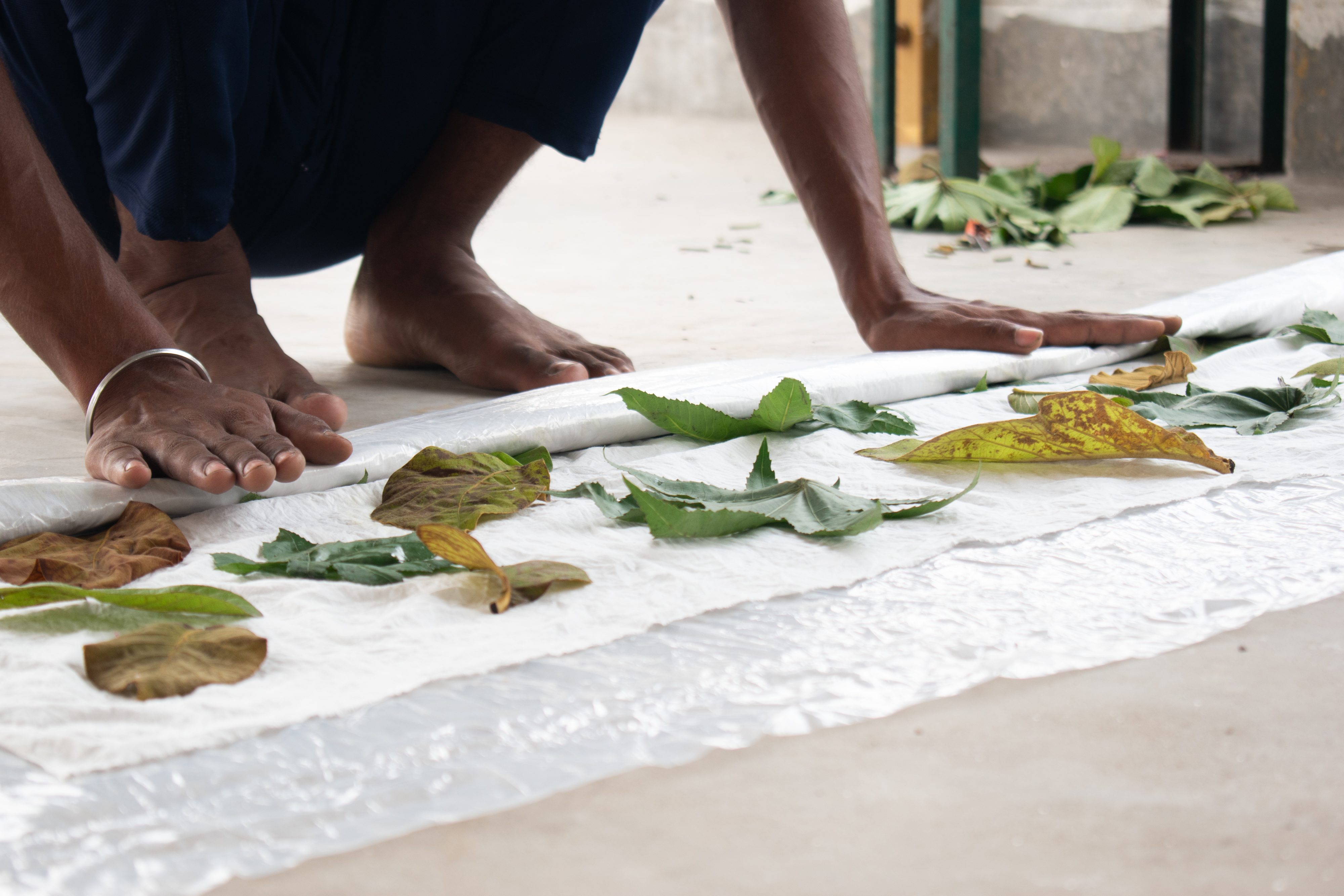
The selected leaves and flowers are thoughtfully arranged by hand on the prepared fabric. This stage combines craftsmanship with creativity, as every placement contributes to the final composition.
4. BUNDLING
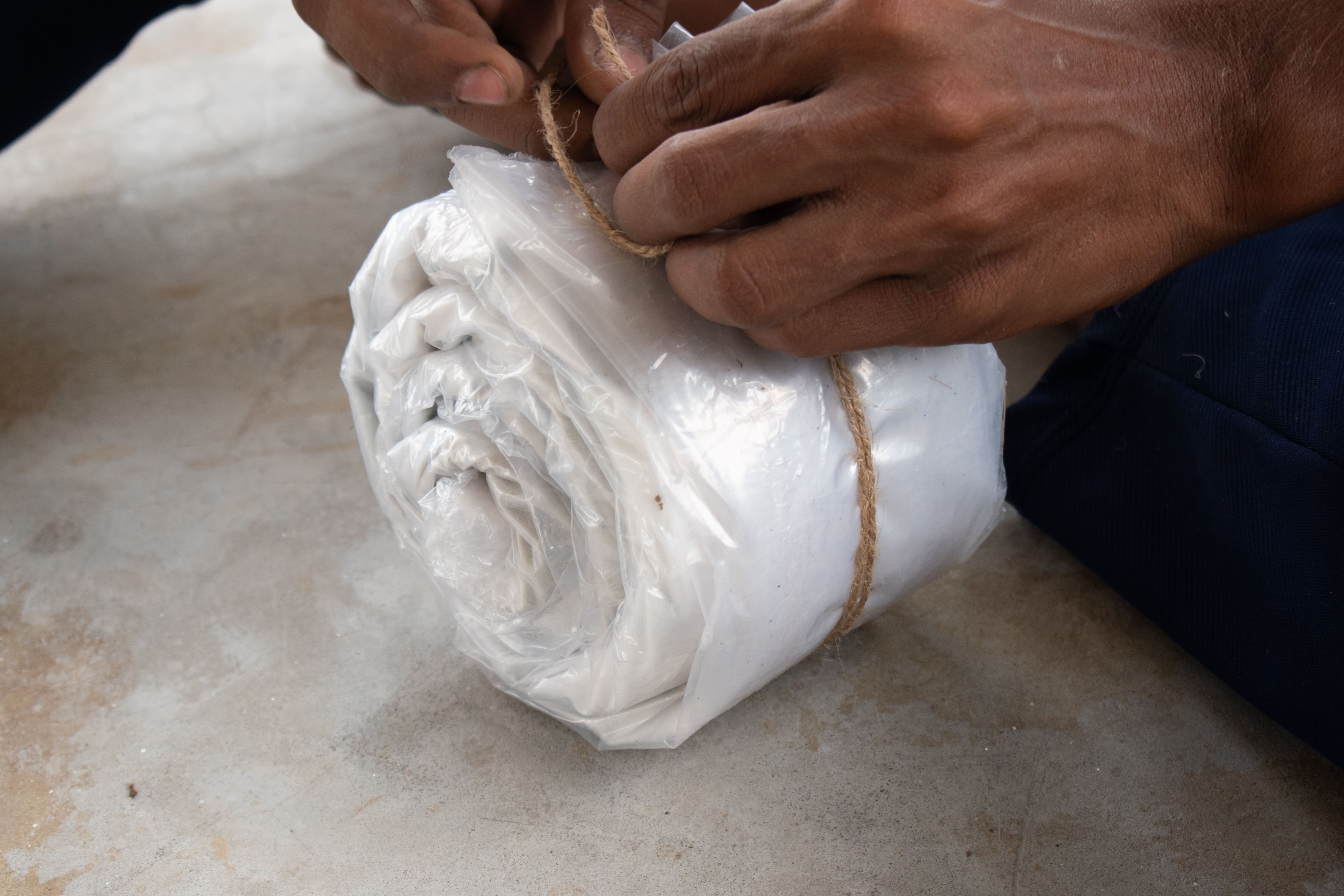
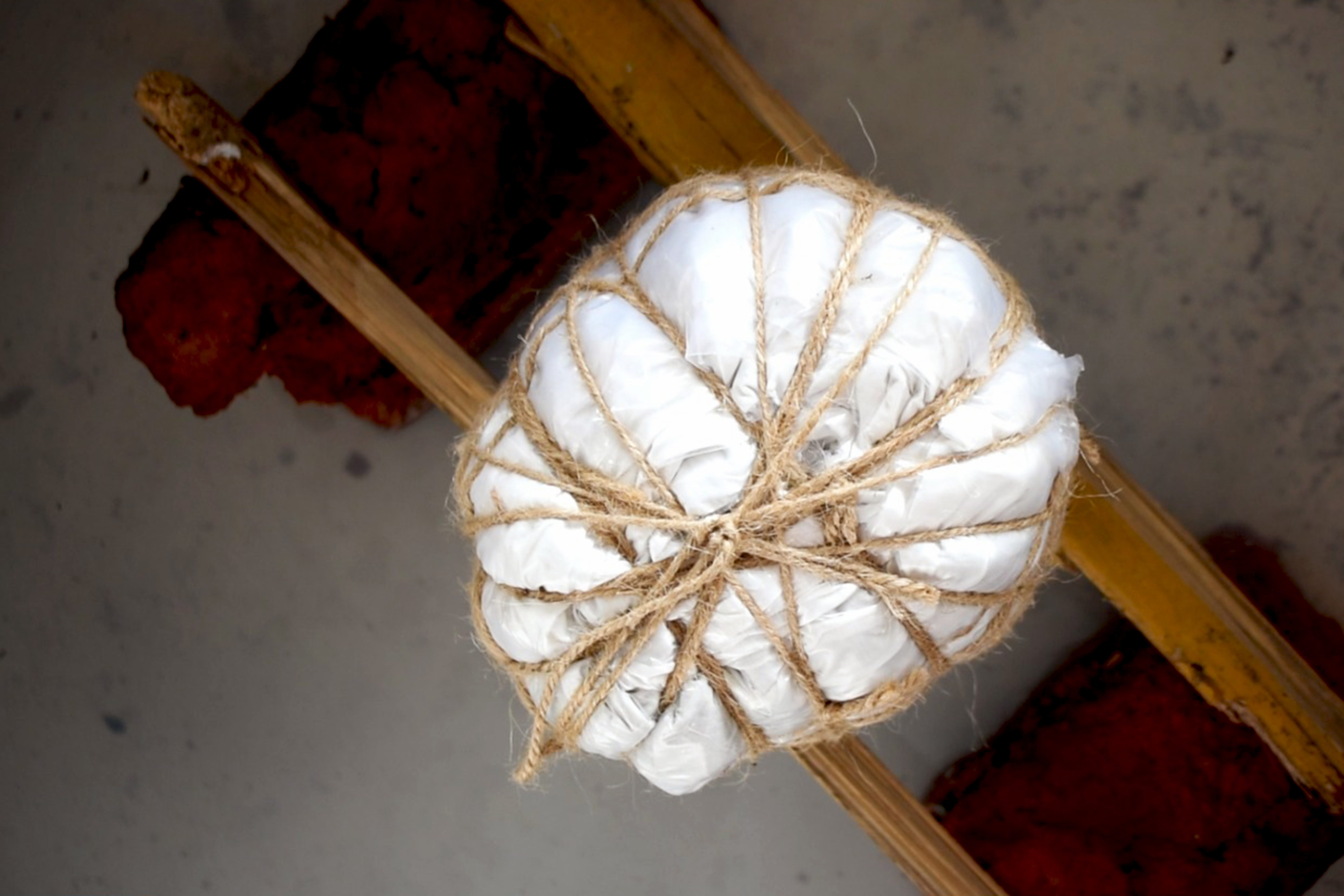
Once the botanical arrangement is complete, the fabric is carefully folded or rolled around a wooden dowel or metal rod and tightly secured with natural string or cotton thread. Keeping the bundle firm ensures close contact between the plant materials and the fabric, allowing every leaf and flower to transfer its finest details.
5. STEAMING
The tightly bound bundle is gently steamed for several hours, allowing heat and moisture to release the botanicals' natural pigments. During this process, the colours, shapes, and intricate vein patterns are permanently transferred onto the fabric, creating distinctive botanical impressions.
6. COLOUR FIXING & DEVELOPMENT
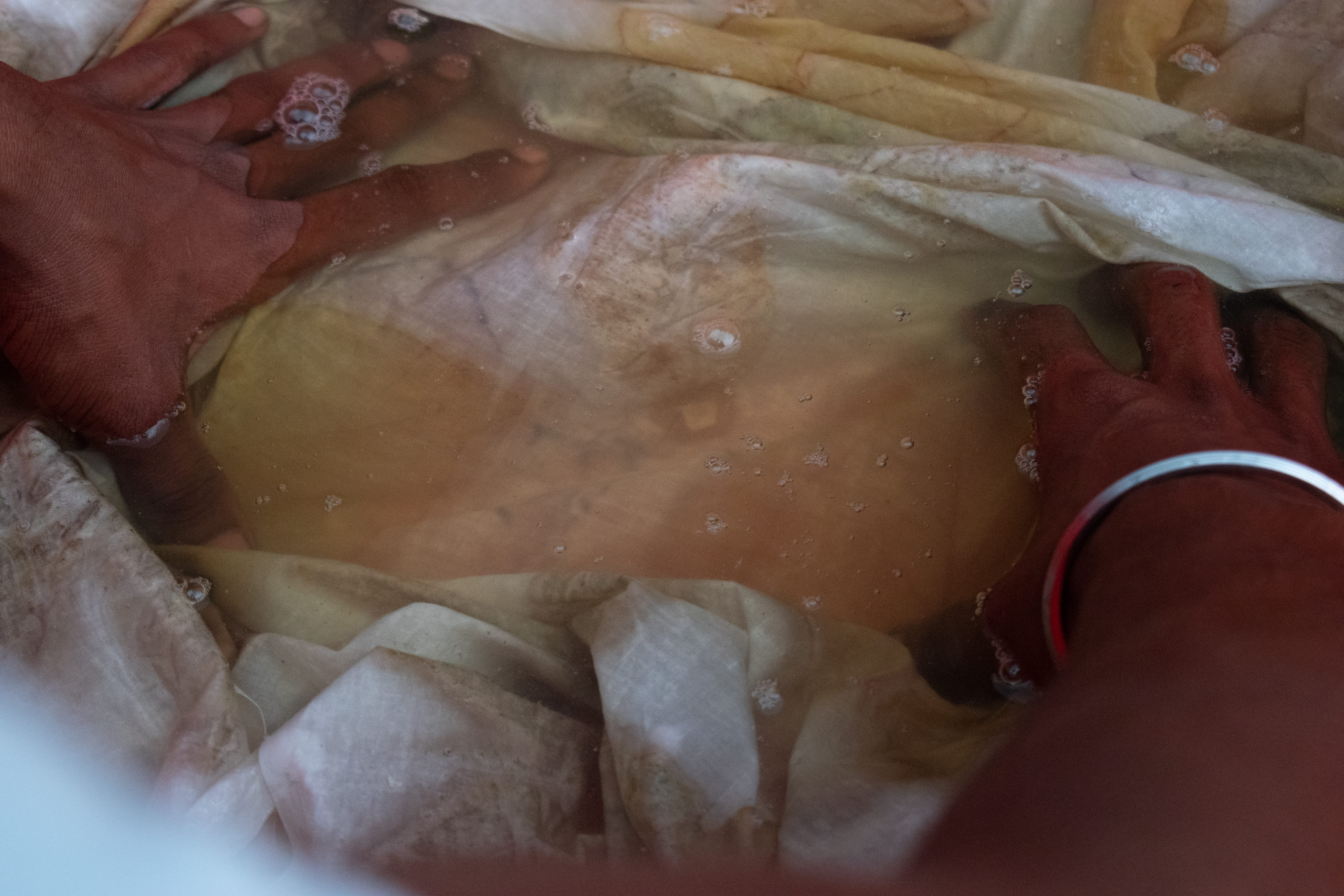
After the bundle is opened, the fabric may be briefly immersed in a mild alum or natural mineral solution to help stabilise and enhance the botanical colours. Depending on the desired effect, some eco printers also use natural modifiers such as iron to deepen or alter the tones. This step helps develop the final appearance of the print before the fabric is gently washed and dried.
7. THE FINAL REVEAL
The fabric is gently washed to remove any loose botanical residue, naturally dried, and cured. As the colours settle and mature, the unique botanical impressions become fully visible, revealing a one-of-a-kind handcrafted eco print.
COMMON BOTANICALS USED IN ECO PRINTING
MARIGOLD PETALS
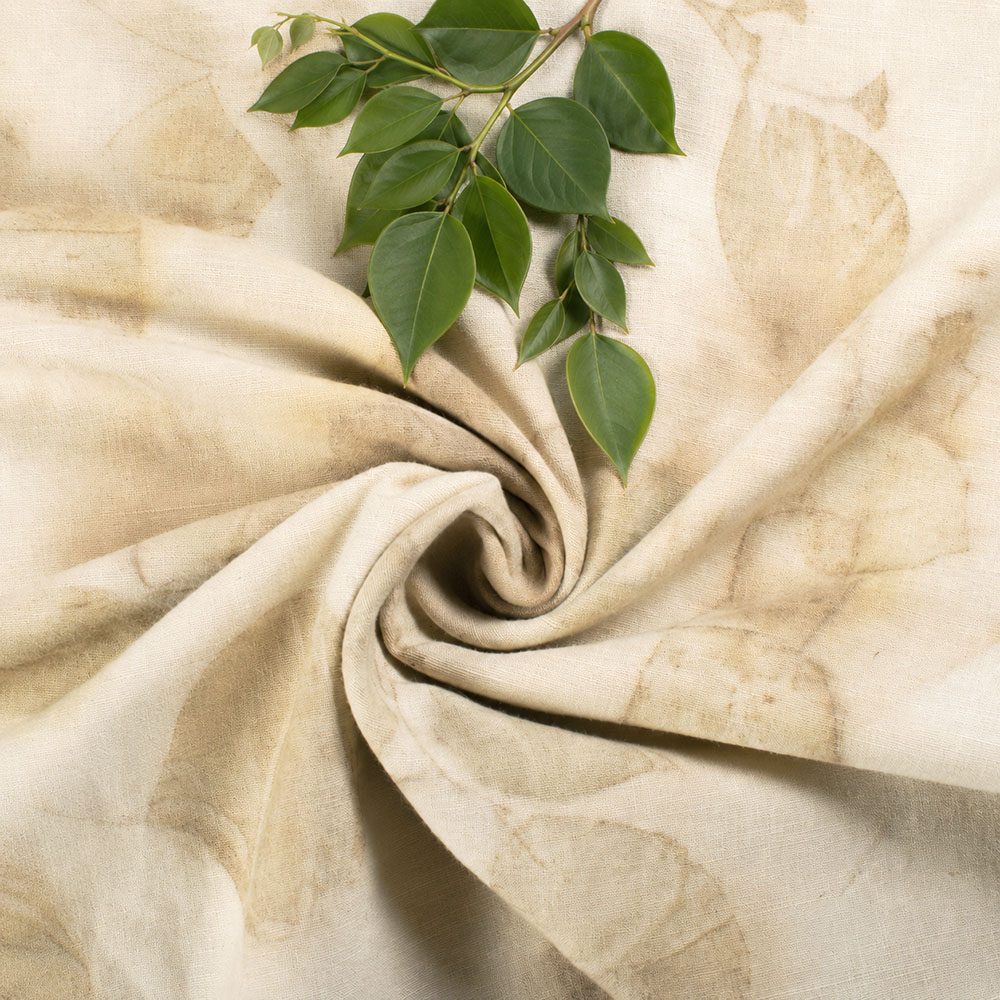
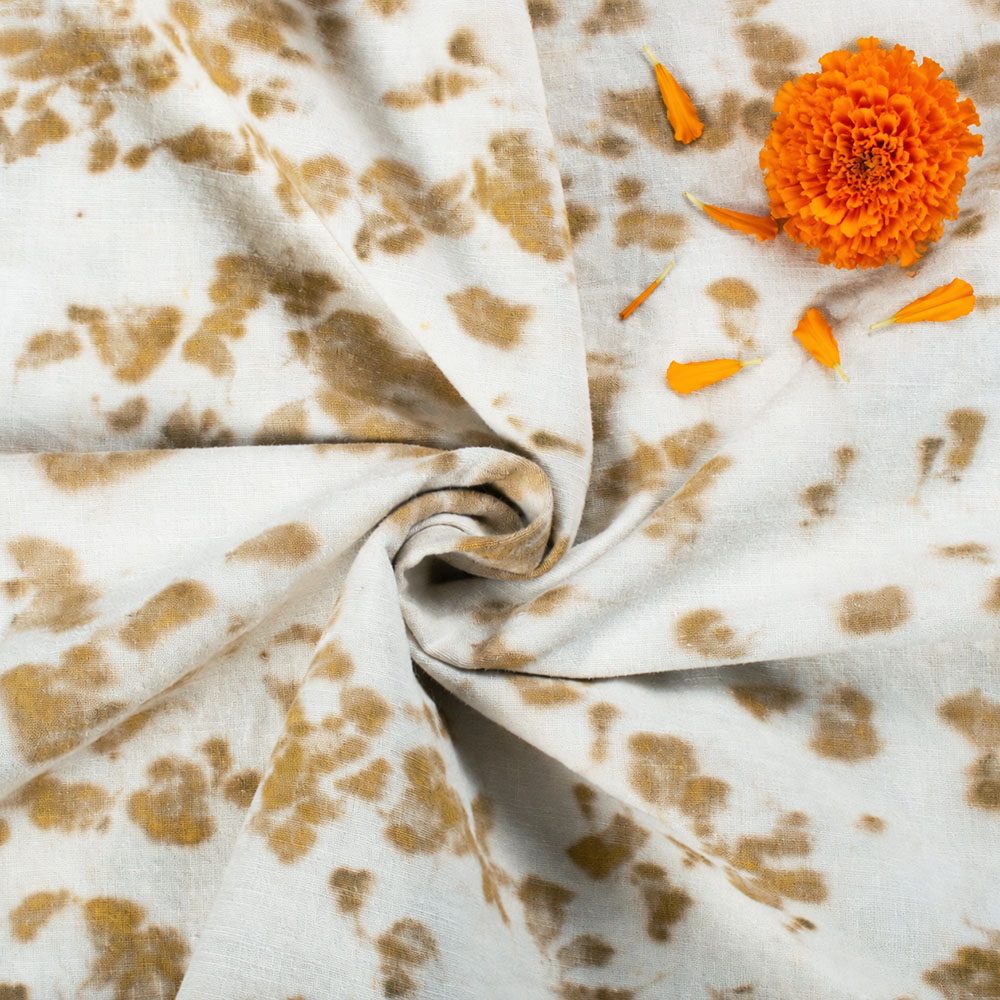
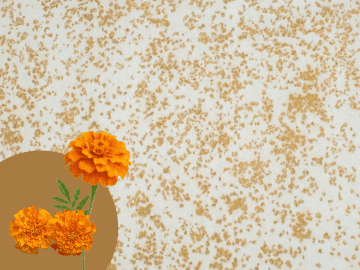
Marigold leaves are valued in eco printing for their intricate shapes, delicate vein patterns, and natural botanical pigments. They produce soft olive greens, muted browns, golden olive, and earthy tones depending on the mordant and printing process. Their finely detailed leaf impressions add organic texture, depth, and natural elegance to handcrafted eco-printed textiles, making them a beautiful choice for nature-inspired designs.
INDIAN ROSEWOOD LEAVES
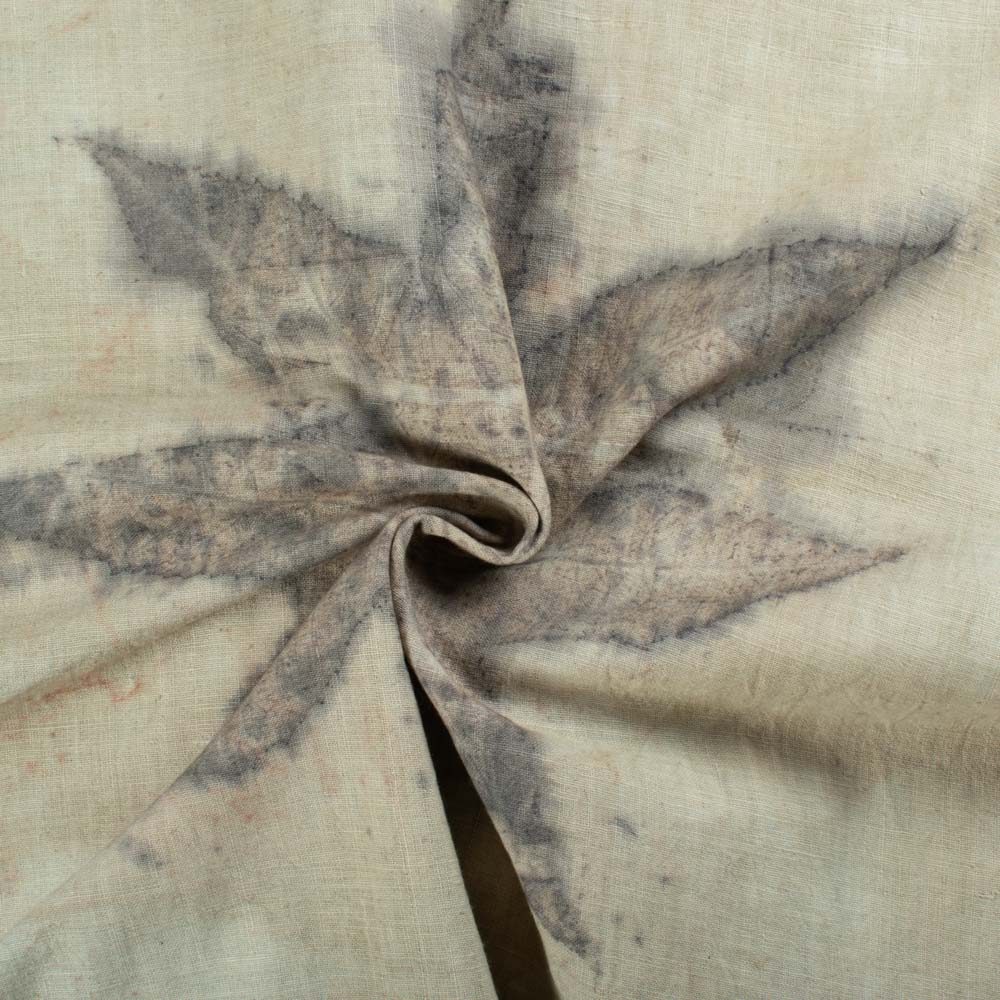
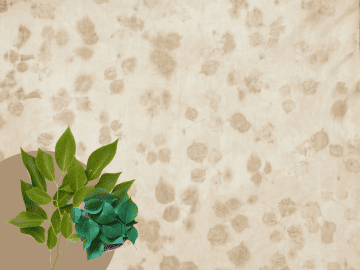
Indian Rosewood leaves are prized in eco printing for their rich natural tannins, elegant leaf shapes, and beautifully defined vein patterns. They produce soft shades of earthy brown, olive, muted grey, and warm khaki depending on the mordant and printing process. Their natural pigments create detailed botanical impressions with remarkable depth and texture, adding warmth, character, and timeless elegance to handcrafted eco-printed textiles. Each print reflects the unique beauty of nature, ensuring that no two fabrics are ever exactly alike.
TEAK LEAVES
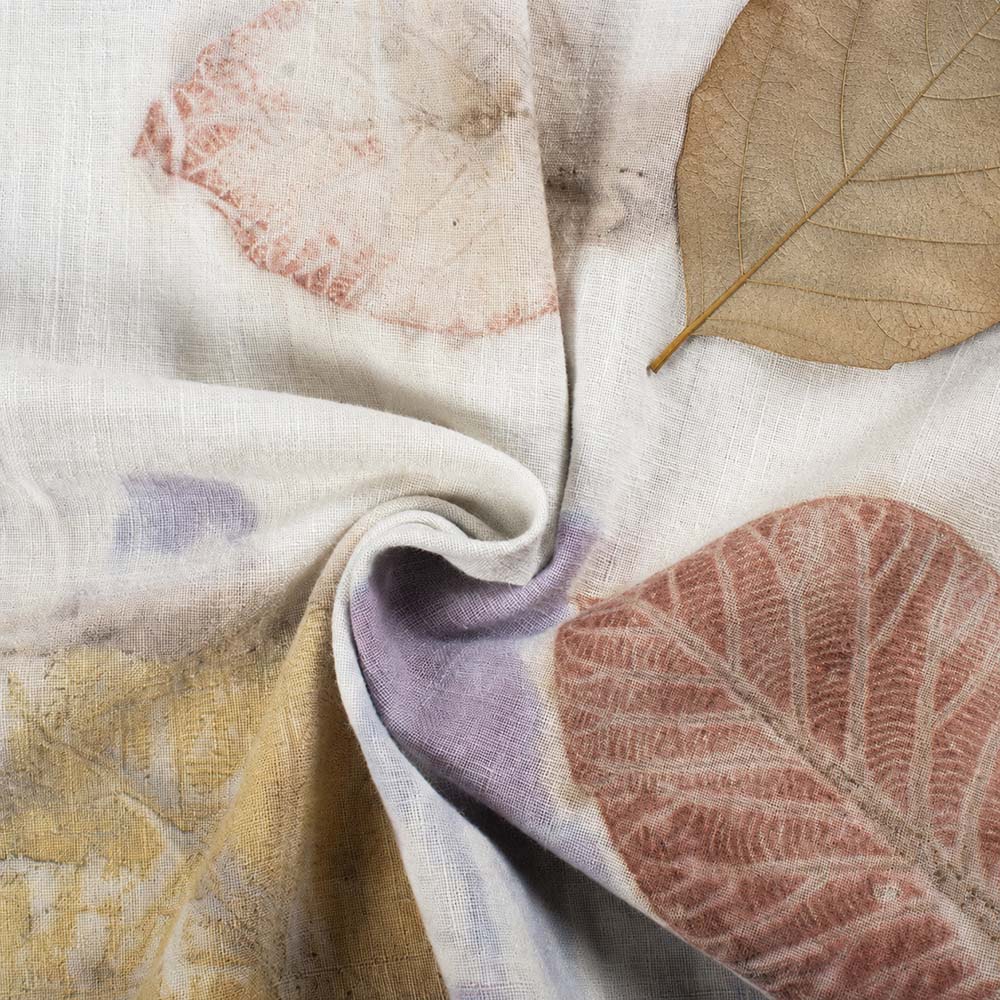
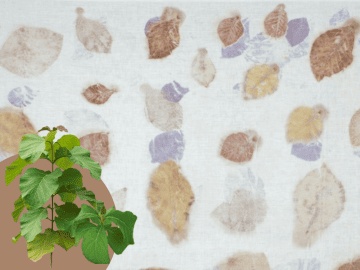
Teak leaves are prized in eco printing for their rich natural pigments and bold vein structures. They produce beautiful shades of warm rust, soft brown, muted olive, burgundy, and earthy grey depending on the mordant and printing process. Their large leaf surface creates striking botanical impressions with intricate textures, bringing depth, character, and timeless natural beauty to handcrafted eco-printed textiles.
TURMERIC & BAMBOO LEAVES
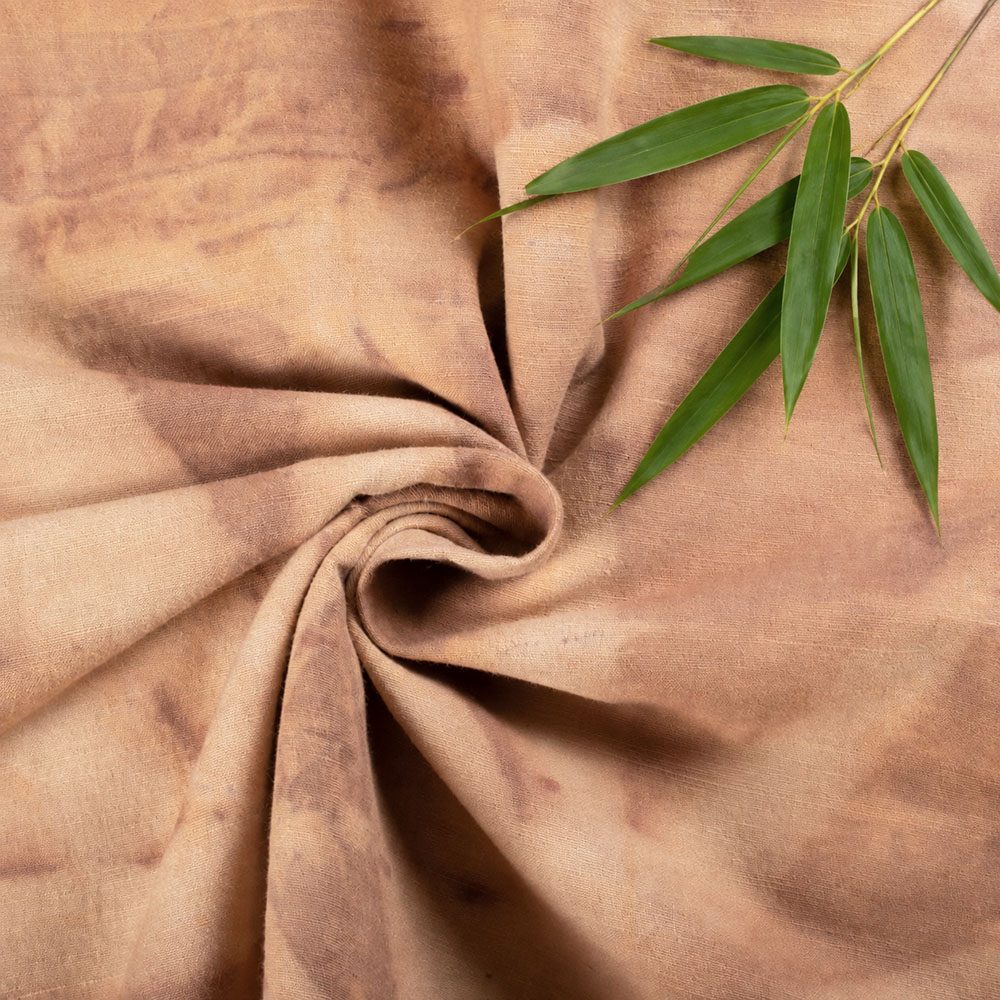
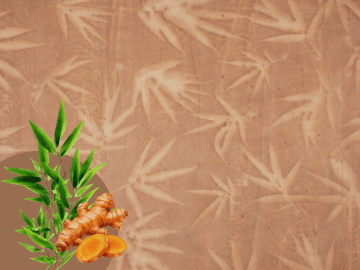
This Turmeric (Curcuma longa) & Bamboo Leaves (Bambusa vulgaris) Eco Print fabric is naturally dyed using direct botanical contact to transfer the pigments, shapes, and delicate vein patterns of fresh leaves onto the textile. Every print develops uniquely, creating organic variations in colour and composition that cannot be replicated by machine.
HARAD & CASTOR BEAN LEAVES
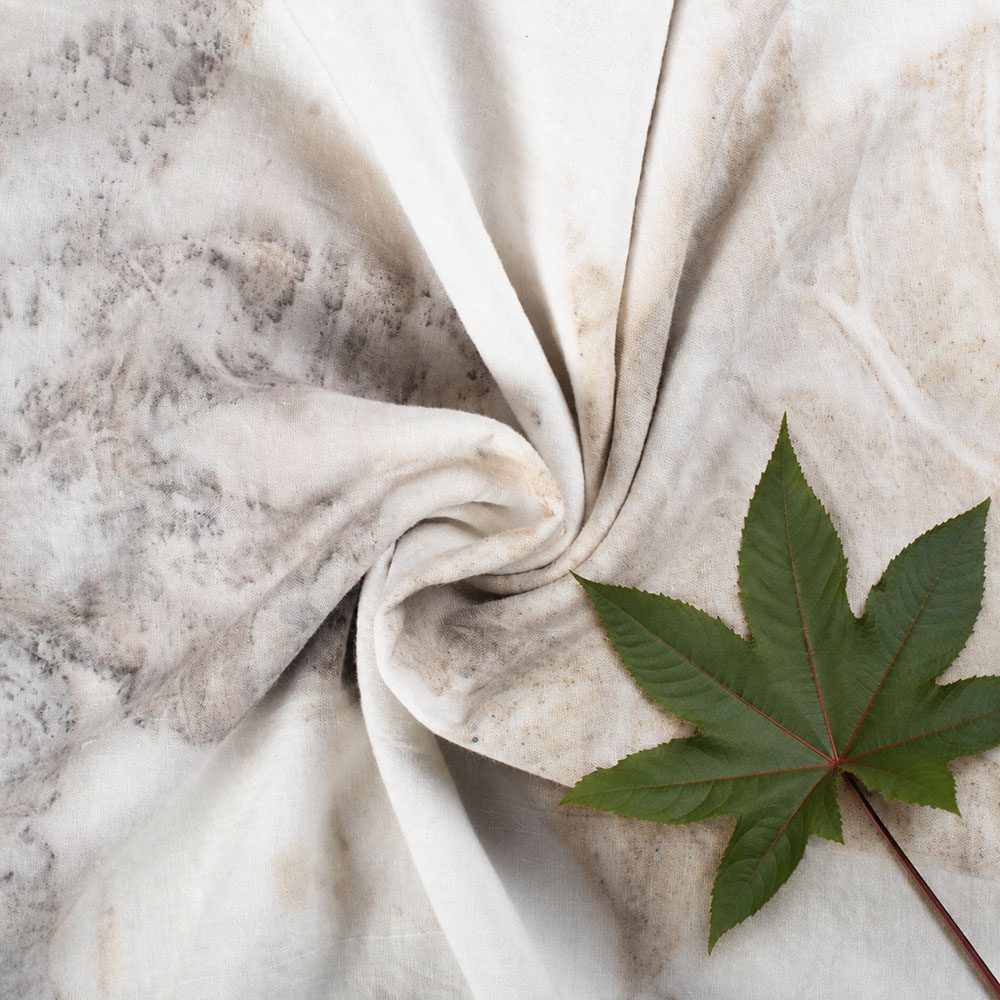
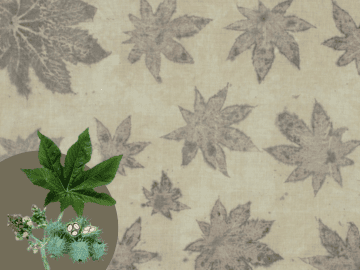
Harad and Veranda leaves are widely used in eco printing for their natural tannins, bold leaf structures, and excellent pigment transfer. Black Myrobalan contributes soft yellow, khaki, olive, and earthy brown tones, while Veranda leaves create beautifully defined botanical impressions with intricate vein patterns. Together, they produce striking natural textures, rich earthy hues, and timeless handcrafted designs that celebrate the beauty of botanical printing.
GUAVA LEAVES
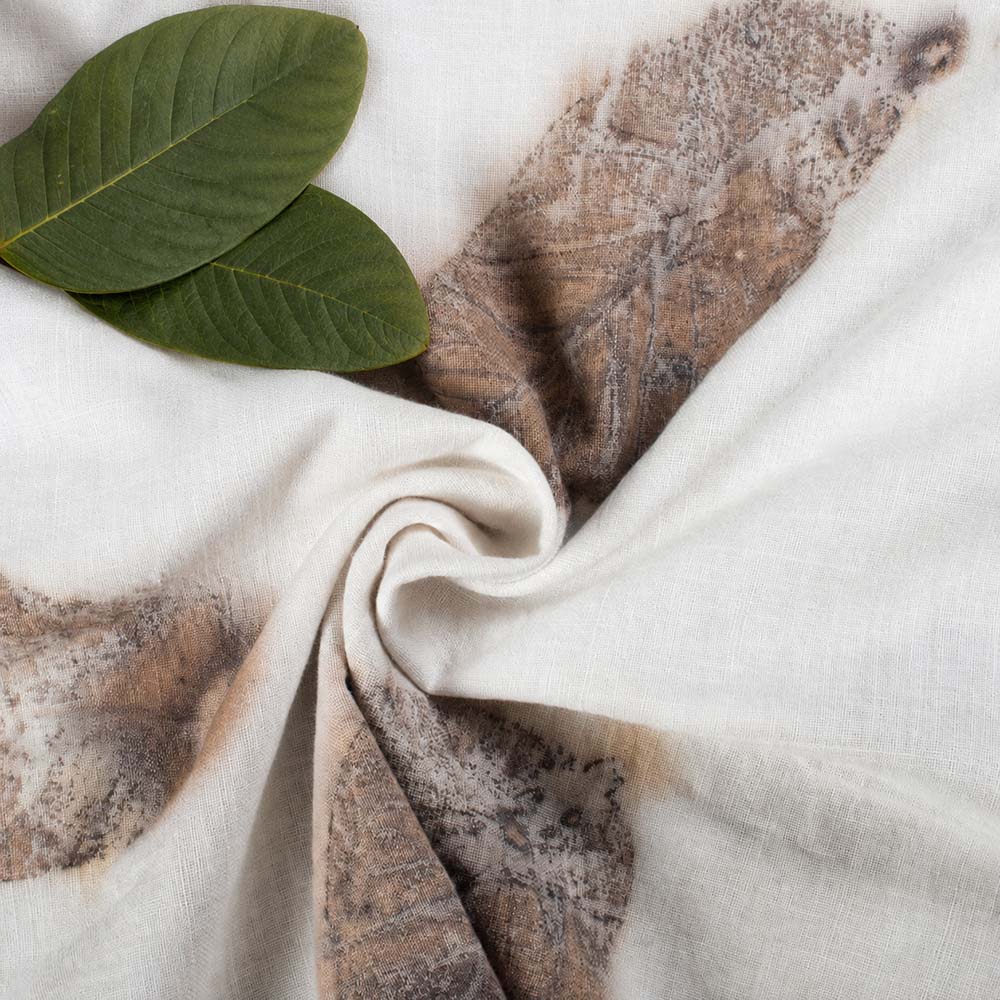
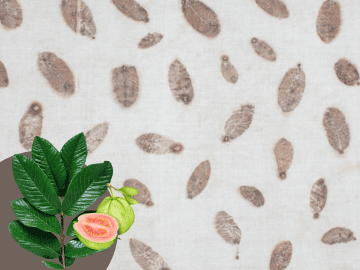
Guava leaves are highly valued in eco printing for their rich tannin content, distinctive vein patterns, and excellent pigment transfer. They produce beautiful shades of soft brown, warm taupe, olive, and muted grey depending on the mordant and printing process. Their finely detailed botanical impressions add natural texture, depth, and timeless elegance, making them a popular choice for handcrafted eco-printed textiles.
BOTANICAL LEAVES
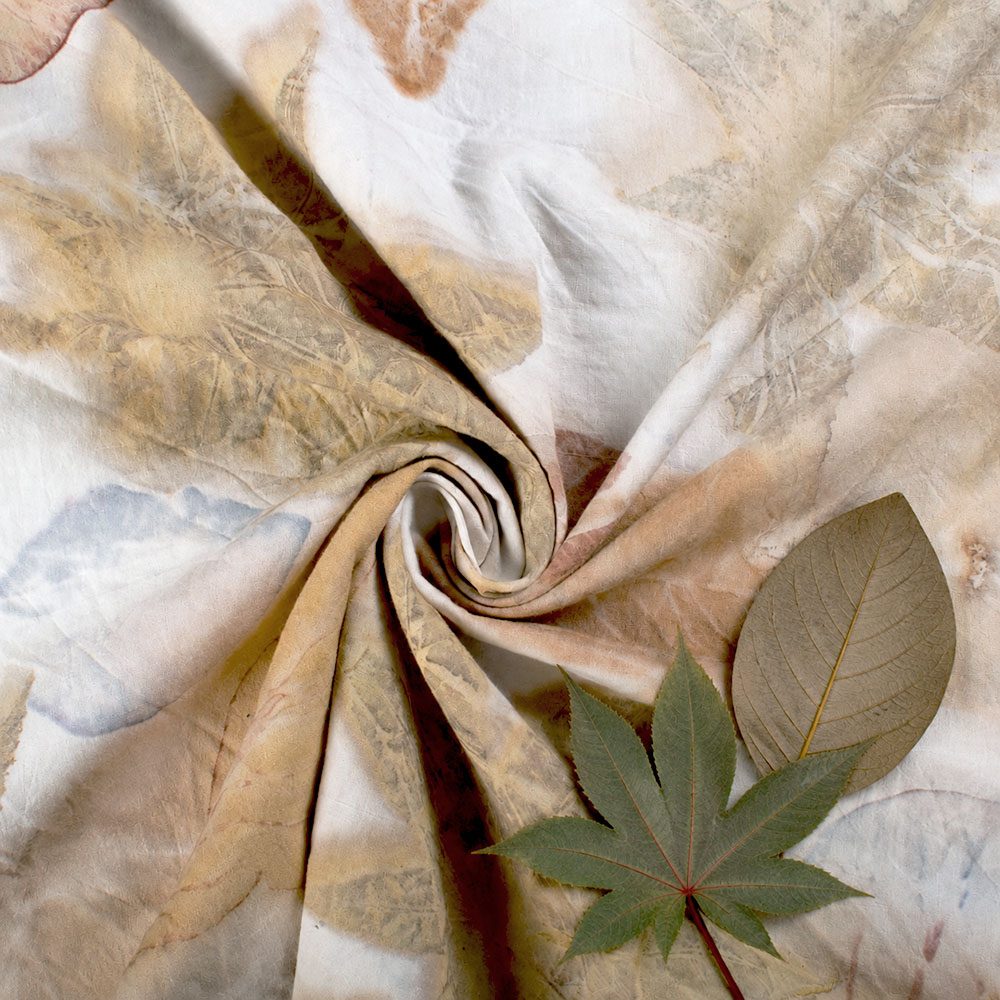
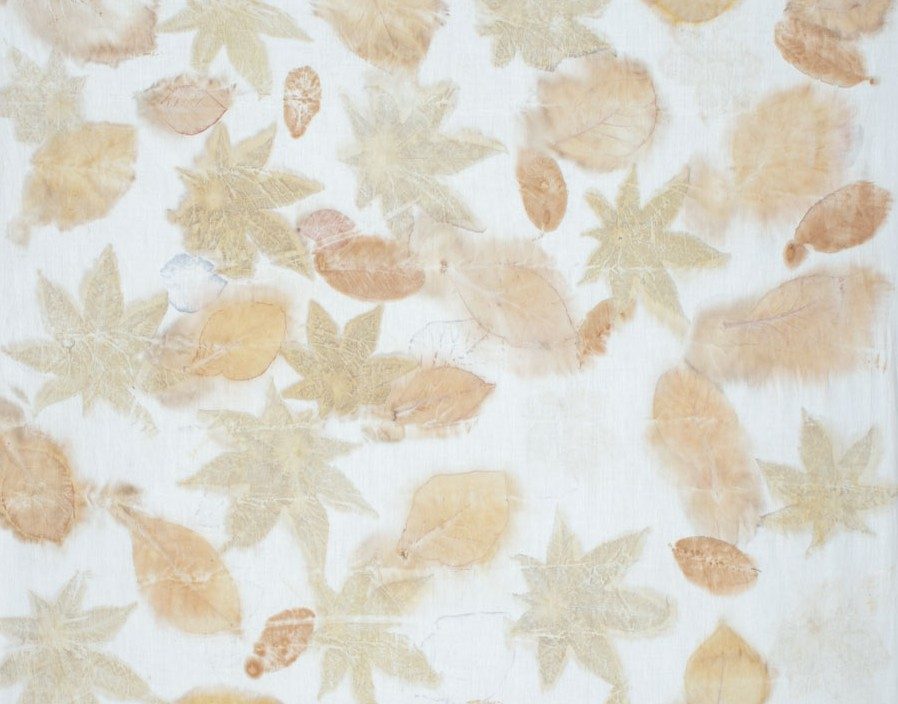
Combination of various natural leaves creates beautifully layered botanical compositions through the eco-printing process. Each leaf contributes its own unique pigments, vein patterns, and textures, producing soft shades of olive, golden yellow, earthy brown, muted grey, and subtle amber. The diversity of botanical materials results in rich organic patterns, making every handcrafted eco-printed textile completely one of a kind.
WHY EVERY ECO PRINT IS UNIQUE
Eco printing is influenced by numerous natural variables, including:
- Plant species
- Season of collection
- Freshness of leaves
- Water quality
- Fabric type
- Mordant selection
- Temperature and steaming duration
Because these conditions naturally vary, no two eco-printed fabrics can ever be exactly alike. This uniqueness is one of the defining characteristics of authentic eco printing.
SUSTAINABLE BEAUTY THROUGH NATURE
Eco printing represents a slower, more thoughtful approach to textile creation. Instead of repeating identical patterns through industrial methods, every fabric tells its own story through the natural forms and colours found in leaves and flowers.
For designers, artisans, and conscious fashion brands, eco printing offers an opportunity to create textiles that combine craftsmanship, sustainability, and individuality—where every metre of fabric carries the signature of nature itself.
frequently asked questions
Which fabrics are best suited for eco printing?
Eco printing works best on natural fibres such as silk, cotton, linen, wool, hemp, and bamboo. These fabrics readily absorb botanical pigments, producing detailed and long-lasting natural impressions.
What plants are commonly used in eco printing?
Popular botanicals include eucalyptus, rose leaves, marigold flowers, pomegranate leaves and peel, maple leaves, oak leaves, ferns, and many locally available wild plants. Each botanical creates unique colours and patterns.
Why is every eco print unique?
Every eco print is influenced by the type of plant, fabric, mordant, water quality, season, and steaming process. Since no two leaves or flowers are identical, every eco-printed textile is naturally one of a kind.
How long do eco-printed fabrics last?
When properly prepared and cared for, eco-printed fabrics can retain their botanical impressions for many years. Using suitable mordants and following gentle care instructions helps preserve the natural colours.
How should eco-printed fabrics be cared for?
Wash eco-printed fabrics gently in cool water using a mild detergent. Avoid bleach, harsh chemicals, and prolonged exposure to direct sunlight. Dry in the shade to help maintain the natural botanical colours.
More Stories
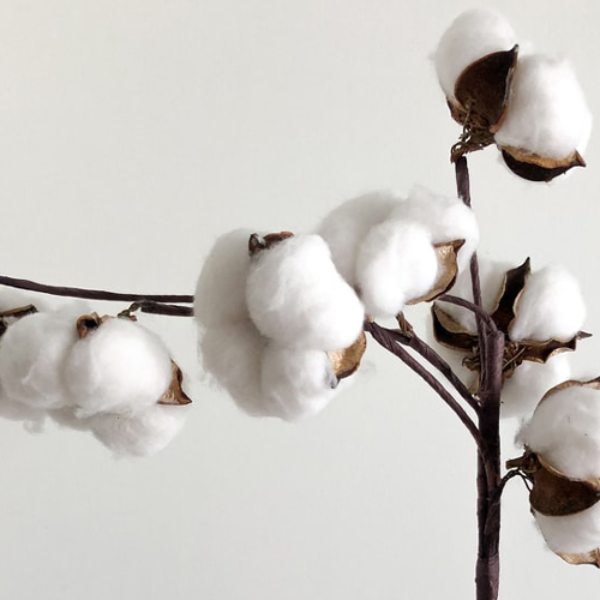
organic khadi cotton
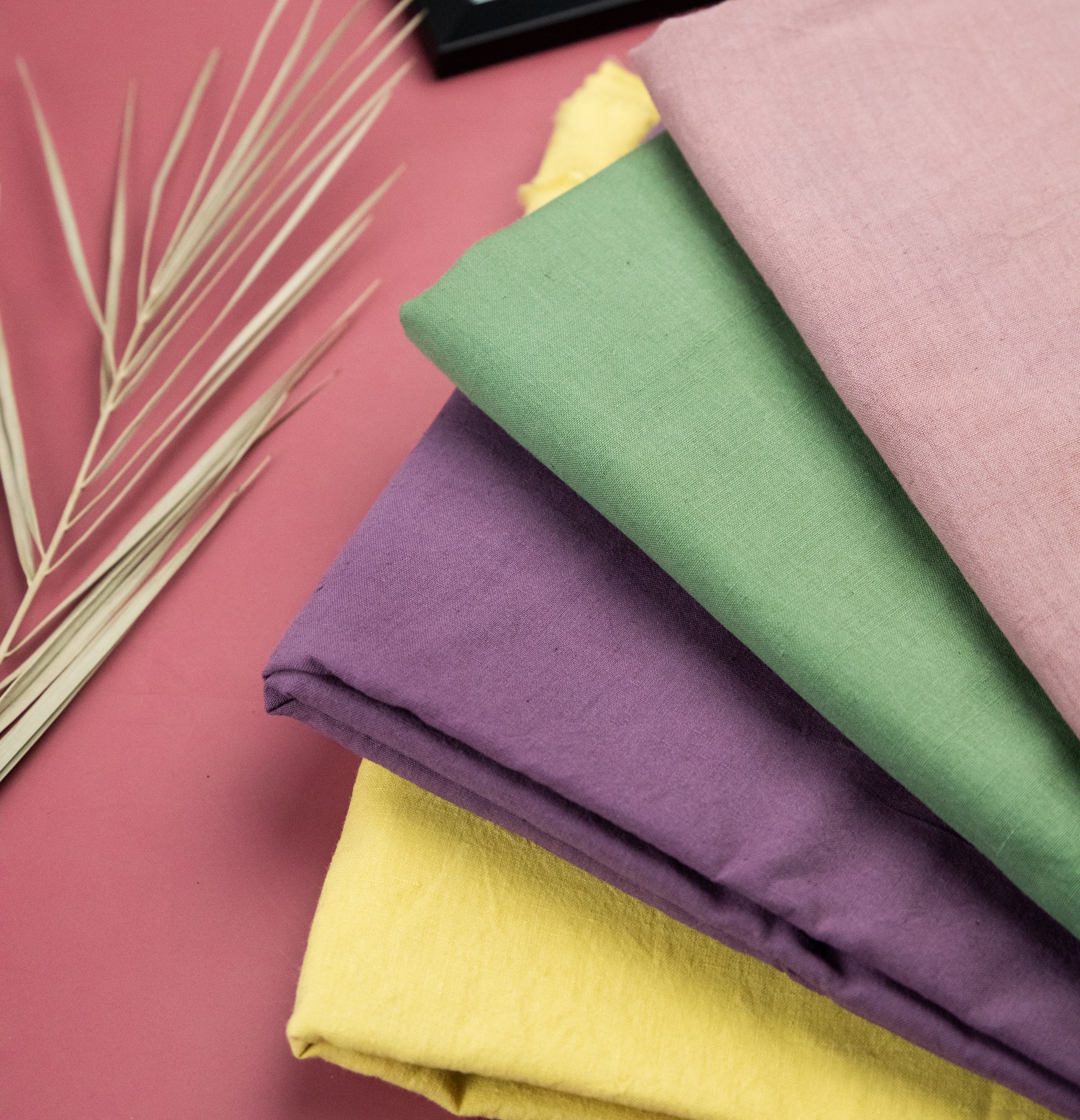
natural vegetable dye
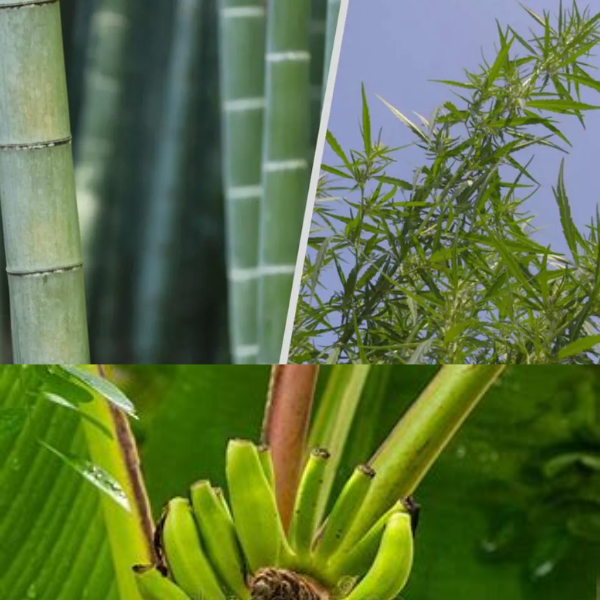
natural fibers: hemp- banana- bamboo- corn
dyeable khadi cotton

khesh recycled fabric
madhubani wall art