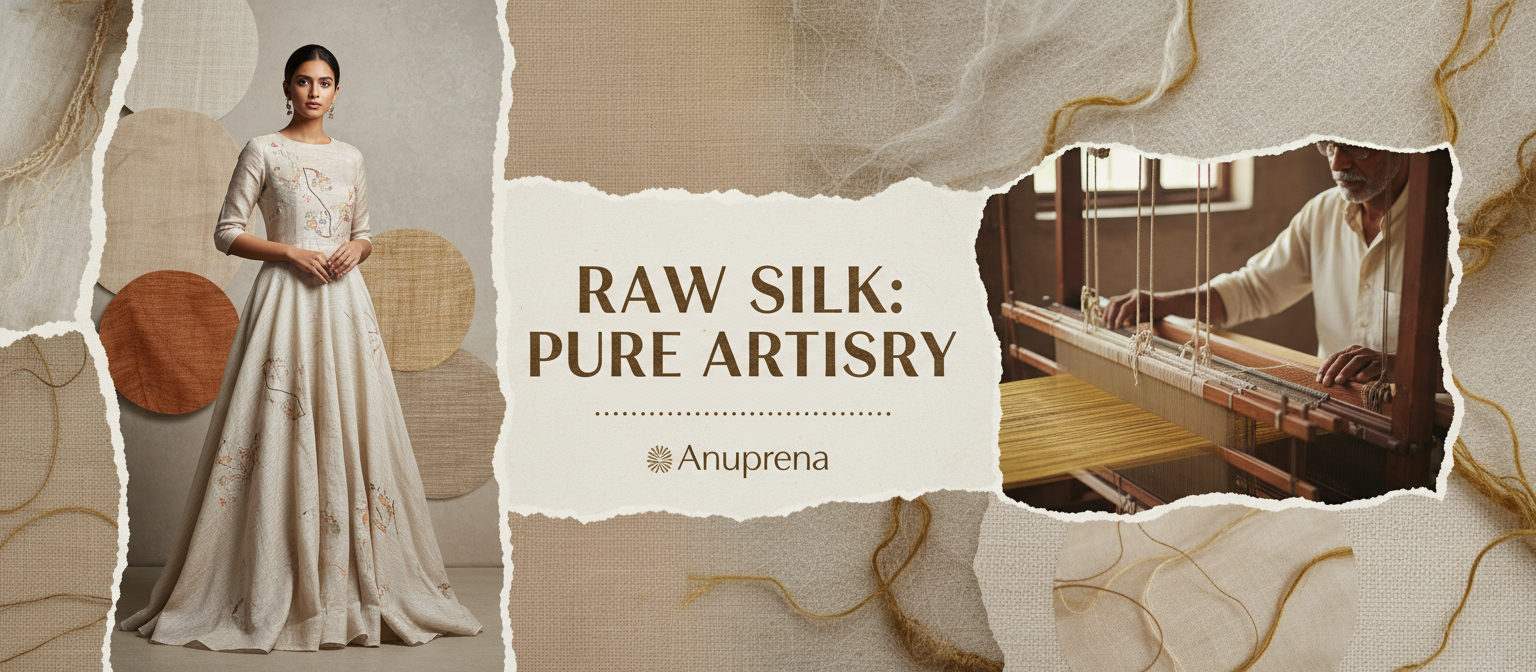
The Ultimate Sourcing Guide to Raw Silk Fabric: Properties, Weights, and Creative Uses

In luxury textiles, few materials carry the quiet authority of raw silk. For designers and sourcing teams, it sits in a rare middle ground: tactile and organic, yet unmistakably premium. Unlike highly processed satins, raw silk fabric retains its natural texture, subtle irregularities, and a sense of material honesty.
Sourcing it well is where most brands stumble. From the warm, uneven character of Tussar to the wool-like comfort of Eri and the structure of Matka, each raw silk type behaves differently in weight, drape and durability. Add ethical considerations like sericin retention and non-violent production, and the choices become technical, not just aesthetic.
This guide breaks down raw silk fabric clearly and practically. You will understand key silk varieties, weights, and performance traits, and learn how to balance natural variation with commercial quality standards. Whether your priority is structure, softness, or sustainability, this is a focused roadmap to sourcing authentic Indian raw silk with confidence.
Understanding the Essence of Raw Silk Fabric

To source raw silk effectively, it helps to understand what “raw” actually means. Technically, raw silk retains a significant amount of sericin, the natural protein that binds the silkworm’s cocoon. Unlike fully degummed silk, which is stripped for shine and smoothness, raw silk is partially degummed or minimally processed to preserve texture and character.
The Beauty of the Slub
Raw silk is defined by its slubs: natural irregularities, knots, and thickness variations in the yarn. In B2B sourcing, these are not flaws but proof of authenticity. They create a matte surface, subtle light play, and a tactile depth that suits structured garments and heritage-led design.
Why Designers Choose Raw Silk
- Structure: Retained sericin gives raw silk body and a firm handfeel.
- Breathability: Absorbent and thermoregulating across seasons.
- Dye Depth: Texture allows dyes to settle unevenly, creating rich, layered colour.
- Sustainability: Often handloom-produced, with a lower footprint than industrial silk.
Exploring the Diverse Types of Raw Silk
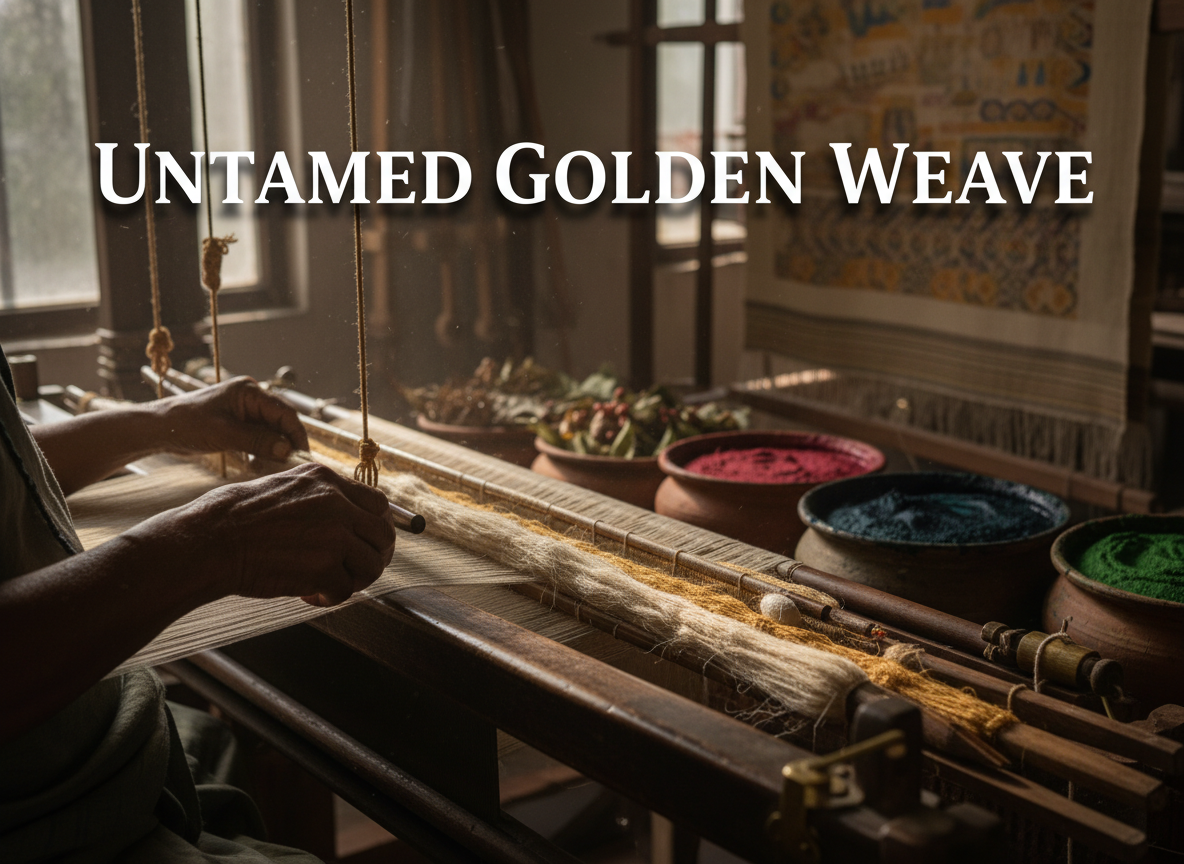
India’s Raw Silks: Five Materials, Five Personalities
India is the only country in the world that produces all four commercial varieties of silk: Mulberry, Tussar, Eri, and Muga. Each of these contributes to different types of raw silk fabrics, each with its own distinct personality.
1. Tussar Silk (The Wild Silk)
Tussar silk is harvested from silkworms that live in the wild forests of East India. It is prized for its rich, deep gold color and shorter fibers, which create a more textured, "papery" feel. It is an excellent choice for structured garments like blazers and heavy ethnic wear. Explore our collection of Tussar Silk Fabric.
2. Matka Silk (The Textured Powerhouse)
Matka silk is a rough, handmade silk fabric made from the waste of Mulberry silk. The yarns are spun by hand, resulting in a fabric that resembles tweed or linen but retains the lightness of silk. It is incredibly durable and holds its shape exceptionally well. Learn more about Matka Peace Silk.
3. Eri Silk (The Vegan/Peace Silk)
Often called the "wool of the East," Eri silk is a type of raw silk fabric where the moth is allowed to leave the cocoon before processing. It is heavy, warm, and has a soft, cotton-like matte finish. It is ideal for scarves, shawls, and winter jackets. View our Eri Silk options.
4. Muga Silk (The Golden Treasure)
Muga silk is one of the rarest silks in the world, found only in Assam. It is naturally golden and becomes more lustrous with every wash. While often used for traditional sarees, modern designers are increasingly using Muga raw silk for luxury accessories and couture. Discover the rarity of Muga Silk.
5. Ketia Silk
Ketia is another variant of raw silk, often used as a more affordable yet equally textured alternative to pure Tussar. It has a slightly more rustic appearance and is frequently used in home furnishings and heavy apparel. Check out Ketia Peace Silk.
Technical Specifications: Weights and Measures
Understanding Momme and GSM
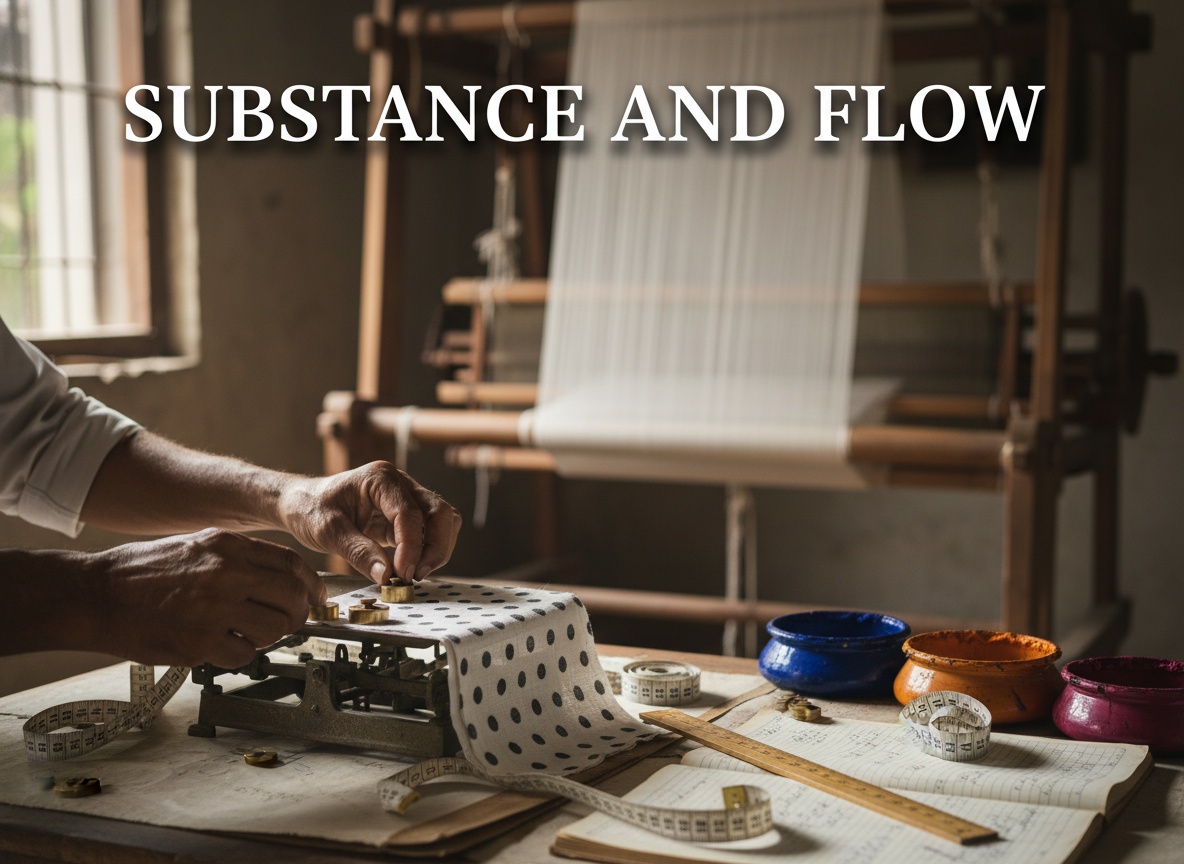
- Momme (mm): This is the traditional unit for silk weight. 1 Momme = 4.34 grams per square meter.
- Lightweight (8-12mm / 35-50 GSM): Best for scarves, light overlays, and delicate linings.
- Medium Weight (14-19mm / 60-85 GSM): Ideal for blouses, summer dresses, and shirts. Most Mulberry-based raw silks fall into this category.
- Heavy Weight (20mm+ / 90+ GSM): Best for trousers, suits, jackets, and bridal wear. Matka and Tussar are frequently found in these heavier weights.
The Role of Ply
In raw silk, you will often see terms like "2-ply" or "4-ply." This refers to the number of silk threads twisted together to form the yarn. A higher ply usually indicates a thicker, more durable fabric with a more pronounced texture.
Sourcing for Sustainability: The Anuprerna Approach
Raw Silk with a Conscience
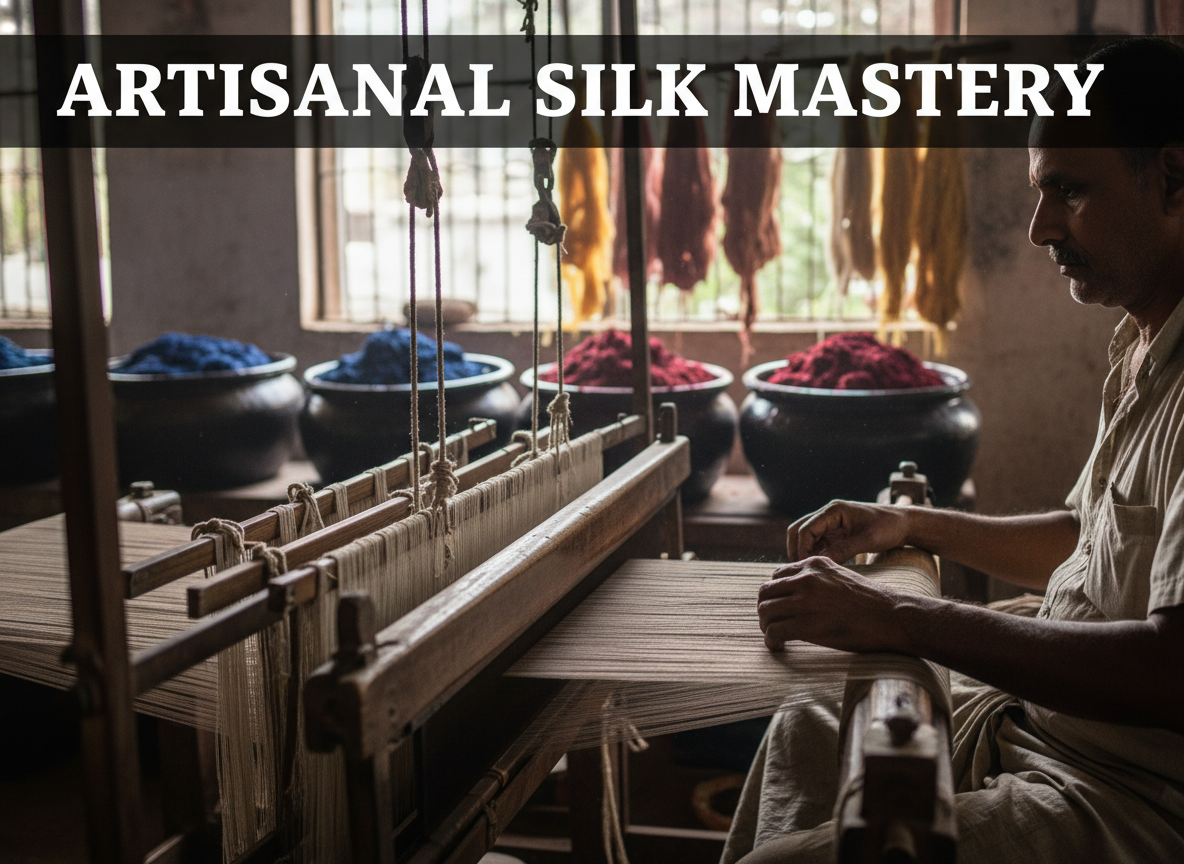
As a B2B manufacturer, Anuprerna focuses on the intersection of traditional craftsmanship and modern sustainability. When you source raw silk through us, you are not just buying fabric; you are supporting a circular ecosystem.
Ethical Manufacturing
Traditional raw silk production in India supports thousands of artisan families. By choosing handloomed raw silk over mass-produced alternatives, brands can:
- Reduce energy consumption (handlooms require no electricity).
- Preserve ancient weaving techniques.
- Provide fair wages to rural communities in East India.
Peace Silk (Ahimsa Silk)
For brands with a strong ethical stance, we offer "Peace Silk" varieties. This includes Eri and certain types of Matka and Tussar, where the silk is harvested without harming the silkworm. This is a significant selling point for conscious consumers who love the look of raw silk fabric but want an animal-friendly alternative. To understand how these fit into the broader landscape of Indian textiles, see our Guide to Different Types of Fabrics.
Common Mistakes to Avoid When Sourcing Raw Silk
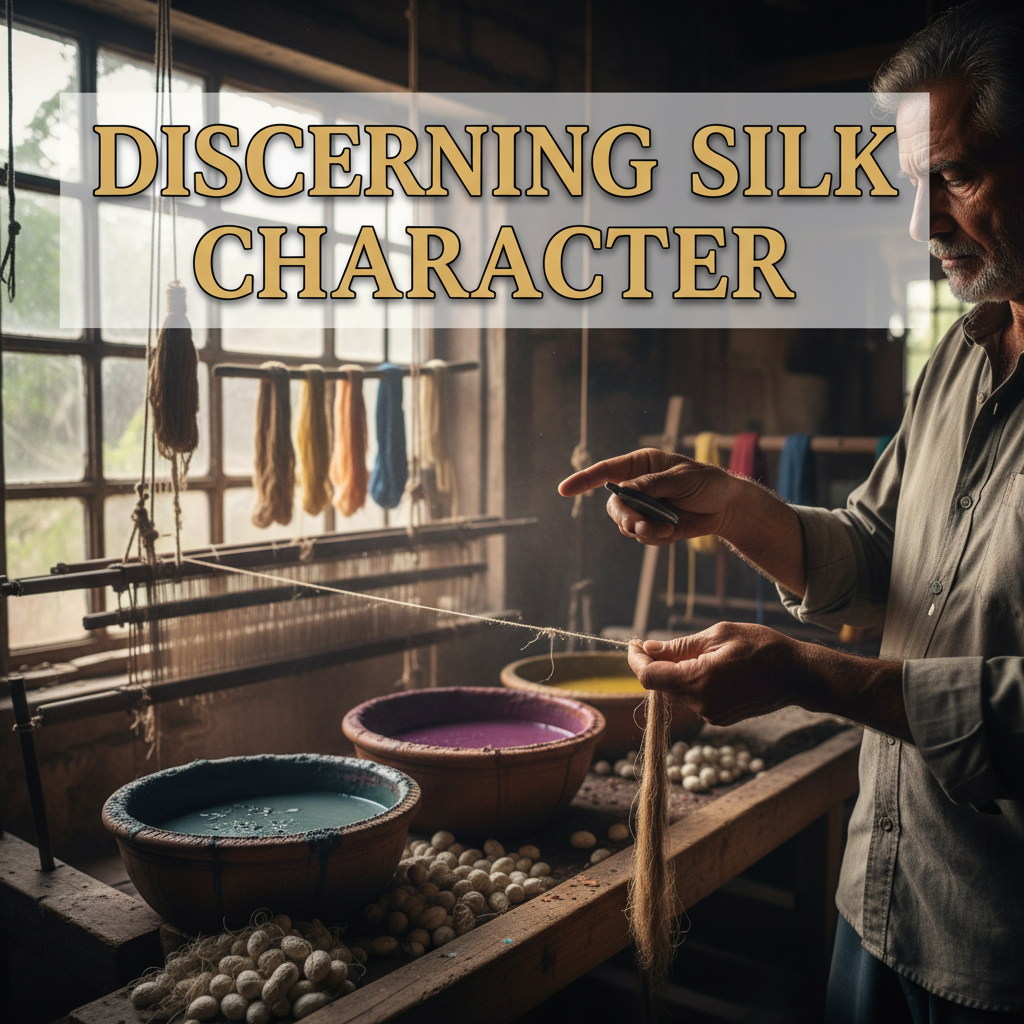
- Expecting Uniformity: If you are looking for a perfectly smooth, mirror-like surface, raw silk is not the right choice. Avoid the mistake of rejecting fabric based on "slubs"—these are the soul of the material.
- Ignoring Shrinkage: Raw silk can shrink significantly (up to 10%) if not pre-washed or treated correctly. Always account for this in your pattern making.
- Misjudging Color Fastness: Because many raw silks are dyed using traditional methods, they may "bleed" slightly during the first wash. Always request a wash-test report for B2B orders.
- Confusing Raw Silk with "Dupioni": While similar, Dupioni is specifically made from double-thread cocoons and has a crisper, more metallic rustle. Raw silk is generally softer and more organic in feel.
Creative Uses for Raw Silk in Modern Fashion
Raw silk’s versatility allows it to transcend traditional boundaries. Here is how modern brands are utilizing various types of raw silk:
- Bridal Wear: Heavyweight Matka silk provides the structure needed for lehengas and gowns without the excessive weight of synthetic stiffeners.
- Corporate Essentials: Tussar silk blazers offer a sophisticated, breathable alternative to wool for tropical climates.
- Sustainable Loungewear: Lightweight Mulberry raw silk (low degummed) is being used for luxury pajamas and robes that feel "earthy" yet premium.
- Interior Design: Due to its durability and matte finish, raw silk is an excellent choice for high-end upholstery and drapery.
Expert Tip: Combine raw silk with other natural fibers like cotton to create unique blends. A Cotton-Silk blend offers the sheen of silk with the crispness and affordability of cotton.
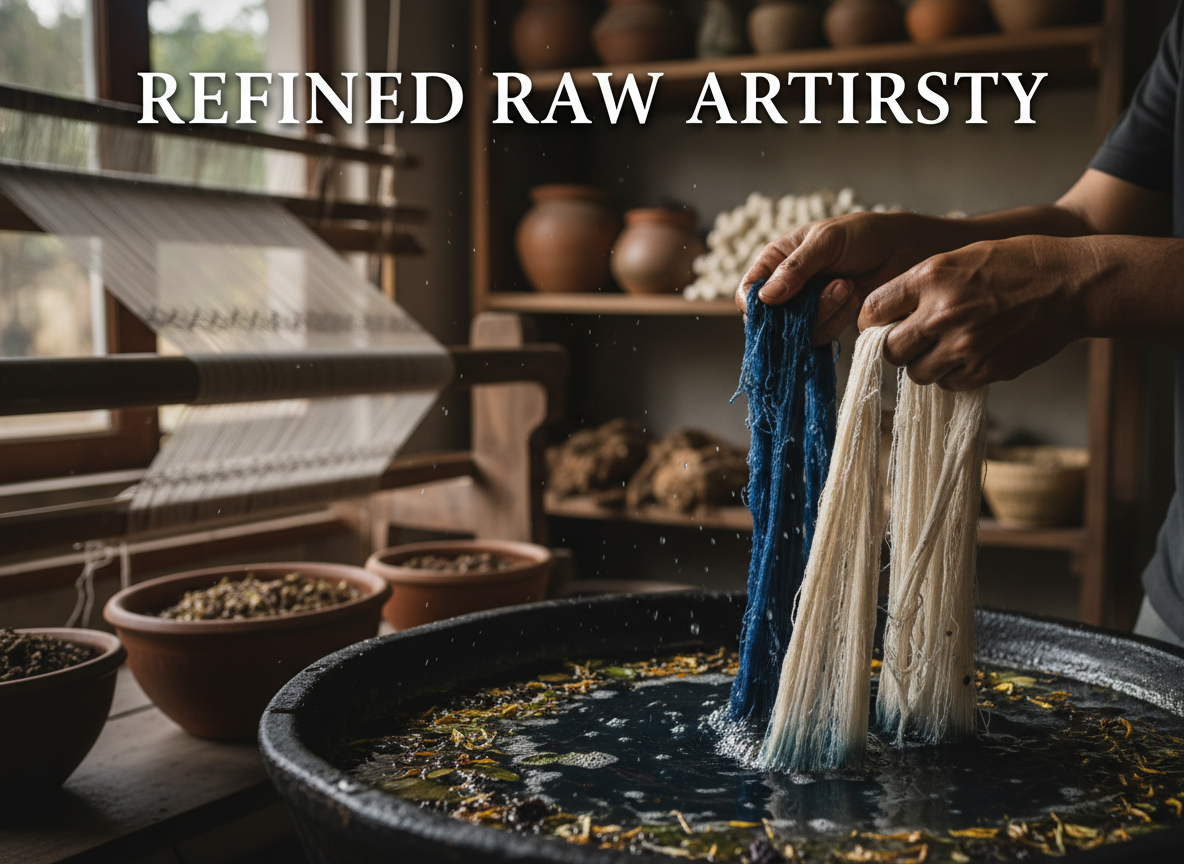
Choosing Raw Silk the Right Way
Sourcing raw silk fabric is an exercise in appreciating the beauty of nature and the skill of the human hand. From the rustic charm of Matka to the golden elegance of Muga, raw silk offers a world of possibilities for designers who value texture, sustainability, and cultural heritage.
By understanding the technical nuances of weights, plies, and varieties, you can make informed sourcing decisions that elevate your brand's narrative. At Anuprerna, we are committed to providing high-quality, ethically made raw silk material that tells the story of East Indian craftsmanship.
Are you ready to integrate the timeless appeal of raw silk into your next collection? Explore our curated collection of sustainable silks or contact our sourcing team to discuss your custom requirements.
most asked questions
What is the difference between raw silk and Matka silk?
arrow_drop_downMatka silk is actually a type of raw silk. It is specifically made from the waste of Mulberry silk and is hand-spun. While all Matka silk is raw silk, not all raw silk is Matka. Other types of raw silk include Tussar, Eri, and Muga, each coming from different silkworm species and having different textural properties.
Is raw silk the same as pure silk?
arrow_drop_downYes, raw silk is "pure" in the sense that it is made from 100% silk fibers. The "raw" designation refers to the processing method—specifically that the sericin (silk gum) has not been fully removed. This gives the raw silk fabric its characteristic textured feel and matte appearance, unlike the shiny finish of degummed silks like satin or charmeuse.
Does raw silk fabric wrinkle easily?
arrow_drop_downRaw silk is actually more wrinkle-resistant than many other types of silk or linen. Because of its natural texture and the presence of sericin, it has a certain "bounce" and resilience. Any wrinkles that do form tend to look more natural and less "messy" than those on a smooth silk surface. A quick steam is usually enough to refresh the garment.
How do I care for garments made from raw silk material?
arrow_drop_downMost raw silk material should be dry cleaned to maintain its structure and color. However, some varieties like Eri silk can be hand-washed in cold water with a pH-neutral detergent. Always avoid wringing the fabric; instead, roll it in a towel to remove excess moisture and air dry in the shade to prevent the sun from fading the natural dyes.
Can raw silk be used for summer clothing?
arrow_drop_downAbsolutely. Raw silk is highly breathable and has excellent moisture-wicking properties. It keeps the wearer cool in the summer by allowing air to circulate. Lightweight versions of raw silk are particularly popular for summer dresses, shirts, and tunics.
More Blogs
the designer’s guide to eri silk: mastering gsm, textures, and drape for sustainable fashion
eri silk vs. mulberry silk: a performance comparison for sustainable fashion brands
khaadi online shopping: technical analysis of khadi vs. powerloom cotton for fashion production
from sericulture to spun yarn: a deep dive into the artisanal raw silk production process
raw silk vs. mulberry silk: a technical comparison for textile designers
handspun khadi vs. mill-made cotton: why khadi online shopping offers more value